DCGIA Chapter 2013 Holiday Auction

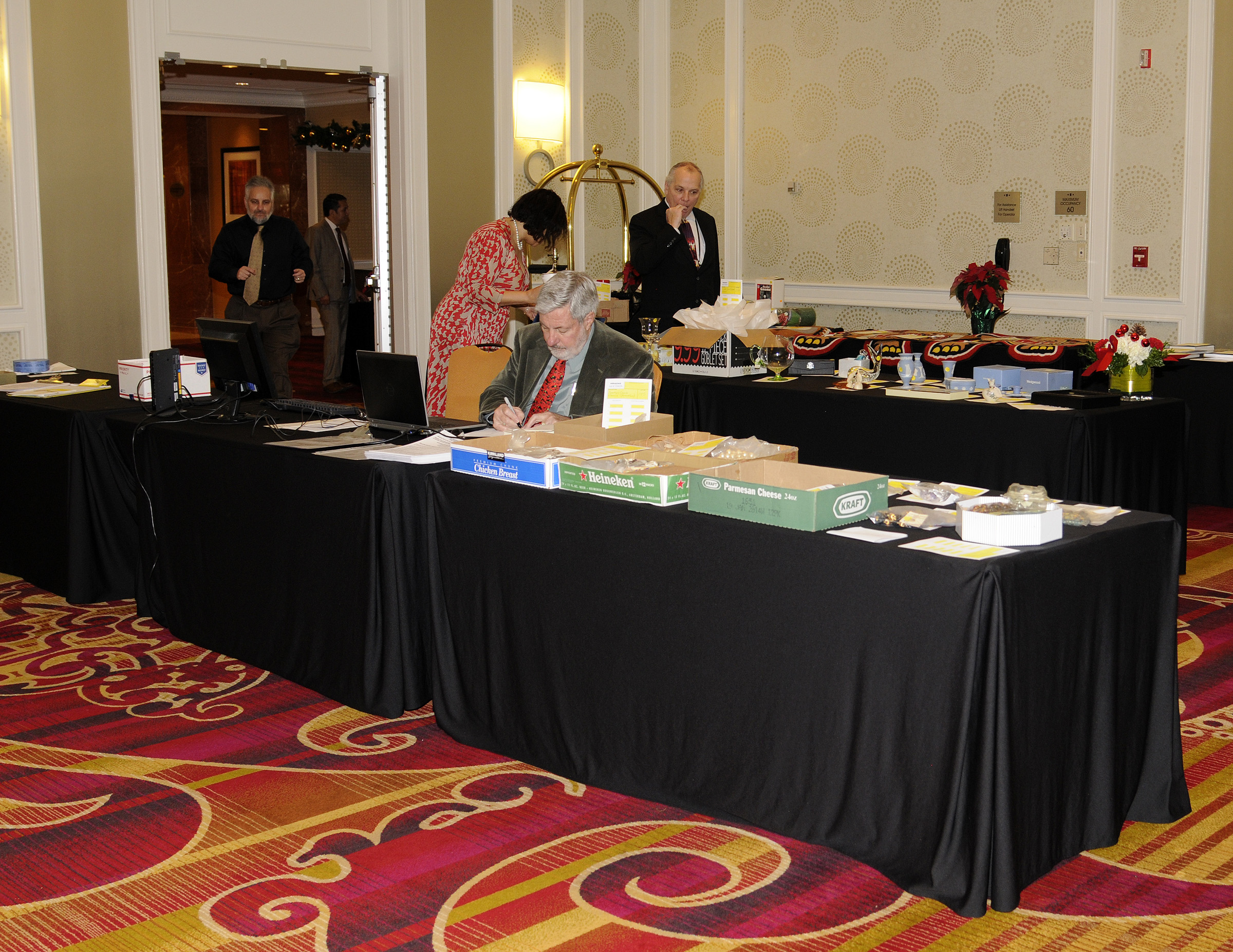
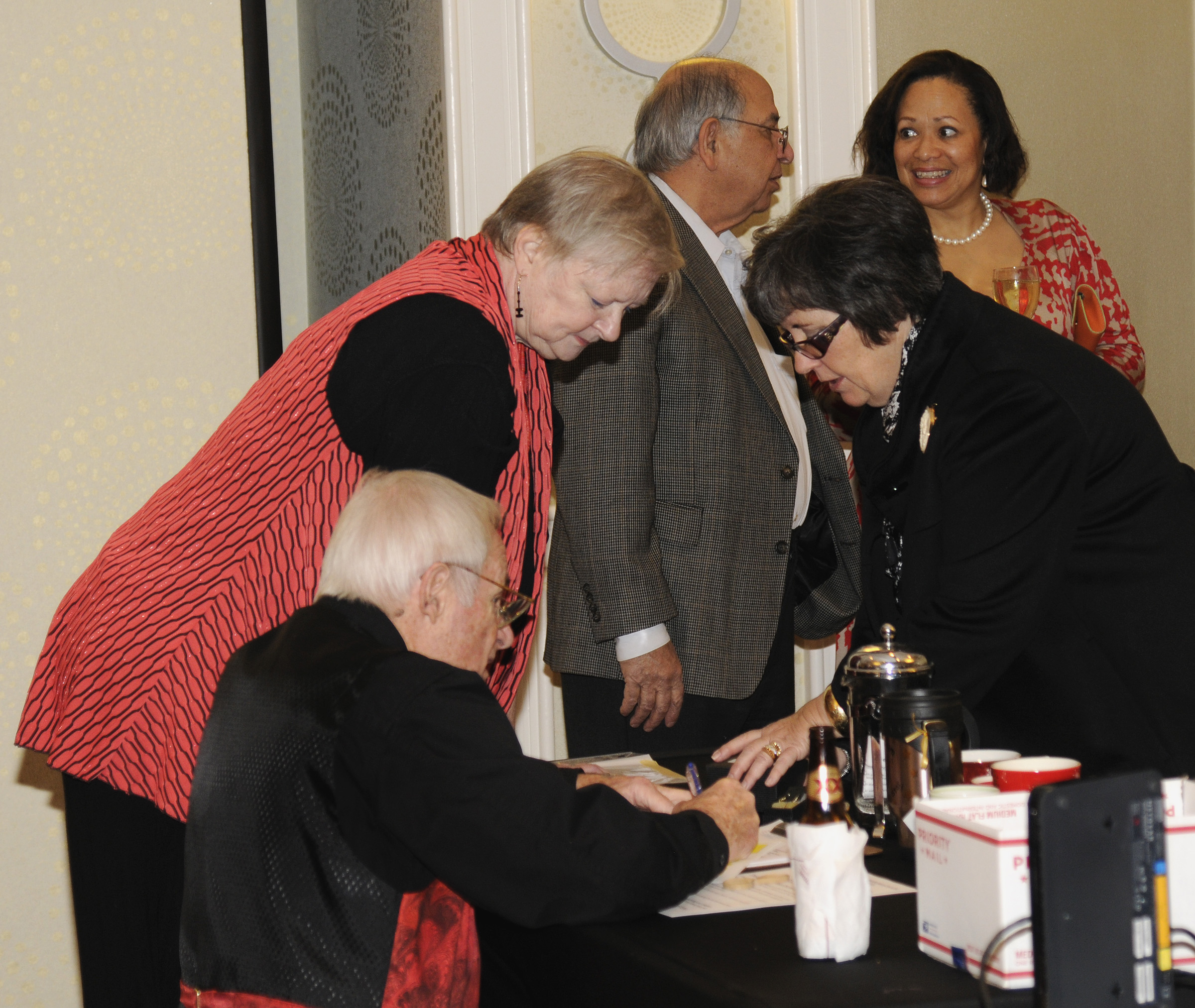
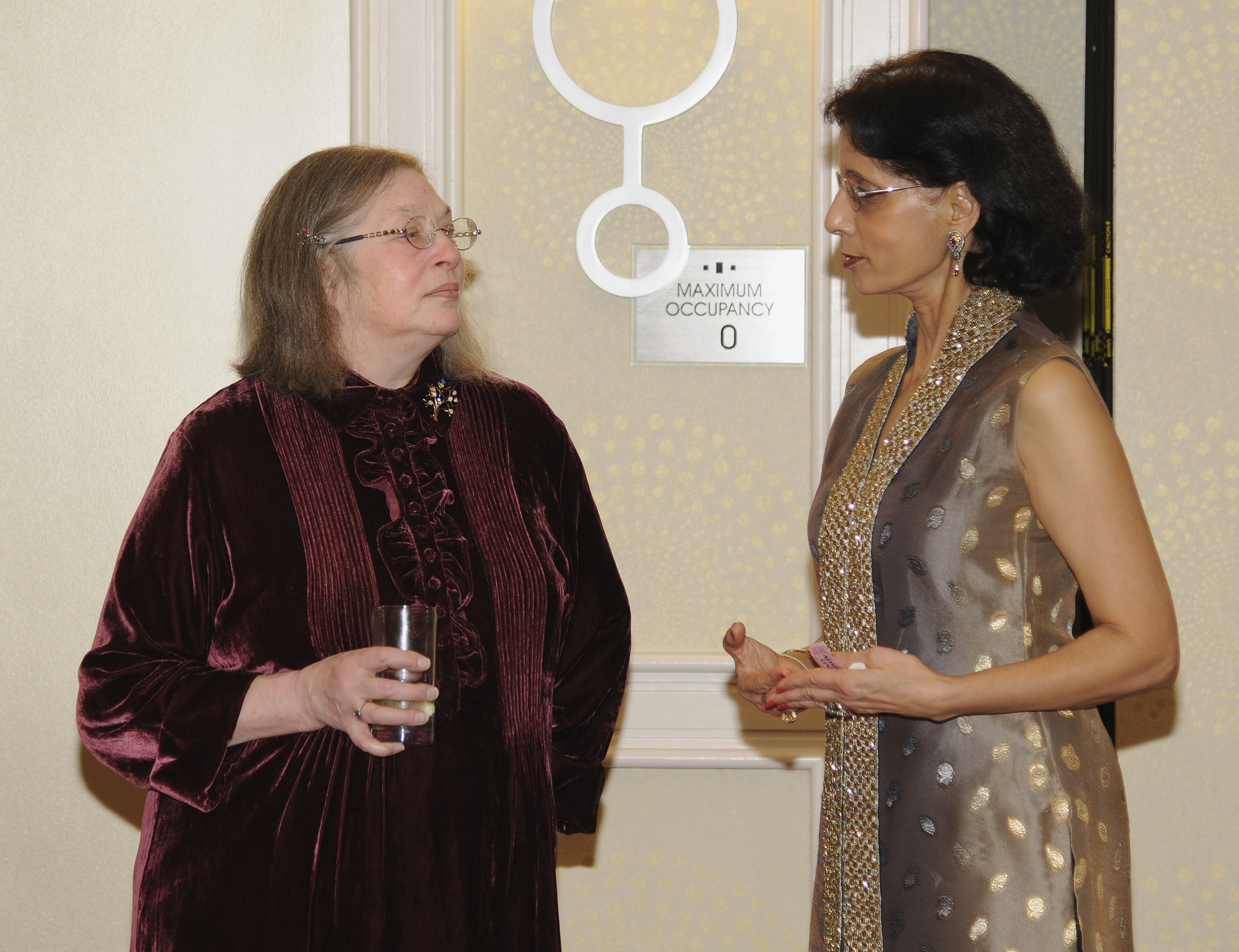
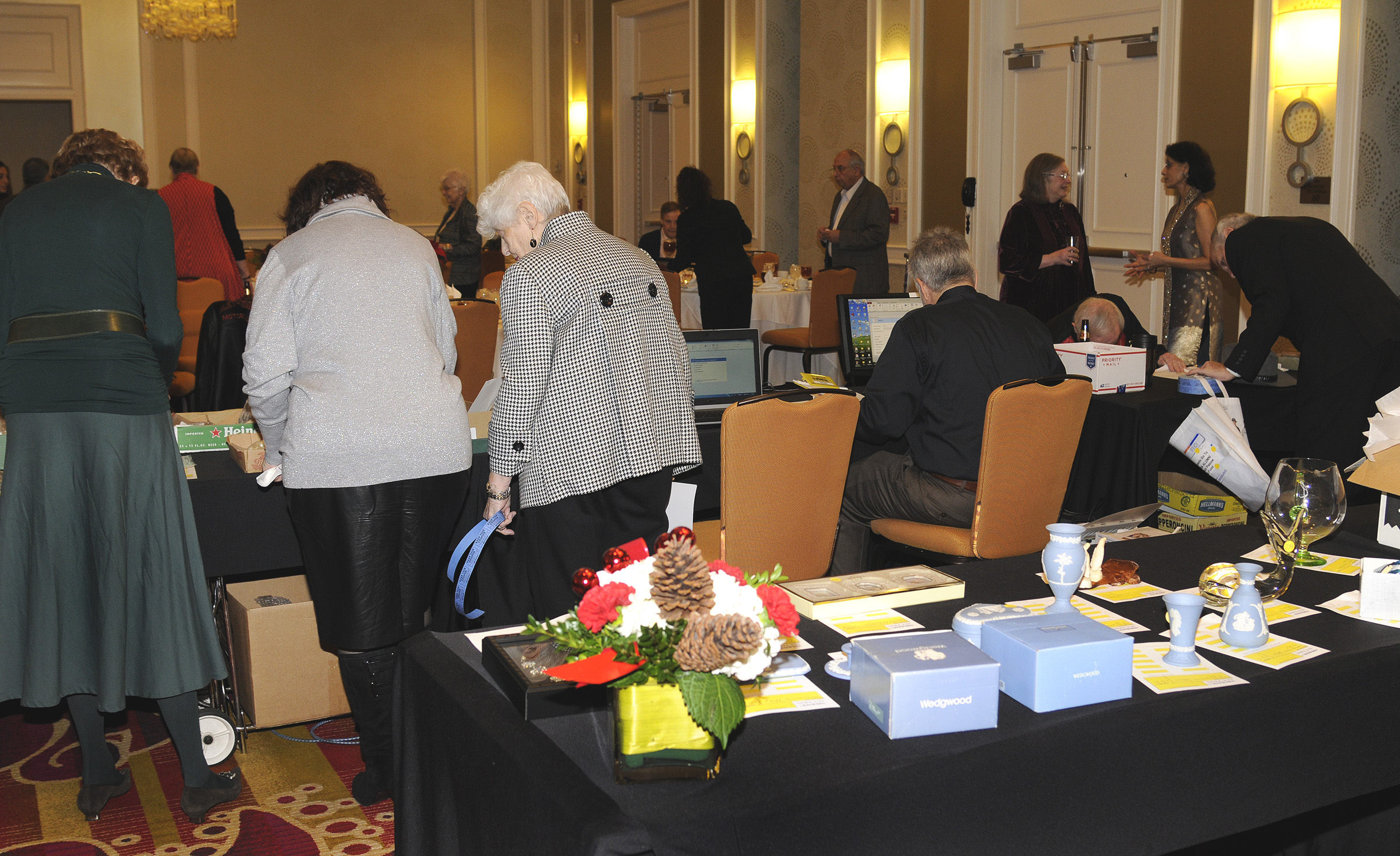
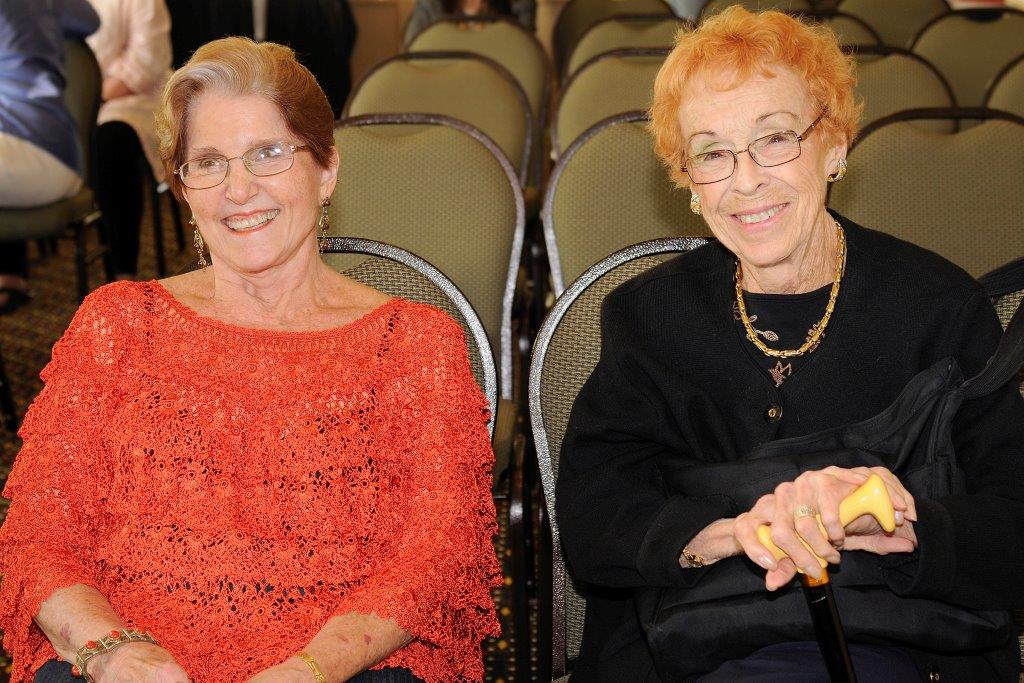
Here is the DCGIA Chapter 2013 Holiday Auction & Party Honor Roll of Donors and some of the Pictures taken during the event.

DCGIA2

DCGIA1Thanks go out to you all for making the night memorable.

DCGIA6

DCGIA4

2013 Honor Roll of Donors!

Achikian Goldsmiths
Adel Cramer
Anonymous
Aras Jewelers, Inc.
Ashby Jewelers
Bill & Carol Anderson
Bobby Mann
Carol McKenna-Fort
Carolyn Chappell
Charlie & Melanie Marts
Courtland Lee
Denise & Dennis Nelson
Donna Sibley
Duncan & Charles
Toby Fitzkee
Gail Brett-Levine
Gia Alumni Association
Hap & Dee Williams
DCGIA7K&K International
Kathy Bonnell
Laurie R Pasipank
Lisa Carp
Lois Berger
Lynne Karson
Mangan Jewelers – Tom Mangan
Mason Kay
Michele McMurtry
Pala International
Pam Stair
DCGIA3Renee Newman
Richard Drucker – Gemworld International
Sherelene Bradbury
Skinners Auctioneers & Appraisers
Stephanie Giorlando
Tim Morgan – Gemstones from the Earth
Tim Roark Inc.

DCGIA5Wishing everyone a Happy Holiday and Prosperous 2013!

Pictures by Melanie Marts, G.G.

Posted in Meeting Archives | Tagged , , , | Leave a comment

National Gem Collection – Some Old & Some New – Jeffrey Post

Dr. Jeffrey Post, curator of the Smithsonian’s National Gem Collection provided an insightful presentation of old and new acquisitions to the collection.

The gems and minerals galleries of the Smithsonian’s National Museum of Natural History are among the most visited museum exhibits in the world, attracting more than five million visitors every year. The National Gem Collection was created in 1884, and is renowned for both the number and scope of mineral specimens and gemstones. The Hope Diamond being the iconic center piece of the gallery and the most popular museum object in the world.

How does the Smithsonian add to the collection?

No Tax Dollars are spent on acquisition of items for the collection, everything comes from private sources.

Gifts are the main source of specimens, but while gifts are a great way to grow a collection it sometimes grows in unexpected ways. As gifts to the nation it is unlikely any would ever be sold, but rather offered to other Smithsonian branch museums. Not all gifts are accepted, as not every piece has a story to tell within the gem gallery. But a place for these gifts can often be found in other museums which can properly tell their story fully.

Recent gifts include the Dom Pedro Aquamarine, the largest faceted aquamarine, weighing 10,363 carats. The Dom Pedro exists today at
the Smithsonian Institution because of one thing PASSION.

The passion of a gem dealer, the passion of a creative gem artist, and the passion of a serious gem collector. This type of passion combined with the story and the desire to preserve and share the wonders of nature is what the National Gem Collection is all about.

Endowments provide on-going funds each year that allow for directed expansion of the collection as specimens can be searched out
and purchased to fill in or expand specific areas of the collection.

In 2005 a gift from The Tiffany & Co. Foundation established an endowment for the acquisition of important gemstones for the collection in its name as part of the museum’s National Gem Collection, known as “The Tiffany & Co. Foundation Collection.” This endowment enables acquisition of gemstones that may come along only once in a lifetime.The gift will help maintain the National Gem Collection’s position as one of the world’s great repositories of rare gemstones well into the future.

Dedicated to inspiring people of all ages to understand the natural world, you have to grab their attention with a piece of jewelry or gemstone, with the purpose of bringing them to the wonder of the mineral specimen which formed in the earth. While visitors may come to see the Hope Diamond  rather than to see a bunch of rocks, most visitors end up spending the majority of their time in the minerals gallery.

The Smithsonian Institution gem and mineral collection consists of over 10,000 gems and 350,000 mineral specimens, used for scientific research, education programs, public exhibitions, and loaned to scientists around the world for research projects. Images, stories and histories are being updated and uploaded to web pages on an on-going basis, so if you have not visited lately you need to go now: http://mineralsciences.si.edu/

Something Old included the Clagett Bracelet, Conchita Sapphire Butterfly and Cullian Blue Diamond Necklace to name just three. Each with a rich history and back story available at http://geogallery.si.edu/index.php/en/gems/highlights

Something NEW discussed recent acquisitions available at http://geogallery.si.edu/index.php/en/spotlight/new-acquisitions.
It is amazing to see the wealth of information and images available via the Smithsonian websites.

The lecture ended with the iconic center piece for the gallery the Hope Diamond. In 1958, Harry Winston donated the Hope Diamond
to the Smithsonian Institution, where it immediately doubled the attendance to the Gem Collection. Jeffrey Post shared on-going scientific investigations of both the history and composition of the Hope Diamond.

History – 1668, French gem merchant, Jean Baptiste Tavernier, sold a 115-carat blue diamond to King Louis XIV of France.

Recut in 1673 resulting in a 69-carat stone known as the “French Blue.”
Cut and original mounting on a Royal Staff backed in Gold would have displayed a Blue Diamond with a Gold Sun in the center. Louis XIV was the Sun King.

Stolen during the French Revolution in 1792, it was recut again, and reappeared in London as a 45.5-carat blue diamond in 1812.
King George IV of England had pocession of the diamond around 1821.
After George IV’s death in 1830, the diamond was purchased by a London banker and gem collector, Henry Philip Hope, whose name it bears today.
After many more changes in ownership it was purchased by Harry Winston in 1949 and in 1958 was donated to the Smithsonian.
Computer graphics show the current Hope Diamond would still display a Blue Diamond with a Gold Sun in the center if backed with Gold.

Composition – The Blue color comes from traces of Boron Ions, less than 0.6% per million. The Hope Diamond phosphoresces RED under ultraviolet light, a unique attribute which may help ultimately determine the source of this diamond. Was it really India?

It was a very well received lecture and the DCGIA members thank Dr. Post for sharing with us – Let’s go to the museum!

Meeting Summary – Charles Marts Secretary DCGIA


Posted in Meeting Archives | Tagged , , , , , , , | Leave a comment

GEM Instruments/Equipment for Sale

Hi,

I am a retired (recently) GG living in the Charleston, SC area. I have a collection of GIA GEM Instruments Equipment that I am wanting to sell (see attached list). Gemological Instrument List  It is all in in very good condition. I want $2K for the Microscope and accessories, $4K for the Diamond Master Set and $1K for the rest. 

If you know of anyone who might be interested in any of it please keep me in mind.

Thanks,

John Reid

Posted in Announcements | 1 Comment

How Exotic Gems are Revolutionizing the Jewelry Market – Renee Newman

On Thursday, October 3, 2013, Ms. Renée Newman reported on “How Exotic Gems are Revolutionizing the Jewelry Market” Renee’s lecture, was well-illustrated with pictures from her extensive power point presentation. Ms. Newman began her career in the industry after working as an international tour guide. She began her work in gemstones and jewelry in the 1980s by earning a Graduate Gemologist degree from GIA. Her work in the jewelry industry has focused on advising buyers what to look for in gemstones and jewelry because so many of her clients in the tourism industry wanted information on how to tell quality in jewelry. Which also turned into 10 outstanding books everyone should have! See the end of this post for the complete list!

Renee started the lecture with a discussion of “How Non-Traditional Gems are Revolutionizing the Jewelry Market”, by changing our beliefs about what stones are suitable and offering designers new opportunities for creating fine jewelry. In the past because of durability concerns many non-traditional gems were ignored because their hardness was less than 4 on the Mohs Scale.

Renee provided critical information on hardness, durability, sources, production status and pricing for amber, pearl, fluorite, rhodochrosite, kyanite, sodalite, bronzite, apatite, prehnite, tanzanite, zoisite and sphene. All non-traditional gemstones being marketed today in fine jewelry. While many gemstones may not be suitable for rings, they are ideal for unique eye catching earrings, pins and necklaces.

Sphene

Durability issues can be addressed with proper care & storage, by avoiding high heat, chemical cleaners, abusive wear and contact with other jewelry. Jewelry can be safely stored in Padded or plastic pouches, jewelry rolls, stackable trays, clear plastic boxes, and jewelry armoires. In designing jewelry use of protective settings such as bezel settings and wire-wrapping can both enhance the piece and help protect it from chipping.   Non-traditional gemstones may be treated to make porous stones durable by impregnating with plastic, wax and/or epoxy substances.  In the trade, this type of treatment is  called impregnation or stabilization. Coatings are sometimes used to harden the surface of soft stones, but keep in mind that coatings are not permanent.

Additionally, Non-traditional gemstones may be heated or irradiated to improve the color of the gemstone. (Hopefully all treatments are disclosed!). These color treated gemstones may change color if heated, cleaned with steam or chemicals or ultra-sonics.

Key Points of Tonight’s Presentation:

1 – With proper care and protective settings, gems with durability problems can be used in jewelry.

2 – More and more designers are using non-traditional gems in fine jewelry, no matter how inexpensive or opaque they may be as unique designer pieces.

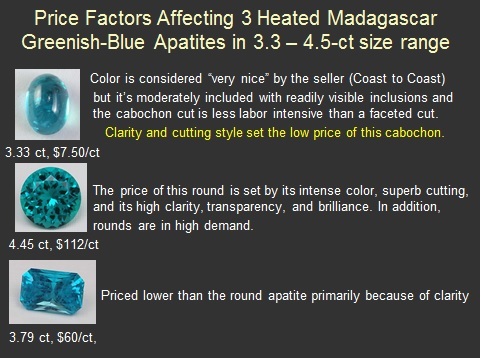
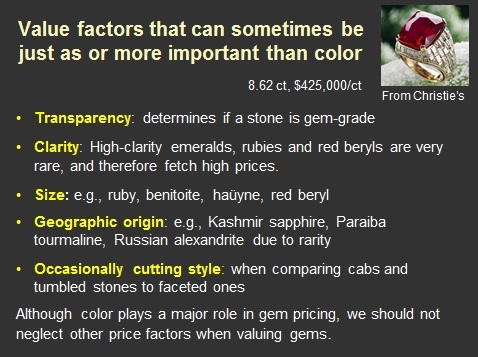
3 – Transparency and other factors are often more important than color in determining rare gem pricing, although color and cut matter as well.

4C’s of Color, Clarity, Cut & Carat Weight are not just for diamonds. Just as the 4C’s make diamond grading easy for consumers and sellers, gem traders have kept the concept of the 4 C’s for gemstones. It is important that clarity and transparency are not lumped together as one category, since both transparency and clarity in non-traditional gemstones have separate price factors.

Clarity is the degree to which a stone is free from cracks, blemishes & inclusions (under 10X magnification, 2.5X, or the unaided eye).

Transparency is the degree to which light can pass through the stone without being interrupted by fine particles, so is the stone clear, hazy, translucent or opaque.   Clarity & transparency both impact the price, but whether it benefits or hurts the price is dependent on the gem species. Generally, low transparency can reduce the price from several hundred or thousand dollars per carat to less than $10 per carat.

Transparency

PriceValueThe introduction of many new gemstones to the market has emphasized the importance of transparency as a separate value factor because many of these gems can be transparent, translucent or semi-opaque. The National Association of Jewelry Appraisers recommends that Transparency be indicated on appraisals to ensure clients can get comparable replacement gems if lost or stolen, not stones of lesser transparency and value.

Ms. Newman concluded her lecture with Rare Gems having Wholesale Prices as much as $5,000 per carat or More. Along with an important warning: Rare gem prices can change overnight depending on mine closures, new finds and new demand for the gems, so the pricing of rare gemstones can be even more volatile than that of traditional colored gems.

The attendees appreciated Ms. Newman’s sharing of information and pictures. There were several questions at the end of her talk which she readily answered. Renee also signed the many books she had available for sale, donating a portion to the DCGIA Chapter!

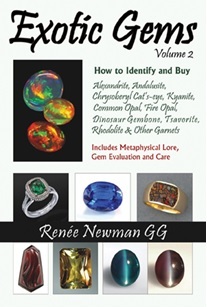
Rare GemstonesExotic Gems Volume 2

Diamond Handbook

Pocket Guide

 All of Renee’s books are available on-line at  www.reneenewman.com

Summary by: Charles Marts

Member Photos by: Melanie Marts

Copies of Slides provided by Renee Newman

Posted in Meeting Archives | Tagged , , , , , , , , , , , , , , , , , | 1 Comment

Diamonds & Color: Everything You Ever wanted to know! – Richard Drucker

Richard DruckerRichard Drucker, publisher of The Guide, joined a full house of DCGIA members for an entertaining and visually  rich presentation on September 24th. Richard addressed a myriad of topics that ranged from current economic trends to fancy colored diamonds, treatments and their respective effect on pricing, If you couldn’t join us for the lecture, you missed a six part lecture compressed into 2 hours.
DCGIA Attendees

What’s Going On in the Industry – The US economy, with less buying power in the middle class, continues to place downward pressure on jewelry sales. Since 2009 7% of Americans saw an increase of 27% in income, while 93% saw a 4% decrease in their income. While the US economy may be steadily improving, it is not enough. Record highs in the stock market, while helping retirement accounts, has little affect on day to day disposable income.

The steady rise of precious metal prices has resulted in alternant metals being used and developed for jewelry manufacturing. Past influence of China and India driving prices up, has slowed as both economies are in a downward cycle.

By this time, everyone in the industry should be aware of the Burma embargo on jade and rubies having been extended, making the trade in Burma jade & rubies illegal.

Mean while, naming glass-filled rubies “composite rubies” does not make them any less junk stones. Complete disclosure is important to maintain consumer confidence in the jewelry industry.

Tanzanite One promotes tanzanite trying to boost prices, and has announced an online retail gemstone and jewelry boutique. Opened in August 2013, the store offers consumers worldwide the ability to buy direct from the mine itself. We will have to monitor this to see if it does increase value over time.

Beneficiation is a key topic of conversation in the industry, focused on both viability and how beneficiation in the local cutting centers would affect the traditional cutting centers. In its simplest explanation, beneficiation stops exports of rough material, implementing cutting and polishing in the local producing countries to add value to the diamonds or gemstones mined in that country. It is already in play in some African countries, Botswana, Namibia, Ethiopia, and South Africa. Time will tell, but it is expected that this will force prices of diamonds and colored gemstones higher.

Bringing Diamonds into the Investment World – Gem Shares LLC is bringing the diamond industry to the investment world as a tool to obtain exposure to the last untamed commodity??? We will have to see how this plays out.

Diamonds as an investment? Nobody can predict which way diamond prices will go. Which diamond provides the best investment? None of them, as you can not guarantee future value. The only real question to ask is which one is the most beautiful or pleasing to the eye.

Marketing Strengths – Fancy Colored Diamonds Fancy Colored Diamonds are in a class alone as they are both rare (less than 2% of diamonds are Fancy Colored) and in recent years, prices for top-quality colored diamonds have increased rapidly, driven by collector demand and limited supply.

Fancy Colored Diamonds draw record prices: Christie’s International, New York, April 16, 2013. The ‘Princie’ Diamond – A 34.65-carat Fancy Intense pink cushion-shaped diamond. Sale price: US$1.9 million per carat.

Diamond Grading – Diamonds are generally evaluated by a diamond color scale that was developed by GIA. The Color Grading Scale starts with the letter D and ends at Z. D colored diamonds have the least amount of color and Z colored diamonds have the most color in the range of D-Z. Beyond Z color, diamonds are graded as Fancy Color with a separate set of parameters.
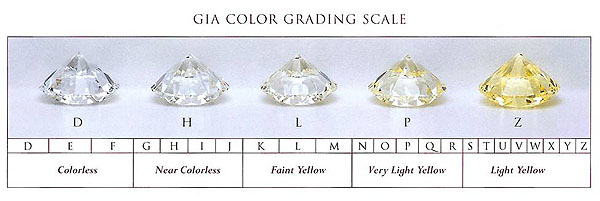
Gia Color Grading Scale

Fancy Color begins past the grade Z in the GIA color grading scale.  While colorless, near colorless, faint and light diamond colors are graded from the face-down position. Laboratories assess fancy color diamonds from the face-up view of the diamond.

Evaluation of Fancy Colored Diamonds is based on the hue, tone, and saturation of each diamond – Clarity in Fancy Diamonds is not as important to value as the color!

Hue – A diamond’s overall body color  Tone – A diamond’s lightness or darkness in relation to body color  Saturation – The intensity or degree of color, modifying colors are also assessed, as they impact the overall hue of the fancy color.

For example, a yellow diamond may have a green modifier, and will subsequently be graded as “Fancy Greenish Yellow.” A blue diamond may have a grey modifier color, and will be graded as “Fancy Greyish Blue” and so on. Some modifier colors decrease the over all value (brown) while other colors will increase the value (pink).

Fancy color diamonds are graded using the following terms:                                              Faint – Very Light – Light – Fancy Light – Fancy – Fancy Intense –       Fancy Dark – Fancy Deep & Fancy Vivid

Value Ranking of Fancy Colored Diamonds: RED (highest value and rarest color)  – PinkPurpleBlueGreenOrangeYellowBrown (marketed as Champaign, brought these affordable fancy diamonds to the consumer) – Grey & finally with the lowest value White (not colorless, they look like milk. usually opaque not often translucent).

The Gem Guide has a section on fancy colored diamonds, although Blue has been removed since rarity and wild price fluctuations make it almost impossible to track.

Richard Drucker ended the riveting evening with discussions of diamond treatments: laser drilled, HTHP, Clarity enhanced coatings, irradiation treated and synthetic diamonds. As well as discussion of Origin Report, variations is valuations from differing labs and the use of the internet for comparable pricing.

Richard urged appraisers and jewelers to fully disclose any treatment to clients. Richard also proposed that we shouldn’t be afraid to say “I don’t know” and have the diamond sent to a laboratory for testing where necessary. Use common sense, because simply asking a client, “How much did you pay?” can also provide a wealth of information about possible treatment. If it was sold well under expected value there is a reason.

World of Gems Conference – Save the date for World of Gems Conference IV to be held on September 20-21, 2014. More information and signup will be available soon at World of Gems Conference IV. New in 2014 will be the opportunity to stay an additional two days (September 22-23) for the National Association of Jewelry Appraisers Mid-Year Conference to be held following ours in the same location

Summary & DCGIA Member Photos by Charles Marts

Photos from slides provided by Richard Drucker

GIA Diamond Color Scale by GIA

Posted in Meeting Archives | Tagged , , , | Leave a comment

Gems & Jewelry their Hidden Meaning – Denise Nelson

Denise NelsonOn Wednesday August 21, 2013, Denise Nelson was insightful and informative in her sharing a topic close to her heart. She loves museums and never travels without visiting the local museums. The curiosity of man can easily be filled in a museum, there is something in every museum for the scientist, lover, jeweler, gemologist and geologist.

When it comes to symbols & messages, look at gems & jewelry for what it is telling you. There is much more than just what you see. There are hidden messages which can be seen when you look close enough.

Earth’s Treasures – GOLD, it glitters, it is malleable, and it tells a story about who has it. An indication of wealth and property of the owner, coins were often used in jewelry,  since in Europe gold has always been held as a hedge against  inflation, government and border changes.

Painters over the ages have also used gold leaf in paintings often to show hallows around saints. Gold is associated with the Gods in many cultures. In Christianity, it symbolizes God’s color and divinity. Gold is used in many celebrations and holy days. In Buddhism, the golden color has a prestigious association. The statues of Buddha are often painted in gold. In Egyptian culture, this color is extensively used in pyramids and hieroglyphs. In the Chinese new year celebrations, gold color is used for all decorations along with red, as red stands for luck and gold defines prosperity and wealth.

Colors and their Meaning – Many colors especially as seen on jewelry depict specific thoughts which are often regional, and so may be misinterpreted by people.

Red a strong color that conjures up a range of seemingly conflicting emotions from passionate love to violence and warfare. RED Life vibrancy love was first given as engagement rings as a token of engagement. In India, China and Nepal, brides wear red traditionally, as it brings good luck. A red ‘kimono’ in Japan defines good luck and happiness. It stands for sacrifice, love, and passion in Christianity. South Africans use red as the color for mourning. In Celtic culture, red stands for afterlife and death.

Orange color of earth worn by Buddhist monks purity & simplicity. It denotes energy, warmth, and the sun. Orange can be found in nature in the changing leaves of fall, the setting sun, and the skin and meat of citrus fruit. It represents the changing seasons.

Yellow color of jealousy. Few gemstones are found in yellow. On the one hand it denotes happiness and joy but on the other hand yellow is the color of cowardice and deceit. Yellow is for mourning in Egypt and actors of the Middle Ages wore yellow to signify the dead. Yet yellow has also represented courage (Japan), merchants (India), and peace.

Purple is warm and cool, fitting for kings, priests, and ladies. Purple is royalty. A mysterious color, it is associated with both nobility and spirituality. colors send a message during the suffrage movement used purple & green gemstones in jewelry to identify other members of the movement. Like school rings it provided immediate recognition and the linking of people during that time.

Blue conveys importance and confidence without being somber or sinister, hence the power suit of the corporate world and the uniforms of many police officers. Blue sapphires favorite of royalty and most sold gem in jewelry stores today. In many diverse cultures blue is significant in religious beliefs, brings peace, or is believed to keep the bad spirits away.

White not colorless but full of all colors. Distinctly unique brings the thought of Purity, virtue, cleanliness, innocence and birth. White goes well with almost any color as it is a combination of all colors that make up the spectrum. It balances other colors fairly, and portrays the sense of being complete. It represents openness, truth, kindness, healing, and positivity. White is considered to be a sad color in most Eastern cultures. In India and China, it is related to mourning and death. In most Western countries white is the color for brides. In Western countries, white color defines a virgin. Brides often wear a white wedding gown, for good luck. White color also represents angels. White represents the Madonna in Christianity. The bible describes white as the color of light and the divine. In Greece, white clothing was worn to bed during ancient times. It was believed that this color gave happy and pleasant dreams.

Magic and Superstitions – Early on people believed as the Egyptians that you could take everything in your grave with you to the other side. Thankfully this was the case as much of what we know is from artifacts found in graves.

Chinese believe in guardians so entrances were protected by dogs or dragons

Why are we drawn or repulsed by some gemstones? Get the story and Write it down because it adds value to any piece.

Historians point to the 1829 Sir Walter Scott novel, Anne of Geierstein, which created a Bad reputation for OPAL as it was linked to bad things that happened in the story. This alone caused Opal prices to drop 50% during this time. Even today there are people who are uncomfortable with opals.

Amulets – Astrological Symbols of Faith – Animal Fetishes – Lucky Charms Zodiac – Birthstones – Crosses – Infinite swirls or circles – Animal fetishes used as offerings & lucky charms – Lucky clover – the #13 is lucky in Europe

Denise provided insight into the following topics as well, too many to fully disclose here!

Politics – Borders & Technology – Centuries of Enchantment – Heirlooms – Inspiration from the past

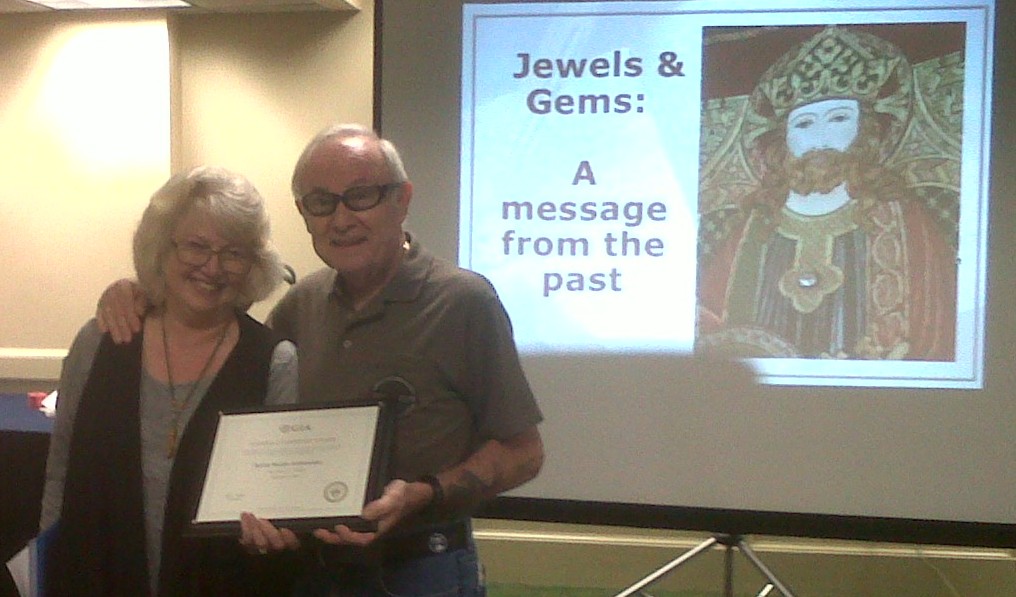
Ambassador DeniseThe DCGIA Chapter wishes to thank Denise for sharing her knowledge with us and being our Chapter Ambassador to GIA.


Meeting Summary: Charlie Marts

Picture Slides provided by: Denise Nelson

Posted in Meeting Archives | Tagged , , | 1 Comment

New Directions – Michael Dyber

DCGIA had the pleasure of hearing from Gem Designer Michael Dyber in July. Michael’s work is known for it’s innovative style, and mastery of optical illusion. Each of his gems, are faceted and carved by hand.

Michael shared his work and the continuing evolution of his artistic career. Visit his web-site: http://www.dyber.net/ to see his fantastic work!

Infinite Design – Mike Dyber catalog of carved gemstones.

Nicholle Mogavero has written an indepth two part blog on the July DCGIA meeting with Michael Dyber on her website at: http://www.jewelrynerd.org.

Nicholle starts by saying:

“If you like unique gems, you’ll really like Michael Dyber.
He’s been breaking all the bounds when it comes to gem cutting.
Take everything you have ever seen with a traditional faceted gem
and throw it all out. Now you are ready to experience what gemstone
carving has never been, but should always be from now on!”

If you missed the meeting this is definitely a must read….here is the link to Nicholle’s blog.

http://www.jewelrynerd.org/rock-star-part-1

http://www.jewelrynerd.org/rock-star-part-2

The 2013 Bob Davis Scholarship Winners were randomly selected at the July meeting. Congratulations go to Bobby Mann & Melanie Marts, who each won a $500 Scholarship for use towards any Gemological Related Education Expense, class, seminar, travel, equipment or books.

The next Bob Davis Scholarship selection will be held in July 2014!

Pictures by Melanie Marts G.G. (GIA)
Summary & Jewelry Nerd Blog by Nicholle Mogavero

Posted in Meeting Archives | Tagged , , , , | Leave a comment

Fabergé – Brenda Forman

BrendaBrenda Forman enlightened the DCGIA Chapter with the history of Fabergé from the period of 1890 to 1918. The story of Fabergé was linked to the lives, loves and tragedy of the last Romanov Tsar Nicholas II and his Empress Alexandra, and to the Russian Revolution which changed the course of world history. Peter Carl Fabergé became jeweler and goldsmith to the Russian Imperial Court.

Fabergé  created exquisite jewels and objects d’art, including the legendary Imperial Easter Eggs, lavishly created for the Russian Imperial family, between 1885 and 1916. Regarded as the greatest and most enduring achievement as well as the most celebrated and awe-inspiring of all Fabergé works of art.Brenda FormanEach egg was an exceptional artistic achievement which took a year or more to make. Creation involved a team of highly skilled craftsmen, who worked in the greatest secrecy. Fabergé was given complete freedom in the design and execution, the egg was the glorified case which held the real gift, a surprise within. Fabergé drew on family ties, events in Imperial Court life, or the milestones and achievements of the Romanov dynasty. The theme of the Easter eggs changed each year, but the element of surprise within, remained a constant.

BrendaThe surprises ranged from a perfect miniature replica of the Coronation carriage, a mechanical swan, an ivory elephant, a heart-shaped frame on an easel with 11 miniature portraits of members of the Imperial family, miniature of the Trans-Siberian Locomotive,  miniature of the Imperial Russian Navy Cruiser Pamiat Azova, as well as many others.

Of the 50 eggs Fabergé made for the Imperial family from 1885 through to 1916, 42 have survived, but often the surprise within has been lost to history.

Fauxbergé – Fake or Real?

Imitation is the sincerest form of flattery.

Fauxberge

No matter how good it looks, if there’s more than one of it, it’s a fake!

Members

Summary by Charles Marts

Photos by Melanie Marts GG, (GIA)

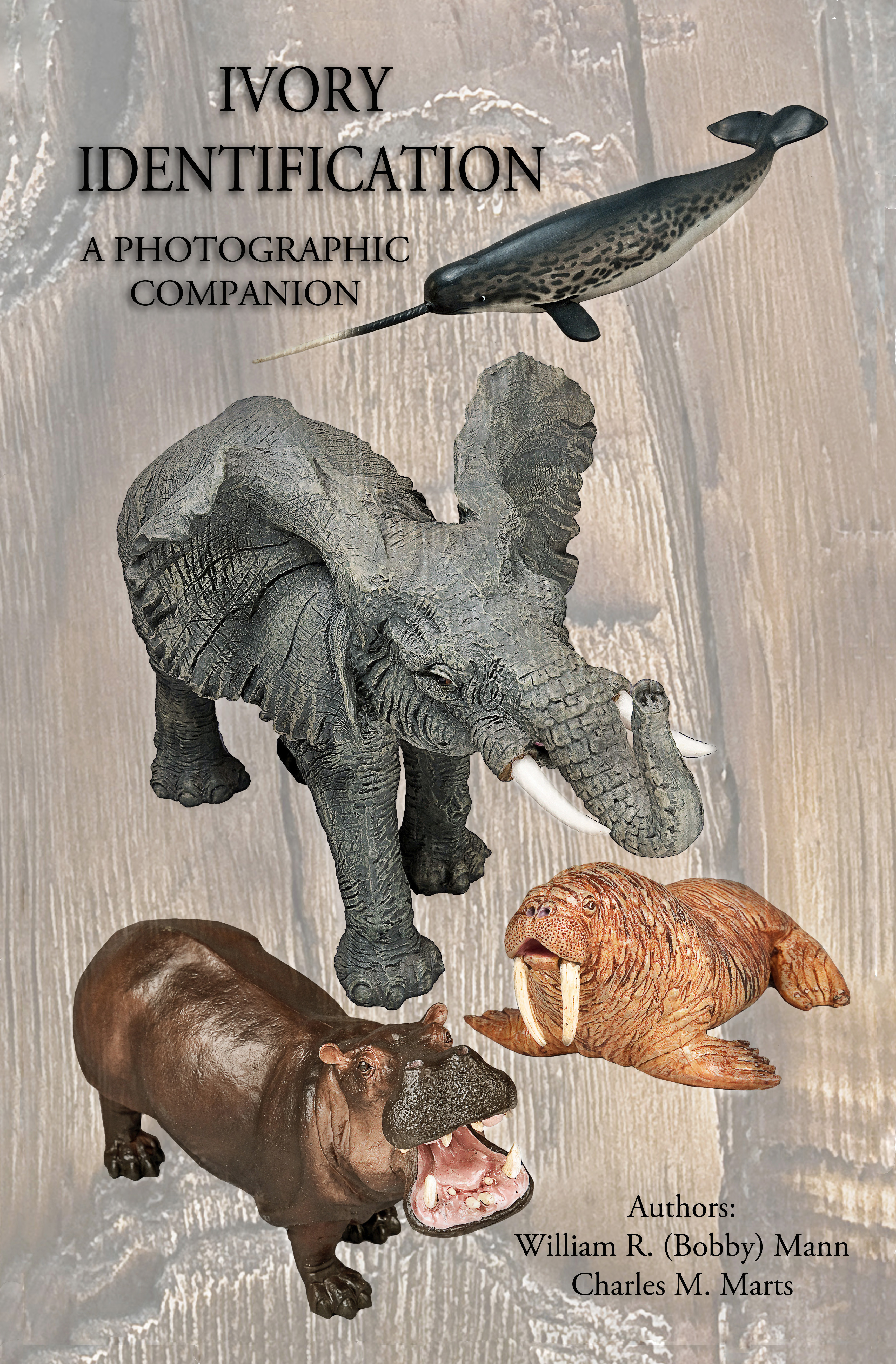
You can find Bobby Mann’s second book: Ivory Identification – A Photographic Companion at http://www.amazon.com : Search for Ivory Identification Companion.

Ivory Identification

Ivory Identification: A Photographic Companion

Posted in Meeting Archives | Tagged , , | Leave a comment

Jade – The Good, the Bad & The Ugly – Don Kay

DonThe DC GIA Chapter spent an enticing evening with Mr. Don Kay, who gave us insights on appraising Jadeite Jade.

Mr. Kay let us know that quality jadeite comes from numerous locations around the world. Burma having the finest jadeite, although some comes from Guatemala and Siberia—but the quality is different.

Burma jade is still a restricted export in the USA. On Nov. 16, 2012 the State and Treasury Departments lifted sanctions on a variety of products from  Burma — but left ruby and jade off that list. So the removal of sanctions did not include the existing prohibitions and restrictions on the importation of jadeite and rubies mined or extracted from Burma, and on articles of jewelry containing them. Hopefully, 2013 will find the prohibitions on jade lifted by the USA to match the EU which removed all such sanctions and restrictions early in 2012.

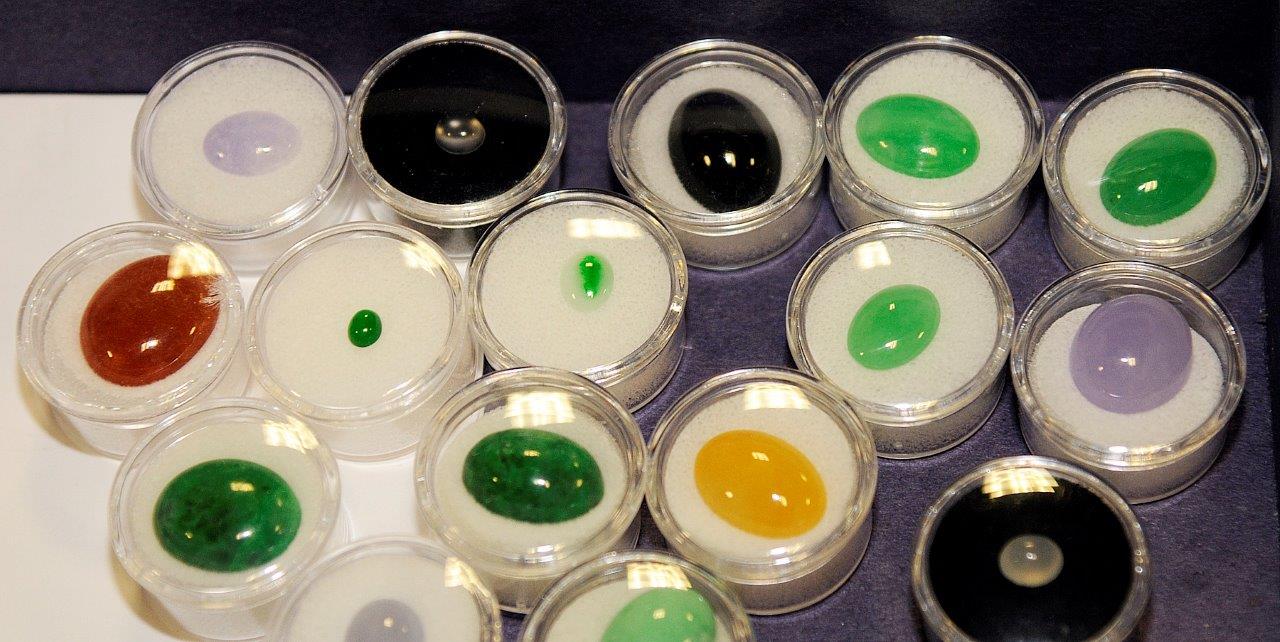
Jadeite’s quality is first determined by color, then texture. Green is the most important color, while the rarest is lavender. Red, yellow and ice jade are growing most rapidly in value. A smooth, even texture is most desirable. Black (yes, black jadeite) and gray jadeite value is approximately that of commercial quality green jadeite.

Jade

The finest material is dedicated to cabochons. The ideal proportions for a cabochon are 1x2x3 (depth, width, length), and preferably a double cabochon as well. An orange rind texture is typical for jadeite jade polished, though cutters are now able to achieve a mirror polish using diamond dust.

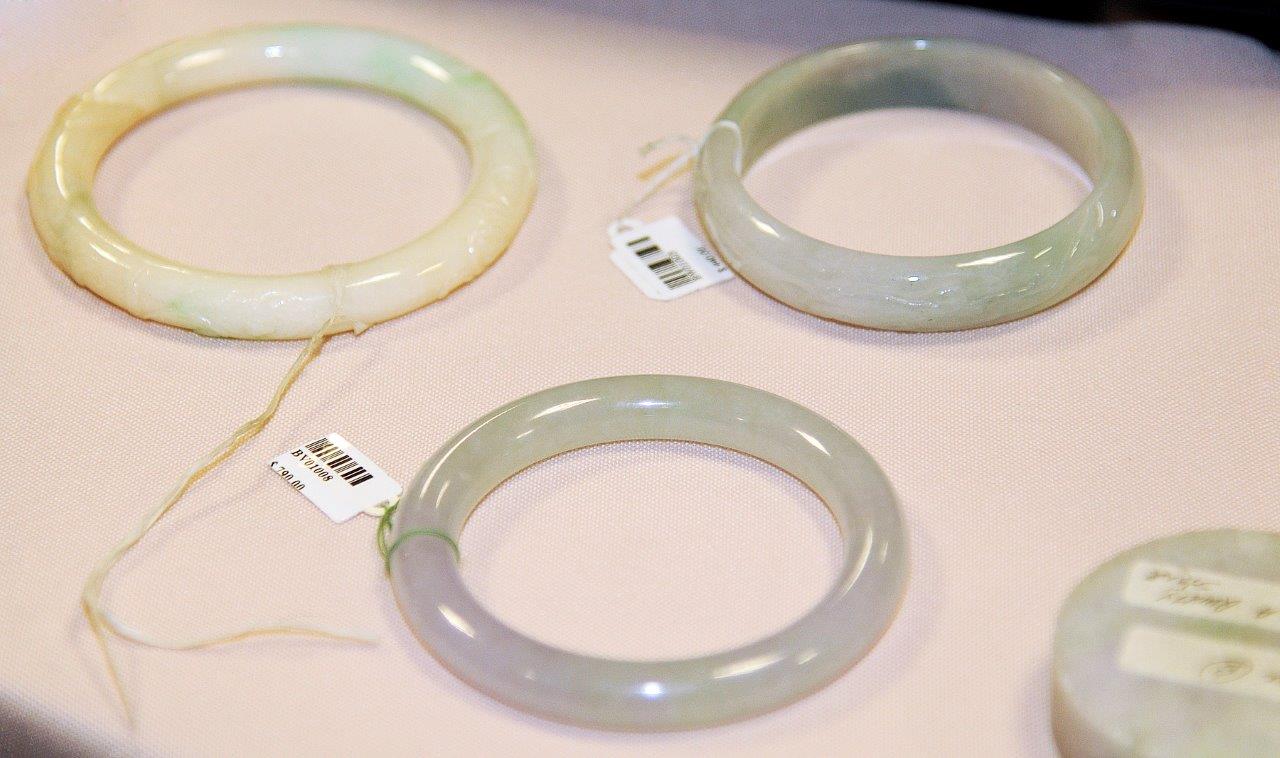
Beads, bangles and drops have a great waste factor, so their value goes up faster (beads typically have a 50% waste factor). Smooth trumps carved material in value in jadeite, and cracked cabochons have less value because they don’t sell.

Bangles

‘A’ Jade: Natural, untreated jadeite jade. Only beeswax is used to fill the stone’s microscopic surface pores – as has been done for centuries

‘B’ Jade: Acid-bleached, polymer-impregnated jadeite jade. Ultimately, even experts
cannot be certain by eye alone whether or not a piece is ‘A’ or ‘B’ jade. Polymers leave
a tell-tale trace in the infra-red spectrum. A machine called an infra-red spectrometer
can detect this trace quite clearly. Mason-Kay is currently the only commercial firm in
the United States equipped with its own infra-red spectrometer since 1995.

‘C’ Jade: Acid-bleached, polymer-impregnated, dyed jadeite jade – the dyed form of ‘B’ jade

Those of you who missed Don Kay’s lecture missed a wealth of information as well as gorgeous slides and a catalog on jadeite.

We should all keep in mind that Mason Kay is not only generous in sharing their knowledge on jadeite, but they are also purveyors of untreated jadeite and their lab is indispensable for testing jadeite for treatment and providing appraisals.

Raffle

In addition to a 50/50 Cash Raffle, two of Bobby Mann’s Ivory Identification – A Photographic Reference Guide were Raffled Off.

You can find Bobby’s first book on http://www.magcloud.com : Search for Ivory Identification.

book front coverYou can find Bobby’s second book: Ivory Identification – A Photographic Companion at http://www.amazon.com : Search for Ivory Identification Companion.

Photos by Melanie Marts, GG

Meeting Notes Submitted by Charlie Marts

Posted in Meeting Archives | Leave a comment

Gem Identification Workshop

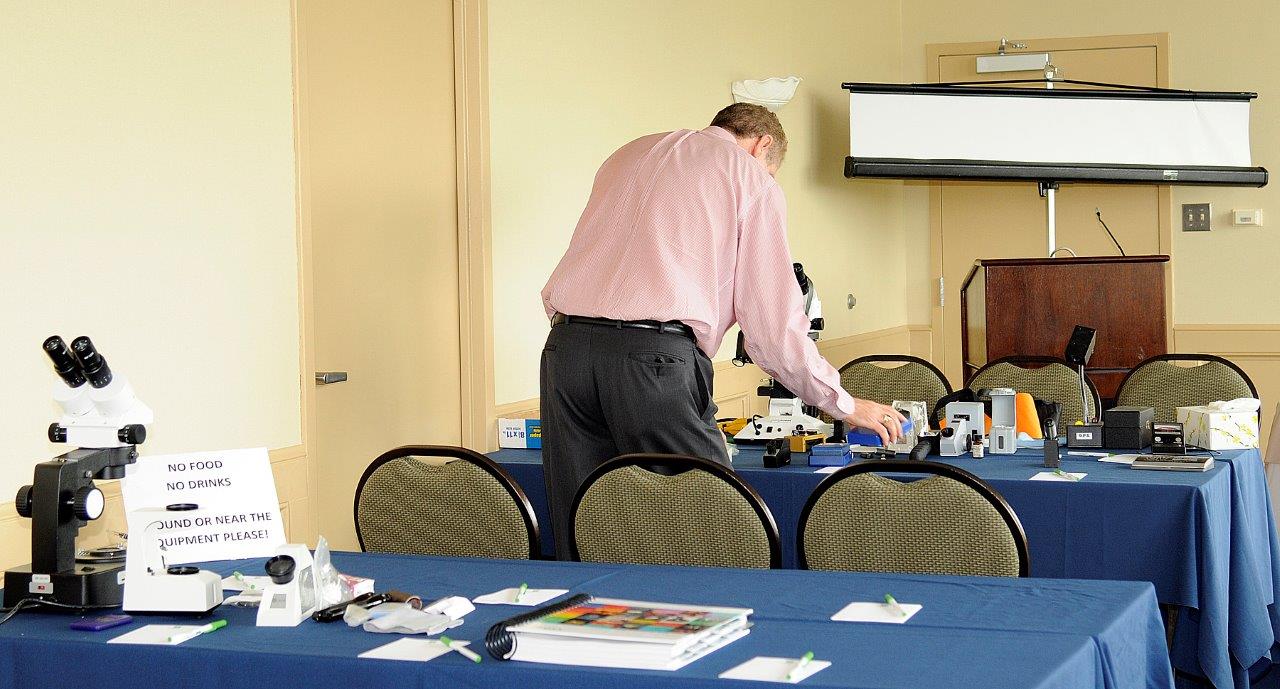
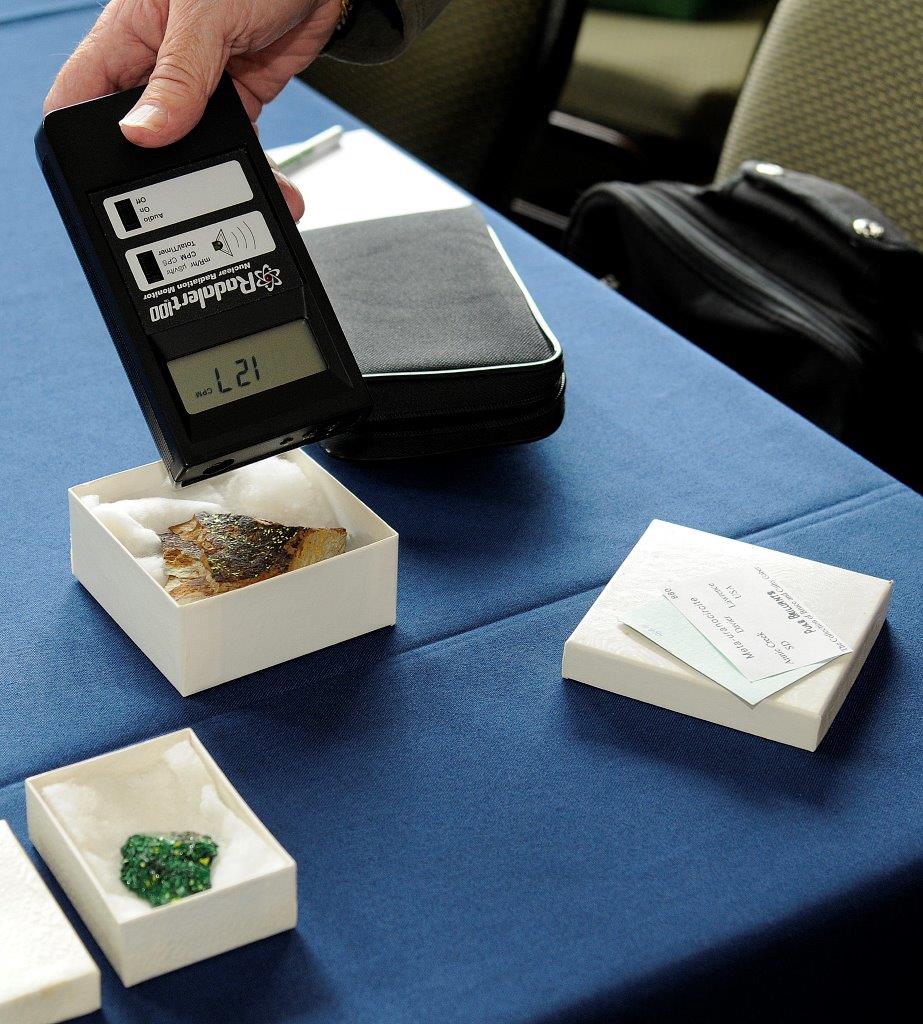
The first hands-on workshop was held to show how to use the various pieces of equipment used to Identify Gemstones.

Just a quick THANK YOU  to both the GGs & Students for supporting the chapter and our education efforts.

We know your time is precious and appreciate your willingness to participate with the chapter.

We know the GGs enjoyed their time and received a great opportunity to learn while working with the students.

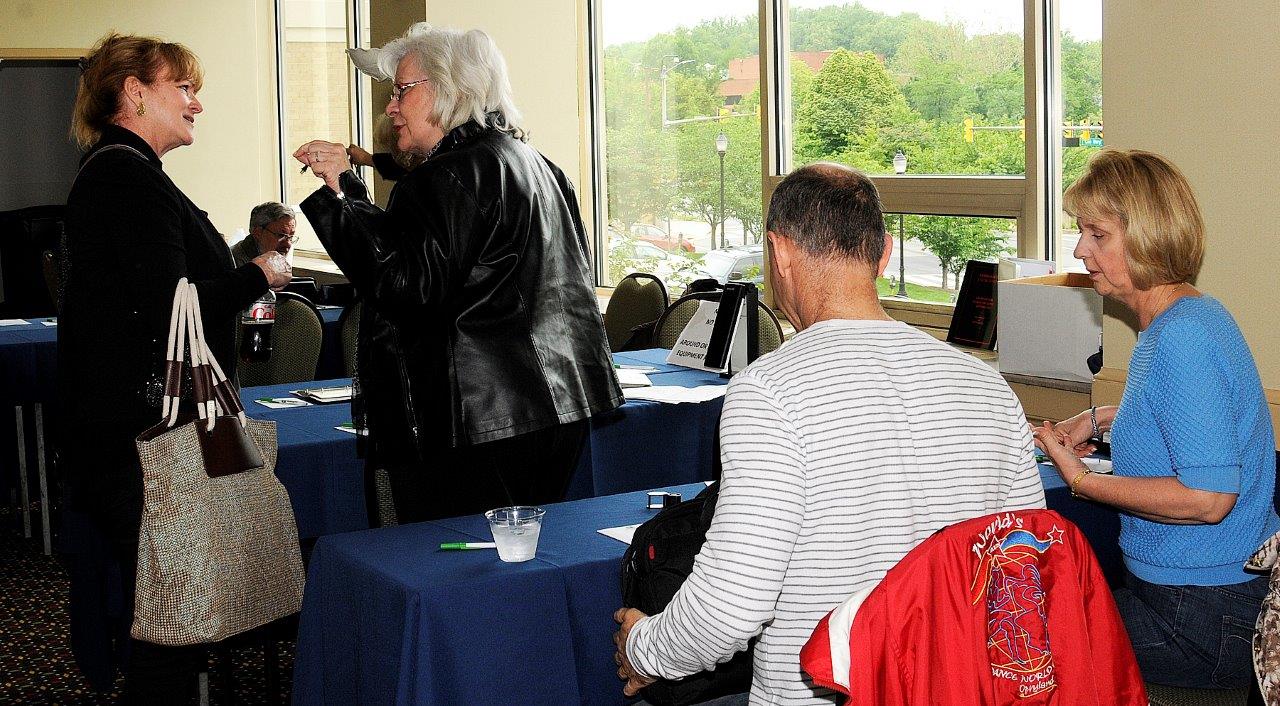
To accommodate the varying levels of knowledge we kept this workshop an Open Forum, rather than creating a strict structure. We hope to take the feedback from both students & GGs and create an even better experience next time!

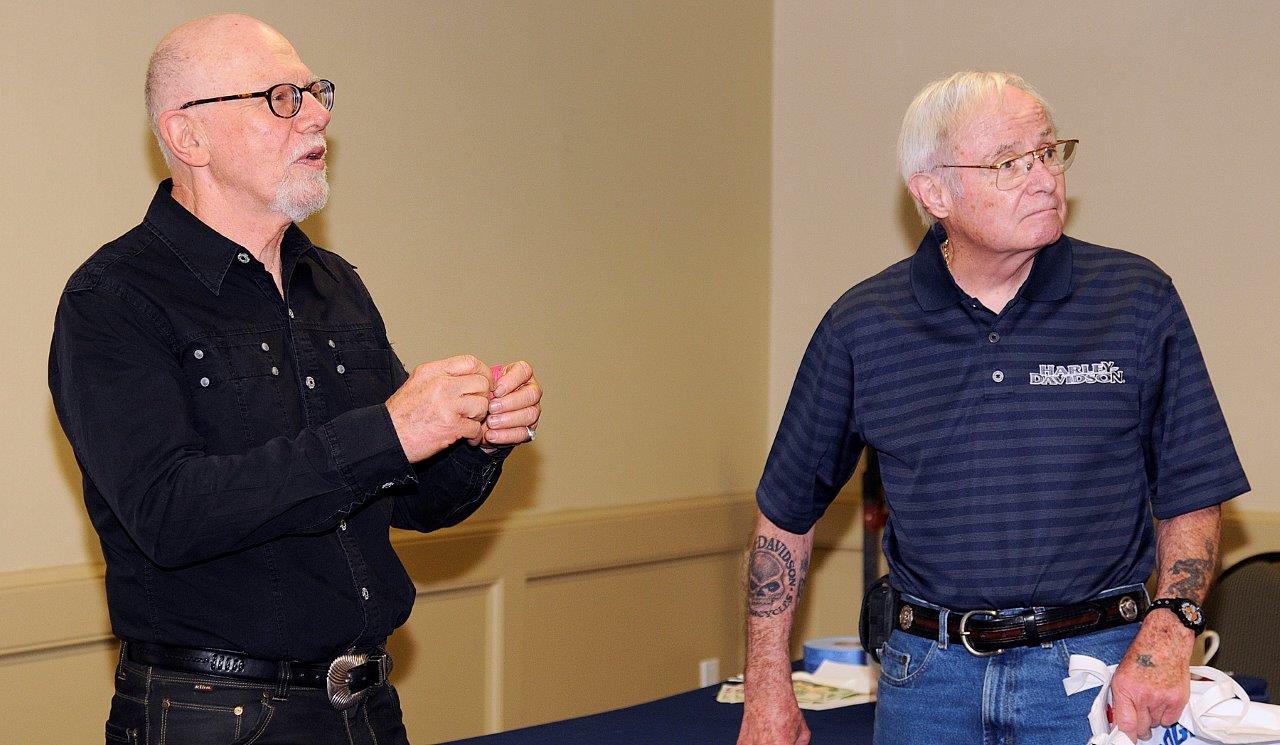
Special guest Gail Brett-Levine along with many of our resident DCGIA member GGs were on-hand to answer questions and demonstrate equipment.

Gail Brett-Levine; Martin Fuller; Tim Morgan; Bobby Mann; Theresa McGowan;          Lynn Karson; Allison Arrington; Denise Nelson; Dennis Nelson; Jeff Allinson;              Sharon Allinson; Tony Conway; Melanie Marts & Rosa Shearin

The GGs

The GGs

Microscope – PRIMARY TOOL FOR ANYONE INTERESTED IN GEMS.  

7

Spectroscope – a tool for examining which parts of white light are absorbed by a gemstone (as well as by other materials).                                                                  Refractometer – used to help identify gem materials by measuring their refractive index. Dichroscope – The dichroscope is an important pocket instrument used in the field of Geology and can be used to test transparent gemstones (crystals).                                   Chelsea Filters – used to rapidly distinguish between genuine Emeralds and the pastes and doublets which resemble them.                                                                                             10x Loupe – After the eye and the brain, the 10x Loupe is the instrument most used by gemologists.                                                                                                                          Polariscope – one of the most underestimated tools in gemology.                                   Conoscope – (a strain free acrylic or glass sphere on a rod) use to determine optic character (uniaxial or biaxial) in anisotropic gemstones.

6 2 3


45


Some of the participant responses:

Frank and I very much enjoyed the event and apreciate the GG’s trouble  to bring in their equipment. I am such a beginner, that I need one on one with a GG comparing, say agate to jasper, looking for signs of dyeing, inclusions, learning which stones have inclusions that are expected and which are detrimental to the quality of the stone. Frank and I would indeed participate again.

Best, Marilyn Naylor
I’m a new member with your group
I think you should all do this 4-Times a Year so that it is a full afternoon meeting and then encourage everyone to stay and have Supper/Dinner together at the restaurant afterwards I also think you should make sure to put in your News Letter asking and encouraging everyone to bring their equipment, power-strips and extension cords as well.
Would like to see if we could get a bigger room with more tables if possible.

Make the Hands-On Class both for Students and for Advanced Gemologists both.
This way it is something for everyone.

You might also think about doing more all afternoon meetings for Special Speakers who have stuff to show & Tell and Teach Longer Classes instead of a 1 ½ hour evening program. I was very pleased and Happy with the meeting/class. Had lots of fun sharing and learning. Meeting old friends and making new friends.

La Shawn Bauer, G, G, GG, ASG/AGA, CGL/AGA, CDG/IJO, CGL/IJO, RMV, CM/NAJA
High Sierra Gem Lab, LLC.

Hi there,
Glad to help out again if I am in town. I thought it went very well. Everyone seemed to get something out of it.
I suggest nest time we rotate people through each table so everyone gets to see the various tools available in depth. That way Gail could have explained her color system; Tim could have explained how the Hodgkins specific gravity set is helpful;… etc…

Group students/attendees into sets of no more than three, and that way for an hour or so they get to be taken through it all and then let them explore what steps they want to take to ID their stones on their own. Some of those who attended did not know how and where to start, so that would give them an introduction.

Denise Nelson
INNER CIRCLE


Posted in Meeting Archives | Leave a comment