IVORY IDENTIFICATION WORKSHOP – Bobby Mann

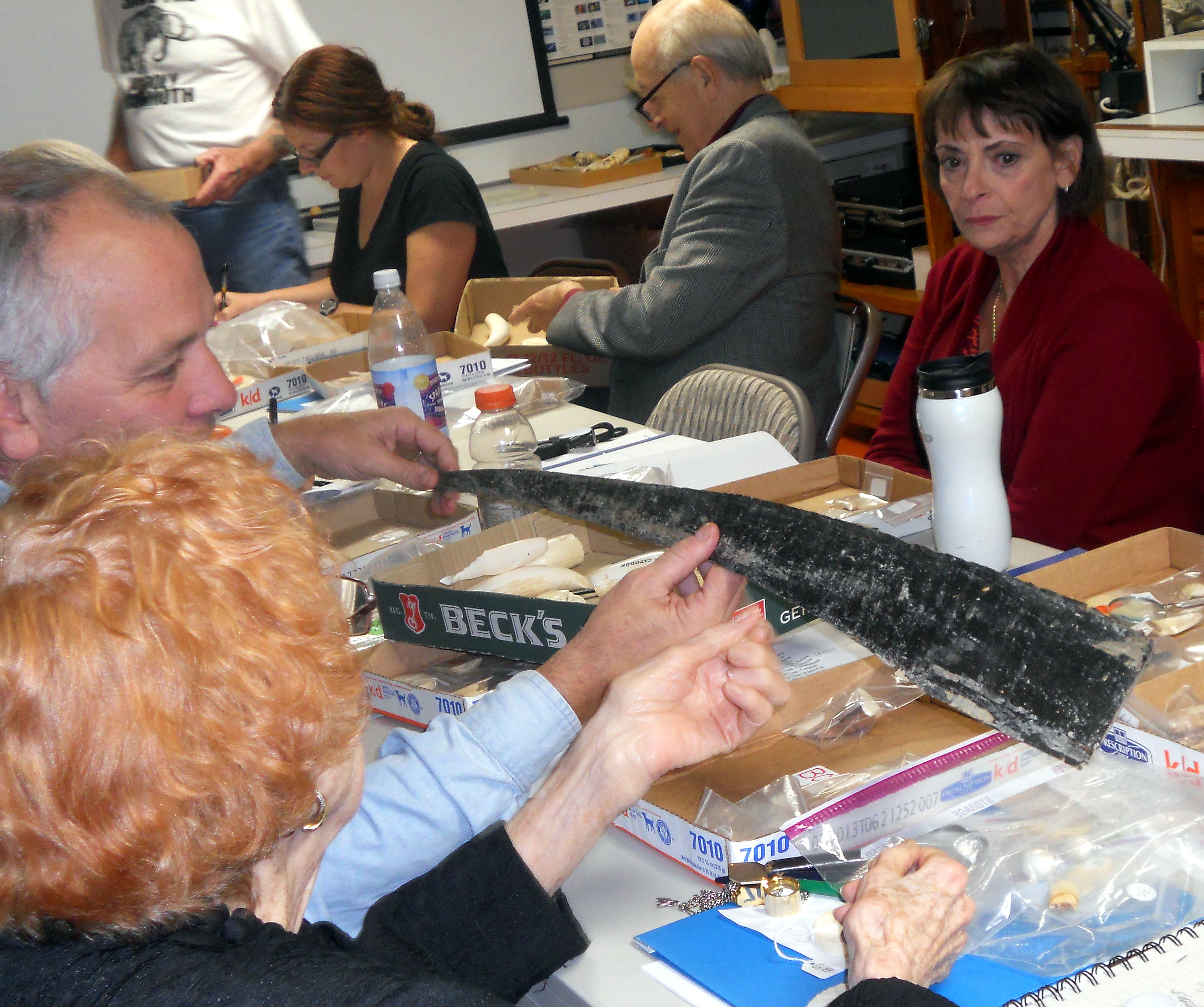
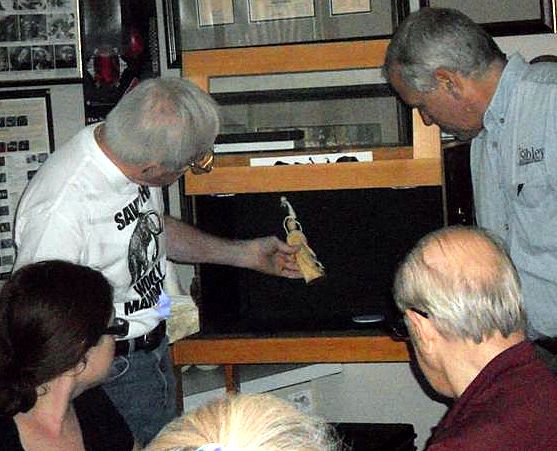
Bobby Mann with the center nerve from a Narwhal TuskWilliam R. Mann, a collector of unusual Ivories, provides a fact-filled 1-day Hands-ON workshop about natural Ivories.

His workshop about Ivory and Ivory substitutes reflects his great enthusiasm  and passion for Ivory and everything related to it.

As a co-founder of the International Ivory Society his knowledge and passion about the subject  is always on full display as his workshops are filled with numerous fun facts and anecdotes about the animal tusks. Bobby’s presentation includes a lecture, slide show and lots of samples passed around that detail Ivory Identification characteristics.

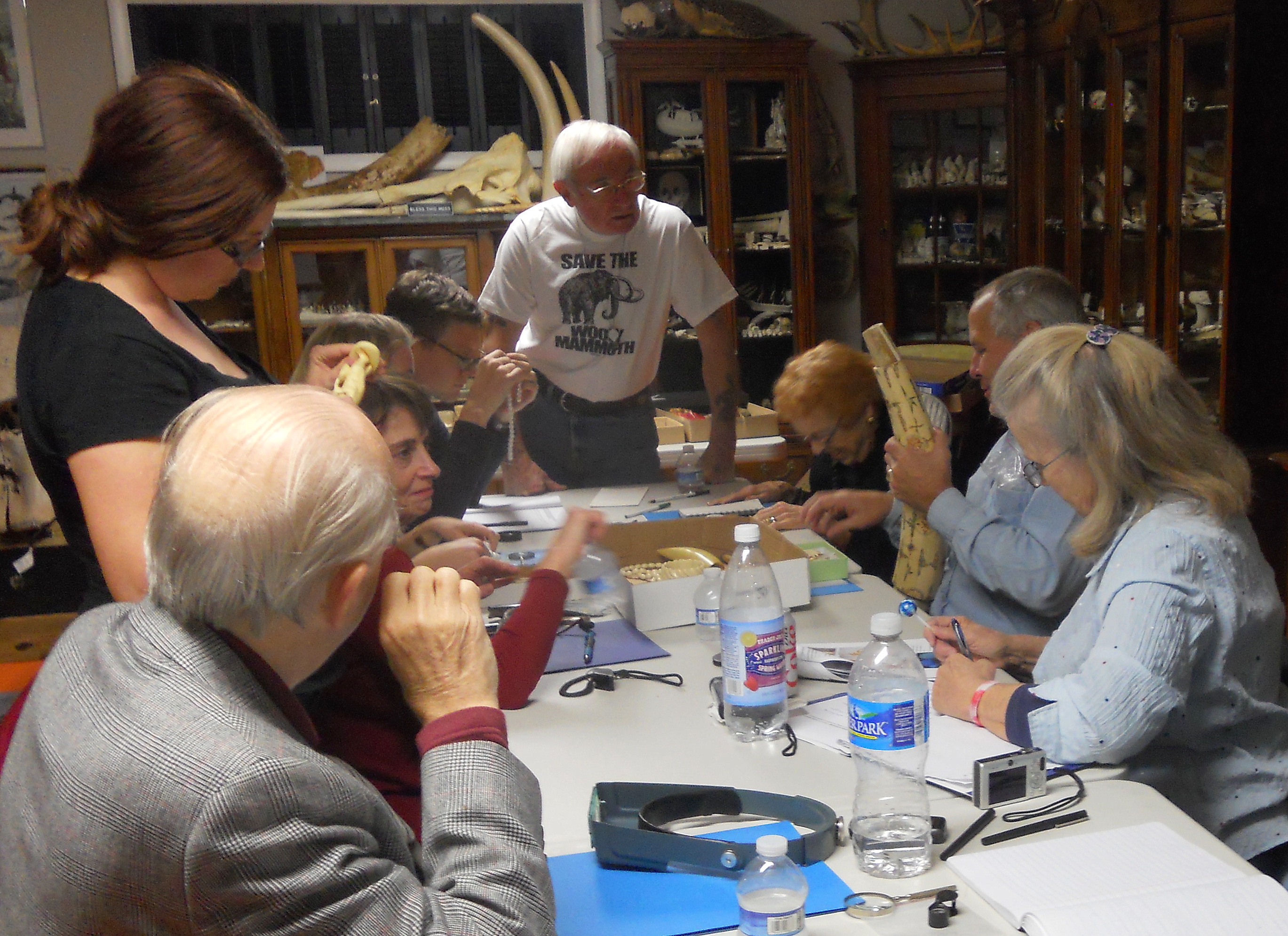
WorkshopGroup

Ivory ID Workshop Group

The workshop covers everything from Elephant to Boar tusks and shared various ways to identity look-alike ivories from the real ones.

Narwhal and Sperm Whale Teeth

Narwhal and Sperm Whale Teeth

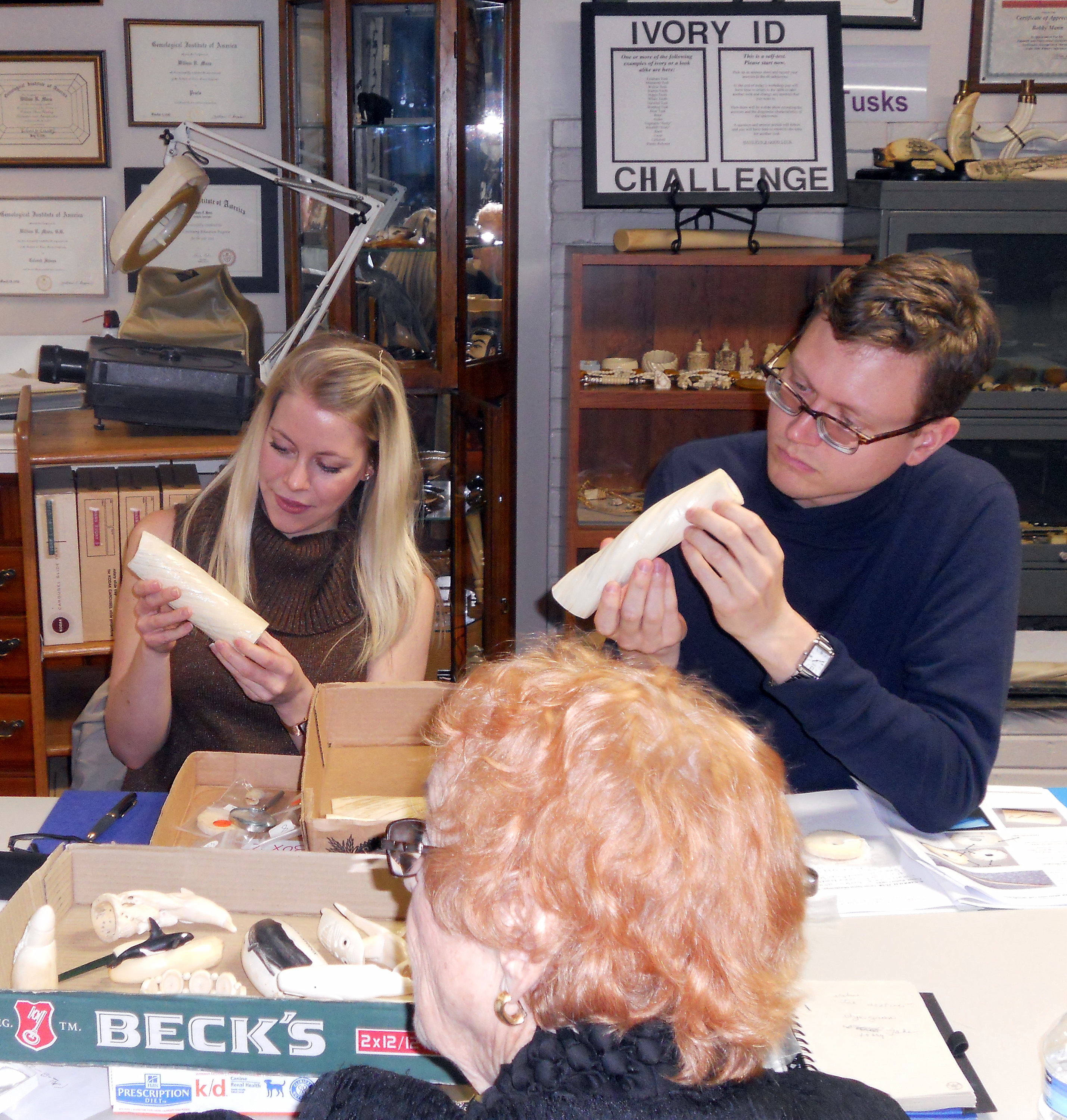
Along with instruction on how to separate look-alike from natural ivories, Bobby is also a master in identifying manufactured ivory substitutes. Using Ivory Identification Comparison kits along with  a brief slide presentation with a written guide, Bobby showed the diagnostic characteristics of the various selected natural ivories as well as natural and manufactured substitutes.

Workshop Whale Baleen

Workshop Whale Baleen

Students had an oppotunity to touch, feel and evaluate all the different types of ivories including natural Elephant Tusk, Mammoth Tusk, Walrus Tusk,  Hippopotamus Teeth, Sperm Whale Teeth, Narwhal Tusk, Wart Hog Tusk, and Boar Tusk, mixed with their
natural ivory substitutes – Bone, Antler, Vegetable Ivory, Hornbill Ivory, Shell, Coral, Meerschaum, displayed together with the manufactured ivory substitutes – such as celluloid and polymer-plastic.

Workshop Bone

Carved Bone over a wood tusk frame

Analyzing the ivory specimens under LWUV, and 10x magnification, the entire group of students were able to view all the specimens, ask questions and learn how to identify the different ivories.

Workshop LWUV

Workshop LWUV

Identifying all the ivories, natural substitutes and imitations was made easy with the imparted knowledge from Bobby’s wealth of knowledge.

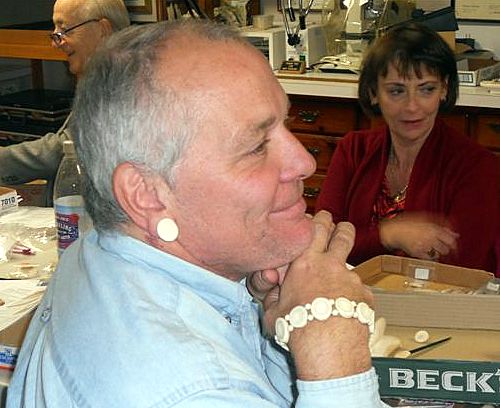
Hands-ON with Ears and Wrist optional

Hands-ON with Ears and Wrist optional

Stay Tuned for the release of a 20 Page Booklet “Ivory Identification a Photographic Reference Guide” being written and published by Booby Mann. Soon to be available!

This booklet is the first in 3 books Bobby is planning to release:
“Ivory Identification a Photographic Reference Guide” – 20 Page Reference Booklet
“Ivory Identification a Photographic Companion”  – 90 Page indepth book covering all his workshop information.
“The Complete Ivory Identification Book” – 300+ Page tome on evrything ivory and many fringe items from the same mammals.

Summary by Charlie Marts

Photos by Theresa McGowan

Posted in Meeting Archives | Tagged , , , , , , , , , , | Leave a comment

Name that Material – Bobby Mann

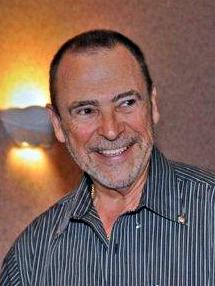
Bobby MannWilliam R. Mann “Bobby”, is a Graduate Gemologist, GG (GIA) (1982) and a Professional Gemologist, PG (Columbia School of Gemology (1983).

A collector of unusual Ivories, Bobby provided a fun-filled evening with 150 Mystery materials used in jewelry making.

The first hour of the meeting was used to demonstrate How to Use a Refractometer. Participants were given an opportunity to do Hands-On with different gemstones and the refractometer. Thanks go out to Lynne Karson for providing the refractometer.

How to Use a Refractometer

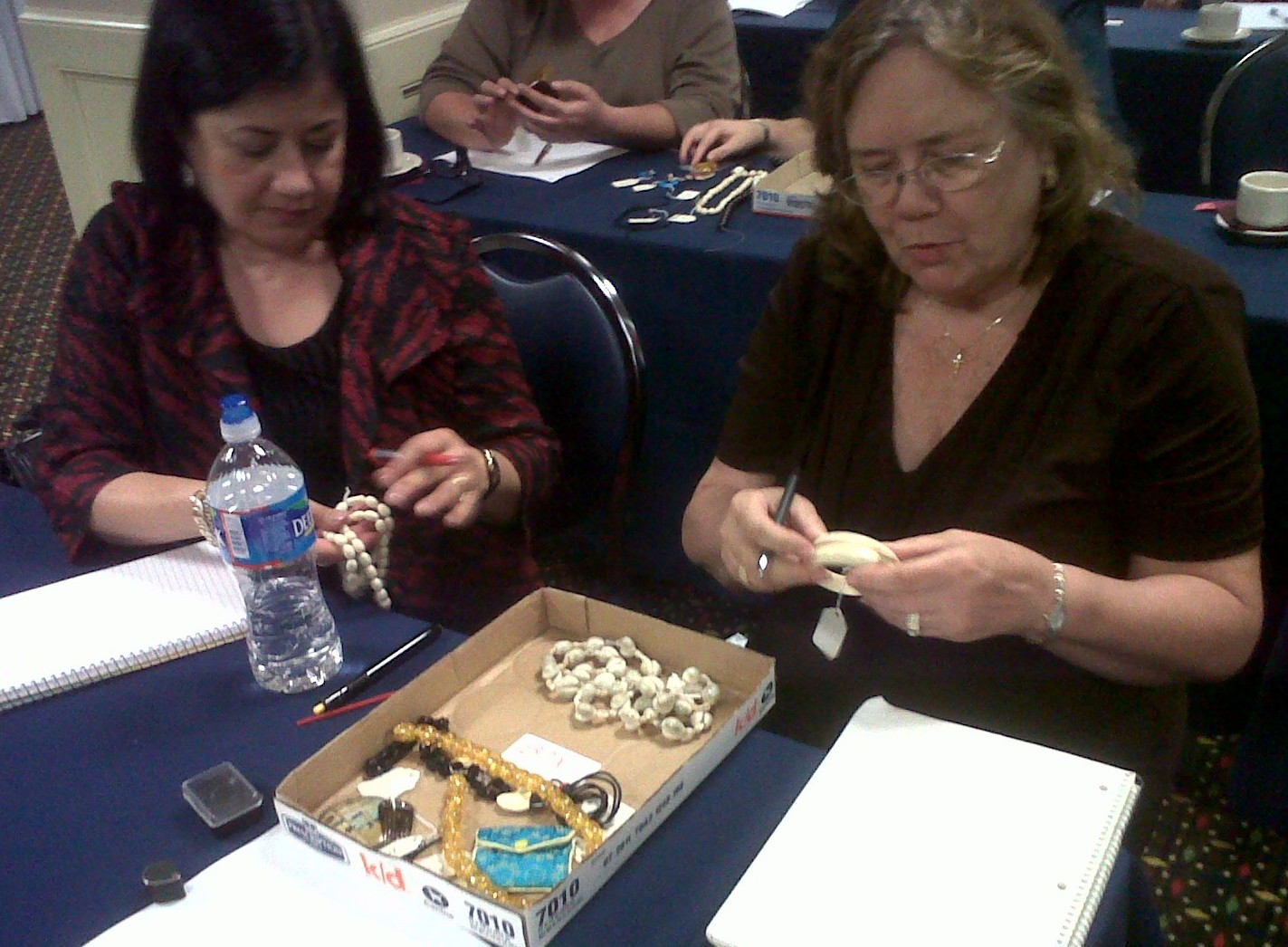
The many boxes of jewelry, carvings, combs, etc. with 150 Mystery materials used in jewelry making, provided the audience hands-on experience identifying the many different jewelry materials.

Mystery Material Box

Mystery Material Box

As a co-founder of the International Ivory Society his knowledge and passion about the
subject materials was on full display as his numerous fun facts and anecdotes about the
different materials used in jewelry.

Chapter members and guests had a chance to play detective using visual clues, loops, and
LWUV to evaluate and identify all the different materials. From different ivories including
natural Elephant Tusk, Mammoth Tusk, Walrus Tusk, Hippopotamus Teeth, Sperm Whale Teeth, Narwhal Tusk, Wart Hog Tusk, and Boar Tusk, mixed with their natural ivory substitutes – Bone, Antler, Vegetable Ivory, Hornbill Ivory, Shell, Coral, and Meerschaum. Together with Amber, Tortoise, Onyx, Camel Teeth, Shark Skin and manufactured ivory substitutes – such as celluloid and polymer-plastics.

Mistery Items Box 2 of 15

Mistery Items Box 2 of 15

Analyzing the specimens under 10x magnification, the entire audience was really tested when we all had to actually view all the specimens to try to identify the different types.
Identifying some of the materials was a real challenge for most of the audience, who had  fun doing it. 

Spending the evening with a true expert such as Bobby Mann was a great opportunity
for all the participants to learn even more about many of the unusual materials they will come across in the jewelry trade. All in all it was truly a fun-filled evening with lot of learning.

Stay Tuned for the release of a 20 Page Booklet : Ivory Identification – A Photographic Reference Guide being written and published by Booby Mann. This is the first in a series of larger books covering Ivory Identification.

Summary & Photos by Charlie Marts


Posted in Meeting Archives | Tagged , , | Leave a comment

The Jewels of Art Deco – Dr. Brenda Forman

Brenda FormanArt Deco – In love with Speed, Machines, Modernity, and Color!

Dr. Brenda Forman jewelry historian and Art Deco provocateur shared with us the sleek, sexy, highly stylized and modern jewelry movement known as “Art Deco”. Like a phoenix emerging from the ashes of World War 1, the style was characterized by sleek, streamlined forms, geometric patterns, and use of industrial materials such as metals (stainless steel, aluminum), plastics, and glass. It was jewelry about COLOR, the play of light on the piece was more important than the intrinsic value of the materials used.

This was not your grandmother’s jewelry, it was jewelry for daring spirits where women piled on multiple Art Deco bracelets. As Miss Piggy was fond of saying “Less is not More, MORE is MORE”.

From the Pre-Deco period, the Art Deco scene with the Exposition des Art Décoratifs in Paris in 1925, to the End of Art Deco, Brenda provided insights and interesting stories to keep our attention.

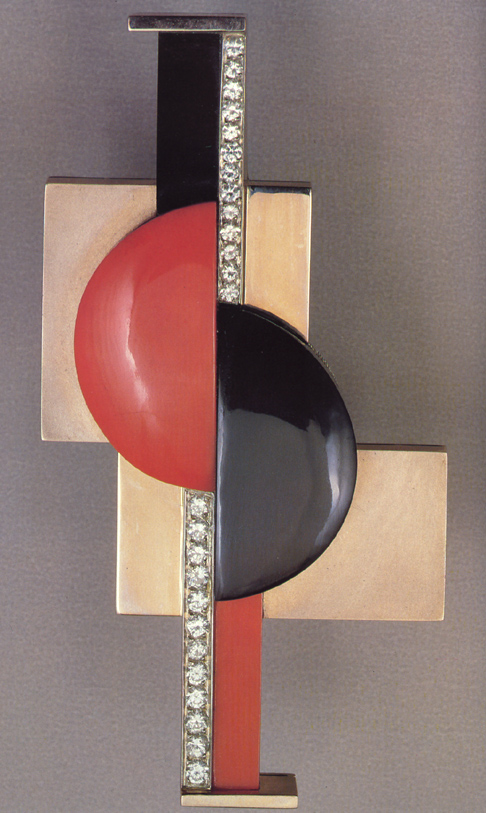
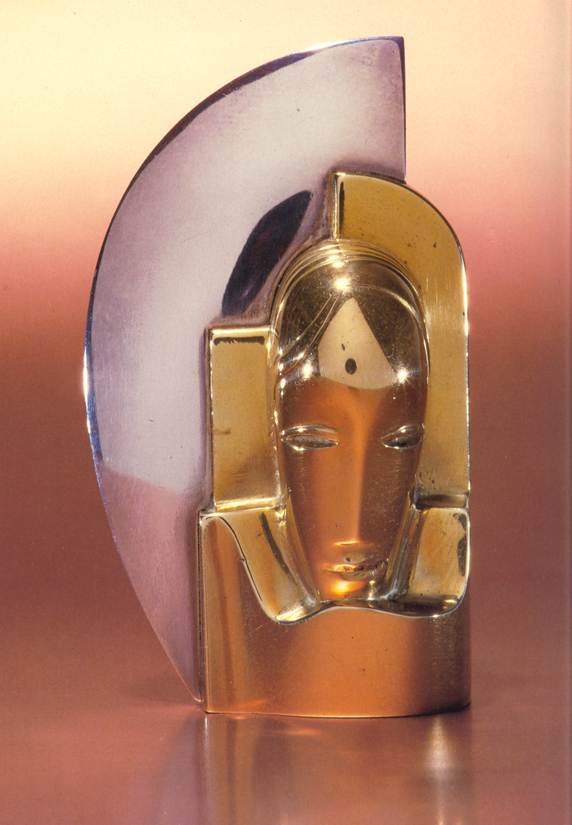
Semaphore brooch

High lighting four leaders of the Art Deco esthetic:

Gérard Sandoz came from a family of jewelers and designed geometric pieces for the Sandoz firm while he was still in his twenties. His output was significant within the realms of the Art Deco period.

Jean Fouquet, was the third of a great dynasty of French jewelers, he was the son of George Fouguet a famous Art Nouveau designer. Jean was one of the great artist-jewelers of the Art Deco movement. Jean designed for the family business ” Maison Fouquet”, and his designs were among the most audacious and innovative of the period, winning many awards.

Raymond Templier came from a family of Parisian jewelers. His designs were boldly geometric, and sported geometric stones with a scattering of diamonds against dark platinum fields. He was especially fond of precious white metals such as platinum and silver, and paired them with onyx and other dark stones in stunning pieces.

Milos-Templier face brooch

Jean Després had an aircraft industrial-design back ground which was reflected in his art deco pieces. His machine age aesthetic may be interpreted as unwieldy and masculine, but it was well suited to the increasingly strong image of the liberated woman. Després’ modernist, industrial derived pieces are some of the most desirable for collectors of vintage jewelry today.

A little known woman leader in the Art Deco period:
Suzanne Belperron began her career in 1921 as a drafts-woman at the celebrated Maison Boivin in Paris. But lack of recognition at the firm eventually forced her to leave. Recognizing her talent, Bernard Herz, a Parisian stone dealer, hired Suzanne in 1932 to design exclusively under his company name, B. Herz. Asked once why she never signed her work, Suzanne Belperron replied: “My style is my signature.”

While the Art Deco designers may have used unconventional materials, the big names Cartier, Boucheron, Mauboussin, Van Cleef & Arpels, Raymond Yard and Lalique all reached dizzying heights of Art Deco splendor providing diamond, gold and paltinum designs to their customers.

In addition to art deco jewelry, approached by Andre Citroen to produce a suitable car mascot to adorn their new model, Rene Lalique created car hood ornaments molded from a special glass, untarnishable and almost unbreakable. Motor Mascots achieved a rare combination of art deco beauty and distinction and were enhanced by illumination. Soon the rich & famous were seeking-out Lalique’s car mascots to adorn their radiator caps on such exotic makes as Rolls-Royce, Bentley, Mercedes, Duesenberg, etc.

The DCGIA Chapter warmly thanks Brenda for sharing her time and knowledge with us!

Summary by Charlie Marts

Photograph by Melanie Marts GG.

Posted in Meeting Archives | Tagged , , | 2 Comments

Gemstones of Peru

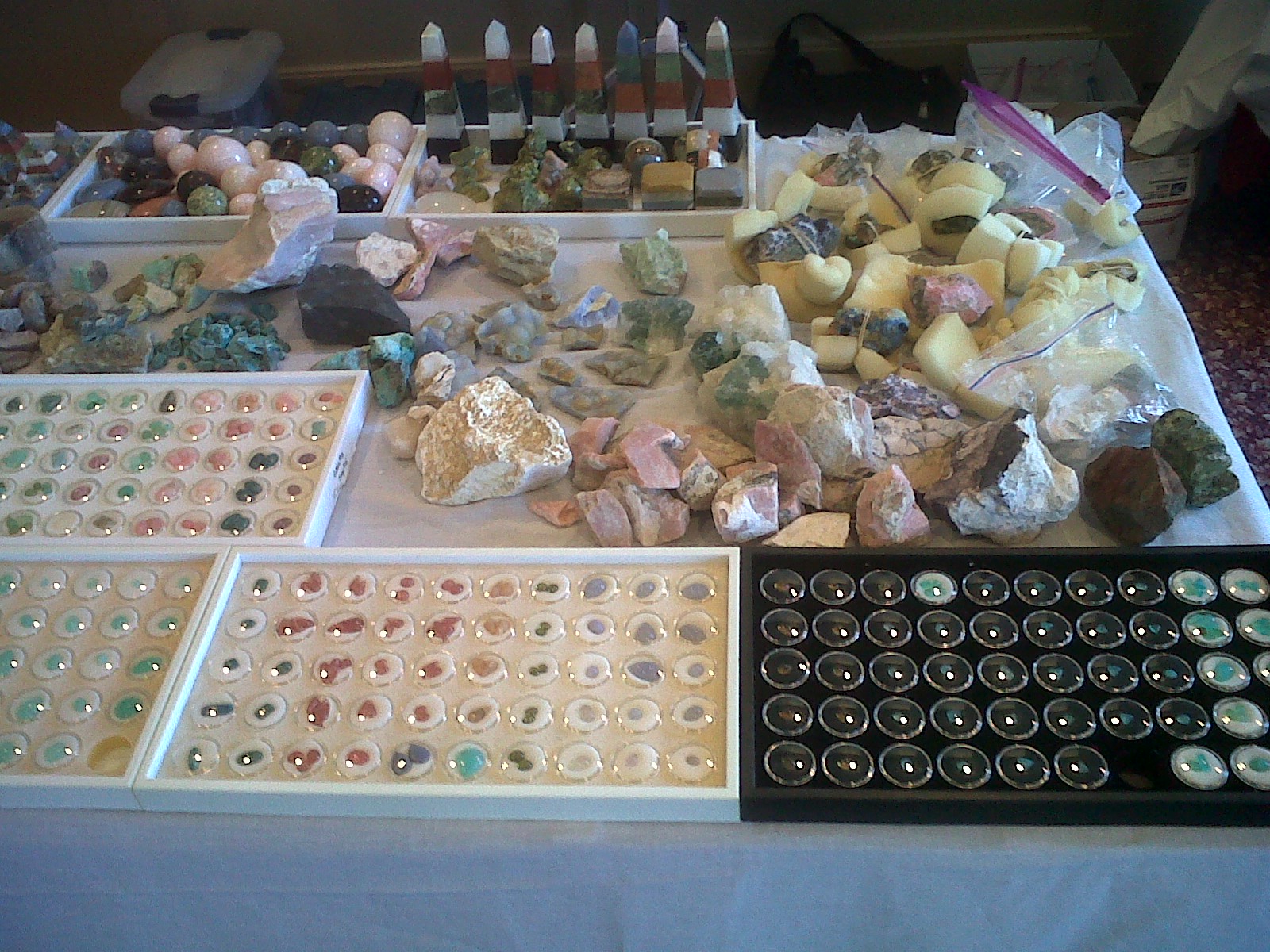
Lee HorowitzOn July 26 it was the pleasure of the DCGIA Chapter to have Lee Horowitz, M. Ed, CAGS, Gemologist of Peru Blue Opal Ltd. share his vast experience along with a mountain of both rough, cut stone and silver jewelry with us.

Lee’s partner and miner is Marcel Ryzenberg who also runs the cutting operations in Lima, Peru. Lee’s companies http://perublueopal.com/ are involved with miners and gemstone cutters with mines and factories for cutting gemstones in Lima, Peru and Pnohm Pehn, Cambodia. They do fancy cutting, faceting i.e. concave, millennium, checkerboard faceting and other cuts in Cambodia. They also represent rough gemstone materials from fellow miners in Peru and Bolivia and represent several miners in Zambia, Tanzania and Kenya.

rough

Lee conducts stone identification, stone grading, stone evaluation, appraisals and sales for rough stone on behalf of miners and also provides cutting services. Together with his partners, they also perform gold assay, refining and sales on the world gold COMEX markets with thier miners.

Lee conducts many lectures concerning “Gemstones of Peru” and provided DCGIA with hands-on demonstrations of Peruvian gemstone rough, cut, beads, and finished products.

Puruvian Opal 3

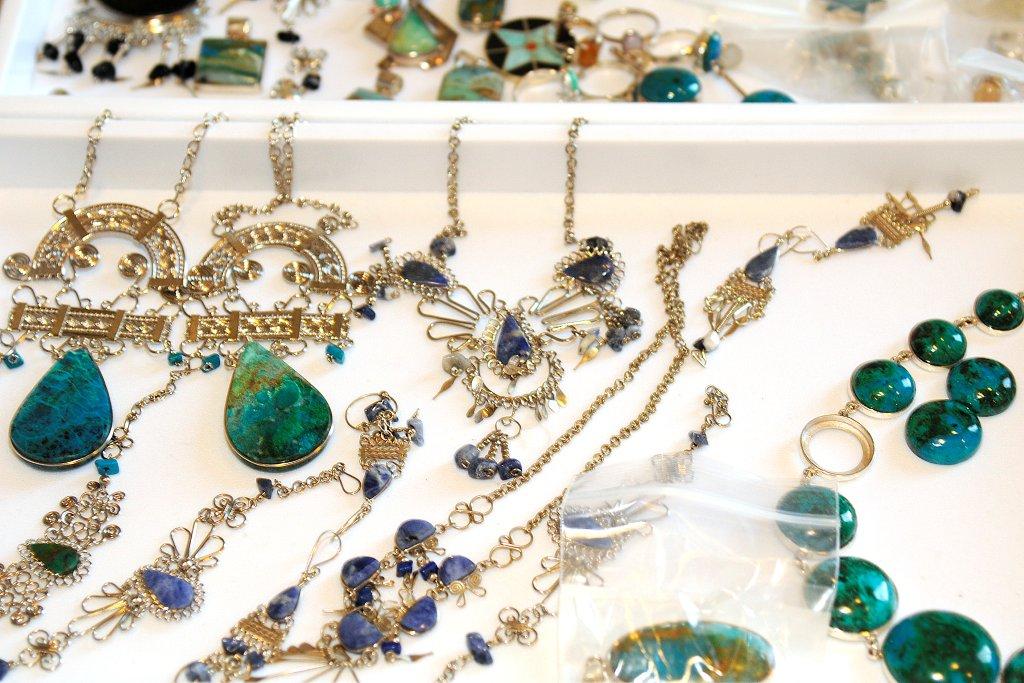
Lee provided samples and discussion of Peruvian Opal – blue opal including rough, cut, dendritic and picture blue opal, beads, faceted beads, and, 925 sterling were passed around and on display.  lshorowitz@yahoo.com

Puruvian Opal 4
Peruvian Blue Opal and Pink Opal are the flagship products. Because these Opals are found in the same areas as copper, most mines have transitioned from opal mining to copper mining. With the high price of copper, it is no longer cost effective to mine the opals. Additionally, many of the mines have been bought up by China companies and the new rich copper miners, and opal mining has stopped as they waite for higher prices for the gemstone rough. With China companies now owners, most of the gemstone rough goes directly to china, making availability nonexistant for everyone else.

Puruvian Opal 5

There are 3 grades of Peruvian Opal: First quality, second-third quality and mine run.  It is mined in Ica, Peru. The first quality is an even color, good top color for cabochons.

The second-third quality has more unevenness of color and more matrix in it. There may also be color striation as real opal will have color striation or unevenness of color due to the coloring. In the case of pink opal it is colored by a clay that surrounds it or it is usually found in, a mineral called palygorskite.

Peruvian Pink Opal has a hardness of 6 versus Peruvian Blue Opal which is 5.5 hardness; making the pink opal some of the hardest opal in the world. Some pink opal also comes from Mexico and some other places in the world.

Puruvian Opal Jewelry

Some of the very top material is saturated with color actually making it reddish. These are rare pieces, There also has been a little drusy. Which is a coating of fine crystals on a rock fracture surface, vein or within a geode found in the pink opal but mainly for collectors and in small areas.

Puruvian Opal Necklaces

The Pink Opal is high in silica in which this opal is almost a pink chalcedony but it is opal and has opal cleavage. There is never a water problem with pink opal and so it is stabile. In some cases, there may be a limited amount of dying done. However, this is typically done overseas, usually in India or China. Top color pink opal is expensive rough material. Mine run pink opal is whitish-brownish-greyish with slight pink coloring and washed out color and is usually made into beads and sold in tonnages overseas and can sometimes be dyed. Unfortunately, as top color disappears on world markets, Lee believes that this stone will eventually go the way of blue opal with mine runs being totally dyed and many imitations of top color. 

Rough

Some new and exciting stones include a new find of what Lee believes is blue aragonite which looks like larimar and is sold by some miners in Peru as such. Lee is also testing for other materials. Additional new materials include banded pink rhodocrosite, leopard stone with a super pattern, bubblegum pink rhodonite, black jade and much more.

Summary by Charlie Marts

Photos by Melanie Marts, GG

Posted in Meeting Archives | Tagged , , , , | 6 Comments

In Memory of Rodger Bucy

Rodger BucyA past member of the DCGIA Chapter, Rodger Bucy, 61, died Thursday, Oct. 27, 2011, at his residence in Ellicott City, MD.

Chapter condolences go out to his family and friends.

Born Aug. 29, 1950, in Charleston, W.Va., he was the son of the late Edward Eugene “Buck” and Maydell Luter Bucy.

Rodger was a member of the church of Christ. He worked as a computer analyst at Johns Hopkins Applied Physics Lab in Baltimore. He was also a member of several magic clubs.

Burial was in Bethel Cemetery at Buchanan.

If any DCGIA members have any pictures with Rodger the Chapter would be interested
in receiving copies for archival purposes.

Posted in Announcements | Tagged | Leave a comment

Gary L. Smith – Precious Metals 101

Gary SmithIt was an informative and interesting presentation from Gary Smith, who provided the chapter with in-depth information and personal stories of his work as a Forensic Gemologist and dealings with the Pennsylvania department of weights and measures.

 PA Gem Lab USA’s only forensic laboratory for jewelry/gemstones, and a metallurgical laboratory for Jewelers Vigilance Committee (JVC).

Gary’s store, Smith’s Jewelers is one of the few accredited laboratories in theUS. He has a vast knowledge of jewelry history and repair as a result of his training in Asia, Europe and theUS.
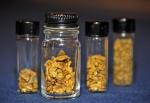
Gold Noble Metals – Silver, Gold & Platinum

Silver, gold and platinum are referred to as “noble” metals because they are resistant to corrosion and oxidation. This resistance separates them from their baser brethren, at least in terms of durability. They tend to be precious, often due to their rarity in the Earth’s crust.

Platinum and gold can be dissolved in aqua regia, a highly concentrated mixture of hydrochloric acid and nitric acid, but silver cannot. Silver can dissolve in nitric acid.

Silver is having resurgence in jewelry due to the increased price of Gold as a commodity. Many jewelry lines have gone back to using silver.

Platinum became commercially viable as a metal for jewelry after 1900 with the introduction of welding technology which allowed melting of platinum.

Melting temperature of Silver – Gold & Platinum
Silver              1736.2°F
Gold                1947.52°F
Platinum            3214.9°F

Gold Trivia – A few trivial & fun facts about GOLD:

This guide is not so much about knowledge; rather it’s about a few little known facts and trivia about gold…something to bring up at a dinner party.

For instance did you know that….

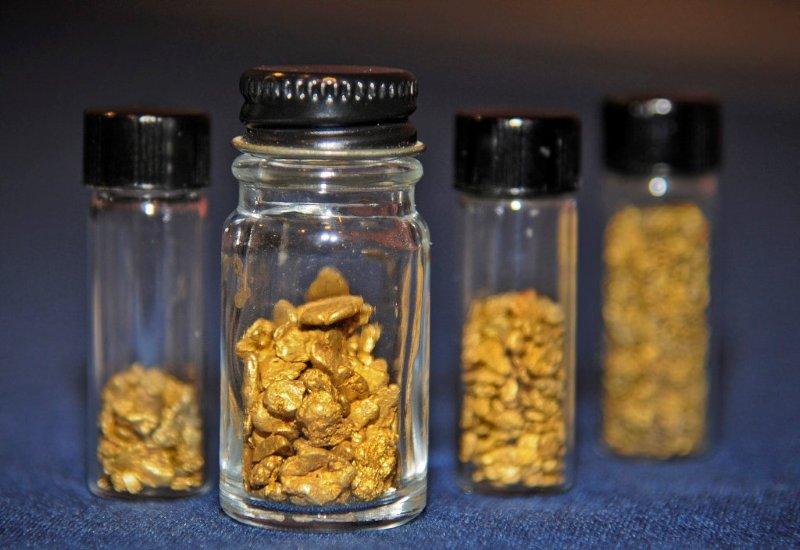
ALL the gold ever mined would fill a cube approximately 20 meters x 20 meters x 20 meters.

One ounce of gold measures about 12mm x 12mm x 12mm or  1/2” x 1/2” x 1/2″. Tiny for the weight.

It is 19 times heavier than water. Lead is 11 times heavier than water.

A cubic foot of gold weighs about 1/2 ton. Just think about that for a moment. That’s the size of a ruler, cubed.

It is the 58th most abundant element on the Earth out of the 92 natural elements found.

1 ounce (31.1gms) of gold can be drawn into a wire 5 miles, that’s about 8 kilometers.

You can beat 1 ounce of gold to a sheet of over 160 square feet and that light would shine through that sheet. 1 gram can be flattened into a sheet 1 meter square.

That sheet of gold would be one hundred thousandth of an inch thick.
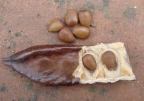
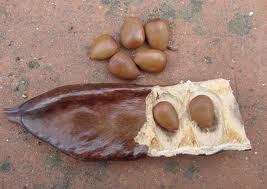
Carob SeedHistorically a carat was a measure of weight based on the weight of a dried carob seed which in nature has a very consistent weight. The scientific name of the carob tree, derives from the Greek word kerátiοn, “fruit of the carob”.

The term Carat, the unit by which gem weight is measured, is also derived from the Greek word kerátiοn, the practice of traders in the Middle East was to weigh gold and gemstones against the dried seeds of the carob tree. The system was standardized, and one carat was fixed at 0.2 grams.

In Roman times, the pure gold coin of the realm at the time “the solidus”, weighed 24 carat seeds (about 4.5 grams). As a result, the carat also became a measure of gold purity. 24-carat gold means 100% pure, 12-carat gold means the alloy contains 50% gold, etc..

It has been estimated that 75% of the total historical world production of gold happened after 1910.

The word “gold” comes from the old English word “geolu” or “gelo” meaning yellow.

Chemically gold is almost chemically inert and is called a Noble Metal because of that fact. Very few chemicals can attack it, so that’s why it keeps it shine even when buried for 1000’s of years. Aqua Regis (Kings water) is an acid that will dissolve it. It is a mixture of concentrated Nitric and Hydrochloric Acids. There are a few Cyanide compounds that will also dissolve it and are used in gold refining. Trust Gary when he says, “you don’t want to go near either”.

Because of it colouring effect it is used to colour glass. Those lovely Ruby and Cranberry glass items you see owe their beautiful red to minute amounts of dissolved gold.

Yellow gold (eg 9K or 18K)…is produced using silver, copper, zinc & others
Rose gold…is produced using more copper or palladium and or zinc, & others
Green gold…is produced using more zinc & others
Blue gold…is produced using iron & others
Purple gold…is produced by using aluminium & others                                                           White gold…is produced using mainly nickel

The largest gold nugget known to be found was called “The Welcome Stranger”. Found in Dunolly,Victoria,Australia, weighed a massive 2280 troy ounces or 70 kilograms.

The largest gold nugget still in existence is “The Hand of Faith” also found near Dunolly. It weighs 875 troy ounces or over 27 kilograms. It is also the largest nugget ever found with a metal detector. Just imagine hearing your metal detector going of, then digging down and finding that baby.

Forensic Gemologists use much higher tech instruments these days than acid and scratching tools, to non-destructively test metals. Using X-ray Fluorescence Spectroscopy an expensive tool that takes an x-ray source bounced off a sample and measures its energy levels. Because every element has a unique set of energy levels, each provides a unique set of energy readings. This allows non-destructive measurement and identification of an items metal composition.

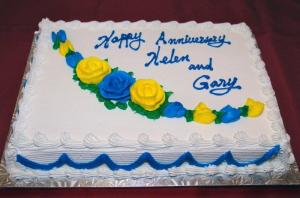
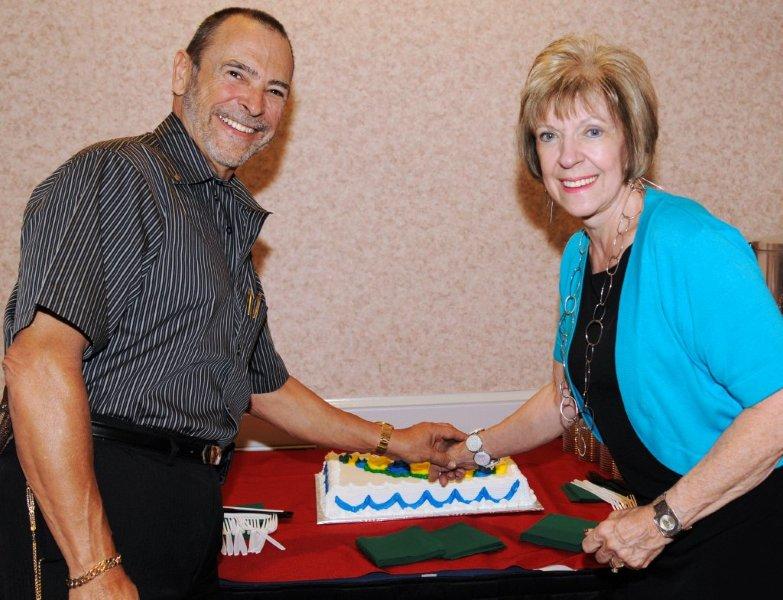
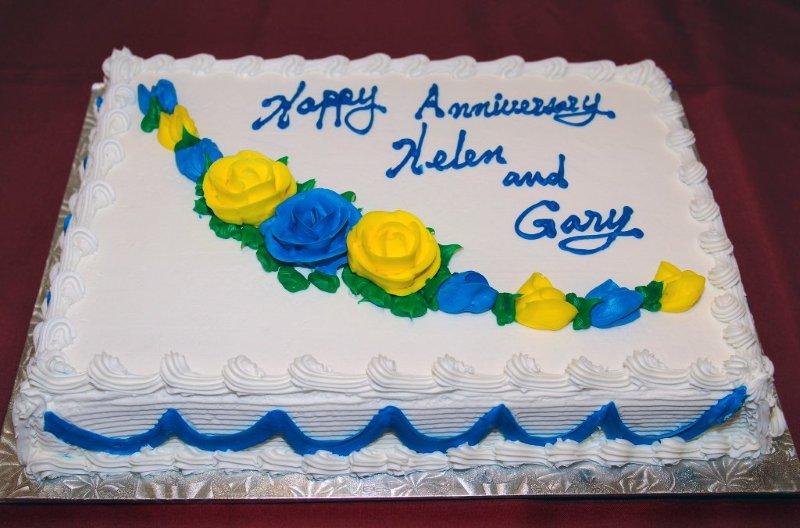
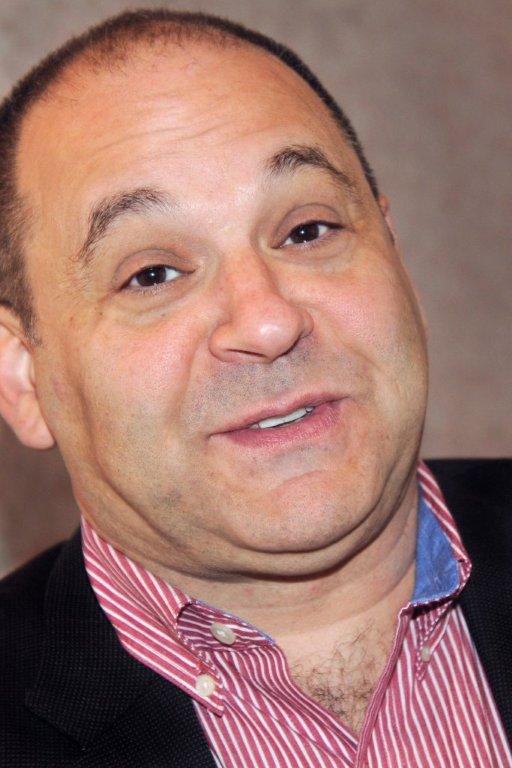
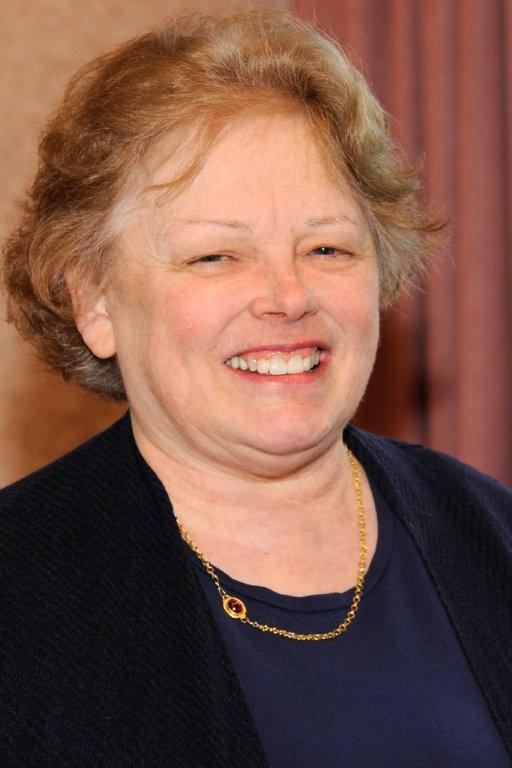
The Chapter members had a great time, as it was a pleasure to have this opportunity with Gary, his wife Helen, and two granddaughters with us during Gary & Helen’s 47th Anniversary.
Gary+HelenSmith

Happy 47th !

Cake

Summary by: Charlie Marts

Photos by: Melanie Marts, G.G.

Posted in Meeting Archives | Tagged , , , | Leave a comment

The Perception of Value – Edward Lewand

Ed LewandOn Wednesday, May 23, 2012 chapter members had the pleasure of hearing Edward A. Lewand, GG, ASA, AAA, discuss the value of things?

Is it that value because someone tells us it is?

What goes into a fine piece of jewelry to make up the value?

What are the facts and what is the perception of the value of a piece of jewelry? 

As a professional independent appraiser of Fine and antique jewelry and Certified Member of the Appraisers Association of America, Ed shared his views and experiences.
Percieved value: Gold – over valued with current gold prices making simple gold chains more expensive than many consumers are willing to pay. 

People often believe what they have been told about the value of jewelry. “Marketing”

A premium manufacturer name and hallmark make percieved value higher. Handcrafted, attention to detail on both the front and back of a piece of jewelry makes it more interesting and raises the work to an artform.  That is why French and Italian Hallmarks bring increased value to a piece, in addition to rarity, the story of romance behind a piece  and desirability all add value.

But why does a simple bracelet with matching diamonds have a greater value? Such a piece can take 7-16 months to make, as the diamonds are collected or re-cut to fit a design and build the bracelet. Manufacturers also have overhead in salaries, office space and rent.

Manufacturers who copy write the design do so to ensure a local jeweler can not recreate a piece that might get lost or broken, with out worring about a law suit from the original manufacturer. Keep this in mind when appraising a high end piece as often only the manufacturer can truely place a value on one of their pieces of jewelry. 

Ed also discussed diamond cut shapes and settings and the perceived value each had, often only be cause the cut or setting make the diamond look bigger.

The DCGIA Chapter appreciated Ed Lewand’s time and insights shared with the members.

Posted in Meeting Archives | Tagged , , , , | Leave a comment

Yvonne J. Markowitz – George Frederick Kunz

Yvonne J. MarkowitzIt was a pleasure having Yvonne J. Markowitz provide the chapter with in-depth information on the relationship between George Frederick Kunz and Tiffany as well as his other accomplishments.

Yvonne is the Rita J. & Susan B. Kaplan Curator of Jewelry in the David & Roberta Logie Department of Textile and Fashion Arts, Museum of Fine Arts, Boston  http://www.mfa.org/collections/jewelry . Yvonne was much more informative than this post can possibly be, so if you missed it, you missed a very great presentation.

George F KunzGeorge Frederick Kunz was born in New York City, USA, and began an interest in minerals at a very young age.

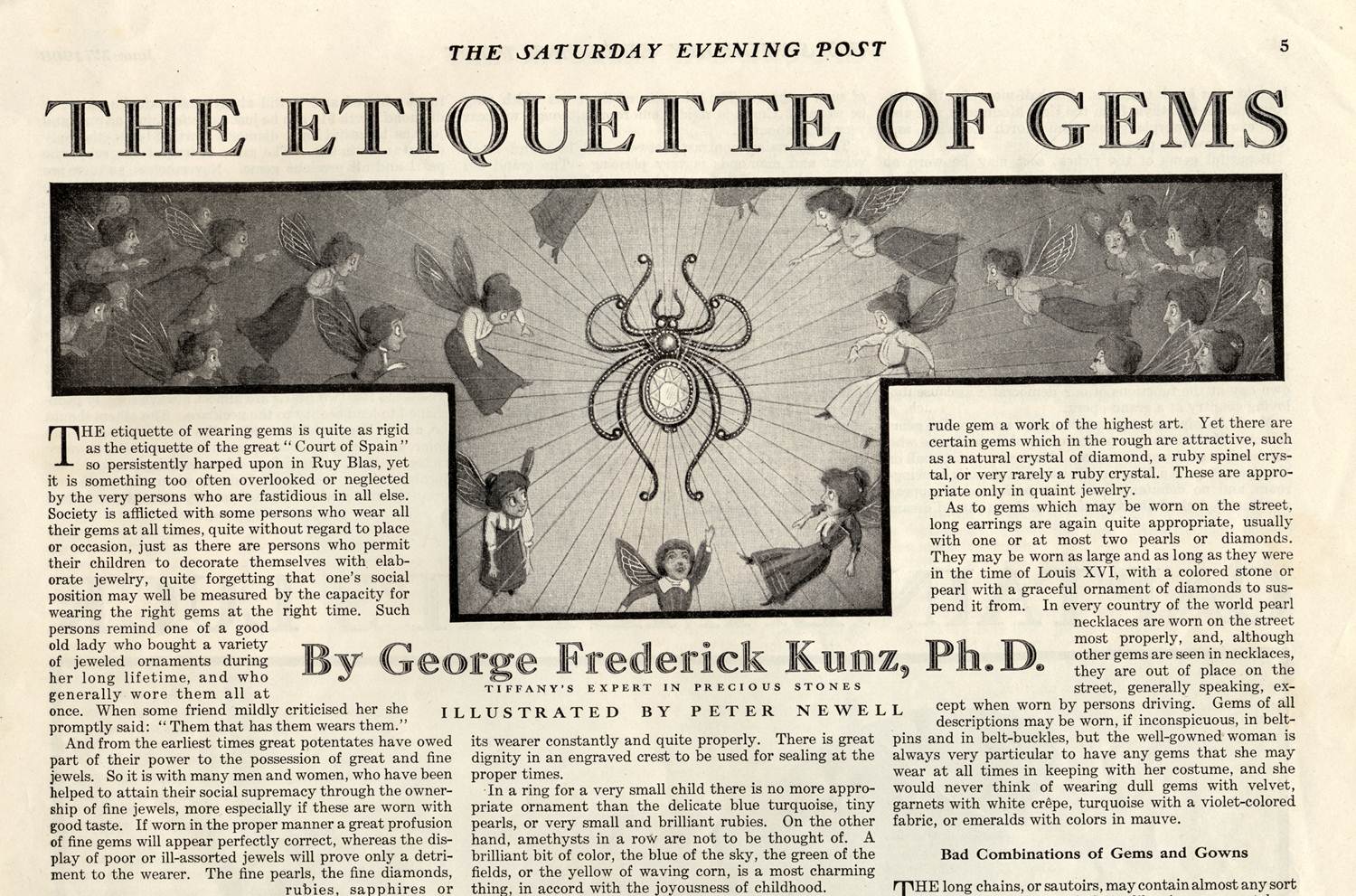
In a series of published interviews with Marie Beynon Ray of The Saturday Evening Post, written in the late 1920s, Kunz recalled a particularly exciting visit to P.T. Barnum’s American Museum on Ann Street & Broadway in NYC. The year was 1865 and Kunz was nearly ten. Among the various oddities to be seen and experienced was a mineral display – the collection of a Mr. Bailey. Young Kunz was hooked—he wanted to begin his own collection.  Central Park

Mid-19th century, NYC Public works projects and Hoboken, NJ provided a steady supply of rich and varied mineral deposits up to the surface. So, in many respects, the extraordinary geology of the area was Kunz’s backyard.

Kunz later stated “…all the pioneering engineering projects of the area offered virgin soil to the collector of minerals.”

By his mid-teens, Kunz was a serious collector of minerals. Some were acquired during his many excursions, others the result of exchanges with fellow collectors. His correspondence both in America and abroad was extensive, as evidenced by the extraordinary number of surviving letters. Throughout his life, it was Kunz’s habit to build a collection, sell it at a profit, and then use the funds to form yet another collection. Some collections were general, as in the assemblage of 4,000 minerals sold to the University of Minnesota in 1876 for $400. Afterwards, he sold another collection to the Polytechnic Institute in Indiana, a third to Amherst College in MA, and another to the State Museum in Albany, NY. The four collections together numbered 20,000 mineral specimens. One collection—that of meteorites—was a personal favorite and added to over the course of his lifetime.

Kunz attended Cooper Union but did not finish and did not attend college. Nonetheless, he taught himself mineralogy from books and field research. This expertise landed him a job with Tiffany & Co., and his knowledge and enthusiasm served him and Tiffany & Co., well providing gem acquisitions used in Tiffany jewelry. Kunz also assembled private mineral collections, one being the Morgan-Tiffany collection of gems in the American Museum of Natural History.

As a foremost gemologist and mineralogist, he was amazingly prolific in writing over 300 books and articles on a diverse variety of titles. While at Tiffany’s, George Kunz created a set of books for Tiffany and Co. to give each year to its customers: Natal Stones, Sentiments, and Superstitions associated with Precious Stones.

Kunz News

Kunz began his writing career in the early 1880s, with articles appearing regularly in the Transactions of the N.Y. Academy of Sciences, the American Journal of Science and Popular Science. By 1890, he had completed his first book entitled, Gems and Precious Stones of North America. That same year, he traveled to Mexico, visiting Queretaro where the only gem systematically mined was the fire opal, a variety of opal that shows flashes of red, orange, yellow, and green. Kunz visited the mines as well as the cutting facilities, noting that the stones cost from $1 to $1000, depending on size and quality. Kunz was very attracted to the stone and returned to New York with a cache of cabochons, some of which were probably incorporated into this ornament known as the “Aztec” collar. Designer Paulding Farnham was also fond of the stone and cognizant of its source, drawing on motifs from the ancient Americas for the necklace’s design. Highlighting the warm glow of the gold and opals in this ornament are diamonds, rubies, tourmalines, peridots, and zircons—another Kunz favorite. The collar was exhibited at 1900 Paris Exposition and is now part of the Tiffany Archives collection.

Bangle

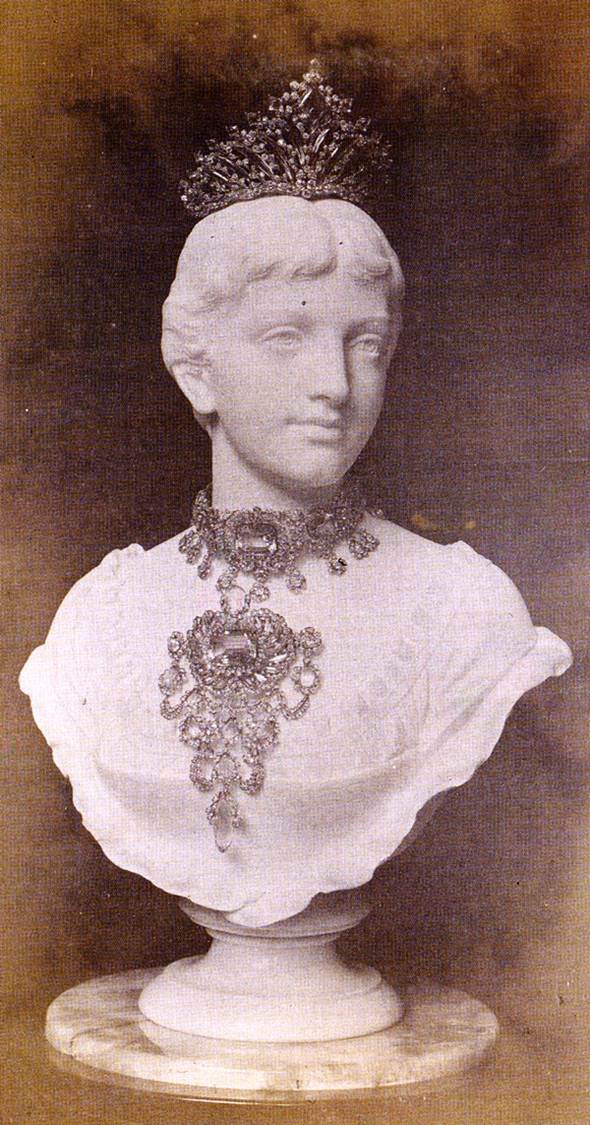
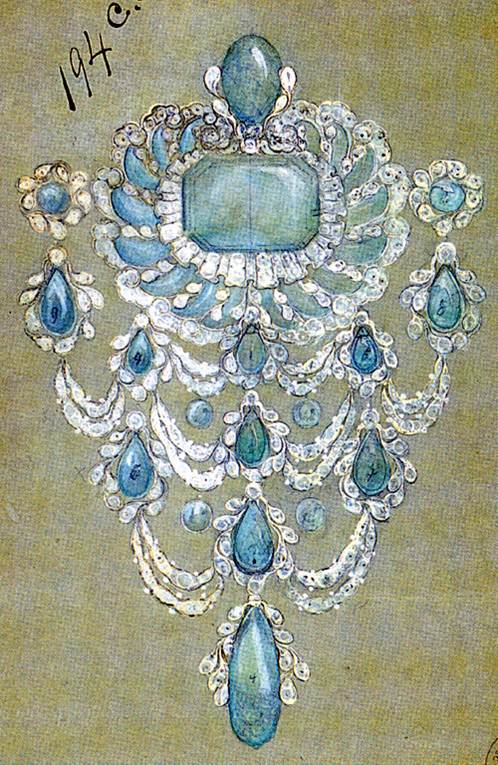
Tiffany jewelry at exposition, was a great success, thanks to the design efforts of Paulding Farnham and the extraordinary gems acquired by Kunz. Probably one of the most dramatic suites was this diamond and aquamarine parure.

Tiffany1Tiffany2

Kunz’s in-depth knowledge of American gem materials was furthered by his activities on behalf of the U.S. Geological Survey. The USGS, an arm of the Dept. of Interior, was established in 1879. Part of its mission was to examine and report on the geological structure, mineral sources, and products of the national domain. The first director of the bureau was Clarence King, the geologist credited with exposing the diamond hoax and an innovator in surveying techniques. Both Kunz and Tiffany must have been thrilled when Kunz was appointed special agent to the USGS in 1883. The position gave Kunz (and Tiffany & Co.) access to sites, statistics, and commercial gem-related operations within and outside the U.S. It also allowed Kunz to expand his network of contacts among geologists, mining engineers, government officials, and businessmen. Each year Kunz summarized all he had learned throughout the year in the Survey’s annual report.

Yvonne & Lois

Yvonne & Lois Berger

Summary by Charlie Marts Period

Photos from Slide SHow provided by Yvonne J. Markowitz

Pictures of speaker and members by Melanie Marts, GG

Posted in Meeting Archives | Tagged , , | 1 Comment

Jewelry Sales Opportunity at Saks

Saks is looking to fill a Fine Jewelry Sales Associate position in McLean, VA (Tysons Galleria). They are looking for someone with 3+ years experience and they must have fine jewelry experience.

Paige Walls, is the Recruiting Manager. If interested Email your resume to: paige_walls@s5a.com

Posted in Announcements | Tagged , | Leave a comment

Alicia Oltuski – Precious Objects

Alicia OltuskiAlicia Oltuski’s presentation was entertaining and illuminating, it offered an insider’s look at the history, business, and society behind the world’s most coveted natural  resource, providing an unforgettable introduction to the New York Diamond District.

From New York and the international diamond world via her Grandfather and Father’s old school diamond district dealings, Alicia shared a common passion for jewelry and precious objects.

The diamond business provided a patterned background for what started as a memoir for Alicia’s Father. Alicia took us on a journey as she began working with her father, in order to collect research for her book. From her first day, passing through 3 doors, each one more secure than the last, in order to enter her fathers domain. Alicia’s first journey down Forty-Seventh Street with a chest pack full of jewelry, picking up and dropping off items for her father.

Old School Dealers are secretive and have a personal connection to both the other diamond dealers and the stones they trade. Secrecy and precautions are necessary when you carry your stock in trade on your person from place to place. Diamonds that were often loaned on consignment to jewelers and other dealers. No money changing hands until the stone was sold or returned un-sold. This requires a level of trust and knowledge of the people you are dealing with that is missing on the internet.

Chronicling the birth of the diamond trade with De Beers “A Diamond is for ever!”, the NY Diamond Dealers Club, the Rapaport Diamond Report, Blood Diamonds and Fair Trade Diamonds, along with family history of her Grandfather and Father in the industry. These stories and more are fully exposed in Alicia’s book “Precious Objects”.

The book is a Barnes and Noble Discover Great New Writers selection. Alicia Oltuski’s
work has appeared or is forthcoming on NPR’s Berlin Stories, in the Financial Times,
W Magazine, The Faster Times, The Bulletin in Philadelphia, and other publications.

Visit Alicia Oltuski’s website at www.aliciaoltuski.com

While men are prominent in the Diamond Dealing portion of the industry (think loose stones), Women are present in retail, design and office as they appear more interested in the finished jewelry, rather than the loose stones.

DCGIA Thanks Alicia for sharing with us and with the rest of the world our Passion for Precious Objects!

DCGIA Members

DCGIA Members

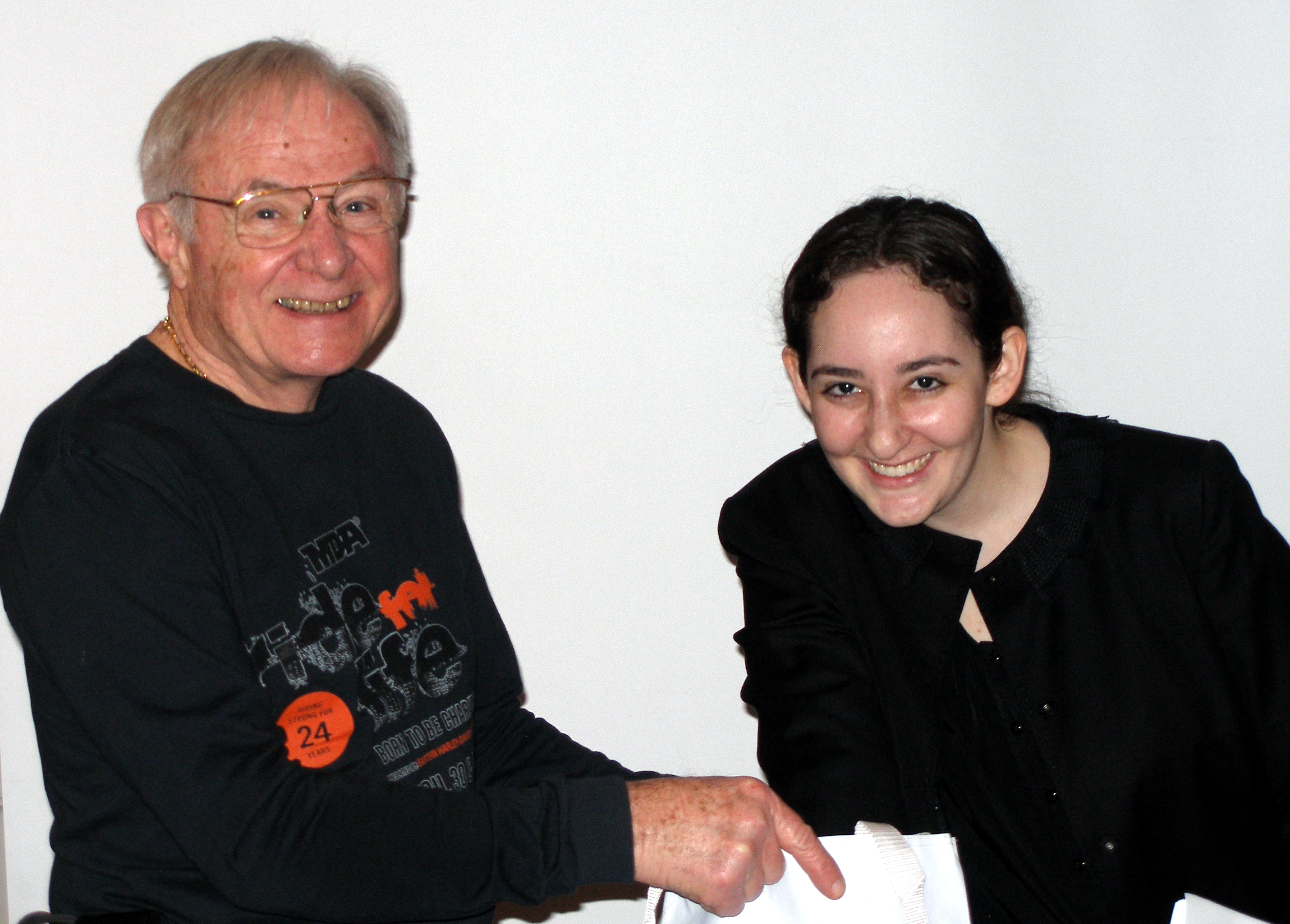
Bobby Mann (DCGIA President) & Alicia Oltuski

Summary & Photos by Charlie Marts

Posted in Meeting Archives | Tagged , , , | 1 Comment