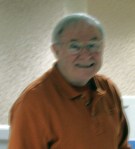
DAVID BRACKNA: BRINGING COLORED STONES TO LIFE

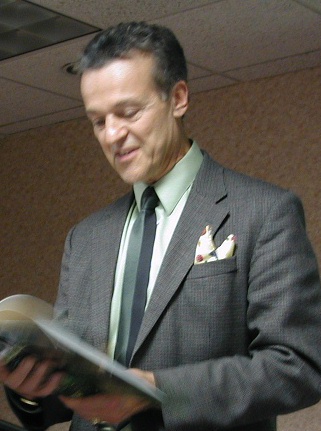
David Brackna

David Brackna

Looking again at the title, it should read: the man who brings life to colored stones.
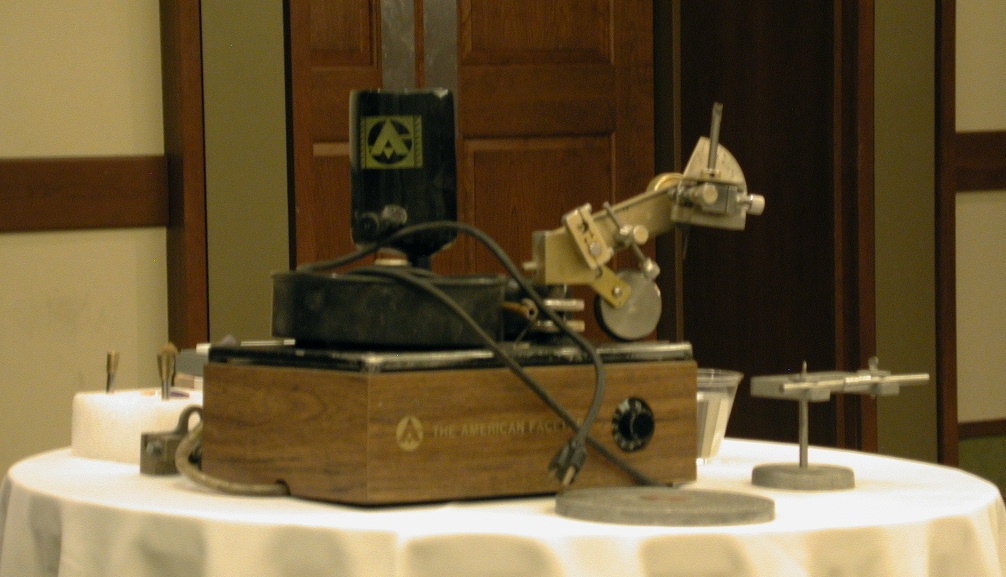
Mr. Brackna buys mineral rough and with his expertise creates a GEM. He is a cutter and a knowledgeable magician in his trade.

Early, he learned the mechanics and technology of cutting but it took many years of trial and error to develop the creativity of his current ability. Besides being a technical expert he is a true artist. He can interpret and build upon the hidden secrets of a mineral rough.

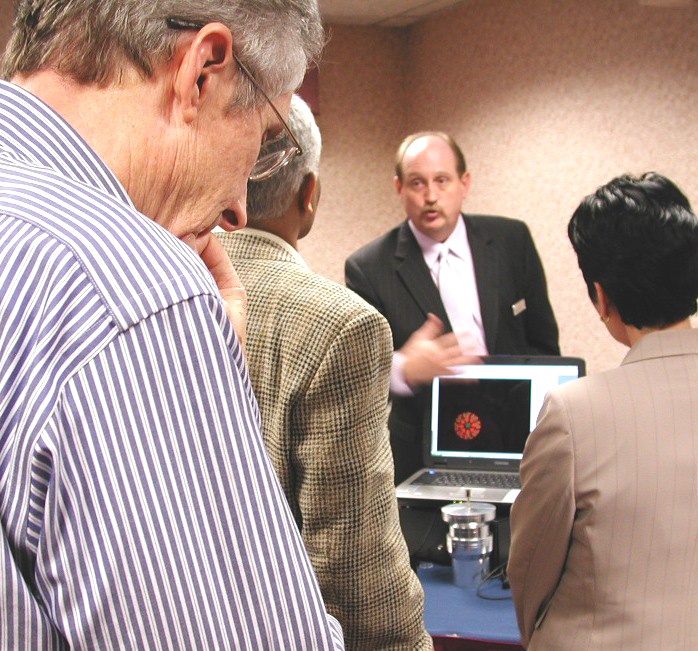
2Mr Brackna is a winner of numerous AGTA Spectrum Awards, and passed around some samples of his finished work to an awed and silent audience. Impressive!

He went on to explain that faceting equals the control of light, color and inclusions. If the choice is good it produces a true gem; if the choice is poor, no matter how expert the cutter or how great the rough, the quality of the resulting gem is undermined.
4


Enhancement of the rough mandates another decision; heat, dye, radiation, pressure, etc, how to compensate for their use? The most utilitarian light source for the cutter in which to analyze a stone is produced on a cloudy day with the resulting diffusion of light.

“The stone wants to be what it wants to be.”

A summary of the many steps involved in the production of a gemstone is: learning to comfortably handle the technology of machines and products and to analyze the internal potential of the rough.
3


Mr Brackna final statement was:” you don’t make money when you sell a stone, you make money when you buy (the rough)”. This implies the need to learn, evaluate and execute with know-how and precision.

Many thanks Mr. Brackna for a memorable talk.

Summary of meeting provided by Lisa Carp

Pictures by Bobby Mann

Posted in Meeting Archives | Leave a comment

Mr. Ronald Ringsrud – EMERALDS: A Passionate Guide

Mr. Ron Ringsrud

Mr. Ron Ringsrud

On March 2, 2010, the DC Chapter of the GIA Alumni Association was privileged to hear from Mr. Ron Ringsrud, an internationally recognized emerald dealer and gemologist.

His presentation explored the world of these unique gemstones from both a historical and personal perspective.

His passion for the Emerald trade,  history, geology and people of the Colombian Emerald Mines comes through with every word spoken and written in his book.

2

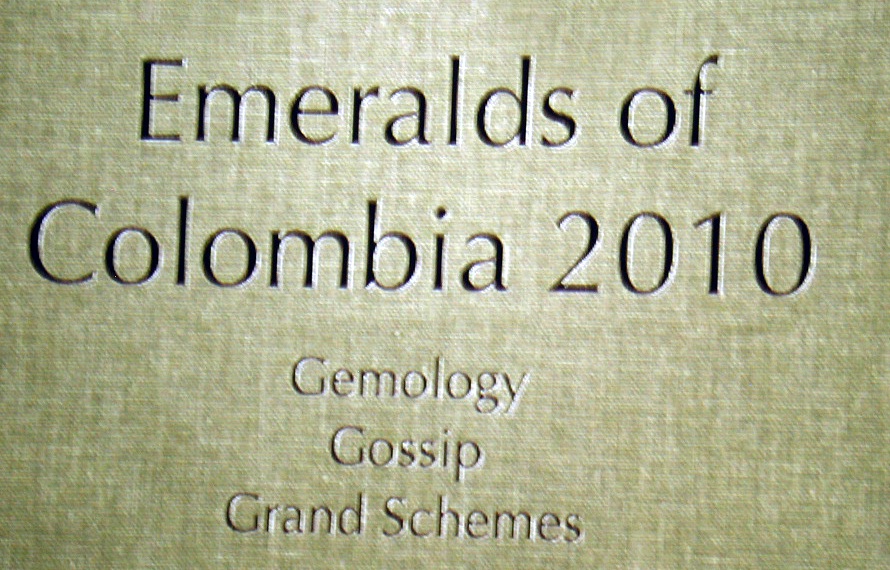
Ron’s recently released book “EMERALDS: A Passionate Guide”, which has been described as an introduction to the world of colored stones through the example of emerald. Rather than a mere introduction to emeralds, the book has been characterized as a grand introduction replete with information to elevate readers to a level of connoisseurship on the subjects of color, gem appreciation, and rarity, while at the same time showcasing the people and adventures attendant to the famed green stone. Through this vehicle, Mr. Ringsrud’s lecture was a true insider’s perspective on the Colombian emerald market.

34

Emeralds a Passionate Guide

Posted in Meeting Archives | Leave a comment

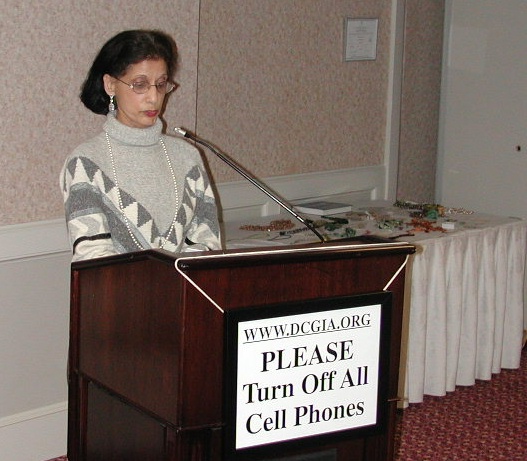
Annual Tucson Report 2010

Bobby Mann

Bobby Mann

The February Meeting had three parts. The evening started with a power point presentation by Bobby Mann explaining The New GIA Continuing Education Recognition Program. This online e learning program is available for GIA graduates who hold a Graduate Gemologist or Gemologist diploma. Delivered via Blackboard learning Management System. There are eight interactive assignments, released each month, January thru August. A questionnaire follows each assignment, approximately 30 minutes per assignment. Alumni passing all eight assignments receive a redesigned certificate. It has the following additional benefits, review only access to current GIA gemology e learning courses, Multimedia archives, Previous years Continuing Education content, Discussion boards and live on line chats with GIA experts from Education and Research, Recognition for program completers. There is a reasonable annual participation fee $189.00 Bundling options with G&G online $249.00. Find out more about GIA’s Continuing Education Recognition Program at their web site or contact the GIA Alumni at (760) 603-4145 or by emailing alumni@gia.org .

Part 2: DC GIA Alumni 25 Successful Years Awards Night, there were special awards for the following officers/members, who helped make this happen: Carolyn Chappell, Chuck Hyland, Sherlene Yantz-Bradbury, Bob Davis, Martin Fuller, Bobby Mann, Fred Ward, Tom Mangan, Michel Zabel, John Lees, Davia Kramer, Kusam Malhotra, Toby Fitzkee, Melanie Marts, Lisa Carp, Tony Conway, Doris Voigt, Donna Sibley, Andrea Blake, Anastasia Kim, Tim Morgan, Charlie Marts and Hap Williams. President Bobby Mann presented the awards to all that were present. Visit the Photos Page!
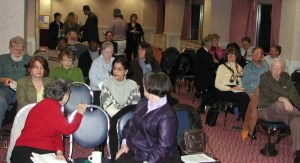
Attendees

Part 3: DC GIA Alumni Annual Tucson Report, chapter associates who attended Tucson exhibited items they purchased for “show and tell” and they discussed prices, new trends, and impressions to all in attendance.
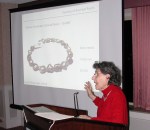
Lois Berger

Lois Berger - Pearls

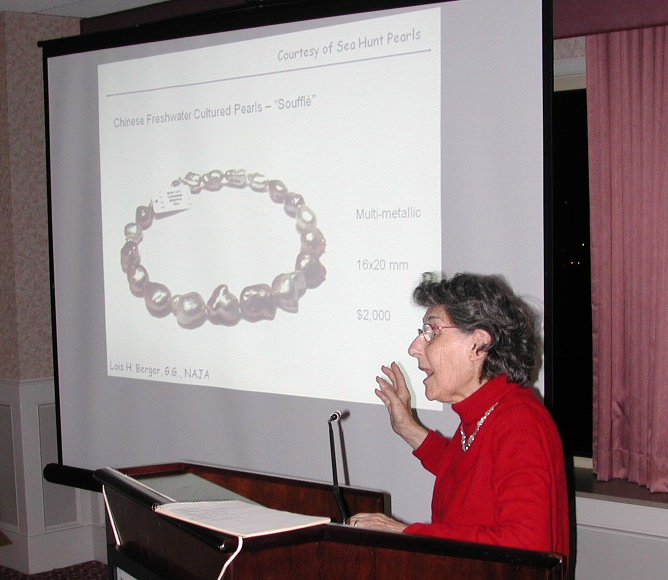
Bobby Mann introduced Lois Berger who kicked off the program with her annual pearl report.

She had a power point presentation, accompanied by show and tell items for all to see hands on and a wonderful 11 page hand out on the status of the pearl market.

{PowerPoint soon to be posted}.
Kusam

Kusam Malhotra - Gemstones

Next up was Kusam Malhotra who gave a passionate report on the status of the high-end gemstone market. She passed around some wonderful examples of Sapphires, Tourmalines and Zircons, in various colors, that she had purchased for all to see close-up.

The prices this year were up from last year for most quality gemstones, and some examples she loved were out of her reach.
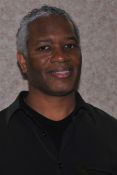
Michael Gibson

Michael Gibson

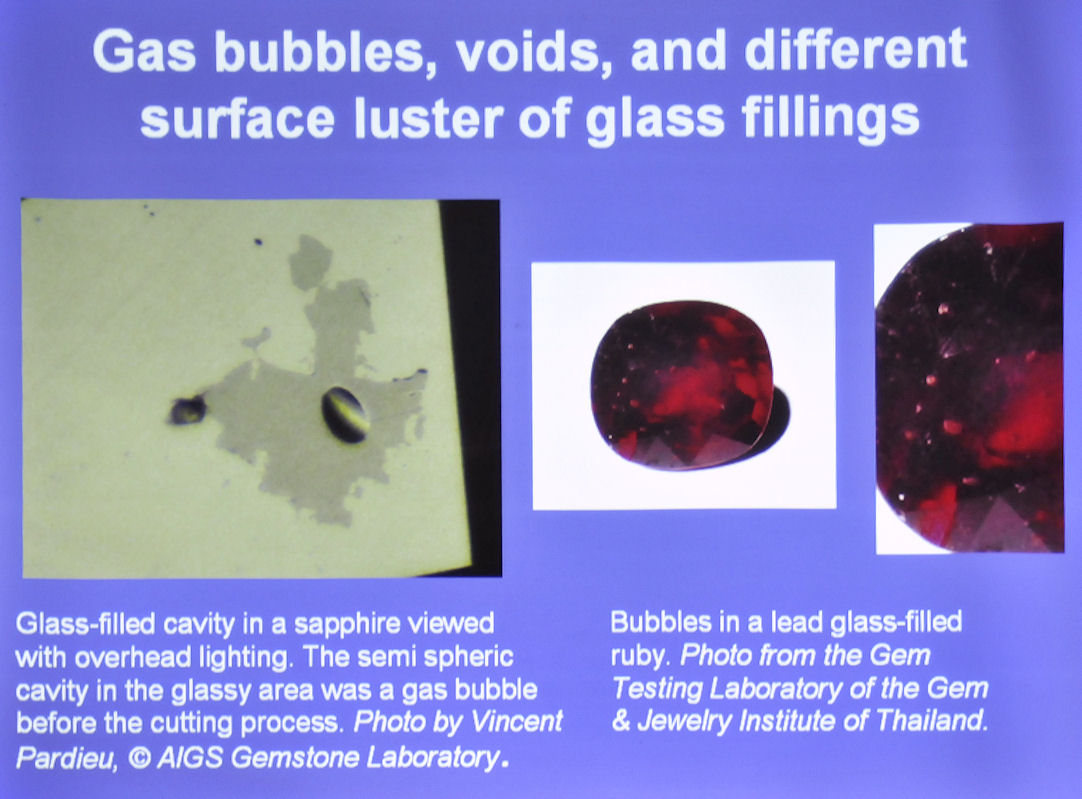
Mike Gibson made a few remarks on the number of composite rubies all over Tucson.

He also saw a large number of rare natural pearls, Melo Melo Pearls, Eye Candy, etc.

He spoke of some of the new instruments on the market.


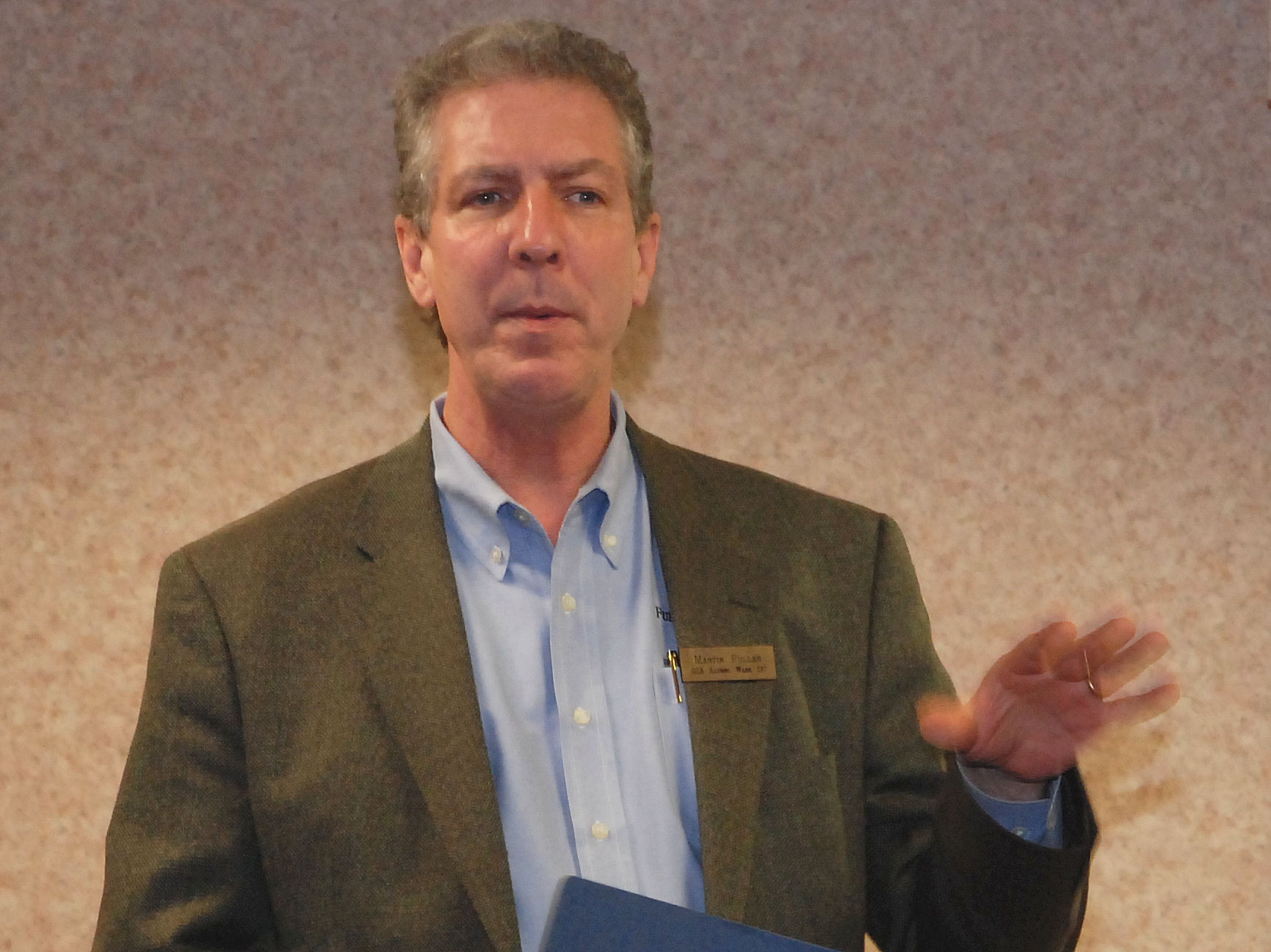
Martin Fuller

Martin Fuller

Martin Fuller elaborated on some of Mike’s remarks and said it looks like another term would be added to the gemstone vocabulary Hybrid (for the new composite rubies).

Tony Conway

Tony Conway

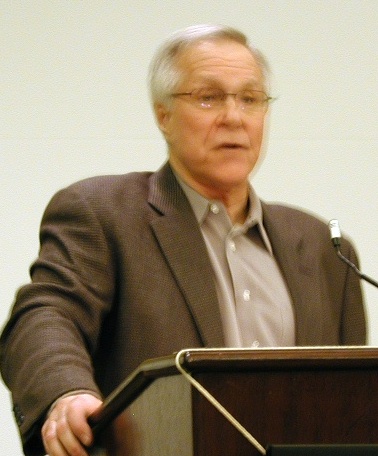
Tony Conway told about the wonderful, well attended, tribute to Campbell Bridges.

Tony also told of the speakers that he had lined up for this year while he was in Tucson.


At this point all in attendance came up front to the tables to view the “show & tell” brought in by Lois Berger, Courtland Lee, Lisa Carp and Tim Morgan & Michele McMurtry. The meeting was a great success and is one not to be missed each year; it gives all that can’t get to Tucson a real pulse of the market.

Posted in Meeting Archives | Leave a comment

Michael Goldstein: Antique-Cut-Diamonds

Mr. Michael Goldstein

Mr. Michael Goldstein

On January 12, 2010, the DC Chapter of the GIA Alumni Association was privileged to hear from Mr. Michael Goldstein, an internationally recognized authority on antique-cut diamonds.

His presentation explored the world of these unique gemstones from both an informational and an interactive perspective.

The evening commenced with the principal informational component, which focused both on the physical and technological characteristics of the diamonds themselves and on the historical development of the marketplace in which they are bought and sold. The lecture was structured first to introduce each of the primary types of antique-cut stones with a description of its appearance and a profile of its waxing and waning role in the trade.
2Old Mine stones, with off-round or cushion-shaped outlines; Old European diamonds, with round shapes; and rose cuts, with flat bases and faceted domes, were each highlighted. Each type was initially brought to the market by particular developments in diamond supply and cutting technology, enjoyed a period of popularity, experienced a fall from grace (and often became a victim of recutting), and has more recently seen a resurgence of interest.
3Given the current popularity of antique diamonds, and the resultant influx of recently manufactured “old” cuts, the discussion then turned to identifying features that can assist in distinguishing the genuine from the new. Characteristic attributes of genuine stones can include, for instance, yellowish coloration, chipped appearance, and, critically, knife-edged girdles. Nonetheless, with these characteristics came the repeated caveat that exceptions abound and today’s efforts are becoming ever more sophisticated.
4Additionally, woven throughout the presentation was the concept of valuing antique-cut stones, and it was noted that any discussion of the present market value of an antique diamond must take into account not only resale as is but also the idea of recutting and attendant issues such as damage and weight loss.
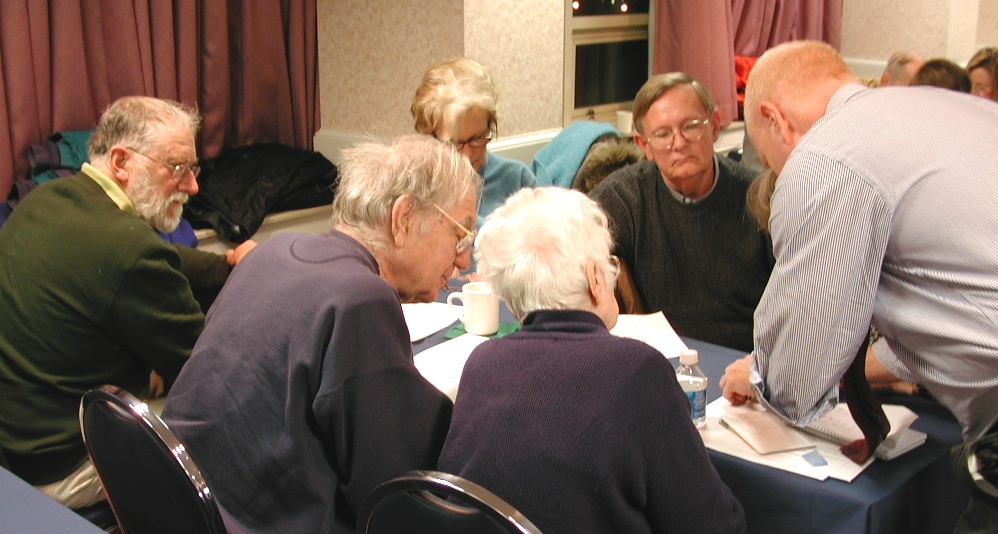
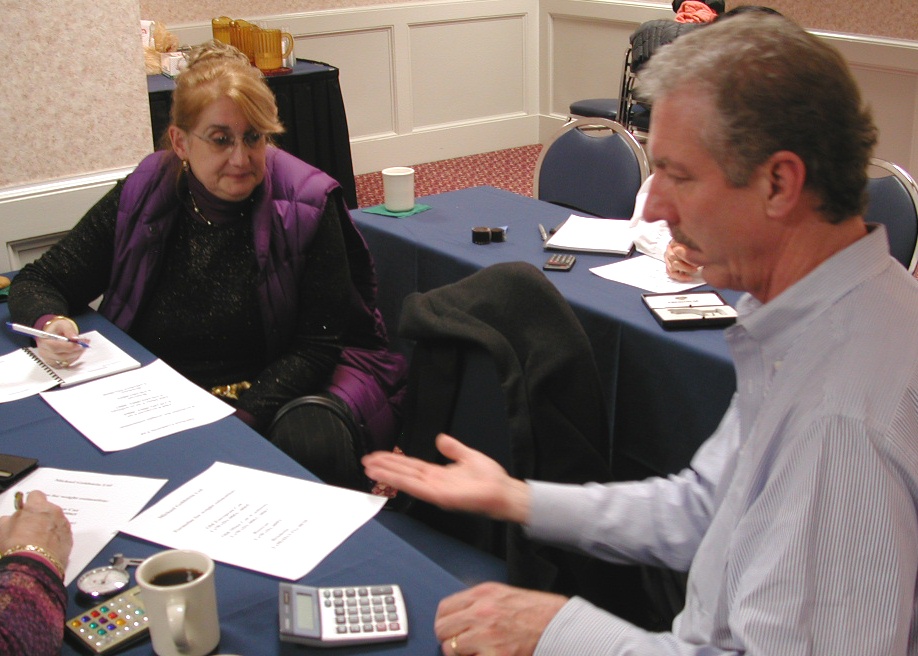
5Valuation likewise provided a segue to the interactive component of the evening, which focused on weight estimation of antique-cut diamonds. Attendees had the opportunity to attempt measuring actual stones, unmounted and mounted, and applying the weight estimation formulas recommended by Mr. Goldstein for each of the three primary old-cut types referenced above. The DCGIA Chapter truly had the opportunity to learn from one of the foremost experts in the trade. Thank you, Mr. Goldstein.

Summary prepared by Andrea Blake, G.G.

Posted in Meeting Archives | Leave a comment

The Holiday Dinner & Auction

The Holiday Dinner & Auction was once again a great success!
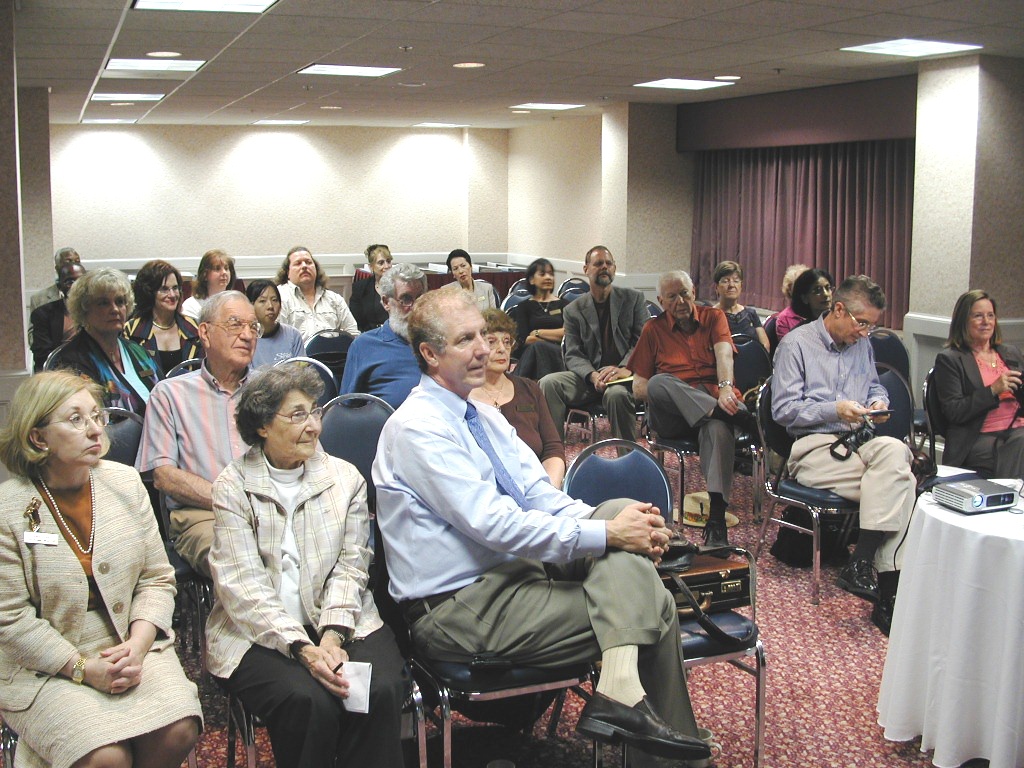
Thanks go out to everyone that worked so hard, before, during and after, to put this annual event together.

Thanks also go out to everyone who came and shared the evening with us!

25Years

DCGIA 25 Year Anniversary

We hope you enjoy the Pictures available on the ARCHIVES page. If you have pictures send them to the webmaster for inclusion in the Photo Gallery. A special thanks to all the donors of items provided and sold during the auction, see the full Honor Roll at the end of this post.

From all of us to all of you!

Happy Holidays !!!

Best Wishes for a New Year filled with Peace, Prosperity, Health, and Happiness!

2009 Honor Roll of Donors

1.   Colin & Hilary Winter – OPL Orwin Products Ltd
2.   Denise & Dennis Nelson – Inner Circle
3.   Bob Davis – Jewellery by da Vis
4.   Ira & Davia Kramer
5.   Andy & Helen-Serras Herman
6.   Richard Wise – R.W. Wise Goldsmiths, Inc
7.   Andrea Blake
8.   Renee Newman
9.   Hap & Dee Williams
10. Doris Voigt
11. Weschler’s Auctions
12. Charles & Melanie Marts
13. Theresa McGowan & Bobby Mann
14. Skinner Auctions
15. Richard Drucker – Gemworld International
16. Josh Hall – Pala International
17. Adel Cramer
18. Kusam Malhotra – K & K International
19. Laura McCloud
20. Donna Sibley
21. Lois Berger
22. Lisa Carp
23. Pam Stair
24. Dusan Simic
25. Mason-Kay Fine Jade Jewelry
26. Reiko Nagoya
27. Christie’s Auction’s
28. Tim Roark Inc.
29. Bo Torrey & Stephen Bloom
30. John Lees – JAL Co.
31. GIA Alumni Association
32. Camilla Nasr
33. Achikian Goldsmiths
34. Carolyn Chappell – Carolyn’s Crystals
35. Tom & Ling Mangan – Mangan’s Jewelers
36. Toby & Helen Fitzkee
37. Greenan & Sons
38. Kate’s Irish Pub
39. Ed Greenan
40. Courtland Lee
41. Eclectric by Design
42. Traci Solovey – Solovey Jewelers
43. Brian & Lois Geer
44. Jeff & Sharon Allison
45. Sherlene & Rob Bradbury
46. Melisa McDonald
47. Martin & Colette Fuller
48. June Gianforte – Continental Jewelers
49. Stephen J. Clarke
50. Anonymous

Posted in Meeting Archives | Leave a comment

Dusan Simic

Dusan Simic

Dusan Simic

Anyone who wants to know anything about laboratory-grown diamonds needs to meet Dusan Simic. His precise presentation was very informative and his 20+ years of experience in the jewelry and gem trade was obvious and impressive.

He is an internationally trained research Gemologist and has become an expert in the identification of diamond treatments and the process of creating gem-quality diamonds in laboratories.

The intricacies of various treatment techniques, along with useful identification processes, were shared and the use of advanced research equipment was explained.

pic2pic3


Mr. Simic took time to explain different diamond types and their chemistry in detail. He also gave a very useful overview of the firms who market the various brands of synthetic diamonds. The Federal Trade Commission has determined that the term “diamond” or “created diamond” in connection with laboratory created diamonds is not appropriate. “Synthetic, laboratory -grown or laboratory-created” are the correct terminology to be used to identify these truly fascinating creations of men’s ingenuity and scientific know-how.
pic4pic5


This was truly a talk for those who are curious about the intriguing differences between man-made and natural diamonds. The difficulty of creating and identifying diamonds, which are the result of technology rather than nature, became obvious. Various charts and graphs, listing the many different treatments used today, contributed to a very fact-packed evening which ended with a lively Q&A session.
pic6pic7


Dusan Simic and his partner Branko Deljanin authored an “Information
Guide to HPHT-grown and CVD-grown Diamonds”, which provides detailed
information on the very relevant and timely topic of Synthetic Diamonds.

pic8pic9


Meeting summary by Denise Nelson

Posted in Meeting Archives | 2 Comments

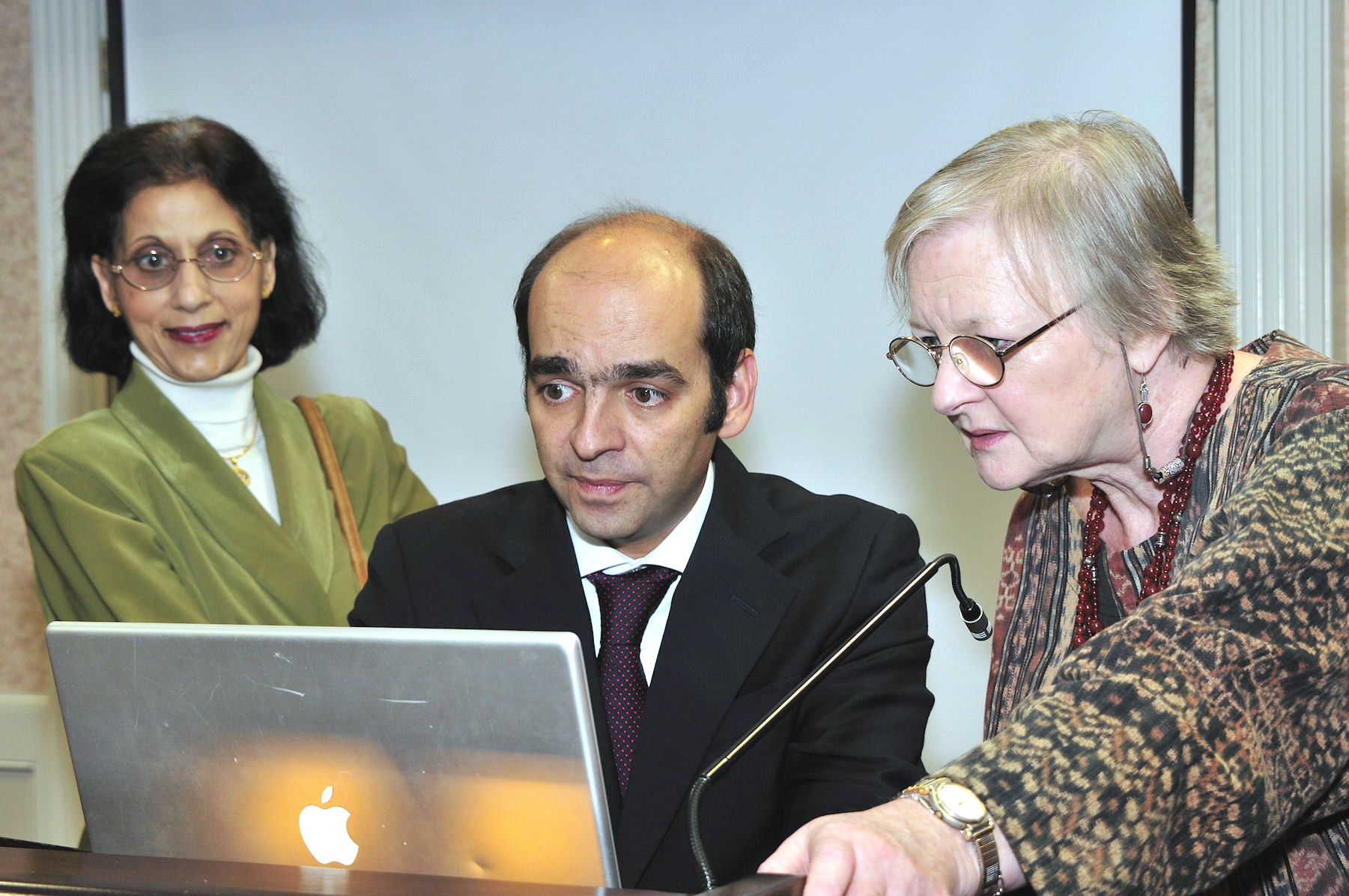
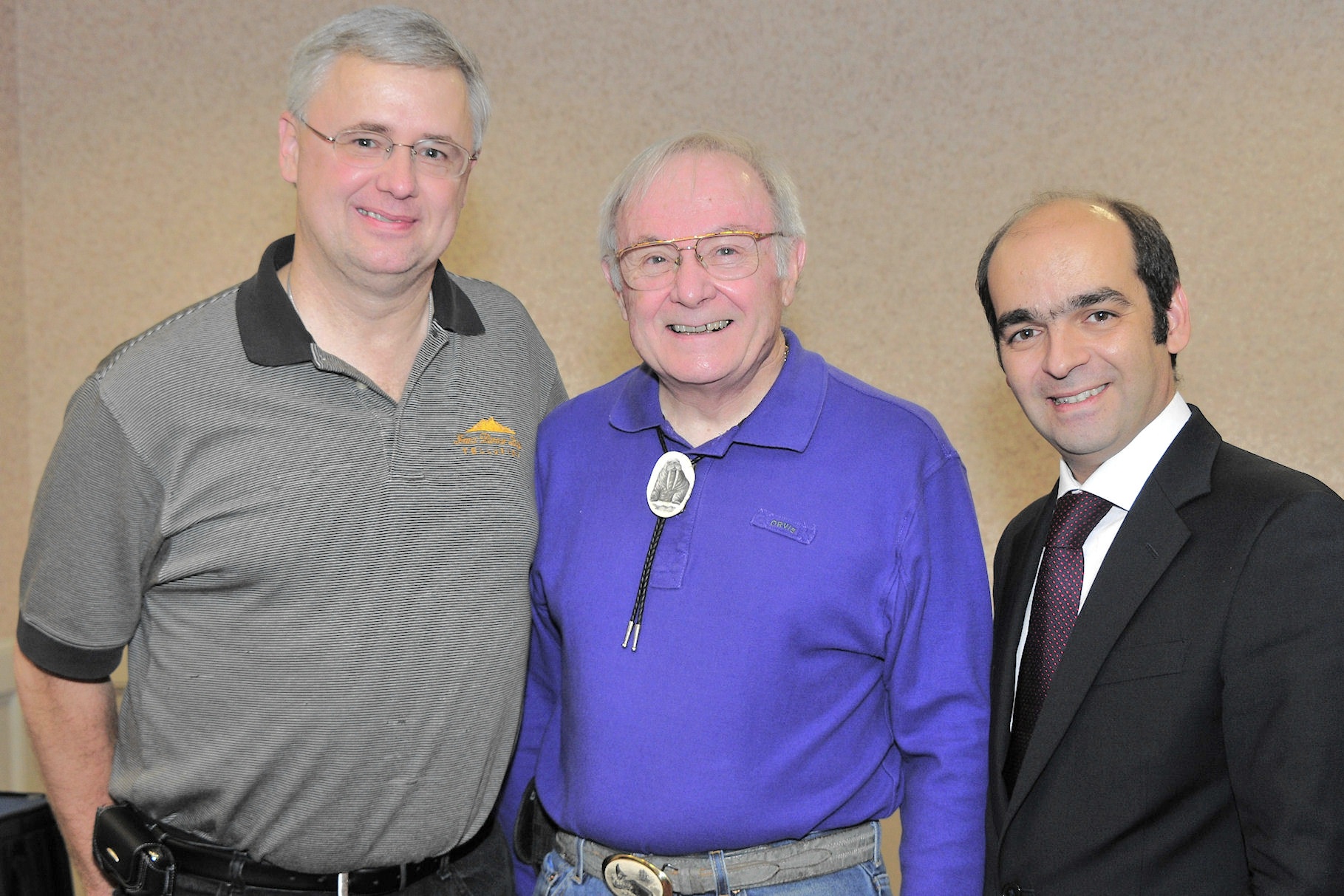
Rui Galopim de Carvalho

Rui Galopim de Carvalho

Rui Galopim de Carvalho

Rui Galopim de Carvalho’s elegant presentation was dazzling and mesmerizing.

The photos of exquisite pieces of jewelry captured the audience and the imagination of designers and gem-lovers alike. Rui has his FGA and DGA and is the founder of the first Gemological Laboratory in Portugal (LABGEM).

He is an international gemological ambassador and is well known throughout the jewelry world of museums, trade associations, gem-related educational institutions and national trade shows. He is editor of Portugal Gemas the only Portuguese speaking digital newsletter and he is also an author.

pic2pic3


His book  Precious Stones in Art and Devotion is the result of his love for beautiful design, precious gems and his homeland Portugal!
His vast knowledge, combined with a stunningly beautiful power point presentation, created a wonderful, memorable evening for all those who attended.

pic4pic6


His talk concentrated on the important role Brazilian gem discoveries played in influencing the creations of big-name designers world-wide. This abundance of colorful gems from Brazil played an important role.

pic6pic7


It promoted public interest in the use of natural shapes, unusual combinations of colors, textures and various metals.
pic8pic9


Rui is currently Executive Liaison Ambassador for the ICA – International Colored Gemstone Association and certainly will enrich the Gemological world with more of his writings and talks in the future.

pic10

Posted in Meeting Archives | 1 Comment

The AGS Cut Grade System

Mr. Patrick B. Stout

Mr. Patrick B. Stout

On Wednesday, September 23, Mr. Patrick B. Stout presented to the chapter the AGS Cut Grade System with its supporting technology. Mr. Stout is a recognized authority on diamond grading and related professional education of those in the jewelry trade. He began his career in the retail sector and spent nearly 25 years in various sales and management positions with firms including Ben Bridge Jewelers and Tiffany & Co.

Such practical experience was also augmented through formalized gemological education and credentials as Mr. Stout attained the status of a Graduate Gemologist (GIA), a Certified Gemologist (AGS) and a Certified Gemologist Appraiser (AGS). Having been a member of the American Gem Society since 1988, Mr. Stout then joined the staff of the organization in 2005 and currently serves as Education Services Manager. In this role, he both consults with jewelers, presenting AGS training and educational materials to enhance staff professionalism, and represents the AGS and its Advanced Instruments Division at trade shows and industry events, providing information regarding the AGS Diamond Cut Grade System and associated instrumentation.

pic2Mr. Stout’s presentation profiled the AGS Cut Grade System and its supporting technology through a power point lecture. With respect to the nature of the system, he explained its theory and operation as a performance-based analysis that measures a stones actual light manipulation efficiency in three dimensions.

pic2


Concerning technology, the focus was on the Angular Spectrum Evaluation Tools (ASET) that enables industry members such as jewelers and appraisers to see and demonstrate visually, in diagnostic colors of red, blue and green, how efficiently a diamond is using light.

pic4Those that couldn’t attend this very informative presentation can visit the AGS website www.agsaid.com and click on the appropriate link to learn more about the instruments and ASET theory.

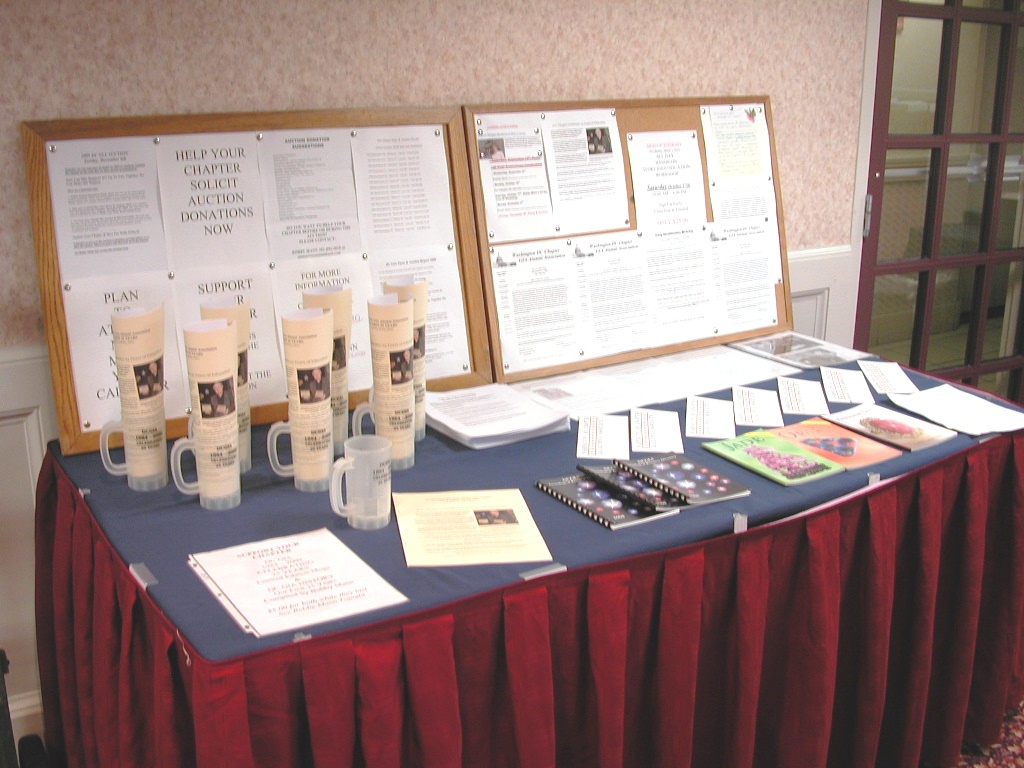
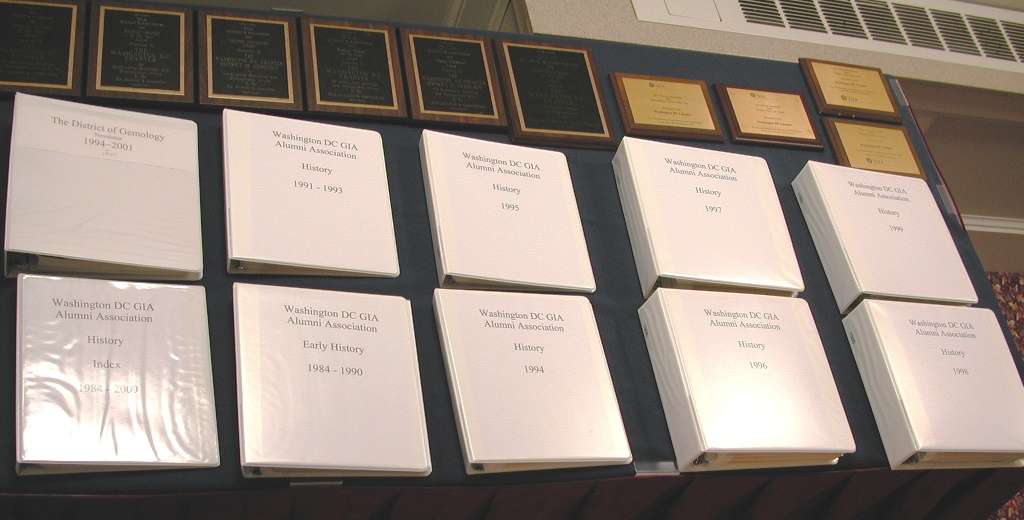
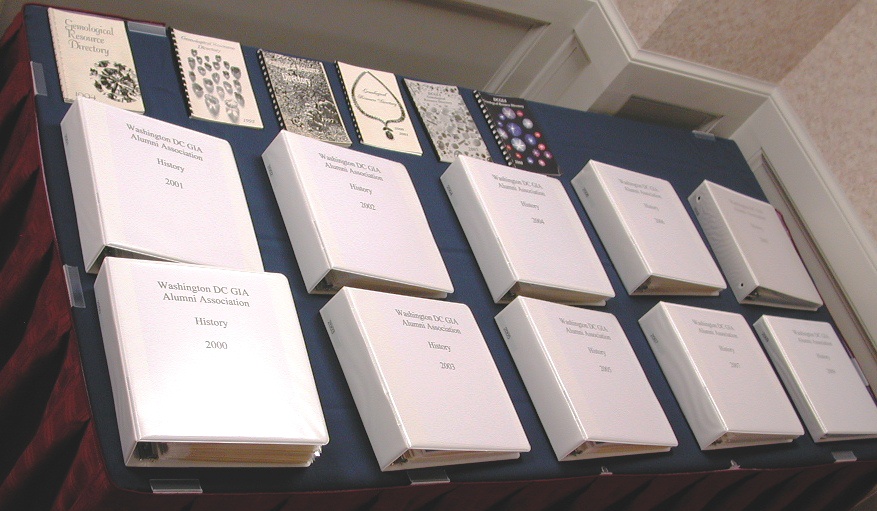
As an added attraction Bobby Mann displayed the chapters 25 Year History that he had compiled into 20 loose leaf volumes for all in attendance to see who were not able to attend the 25 Year Celebration Party on September 12th.

25 Years of History

25 Years of History


Also available at the meeting were a few souvenir Mugs from the party as well as a booklet on the chapter’s 25-year history.

pic6pic7


The 25 Year History will be on display with the awards won through the years at our Party/Auction on Sunday December 6th.

Meeting Summary & Photos by Bobby Mann

Posted in Meeting Archives | 1 Comment

“RUBIES, SAPPHIRES & EMERALDS: THEN AND NOW”

Ms. Renée Newman

Ms. Renée Newman

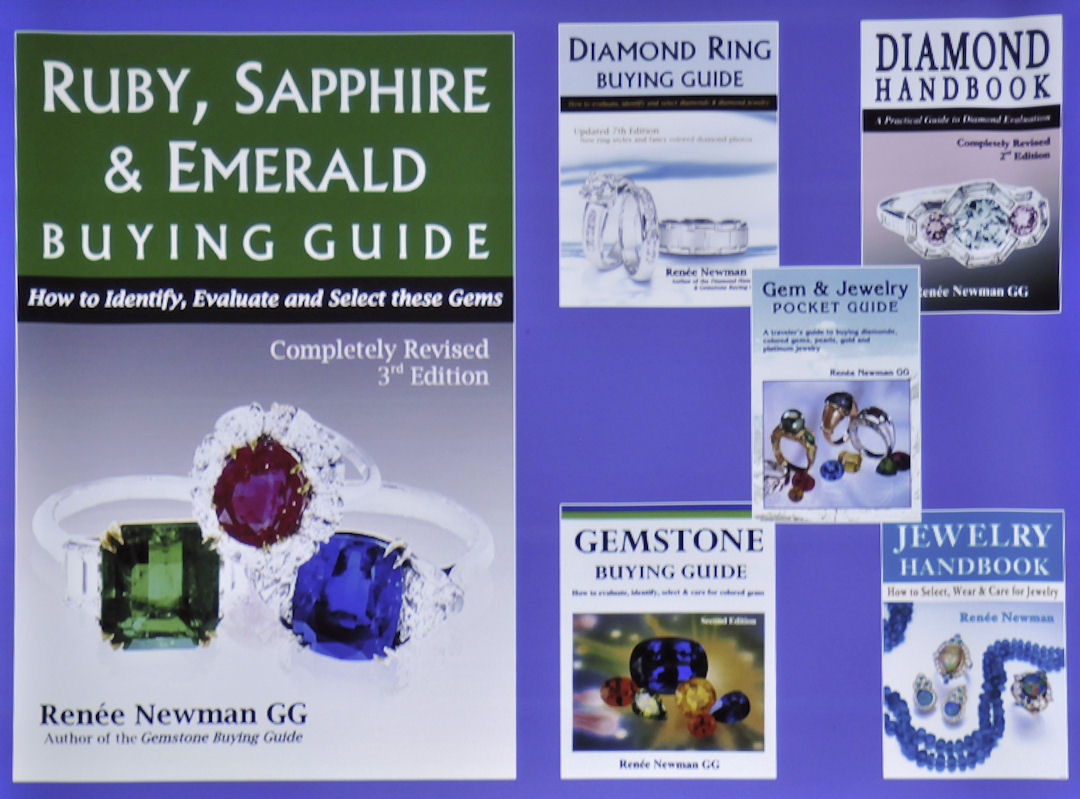
On Thursday, August 6, 2009, Ms. Renée Newman reported on changes in the ruby, sapphire, and emerald trade since first publication of her buying guide in 1991.

Her lecture, was well-illustrated with pictures from her extensive collection, detailed new sources of the stones and, especially, how these stones are enhanced.

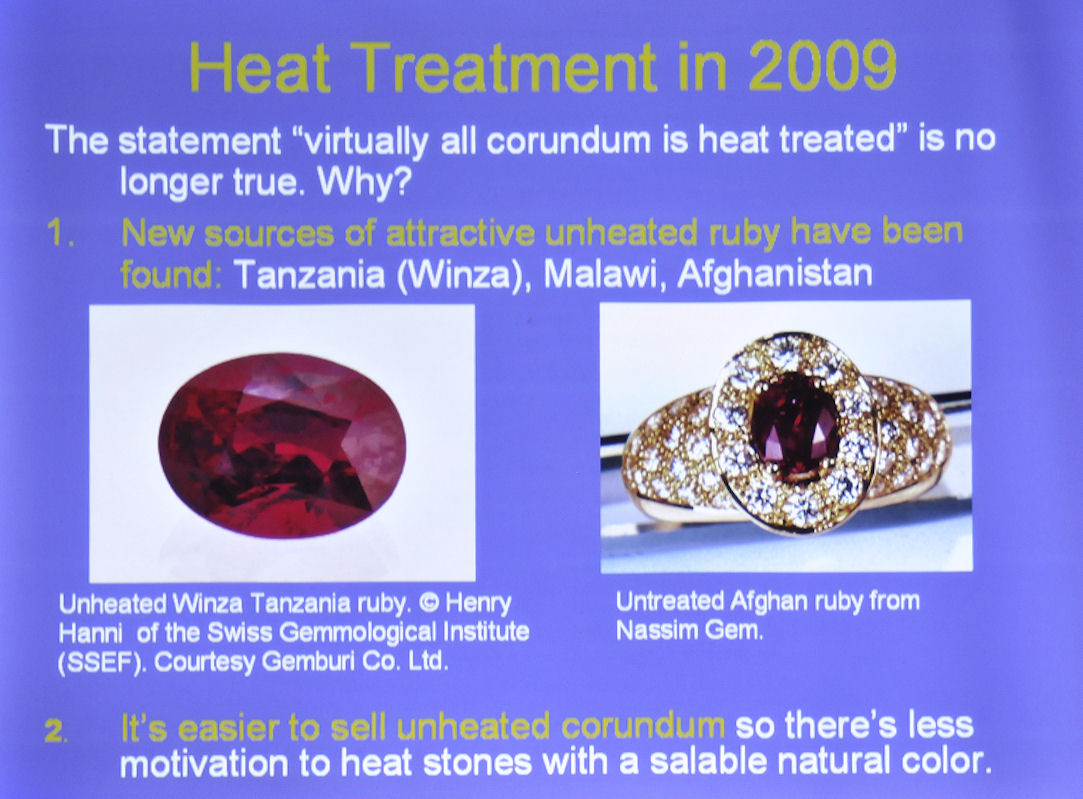
She described several new treatments that strengthen color or curtail brittleness. Almost one hundred per cent of stones today are at least heat treated to improve or change color, she reported.

Ms. Newman began her career in the industry after working as an international tour guide. She began her work in gemstones and jewelry in the 1980s by earning a Graduate Gemologist degree from GIA. Her work in the jewelry industry has focused on advising buyers what to look for in gemstones and jewelry because so many of her clients in the tourism industry wanted information on how to tell quality in jewelry.

pic2pic3


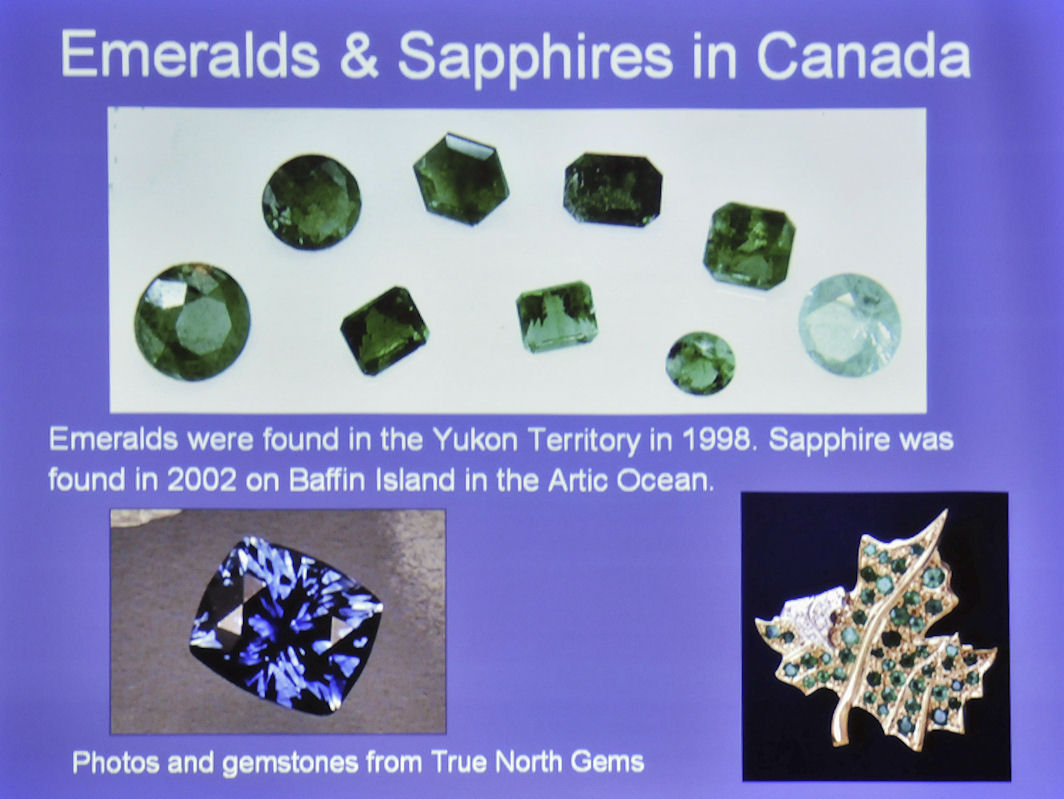
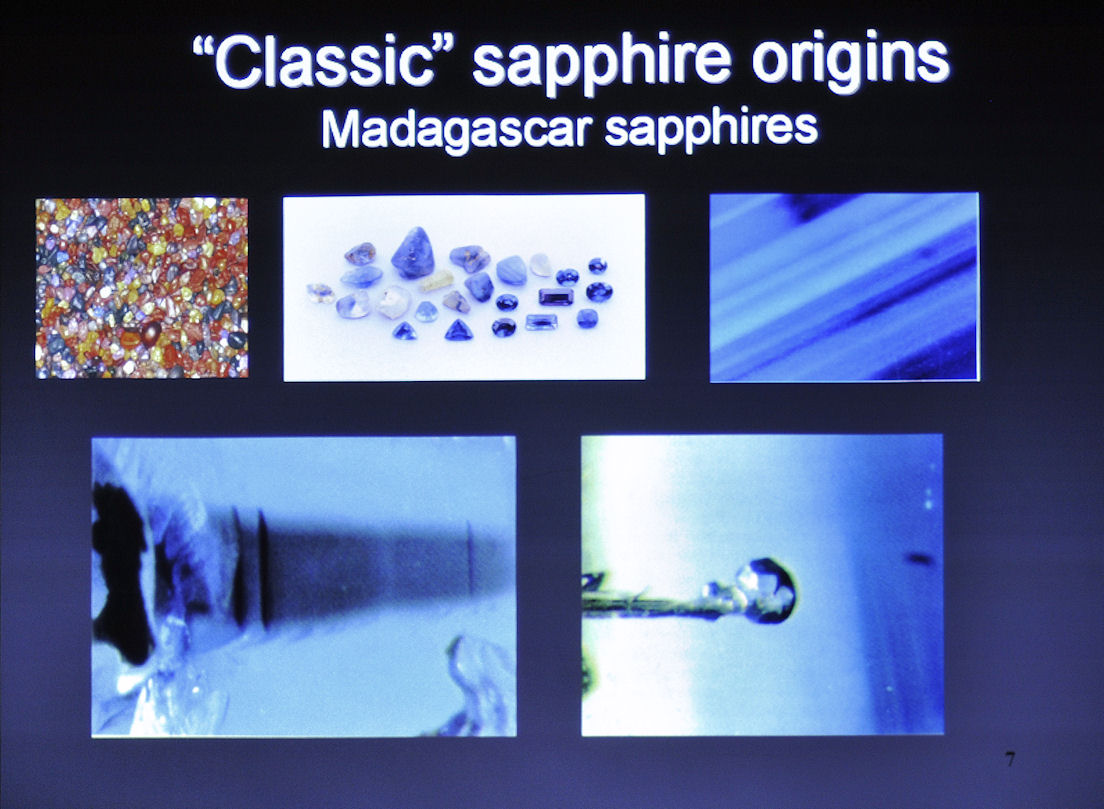
She started the lecture with a discussion of new geographic sources for rubies, sapphires, and emeralds, citing especially Greenland (rubies), Baffin Island (sapphires), Madagascar (for all stones) and northern Canada (emeralds) as new sites. She then discussed treatments, citing introduction of borax flux to fill cracks (especially emeralds) beginning in the 1990s, use of irradiation to enhance or change colors of sapphires (after 2000), oiling and/or dying of rubies to improve their color, and lead glass filling of rubies (1990s onward).

pic4pic5


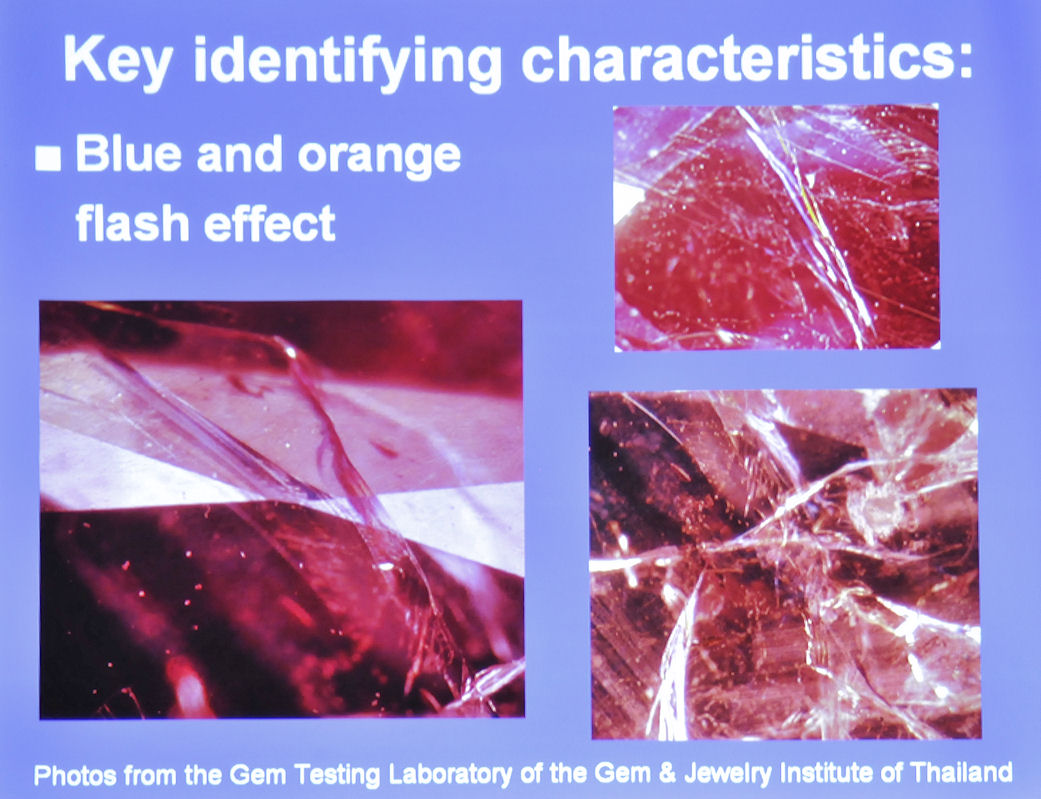
The use of lead glass fillings, she noted, transforms poor quality rubies into very good quality ones, but the filling does not last. The Federal and many state governments, she said, do not want lead in any substances, so ruby or emerald suppliers will be even more reluctant to disclose such treatment. She warned that one should be wary of a dealer selling large rubies at low prices; they are probably lead-glass filled. Another signal that a ruby might be lead-glass filled is the word “composite”, the word now used to describe lead-glass filled ruby. Another new, important type of treatment, lattice diffusion, she emphasized, changes stones’ colors by diffusing coloring ions into the stone through heat. Heavy ions like titanium or chromium do not go deeply into the stone because of their atomic weight, while lighter ions like beryllium will diffuse deeply into the stone.

pic6pic7


Ms. Newman concluded her lecture with some comments on new terms in the industry-especially European use of “modification” in place of enhancement or treatment to describe what has been done to a stone. Another new term is “light green beryl” rather than “poor quality emerald”. Oiling now has two meanings: fill a stone with oil or fill it with oil, wax or resin, or some combination of all three. She also noted that fissure is being used more and more on lab reports rather than fissures. Finally, she bemoaned the closure of AGTA’s lab the week before her talk, another sign of the hard economic times we are living in. The closure will make it more difficult to detect modifications.

Renee & Tony Conway

Renee & Tony Conway


The audience of members and guests appreciated Ms. Newman’s lecture and the pictures she showed. There were several questions at the end of her talk which she readily answered, even though she had delivered a lecture the night before in New York City and then traveled to Washington to be with the DCGIA Alumni Association chapter.

Minutes by: Tim Morgan
Photos by: Melanie Marts

Posted in Meeting Archives | Leave a comment

New and Old Gemstone Sources – New and Renewed Finds

Dr. Lore Kiefert

Dr. Lore Kiefert

On July 6, 2009, the DC Chapter of the GIA Alumni Association was privileged to hear from Dr. Lore Kiefert, Director of the AGTA Gemological Testing Center.

Her presentation, entitled “New and Old Gemstone Sources – New and Renewed Finds”, profiled the past, present, and future with respect to gemstone origins.


pic2pic3


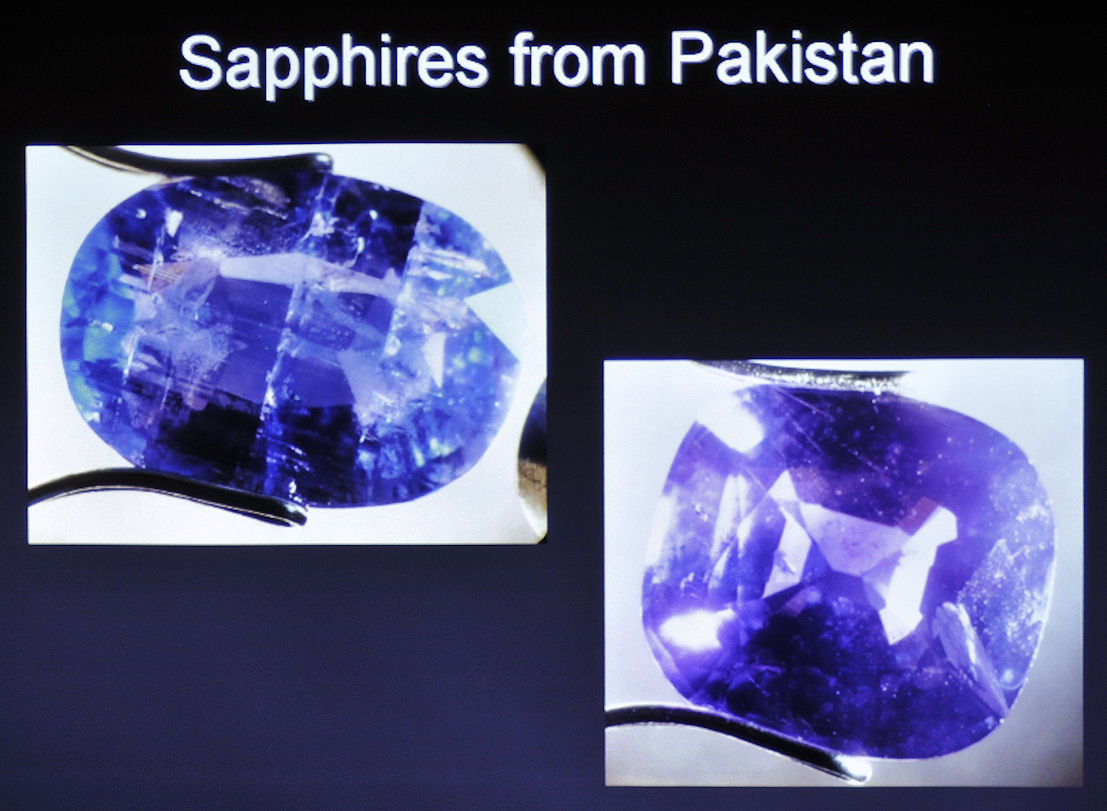
The resultant tour spanned the globe, considering historic locales such as Kashmir, Burma, and Russia, as well as more contemporary finds in East Africa, the Himalayas, Canada, and the U.S.  Dr. Kiefert also highlighted the issues, opportunities, and controversies that can emerge with each new discovery, including matters such as quality, quantity, identification, and nomenclature.

pic4pic5


Dr. Kiefert structured her presentation according to gemstone variety, commencing with sapphire and continuing through, inter alia, ruby, emerald, demantoid, amethyst, and tourmaline.  In general, Dr. Kiefert would introduce each gem with a summary of classic sources, indicating the location and geology of the deposits and showing in detail the inclusion profile characteristic for stones from the location.  She would then explain newer finds for the material, demonstrating once again typical, and potentially, distinguishing inclusions.

pic6pic7


Lastly, to the extent relevant, Dr. Kiefert would explain the contribution to be made by advanced testing techniques in separating stones from the various sources, including use of UV-VIS and FTIR spectroscopy as an aid in chemical analysis.

pic8pic9


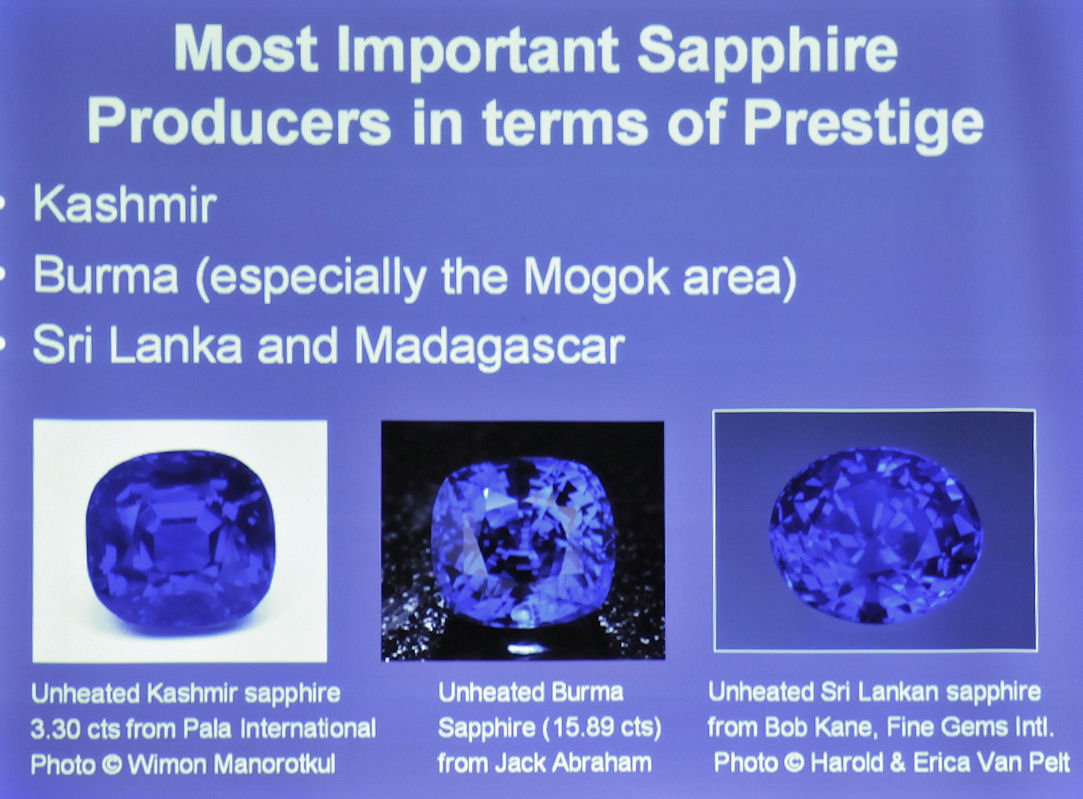
With respect to sapphire, for instance, classic sources include Kashmir, Ceylon, and Burma.  However, Kashmir has also more recently been the source for newer production as well, although largely of lower quality.  Concerning ruby, developments of late have spanned the legal as well as the geographical spectrum.  As importation from the classic source of Burma has been banned in the United States, alternative finds in places such as Tajikistan, Tanzania (Winza), and even Greenland have received increasing focus.

pic10pic11


With emerald, classic sources such as Columbia have been supplemented with a recent discovery in Canada.  Regarding demantoid, supply from the classic Russian mines has been augmented by material from Iran.  Amethyst, while prolific in many regions, is now being seen from Cambodia in a relatively atypical pinkish color.

pic12pic13


Dr. Kiefert closed her presentation with a discussion of copper-bearing or “paraiba” tourmaline, sourced now not only from Paraiba, Brazil, but also from Nigeria and Mozambique, affording insight into both characteristics of the material itself and the resultant nomenclature controversy.   The DCGIA Chapter was truly the beneficiary of a wealth of gemological information from one of the foremost experts in the field.  Thank you, Dr. Kiefert.

pic14pic15


Welcom Back Tony & Donna

Donna - Lore - Tony

Donna - Lore - Tony

Summary prepared by Andrea Blake

Photos by Melanie Marts

Posted in Meeting Archives | 1 Comment