Plate Tectonic Gemstones: Jadeite, Ruby, and Diamond – Robert Stern

Robert Stern

Prof. Robert Stern

Professor Robert Stern provided the chapter members with a a very informative discussion of how gemstones form in a variety of geologic settings. Plate Tectonic Gemstones – Geology 2013

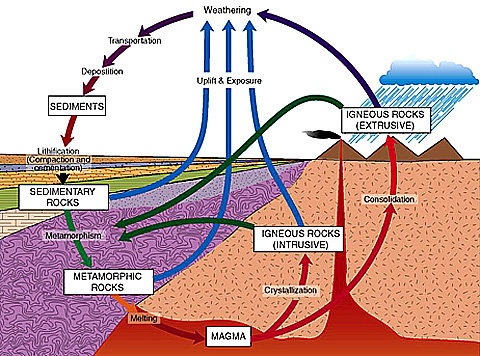
Almost all gems of mineral origin form in the Earth’s crust, with the notable exceptions of peridot and diamond, which form in the mantle, and all of them are mined in or on the Earth’s crust. This gemiferous crust is made up of three types of rocks: igneous, sedimentary and metamorphic, which differ in their origin and characteristics.

Igneous rocks are those which solidify from a molten state, sedimentary rocks form due to consolidation of layered sediments, evaporates, or precipitates, and finally metamorphic rocks result when great temperature and pressure change the crystal structure of either igneous, sedimentary, or other metamorphic rocks.

Rock Cycle

As you can expect many things happen deep in the Earth but certain gemstones are only found in certain environments and can be used to identify the Plate Tectonic environments in which they form. Understanding these tectonic environments helps gemologists understand these gemstones and the location of diagnostic gemstones helps geoscientists understand Plate Tectonics.

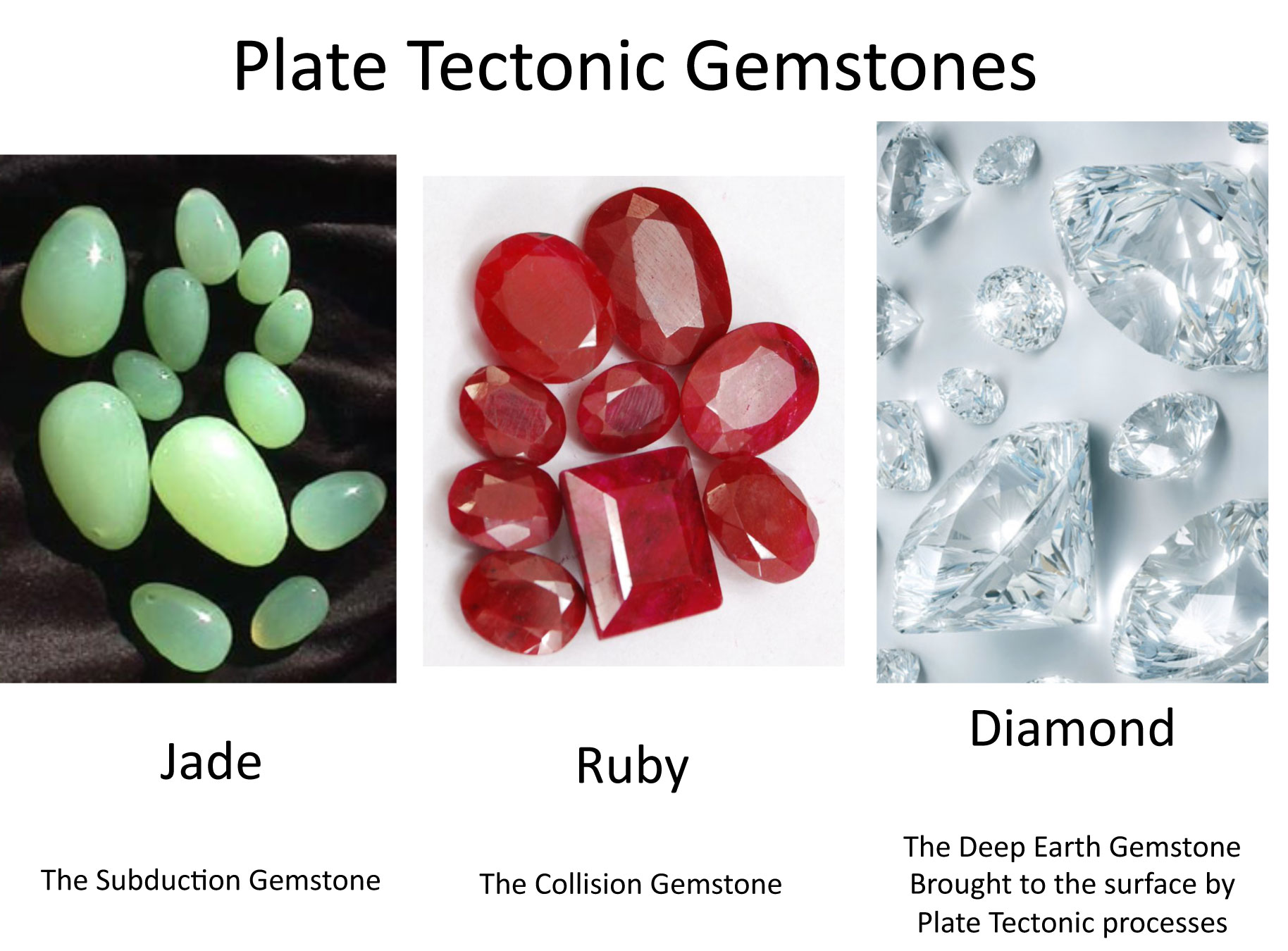
The talk focused on three (3) “Plate Tectonic Gemstones”: Jadeite, Ruby, and Diamond.

Plate Tectonic Gemstones

Jadeitte is the “Subduction Gemstone”
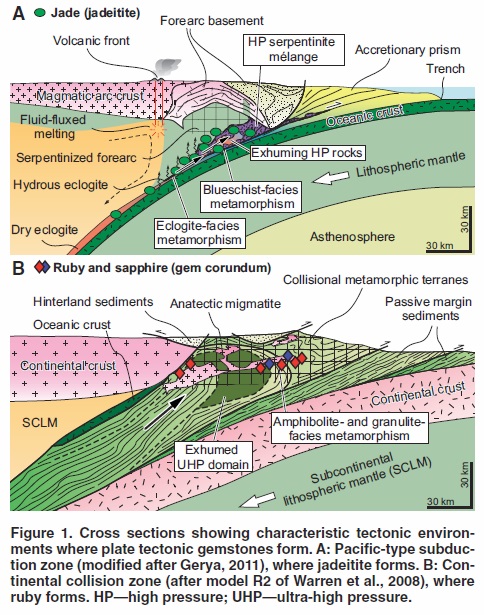
Jadeite forms in the subduction zones, where the seafloor and the underlying oceanic
crust along with the upper mantle sink back into the deeper mantle. Jade forms when
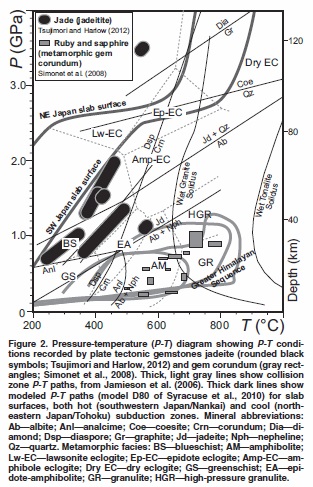
fluids released from subducting oceanic crust condense in the mantle wedge 20-120 KM deep in the earth.

Subduction & CollisionRuby is the “Collision Gemstone”
Ruby forms where continents collided. Rubies are a type of corundum, a rare mineral made up of densely packed aluminum and oxygen atoms, which are normally colorless, but when other atoms are substituted for a few of the aluminum ones, bright hues emerge. In Ruby small amounts of chromium impart the deep red color.

Ruby is formed by undergoing transformation by heat and pressure in the folding of strata with the nearby igneous rock. Igneous rocks form when magma (molten rock) rises from deep underground and cools and solidifies at or near the Earth’s surface. Igneous rock that forms under the ground may later reach the surface because of geological upheaval or when the surface wears away. Metamorphic rocks, like Ruby, are formed when existing
rocks are changed underground by great heat or pressure, or both. When volcanoes erupt and when mountains are formed by the movement of the Earth’s tectonic plates, rocks are heated and squeezed. The minerals in the rocks are then changed, forming metamorphic Rubies 5-35 KM deep in the earth.

Pressure-Temperature

Diamonds are not formed by Plate Tectonics, but are the result of explosive eruption of
kimberlite that carries diamond to the surface as part of the delivery of large volumes of water and carbonate deep in the mantle by subduction zones.

The scenario goes something like this:
Magma, containing diamond crystals, suddenly and explosively finds a path to the surface.

As the lava rises, some of it cools and solidifies underground forming a carrot shaped formation of kimberlite rock, in which the diamond crystals are “frozen”.

The volcanic cone erodes away leaving diamonds at the surface, and underground in the kimberlite (or lamproite) “pipe”.

Summary by Charlie Marts

Posted in Meeting Archives | Tagged , , , , , , , , , | 1 Comment

GLMSDC 2014 Fall Auction

The Gem, Lapidary and Mineral Society of Washington, D.C. – 2014 Fall Auction
Featuring unique minerals from the Catherine J. and Bruce Gaber Collection – Plus gemstones, jewelry, lapidary rough, books, beads, fossils, and more
Sunday, October 26, 2014
Preview, Noon-1 pm – Auction (live and silent), 1-5 pm
Cash and personal checks accepted (Third-party checks will not be accepted)
Woman’s Club of Bethesda
5500 Sonoma Road, Bethesda, MD 20817
Free parking at rear of building and on side streets
Check it out at http://glmsdc.com/auction/

Posted in Announcements | Leave a comment

70X Microscope FOR SALE

DCGIA Chapter Member has a MODEL: 570 0.7 TO 4.2X – 70X Microscope with darkfield and reflective illumination ​FOR SALE
Manufacturer: American Optical Corporation, Buffalo, New York 14215 MADE IN USA
Asking $500
Contact dcgiaorg@cox.net for contact information

Posted in Announcements | Tagged | 1 Comment

Maya Jade-The revival of a gem revered by royalty! – Helen Serras-Herman

HelenWe were all inspired by Maya Jade-The revival of a gem revered by royalty!
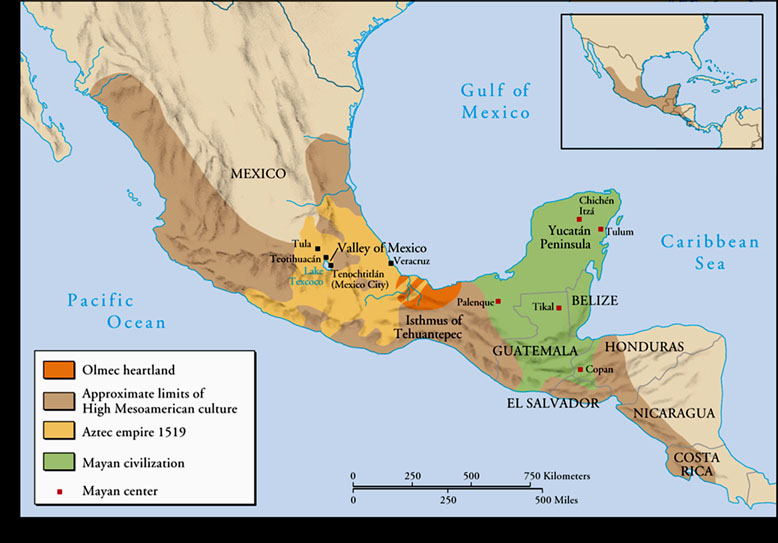
Helen told the story of the Olmec, Maya, and Aztec civilizations, as she covered her recent trips to Mexico and Guatemala, where she visited archaeological sites, museums, galleries and a contemporary jade workshop.

Historically, Meso-american cultures, Mayan, Olmec, Aztec, Toltec, and Zapotec, regarded jadeite as their most precious material. Jadeite was a sacred stone of immense value and meaning, and was carved into religious and utilitarian objects as well as body adornments in the form of beads, intricate carvings, ear plugs and lip jewelry.

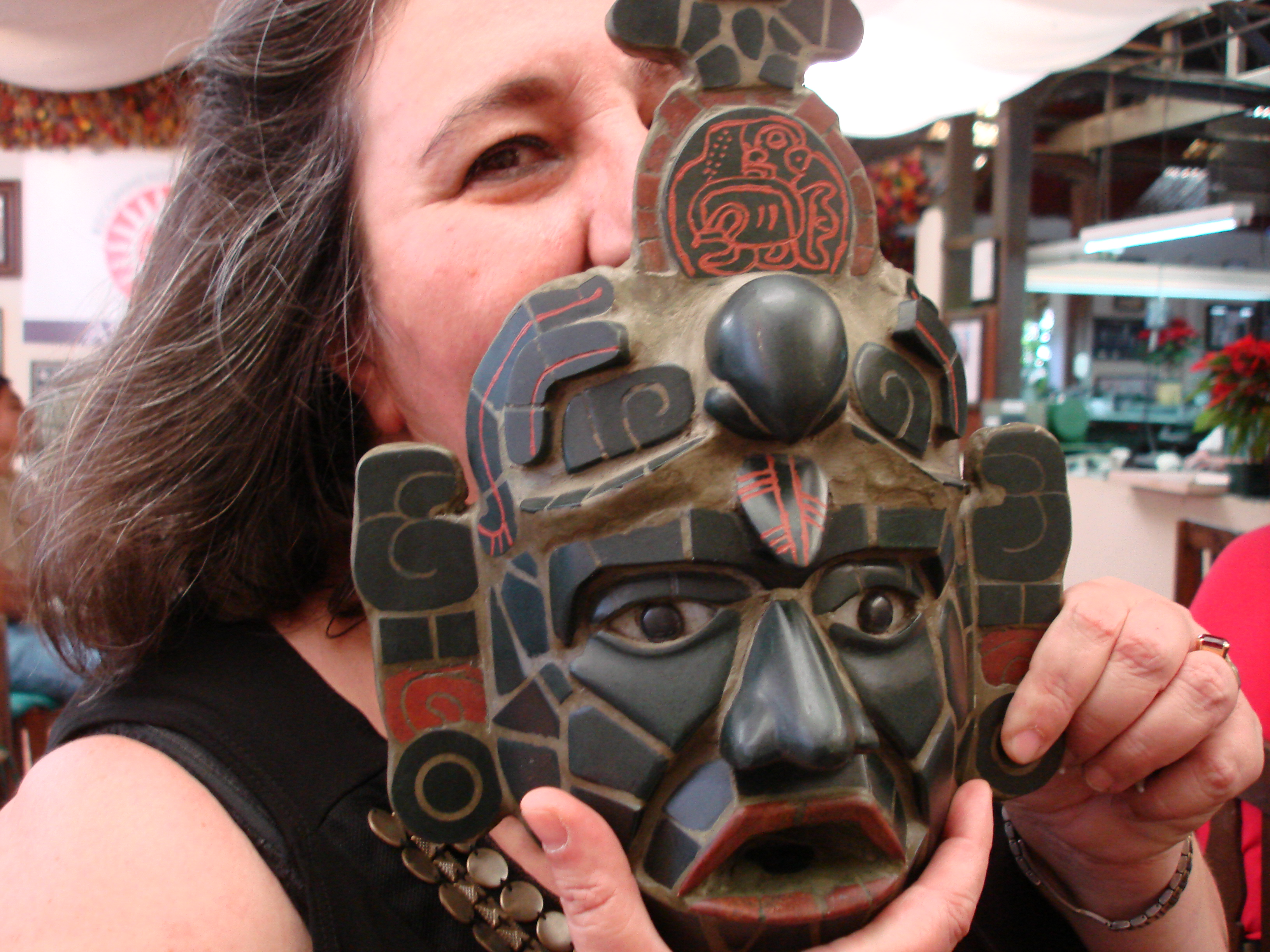
Replica of Tikal mask, Guatemala

Replica of Tikal mask, Guatemala

The most highly desired material to the Maya exhibited a rich green color similar to that of bright green grass. This bright green color was of such importance to this culture that the best material was reserved for royalty. The most desired material for the Olmec culture was the blue and gray spectrum, sometimes known as ‘Olmec Blue’ jadeite, which is today among some of the rarest in the world. The Maya treasured Jade more than Gold, centering their culture around jade’s utility, beauty and perceived power. The value of jade went beyond its material worth, because of its color, mirroring that of water and vegetation, it was symbolically associated with life and death and therefore possessed high religious and spiritual importance. The Maya placed jade beads in the mouth of the dead to capture the soul.

A short presentation of the similarities between The Olmec, Maya, and Aztec, three cultures all located in Mexico and Central America can be found at: Webinar Presentation

mesoamerican_civilizations

mesoamerican_civilizations

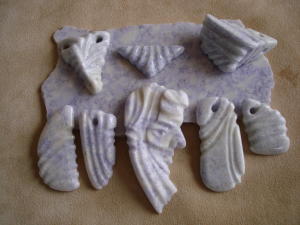
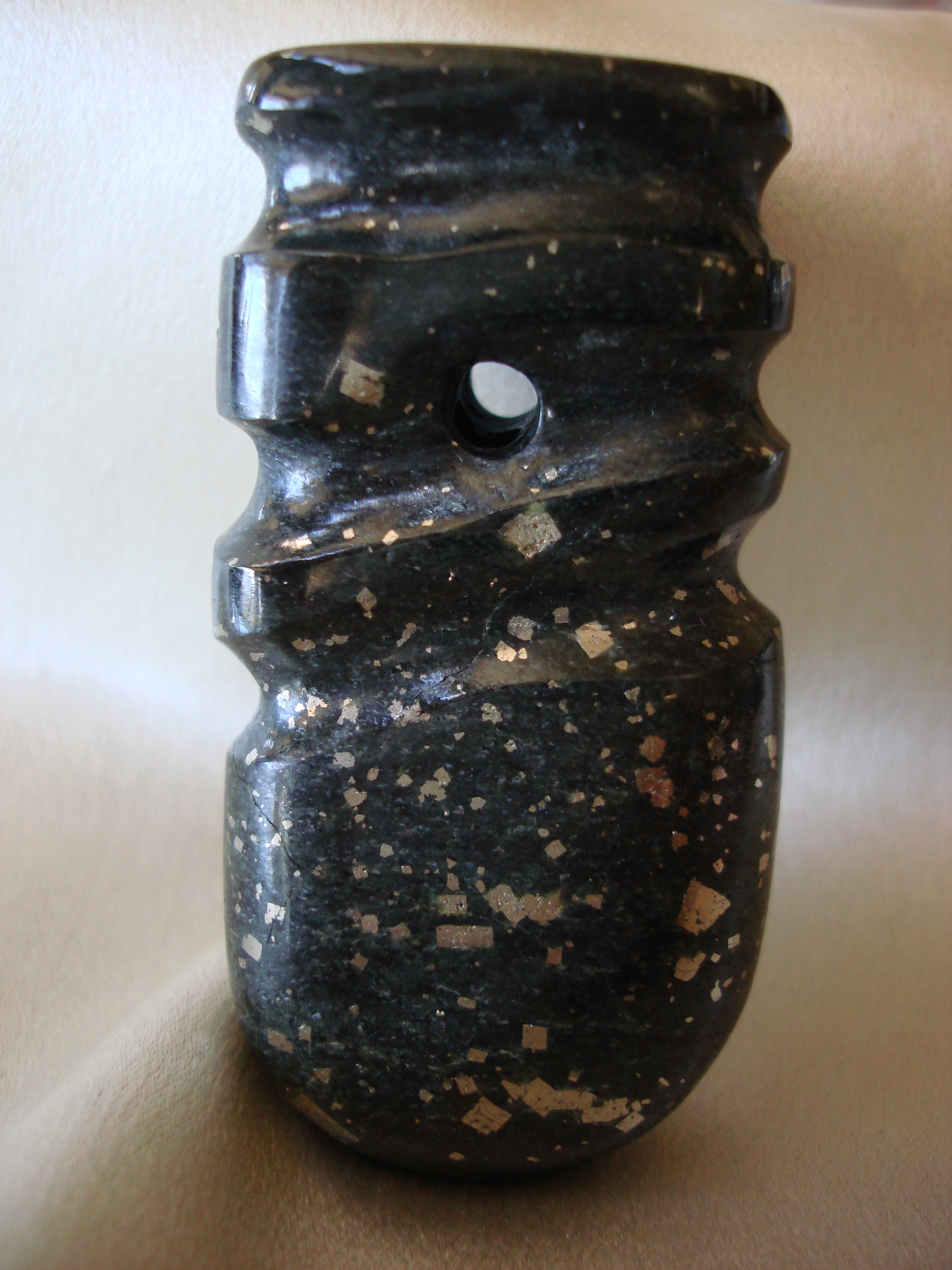
Jade sources were lost for the past 500 years, after the Spanish conquest of the Aztecs. The English word jade was derived from the Spanish term piedra de ijada or “loin stone”, from its reputed efficacy in curing ailments of the loins and kidneys.  Archaeologist Mary Lou Ridinger and Jay Ridinger re-discovered the lost jadeite jade mining locations in 1974. Ridinger also discovered many varieties of Central American jadeite that had never before been seen, such as lilac jade and a variety of jadeite with pyrite inclusions.

Helen dedicated the talk and her Maya Jade Jewelry collection to friends that made her take notice and fall in love with jade, jewelry historian and appraiser the late Anna Miller, photographer and gemologist Fred Ward, and archaeologist and Jade Maya Gallery owner Mary Lou Ridinger, who re-discovered the jade sources in Guatemala.

In Jades of Mesoamerica, author and jade expert Fred Ward has compiled exhaustive research on Guatemalan jadeite used in the ancient Maya culture. He wrote that discoveries of jadeite in the Motagua Valley area of Guatemala (also known as the Motagua Fault Zone) confirm the country as the source for most if not all of the jadeite used by Meso-americans for three thousand years.

“JADE” is a generic term which describes two different silicate rocks, sodium and aluminium rich Pyroxene is called “Jadeite”, while magnesium and iron rich Amphibole
is called “Nephrite”. Though superficially similar, they are quite different in terms of their mineralogical crystal matrix. Jade is very hard and durable, making it ideal for extremely detailed carvings and complex shapes. Although commonly thought as being green, jade comes in a rainbow of  colors. Jadeite is the harder and denser of the two rocks and possesses a richer, more brilliant range of colors. Nephrite is a carving quality stone,
that is rarely found in central America. See more at Jades S.A. Factory website at: Jade Maya Gallery website.

Jadeite measures between 6.0 and 7.0 Mohs hardness, and nephrite between 6.0 and 6.5, so it could be worked by the ancient Maya carvers with crushed garnet.

There are three primary sources for true jadeite jade – Clear Creek, California – Motagua River Valley, Guatemala – and Burma/Myanmar. Currently, it is illegal to export jadeite from Burma due to political issues and enforced bans. Nephrite occurs throughout the world and is particularly plentiful in British Columbia, Canada – Wyoming, USA – and throughout Europe and Asia.

Pure jade is white, it is mineral impurities (iron, chromium, cobalt and others) in the material which determine the color of the material. Jadeite’s color spectrum includes red-oranges, greens, blues, grays, white, purple, violet, lavender, black and variations of all of these.

The Maya Jade Collection is Helen’s newest work, celebrating Jadeite and thrilling those of us who had a chance to see and feel her jewelry pieces.

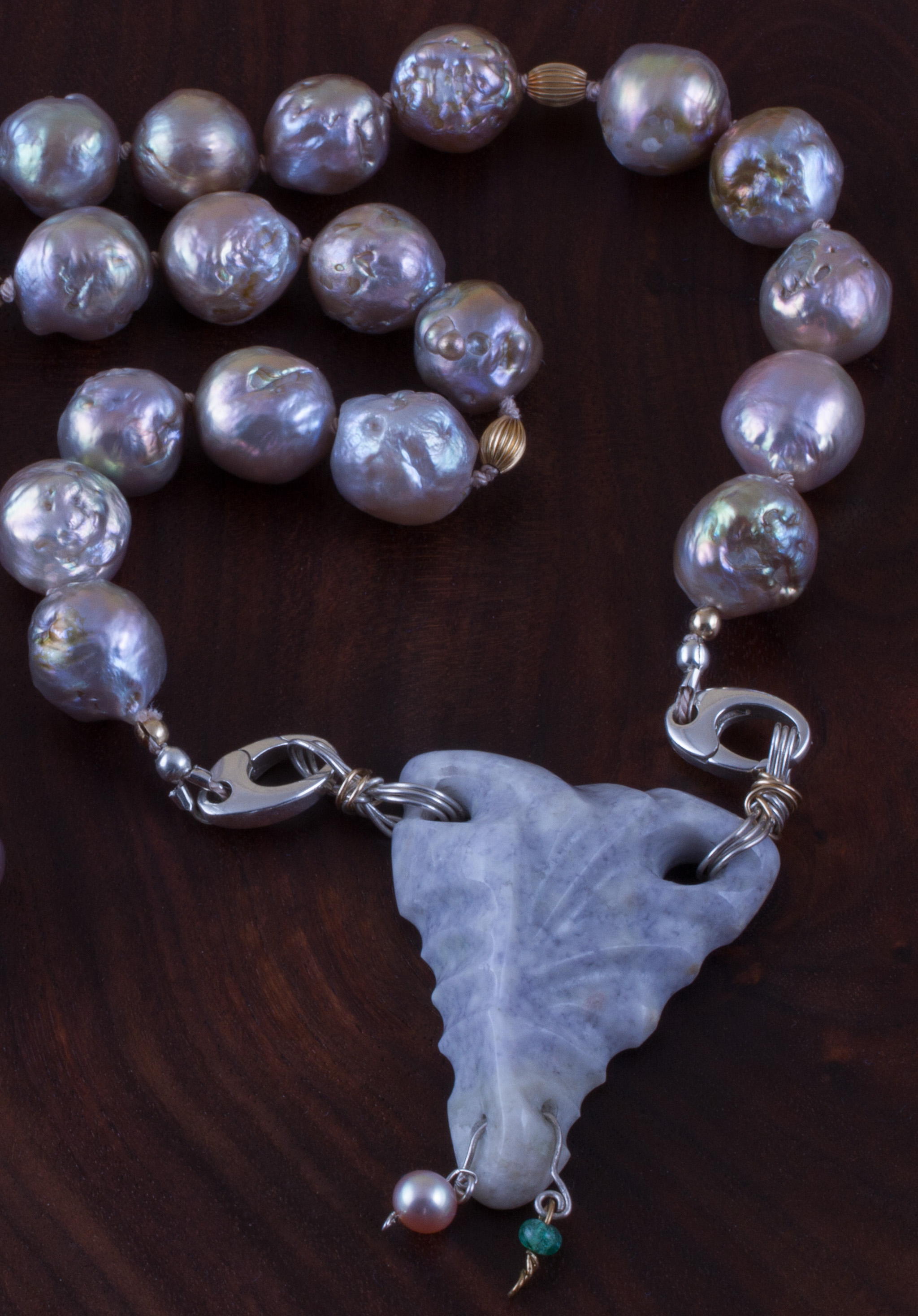
lavender-jade-carvings-by-helen

lavender jade carvings by Helen Serras-Herman

Celtic Symbol in Jade

Celtic Symbol in Jade

Visit Helen Serras-Herman website, and her Facebook page at Gem Art Center/ Helen Serras-Herman, to see her art and jewelry for yourself!

"Through Your Eyes" Maya jade

“Through Your Eyes” Maya Jade

The DCGIA Chapter sends a heart felt thanks out to Helen for sharing her jade passion with us.

Summary by Charlie Marts

Posted in Meeting Archives | Tagged , , , , , , , , , , | Leave a comment

Two Different Views – Elyse Zorn Karlin and Gail Brett Levine

Gail+Elyse

Gail & Elyse

Elyse Zorn Karlin and Gail Brett Levine enthralled members with their “Two different views…what we have learned in 80+ years of studying jewelry.” Covering the alphabet from A to Z the two provided a jewelry historian’s and appraiser’s thoughts on what makes a piece of jewelry distinctive. Different time periods brought different types of jewelry, dependent on what was happening in society at the time, external and internal factors of war, industry and fashion, as well as the sources that were being mined and discovered. Go to auctions of every kind, especially the large ones, Christie’s in NY and Weschler’s in DC to name a few, they want you there and they want to answer questions about the jewelry and other objects available for auction. Auctions are great places to see and learn about all types and periods of jewelry.

A is for Art Nouveau – A style of jewelry-making burst forth from the vibrant European arts scene. The Art Nouveau (literally “New Art”) era, lasting from 1890 to 1910, overlapped with the Edwardian and Victorian eras and was relatively brief, though it made a lasting contribution to the meaning of magnificent jewelry.  Art Nouveau was influenced by depictions of nature in Japanese art, looked to the natural world for inspiration, making art a part of daily life. Art Nouveau pieces are some of the most sought-after collectibles in the world today.

B is for Berlin Iron Jewelry – Jewelry materials can change during wars. Berlin Iron Jewelry can be traced back to when the Prussian royal family urged all citizens to contribute their gold and silver jewellery towards funding the war against Napoleon. In return the people were given iron jewellery such as brooches and finger rings, often with the inscription in german (I gave gold for iron), or (For the welfare of our fatherland), or with a portrait of Frederick William III of Prussia on the back. Pieces were lacquered so they would not rust. Today Berlin Iron Jewellery are collector’s items and true pieces are found in museums or private collections. Replicas are widely manufactured and are easy to obtain especially over the internet.

B is for Bog Oak Jewelry – Not all dark Victorian jewelry is jet. Bog Oak Jewelry is often misconceived to be an imitation of jet, bog oak is a material used quite often in sentimental jewelry and is visually similar in both its color and carving to jet jewelry. Bog Oak Jewelry popularity comes directly from the demand for jet in the 1870s, which was large enough to provoke its imitators (vulcanite) and rivals such as bog oak. Hailing from Ireland, bog oak designs often present Irish motifs, the shamrock and harp, as well as castles are often carved into brooches. It is a fossilised wood and quite easily carved, but does not take a high polish like jet. Bog Oak is dark brown and shows a wooden patina.

C is for Cannatille Work – There is Georgian jewelry in the marketplace, just not as much as Victorian, and cannatille work is an indication. Cannatille work is a close relative of filigree, it features fine gold wires or thinly hammered sheets, utilizing twisted strands of gold wire wound into elaborate designs. Jewelry with cannetille was very popular in the 1820’s and 1830’s, with motifs including tendrils, scrolls, coils, beehives and spider web rosettes.

C is for Creole Earrings – Funky and fashionable, not all Victorian earrings are the long dangling type we think of. Creole Earring style goes back even further and is related to today’s hoop jewelry.

D is for Double Clip – The double clip brooch was very significant in the Art Deco era, as it allowed for multiple types of wear. It came with a custom, fitted brooch frame to wear both sides together at the same time, or the frame piece could be taken away and the pieces could be worn each on opposite lapels as pins.

D is for Diadem and other jewels you wear on your head – There are more things to put on your head than just a crown and they all have their own names. Diadem, Crown, Tiara, Bandeau, Ferroniere, hair comb, aigrette, turban ornament. A diadem is a type of crown, specifically an ornamental headband worn by Eastern monarchs and others as a badge of royalty. The circlet of linen or cloth of gold at the base of the tiara developed into a metal crown. Bandeau, A narrow band worn around the head to hold the hair in position. A ferronière is a style of headband that encircles the wearer’s forehead, usually with a small jewel suspended in the center. It was worn in the late fifteenth century and was revived in the second quarter of the nineteenth century for both day and evening wear.  Aigrette is a spray of feathers or gems worn on a hat or in the hair.

E is for Estate jewelry – Estate jewelry doesn’t necessarily mean antique jewelry. Estate jewelry can mean from Edwardian to made yesterday but pre-owned, the intrigue of estate jewelry is in each item’s individual history.

E is for Engine Turned Design – Engine turning is created when a decoration lathe cuts grooves in geometric patterns into metal. It is used to decorate the cases of pocket watches and other small items. The pattern is engraved, so the reflection of light is enhanced, as the object moves from side to side. Such a symmetrical pattern can’t be done by hand.

F is for Foil – Foil was common in Georgian jewelry. The most common cuts used in Georgian designs were rose-cuts and table-cuts. The setters routinely backed the rose-cut diamonds with a reflecting foil to enhance the beauty of the diamonds. The Georgian period is named after the four successive English kings George I, George II, George III and George IV and it spans most of the 18th and part of the 19th century. In jewelry art it generally means between 1714 and 1830, although these are not fixed dates.

F is for Fool’s Gold or iron pyrite = marcasite – Popular in several different jewelry periods as “faux diamonds”. It’s possible you’ve never seen pyrite jewelry, this is because it is incorrectly called marcasite jewelry. Marcasite resembles pyrite and even has the same chemical formula, with a different crystal structure that makes it lighter and easier to break. Reproductions are being made today.

G is for Granulation – Granulation was an ancient (Etruscan) technique whereby a surface is covered in spherules or granules of precious metal.The techniquw was lost, rediscovered by the Castellanis and has been revived by artists like Daniel Brush and John Paul Miller.

G is for Guilloche´ and other enamels – Common types of enamels you will find in jewelry are guilloches, champleve’, cloisonne, plique a jour. The guilloche’ technique involves carving a design into a base metal, then filling it with different colors and opacities of enamel paint. Champlevé is an enamelling technique in which troughs or cells are carved, etched, die struck, or cast into the surface of a metal object, and filled with enamel, fired until the enamel fuses, cooled and polished. Cloisonné is another ancient technique for decorating metalwork objects, using enamel, or inlays of cut gemstones, glass, and other materials. The decoration is formed by first adding compartments to the metal object by soldering or adhering silver or gold wires. These remain visible in the finished piece, separating the different compartments of the enamel or inlays, which are often of several colors. Plique-à-jour is an enamelling technique where the enamel is applied in cells, similar to cloisonné, but with no backing in the final product, so light can shine through the transparent or translucent enamel.

H is for Hallmarks – Maker marks inside a piece of jewelry mean something. They can tell where a piece was made, who made it, when it was made, if it was shipped outside the country where it was made.

H is for Horn – Horn, tortoiseshell, amber and natural plastics have been used in various periods of jewelry. Horn is still being used, tortoise are protected so use is now illegal.

I is for Ivory – Ivory was used in many different periods of jewelry, banned today so any new jewelry that appears to be ivory is not.

I is for Intaglio – There are more than just cameos. Intaglios inset carvings used in ancient times as seals and seal rings, in Victorian names as watch fobs,
contemporary versions are still being made.

If you missed this meeting, you missed a wealth of information too long to completely summarize here!

J is for Jet – J is for JADE – K is for Karat – L is for Lavaliere
L is for Longchain – M is for Marriages – M is for Mississippi River Pearls
N is for Niello – N is for Negligee necklace – O is for Original fitted boxes
O is for Opals – P is for Provenance – P is for Pique´
Q is Queen’s jewels – R is for Runway jewelry – R is for Rhinestones
S is for Signed vs. unsigned – S is for Stomacher – T is for Tutti frutti
T is for Tremblant – V is for Victorian – V is for Vermeil
W is for Prince of Wales – W is for Wirework – X is for—We can’t think of anything that starts with x! – Y is for Yellow Diamonds
Z is for Zebra jewelry – Z is for Zipper Necklace

DCGIA Thank you both (Elyse and Gail) for providing an informative and enjoyable evening to us all!
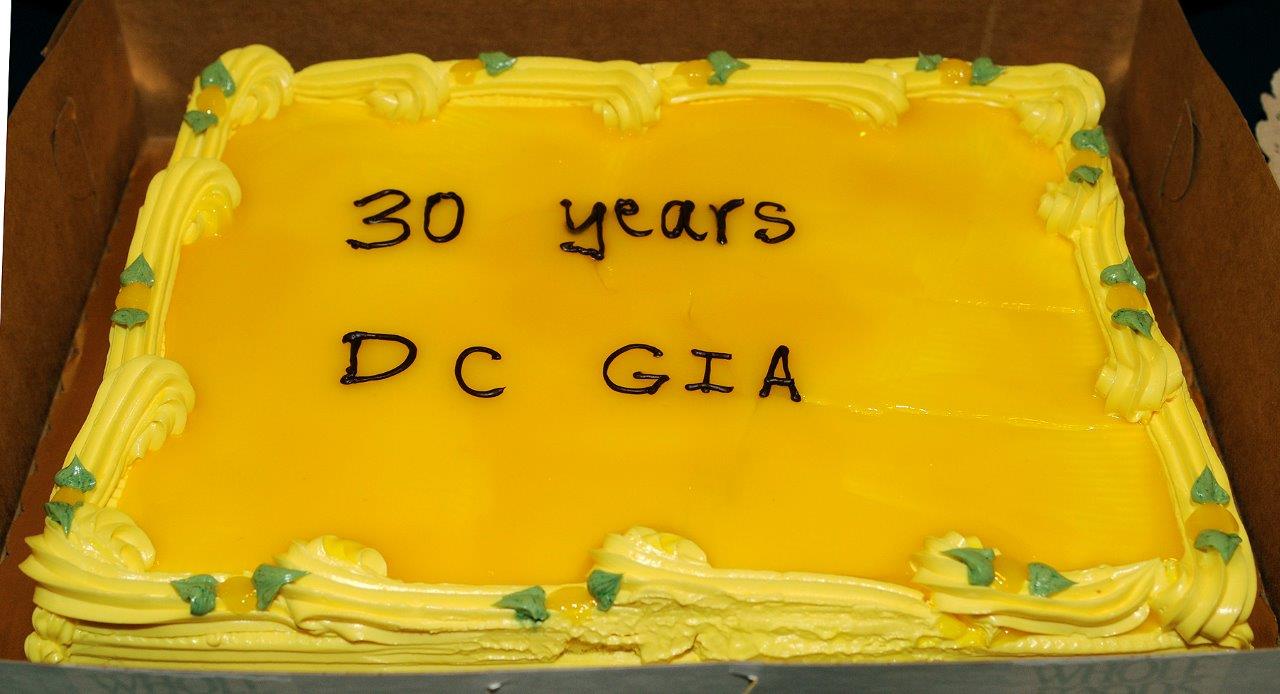
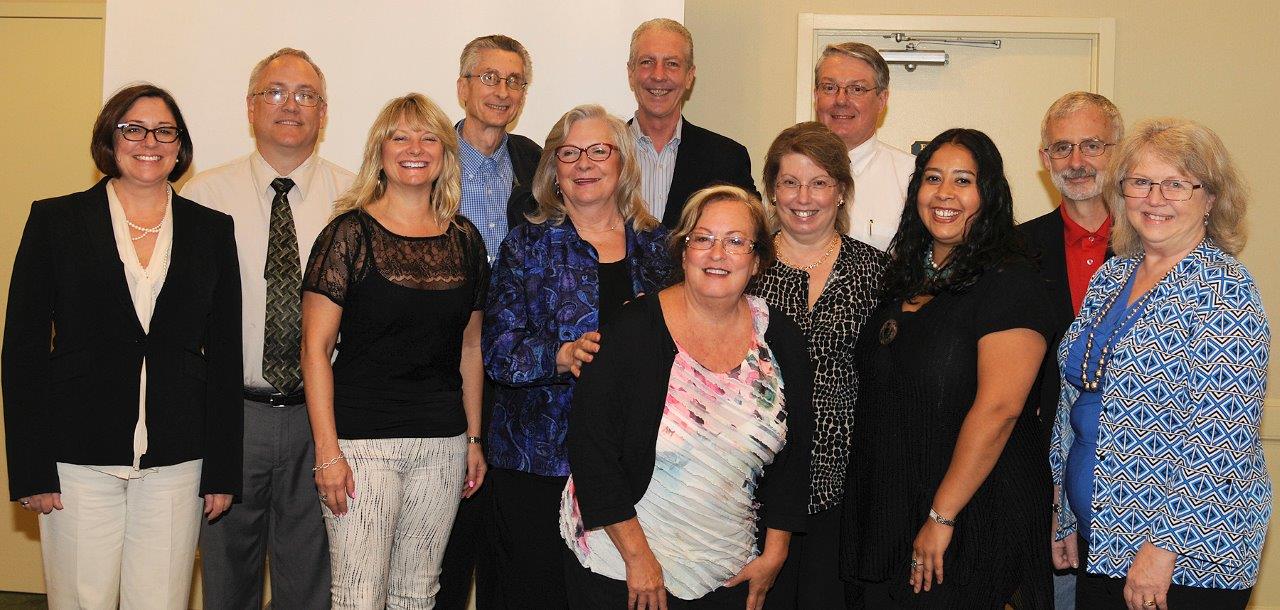
Happy 30th Anniversary DCGIA!

Happy 30th Anniversary DCGIA!

NAJA Members

Thanks also go out to all our NAJA Memebers as well!

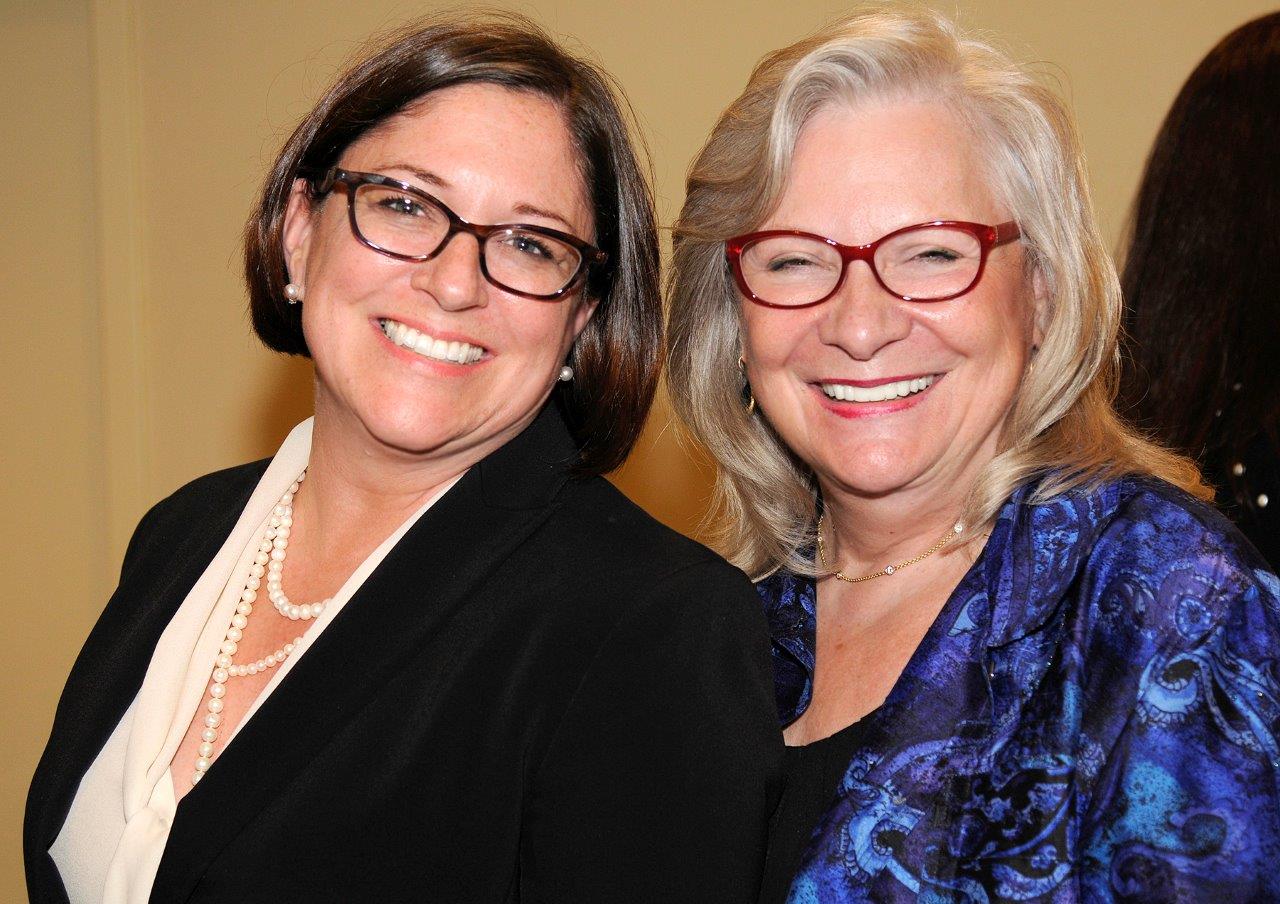
Deborah + Gail

Deborah Finleon & Gail

Summary by Charlie Marts

Photos by Melanie Marts, GG (GIA)

Posted in Meeting Archives | Tagged , , , | Leave a comment

Archaeogemmology – Dr. Çigdem Lüle

Çigdem Lüle, PhD, FGA., GG (GIA) is a Turkish born research gemologist and mineralogist. Çigdem works at Gemworld International in Chicago (Email: clule@gemguide.com) and spent the weekend providing training for ASA at Martin Fuller’s office. Çigdem graciously accepted our request that she share with the chapter.

Museums display gemstones, many of which go misidentified or unidentified. Often you will find that identification plates in a museum provide lots of information on a piece of art or other object, but only a single word on a gemstone. Any gemologist can provide identification, but archaeologists really want to know where it is from or how it got here, more than what it is. The interest is in the storied history of the find.

Arhaeogemology

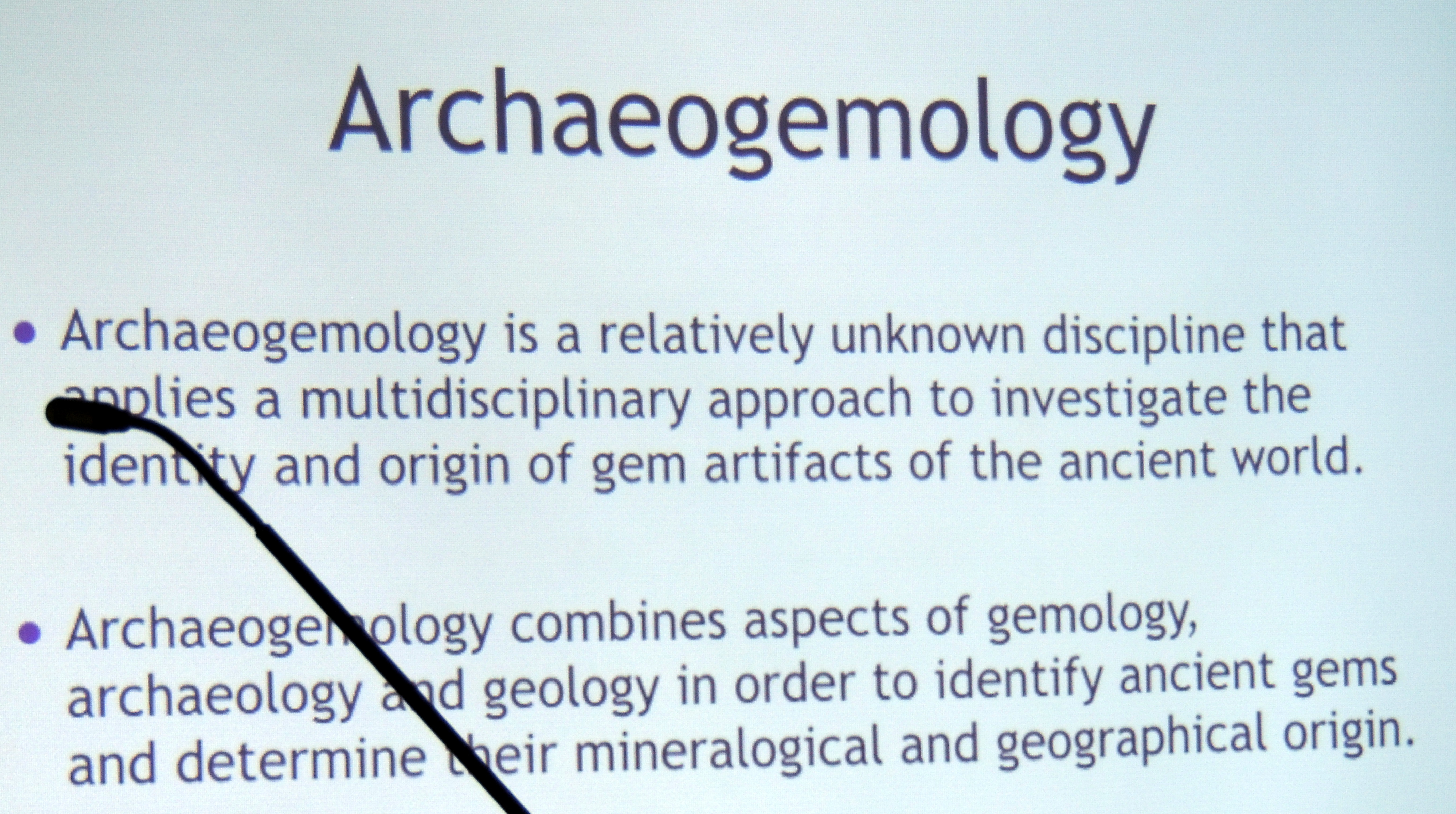
Archaeogemology combines aspects of gemology, archaeology and geology in order to identify ancient gems and determine their mineralogical and geographical origin. Chemical and mineral make up of gemstones will often provide the geographical location for the gemstones creation. Color and inclusions of many gemstones are caused by specific mixes of minerals often found in specific geographical locations. Archaeogemology sometimes can corroborate ancient texts describing treatment recipes used by ancient lapidaries and attest to origins for which other evidence is scant or tenuous. The problem is comparing or
matching ancient gemstones, that may be from areas that stopped being used centuries ago, to modern day rough or gemstones. Archaeology is needed to trace down and find these ancient sources.

The importance of archaeogemogolgy is to contribute gem origin based information to aid in the investigation and knowledge of social patterns such as migration and the trade routes of ancient cultures and civilizations. There are very few publications on ancient
gemstones and where they came from (country of origin). Why was the origin of gemstones not known? Traders and merchants often monopolized their business by hiding their sources with false stories and fairy tales to ensure future business.

Most jewelry in archaeology is found in graves or baths. Which makes the Roman Empire and the propagation of baths throughout the empire very important to archaeology and ancient jewelry.

To understand the ancient societies you can follow trade routes. Spices were very important in the curing and preservation of food without refrigeration. To be ‘worth one’s salt’ is to be worth one’s pay. Our word salary derives from the Latin salarium,
(sal is Latin for salt). For thousand of years salt was highly prized, the expression comes from the Roman army paying it’s soldiers partly in actual salt or in money to buy salt. Spices were small, dry, not perishable, and light in weight, making them easy to transport
over long distances. Gemstones likewise were also small and light making them an easy addition to any traders goods.

Silk Road

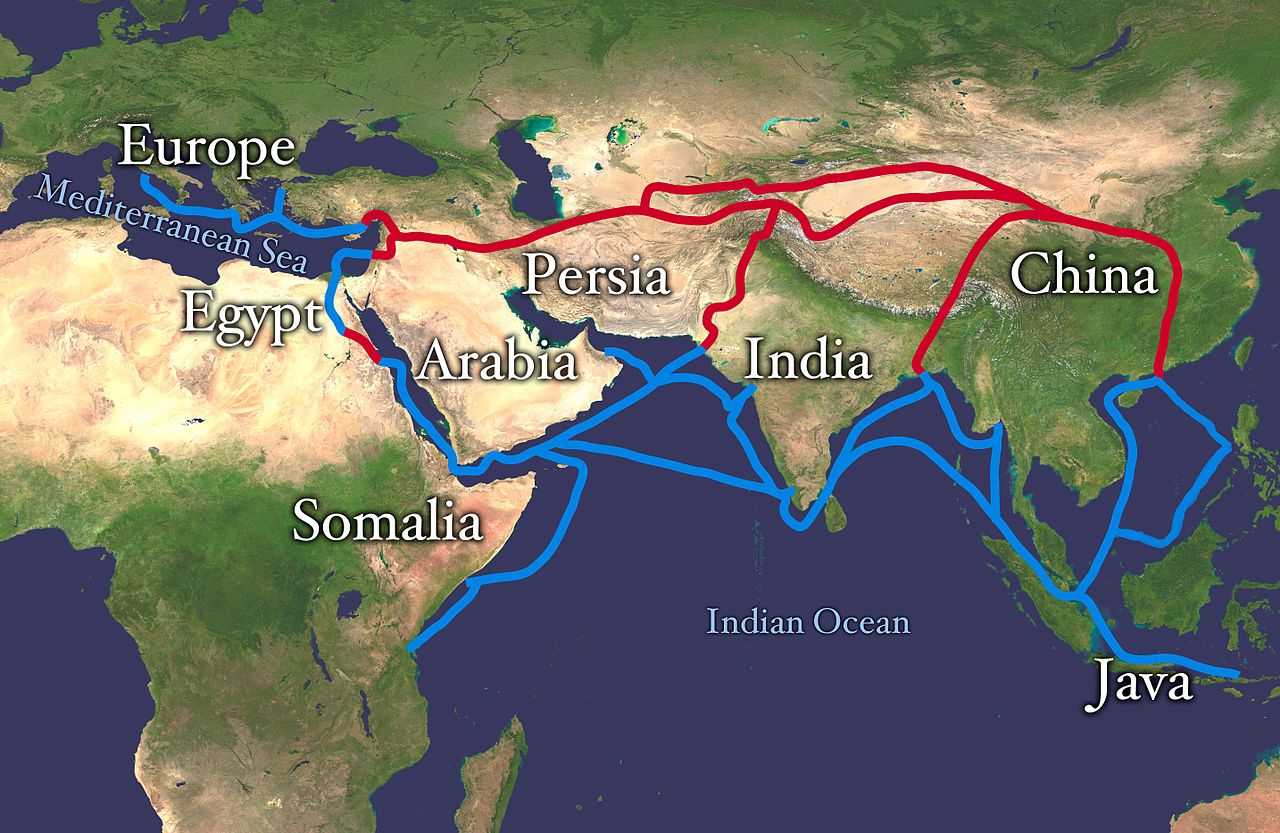
The super highway of ancient times was the Silk-Route, where you can see how spices, silks, gemstones as well as cultures and religions moved back and forth between China, India, Persia, Turkey, Arabia, Egypt, Rome and Europe. It was not a single road but many roads into remote regions that linked traders, merchants, pilgrims, monks, soldiers, nomads, and urban dwellers together. Sea routes were also open and eventually became the primary routes of commerce.

Alabanda is a newly excavated site by Turkish Archaeologists. Historical stories stated that red garnet was mounted in the city walls. Excavation of Alabanda city walls, which were made out of local sourced rocks, contain red garnets naturally embedded in the rock.

Alabanda Excavations

The ancient Persians believed that the earth rested on a giant sapphire and its reflection colored the sky. Çigdem shared this ancient Sapphire to prove it.

Antique SapphireFaceted stones were not common in ancient times, it is a relatively recent practice starting sometime in the 15th century. So to see an ancient stone polished in this fashion shows that “Old does not necessarily mean Primitive” as mastery was required to create such a piece.

DCGIA thanks Çigdem for providing us with such an informative and interesting evening.

Summary by Charlie Marts


Posted in Meeting Archives | Tagged , , , , , | Leave a comment

Montgomery County Gold Mine History – Walter A. Goetz

Walter Goetz

Walter & Myrtle Goetz

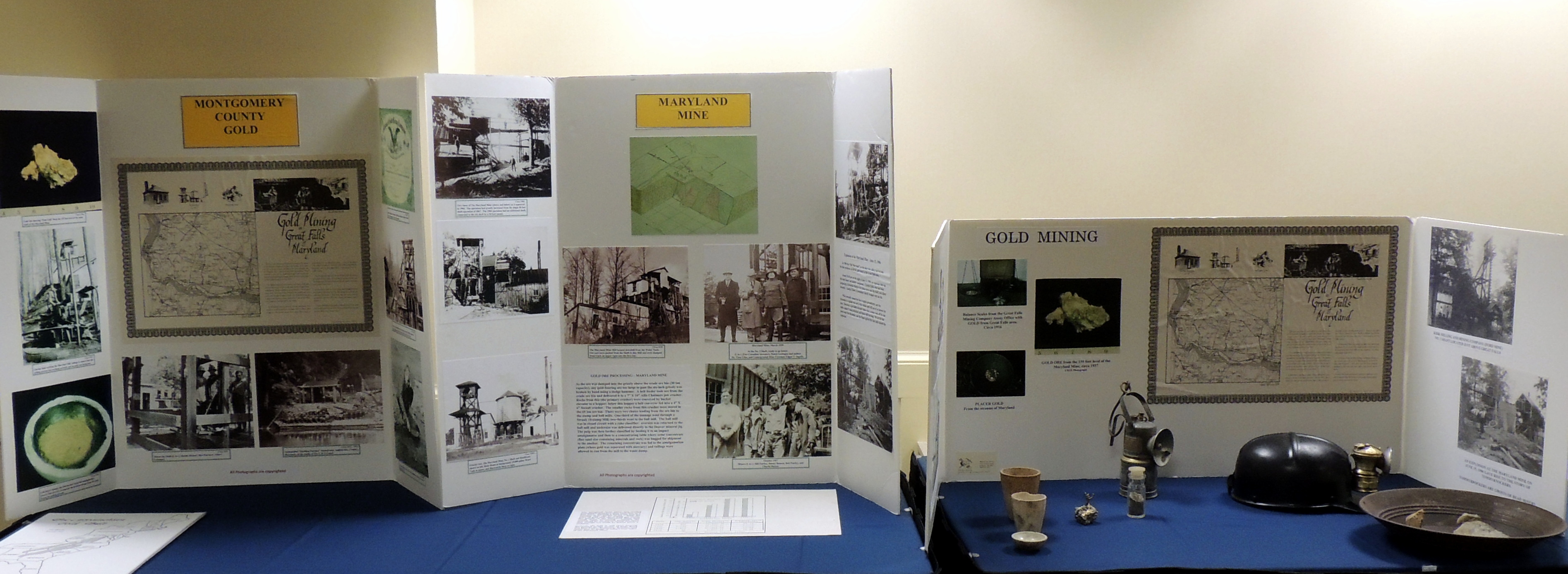
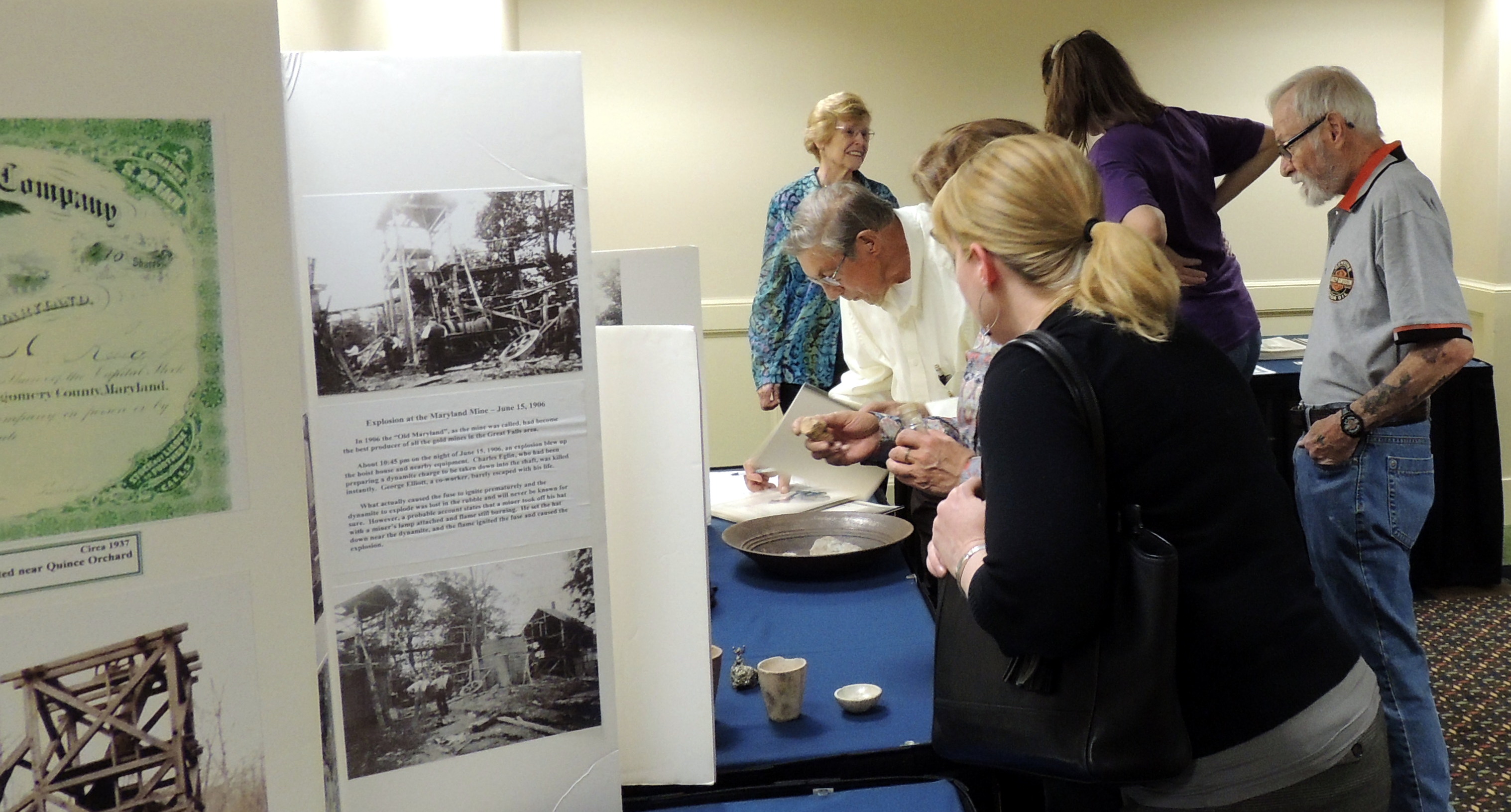
Walter A. Goetz a leading authority on gold mining in Maryland, enthralled the DCGIA Chapter membership with his extensive research, and personal adventures locating and verifying the “on site” remains of the gold mines once actively worked in our area.

Walter is a great reference for Maryland gold mines, with a large collection of books, memorabilia, photographs, vintage maps,
reference documents, copies of vintage newspaper articles, and personal interviews. Having started this research 30 years ago
Walter continues to update and expand this collection on Maryland gold mining history.

Gold

East Coast Gold

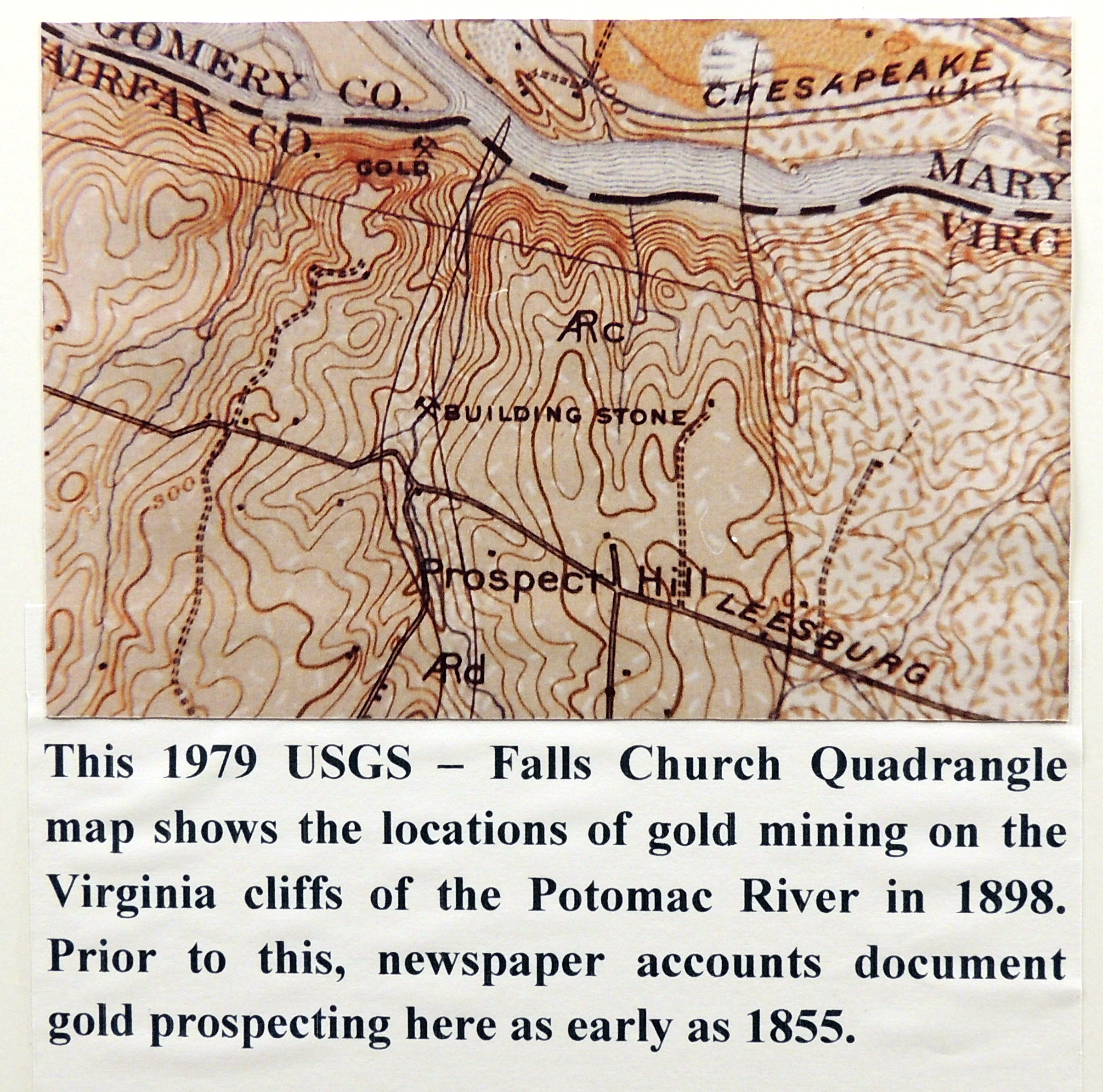
Many of us were surprised to know that within easy walking distance of the National Capital there are no less than a half-dozen gold mines, that were once in operation. Gold was discovered in southern Montgomery County during the Civil War and the first of many mines and prospects began operating around 1867.


The most successful, was the Maryland Mine whose remains are preserved today near the intersection of Falls Road and Mac Arthur Boulevard. Prospecting was an extensive industry along the banks of the Potomac, from a point near Georgetown up the river, past Great Falls, as far as Point of Rocks. Although no mining is currently underway in Maryland, individuals still seeking their fortunes in gold are likely to find it all along the Potomac River.

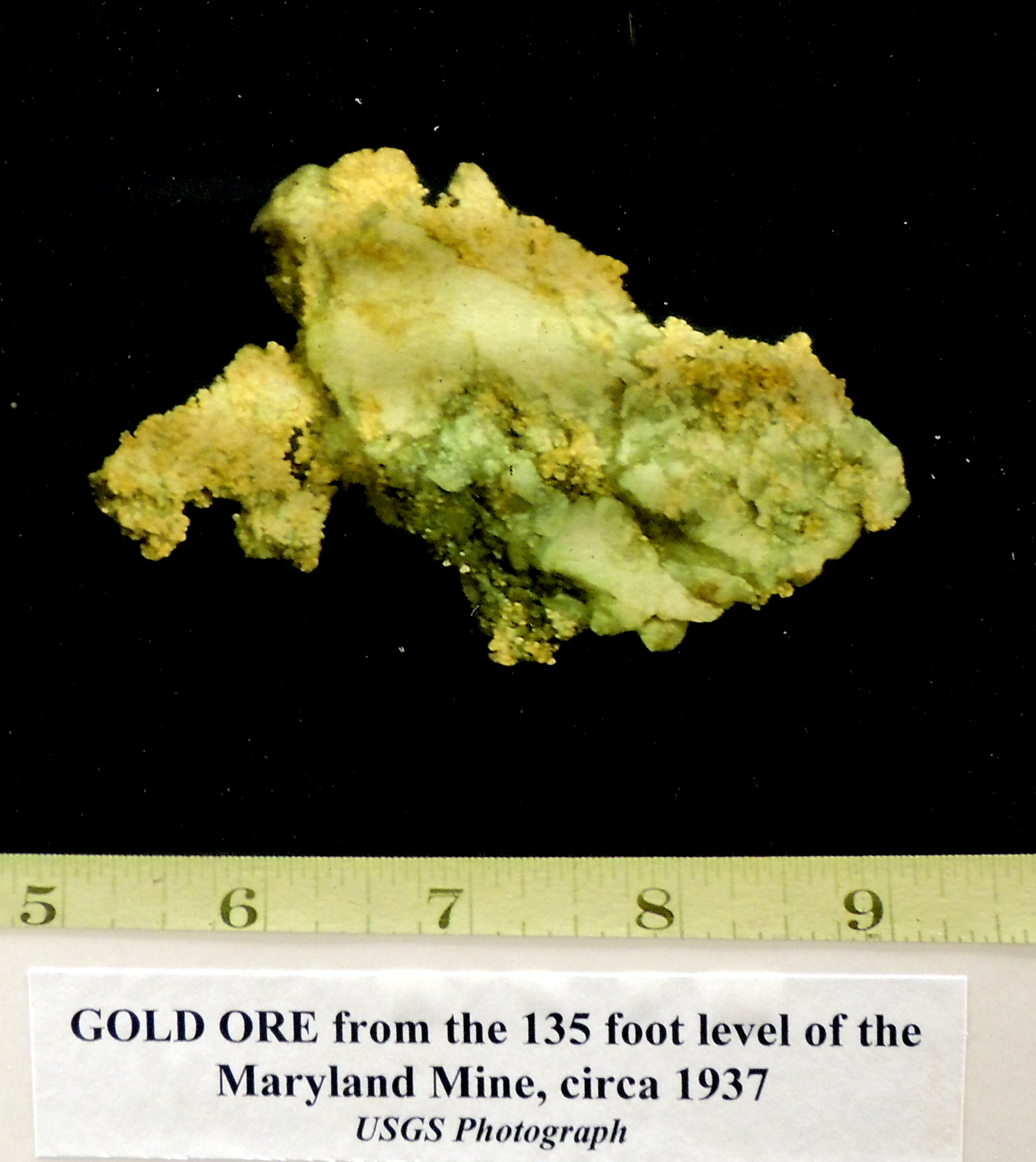
Gold ore

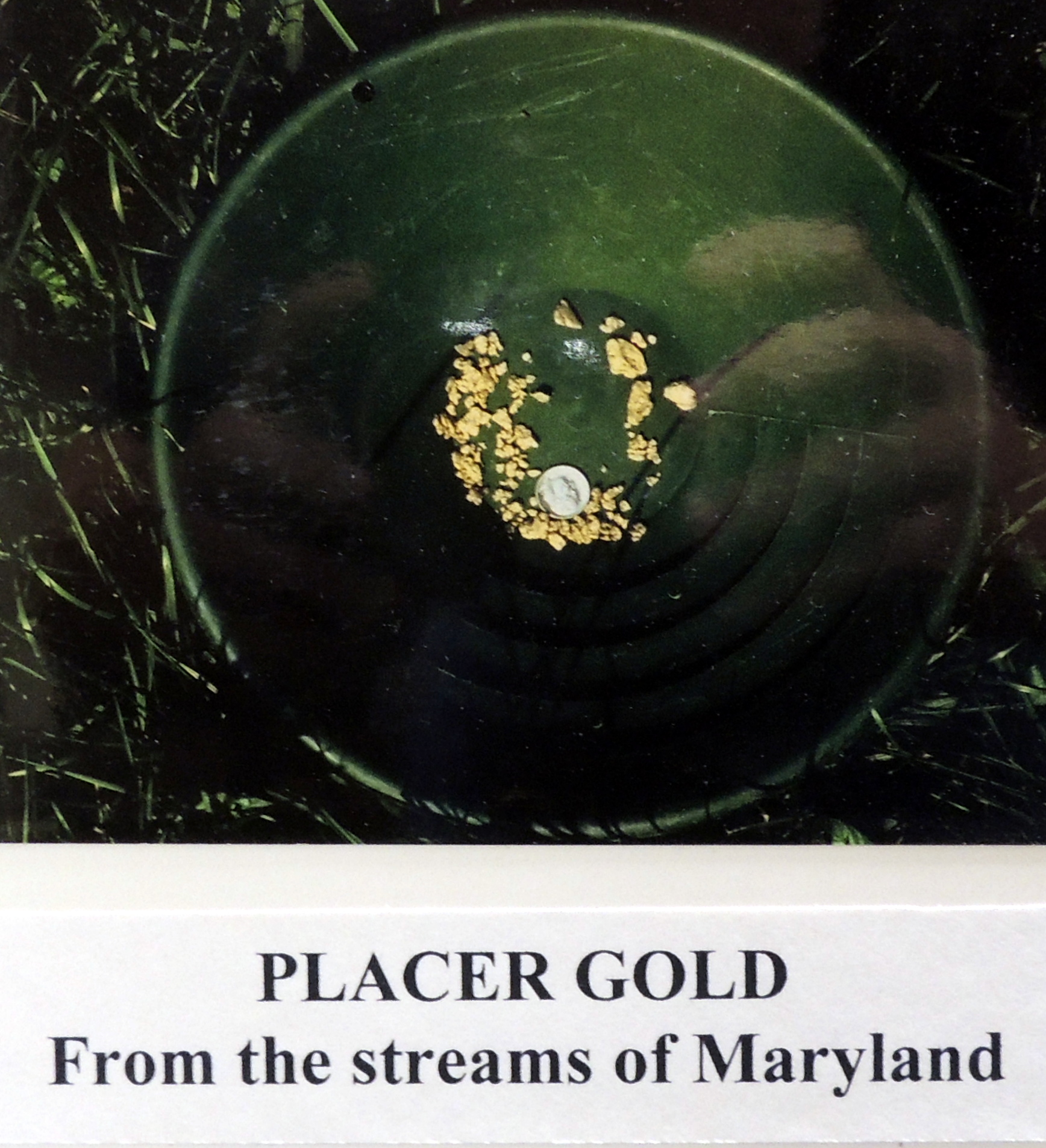
The ideal spot for panning is down slope from an old mine along the curve in the stream or river. The gold, freed from the rock by
weathering, washes downhill from the outcrop and settles to the bottom of the stream. Since gold is heavier than sand, it will remain on the bottom of the stream or river. A pan full of swirling water and sediment and can be used to easily separate the heavier gold.

Pan for Gold

There are still reports of gold being found in Maryland’s streams today!

Virginia Gold

MacArthur Boulevard, built near the Potomac River just before the Civil War, was later repaved with gold-bearing quartz rock
from the Maryland mining areas. This may well be what started the saying that American Roads were made of GOLD.

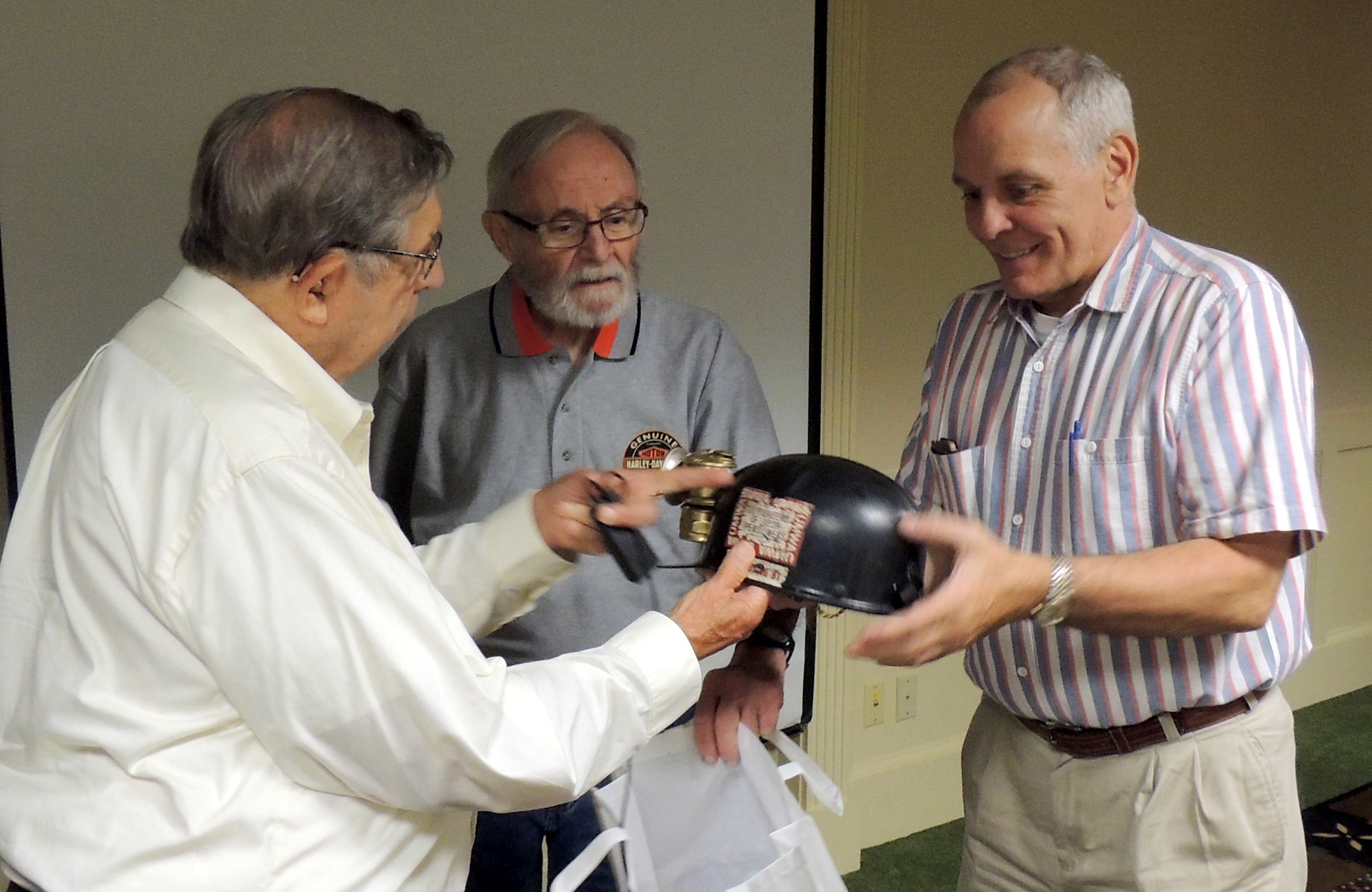
DCGIA Members

The DCGIA Chapter Thanks Walter for taking the time and sharing Gold Fever with Us!

Gold Miner Hat

Summary & Photos by Charlie Marts

Posted in Meeting Archives | Tagged , , , , , | 3 Comments

17th Century Diamonds & Pearls – Dr. Brenda Foreman

Brenda ForemanBrenda Forman enlightened the DCGIA Chapter with the history of Diamonds & Pearls in the 17th Century.

The 16th century was the time for goldsmiths, where ornate gold work was more important than gemstones. Diamonds were used in a table cut that rendered the diamond looking black, as little light reflected back through the table.

Brenda discussed the historic Kings and Queens of the 17th century, covering the history and royal gems of:
James I & VI (1566 – 1625), King of England and Scotland
Henry IV (1553 – 1610), King of France,Henry IV
Marie de’ Medici (1573 – 1642), Queen of France
Louis XIII (1601 – 1643), King of France
Cardinal Richelieu (1585 – 1642), Chief minister of France
Jules Mazarin (1602 – 1661), Chief minister of France
Anne Stuart (1665–1714), Queen of Great Britain
Louis XIV (1638 – 1715), King of France, The Sun King
Jean-Baptiste Tavernier, (1605-1689), Gem dealer to King Louis XIV

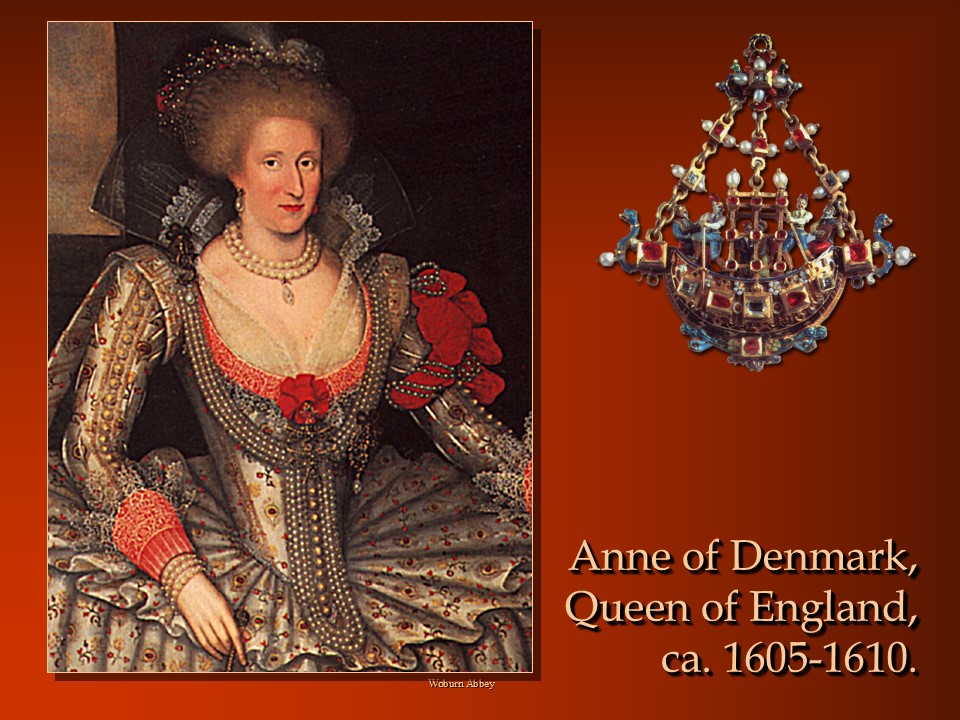
The 17th century was both diamond and pearl-crazy, as this portrait of Queen Anne demonstrates.

Queen Anne

Woburn Abbey

Queen Anne set the fashion of the day, with pearl buttons on her sleeves, bodice and skirt, a pearl choker, plus multiple pearl ropes draped from her shoulders to hang below her waist. As well as pearl bodkins in her hair and on her headdress. Pearls were not necessarily natural, many glass versions were available for use in both jewelry and clothing adornments.

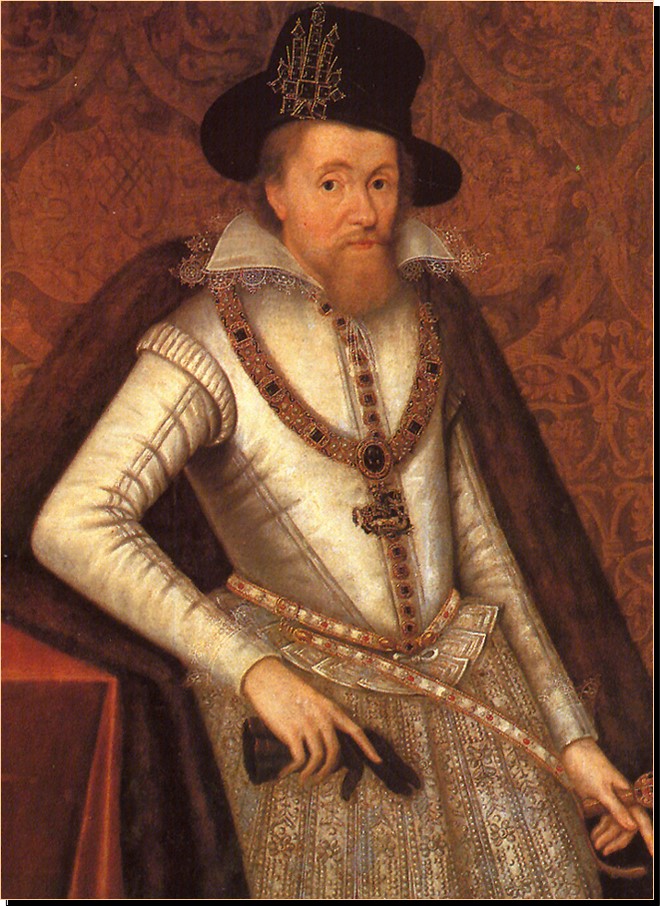
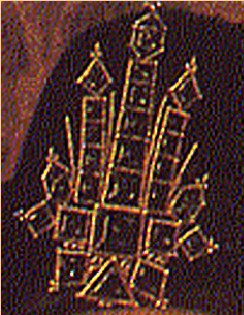
James I & VI, King of England and Scotland, was Queen Elizabeth’s successor as ruler of England. James began the dispersal of the Crown jewels he’d inherited from Elizabeth and broke up some of the most important pieces to create the huge jewel in his hat brim, which was named the Feather.

King James I

Dulwich Picture Gallery

Feather
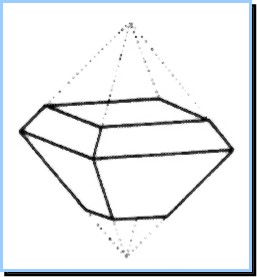
All those black stones in the Feather and on the King’s clothing are table cut diamonds.

Table Cut Diamond

Table Cut Diamond

Like every king, James always needed money and he eventually had to pawn the Feather along with many of the other Crown Jewels of England.

Jules Mazarin, was an Italian cardinal, diplomat, and politician, who served as the chief minister of France from 1642 until his death. He was a noted collector of art and jewels, particularly diamonds, and he bequeathed the “Mazarin Diamonds” to Louis XIV in 1661, some of which remain in the collection of the Louvre Museum in Paris.

Mazarin Diamond Collection

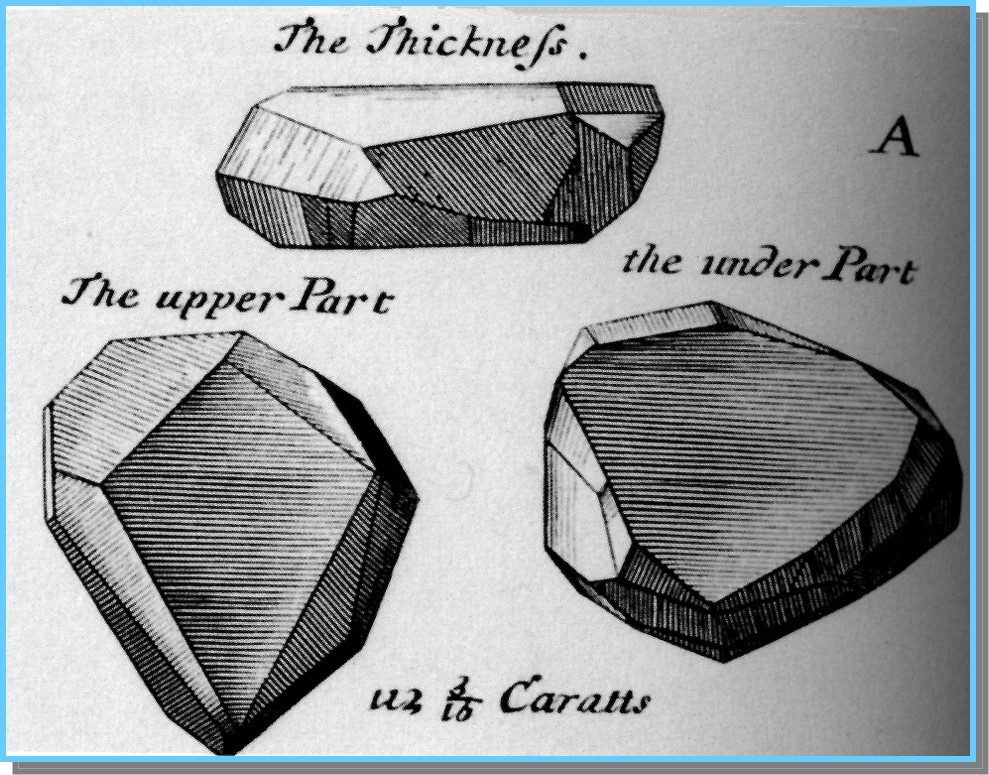
Jean-Baptiste Tavernier, Gem dealer to King Louis XIV, was best known for the discovery/purchase of the 116 carat Tavernier Blue Diamond that he subsequently sold to Louis XIV of France in 1668. Later, Louis XIV had the diamond re-cut into the 68 carat French Blue and had it set as a hatpin.

FrenchBlue

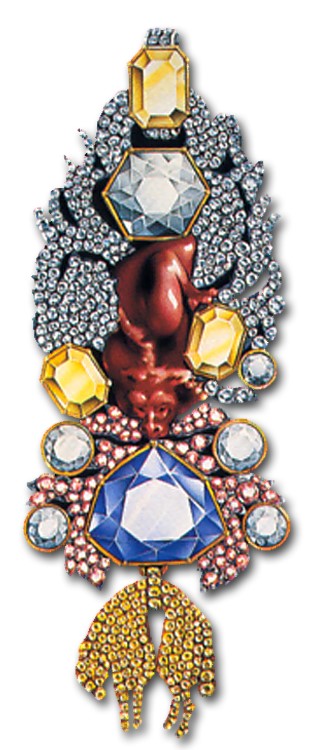
The gem was reset by his great-grandson Louis XV in The Medal of The Order of the Golden Fleece, which was stolen in 1792 along with other Royal jewels.

Golden Fleece

The French Blue was re-cut and re-emerged in London 30 years later as the 45.52-carat Hope Diamond.

Hope Diamond

When exposed to ultraviolet light, it phosphoresces RED for several minutes after the light is turned off. Over the years, many people have brought in smaller stones thinking they might have been part of the French Blue parent stone, but none has shown the same degree of RED phosphorescence.

Developments in Diamond Cutting from the 15th to 17th Centuries.

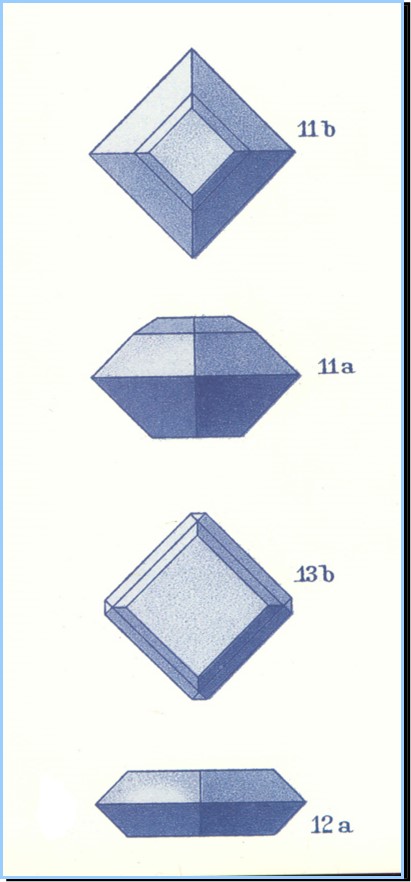
In its rough state a perfect diamond crystal is formed with all its eight faces symmetrical, perfect and equal, which is immensely rare in its own right. At this time India was the only source in the world for diamonds. But India never performed diamond cutting. The rough diamond faces might be polished but that was about all.

Diamond Rough

Chip Clark for the Smithsonian Institution

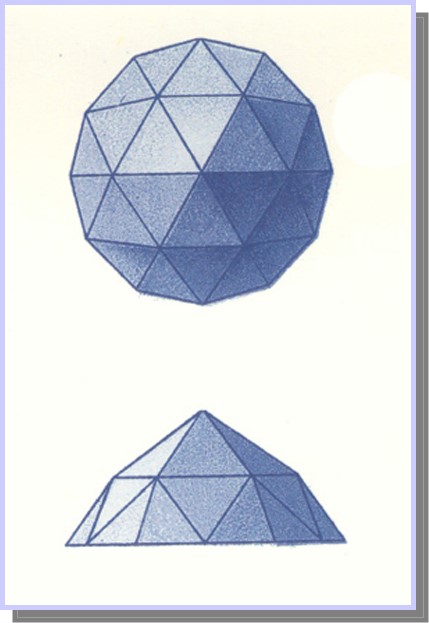
16th Century Diamond cuts were minimal at best.

16th Diamond Cuts With the 17th Century advances in diamond cutting, improvement of the glitter of the stones, made them the center piece of jewelry. Settings were confined to holding gemstones in place as unobtrusively as possible.

17th Century Diamond Cuts

The rose cut became hugely popular in the 17th century. It is produced by cleaving off one of the apexes of the rough crystal and then adding facets to the faces. The bottom surface, being the line of the cleavage, is flat. The result is a soft, shifting, romantic glimmer which modern jewelry designers have rediscovered and are using more and more widely in their pieces.

Rose Cut Diamond

Brenda continued to amaze members with pictures of the Beautiful Diamond Jewelry of the 17th Century. DCGIA Chapter thanks her for sharing with our members a rich history of jewels.

Summary by Charles Marts

Photos from presentation provided by Brenda Foreman

Introductory Video by Melanie Marts GG, (GIA)

Posted in Meeting Archives | Tagged , , , , , , , , , | Leave a comment

Webinar on Protecting Antique Ivory Trade

Ivory IdentificayionWhat:
This webinar will look closely at the Obama administration’s latest proposals; examine their potentially devastating effects on scholarship, on the educational work of museums and other cultural institutions, and for collectors, dealers and law-abiding citizens across the globe; and discuss strategies for how we can lead the way in correcting this ill-conceived and misguided ban.

Who:
Donna and Jon Gerstenfeld, Martin Levy of H Blairman & Sons, and The Podesta Group

When:
Thursday, May 22nd
11:00 AM (EST)

Register at: Webinar Registration Page

or follow the links on the i Gavel Auctions website: iGavelAuctions Page

Posted in Announcements | Tagged , , , , | Leave a comment

FAIRFAX American Antique Arts Association – IDENTIFICATION OF IVORY

Who: Bobby Mann co-founder of the International Ivory Society (1996). Since then he has been teaching Ivory identification thru his talks, seminars, books, and hands-on workshops.

What:  Discussion will include identification of ivory, bone, tortoise shell, antler, man-made materials, and fakes. Bring examples for show and identification.

Where: Fairfax City Dept. of Recreation and Senior Center (Former Green Acres Elementary School), 4401 Sideburn Rd., Fairfax City, VA 22030

When: May 15, 2014 – 10:30 AM

How: Contact the Fairfax AAA President – Bill Fort, 281-352-0072.

Ivory Identification Books:

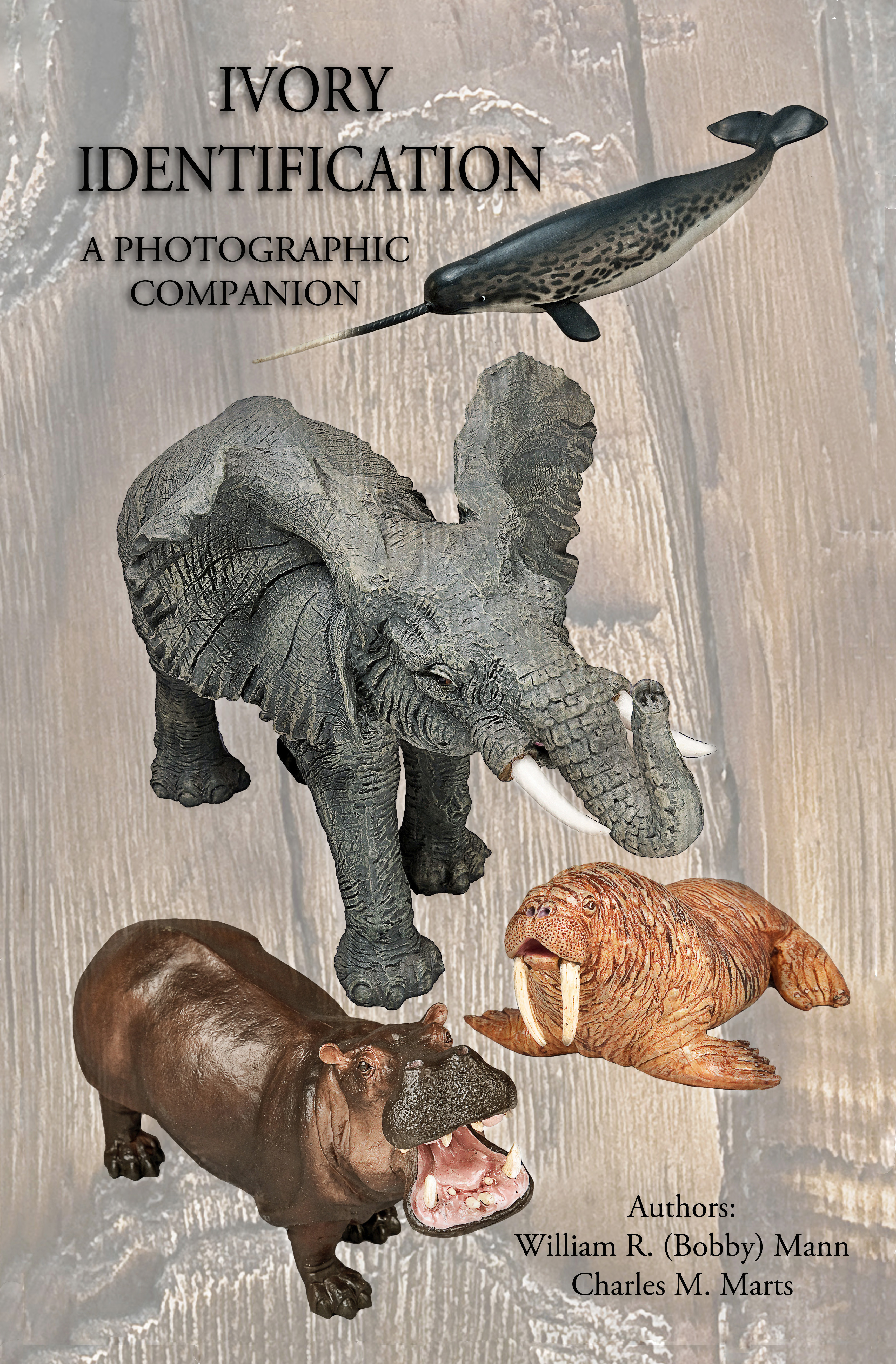
Ivory Identification a Photographic Reference Guide – Ivory Identification Reference Guide describes characteristics of the most common ivory available in the market place from mammal sources. Simple and straight-forward 20-page book with more than 100 photographs illustrate the key elements in identifying natural ivory, look-a-likes and man made imitations.

Ivory Identification: A Photographic Companion – The purpose of this book is to aid you in identifying natural ivory, ivory look-a-likes, and manufactured imitations using non-destructive testing techniques with readily available equipment. With 128 pages and 168 photographs you will be able to confidently identify natural ivory, ivory look-a-likes, and manufactured imitations.

Posted in Announcements | Tagged , , , , , , , , , , , | 2 Comments