Helping People in Tough Economic Times – Brian Diener

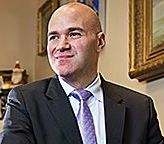
brian dienerBrian Diener is a native Washingtonian, appraiser and licensed auctioneer, with more than 25 years of experience in the diamond, estate jewelry and antiques industry. Diener Jewelers, is located at 1133 19th St NW. Washington, DC 20036. A 45 year old second generation Washington D.C. institution, serving customers by buying, making loans on and selling, precious metals, Estate jewelery, art, sterling silver flatware, and more.

Diener Jewelers is a quaint and elegant store in DC, where people from all walks of life can come to buy, sell, or get a loan on fine estate jewelry and antiques. Whether you are a Turkish prince, a speaker of the House, or a trust-fund baby low on cash, there are few places in the world to turn for a quick and discreet loan on your family jewels, fine china or Cartier watch. But if you happen to be in Washington, D.C., you’re in luck. Diener Jewelers, has served as a quiet quick-cash stop for two generations. And what they choose to sell or lay down as collateral can be remarkable.

In 2008 when the economy tanked, people flowed into his store, really wealthy people who owned strip malls, car dealerships, or big businesses. There were some customers from the ’80s who were clients of his Father’s, the store’s founder. Clients were basically crying, trying to sell things quickly to raise cash. Brian held their hands and said, “I got you. Let’s do this.” Clients sold their things and got the money they needed, a win win situation. Sometimes they were five-deep at the counter, waiting to sell or pawn items.

Brian shared a number of pieces from his store, passing them around to DCGIA Members for inspection.

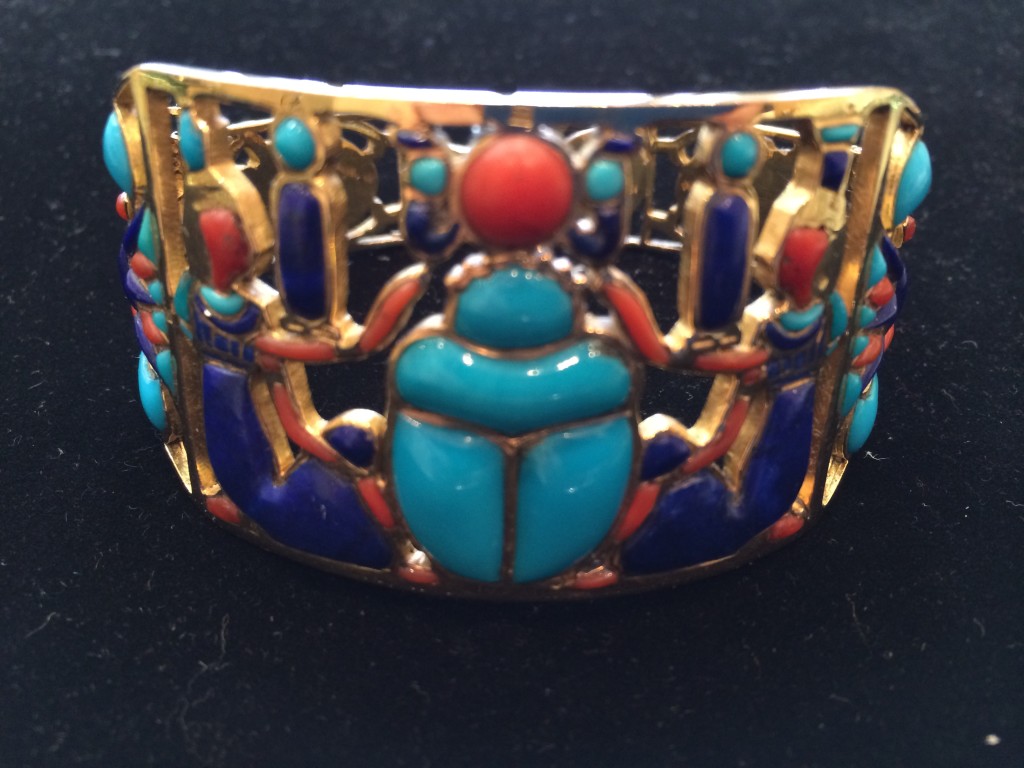
item1Gold Multi Stone Bangle Bracelet
18kt. yellow gold Coral Lapis Turquoise bangle bracelet. 77 grams.

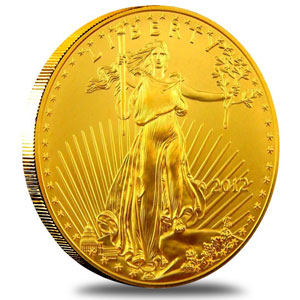
coinThere’s really no one else like Diener Jewelers in downtown D.C. A lot of retail jewelers don’t buy. People who want estate jewelry are sent to Diener Jewelers, and Brian is grateful for those recommendations. Diener Jewelers also buys artwork and sterling silver. They have one of the largest collections of sterling silver flatware in D.C. They polish it, put it on their website, and sell it at wholesale prices.

Diener Jewelers has moved away from newspaper advertisement on to TV. That’s something Brian started a number of years ago. He was reluctant, but created a series of TV commercials letting people know Diener Jewelers buys estate-jewelry. People who had never even heard of his father’s business all of a sudden knew about Diener Jewelers. Brian’s sister Allison Perlmutter is still part of the business and she sends a lot of people in. She and her three kids also appeared in a commercial that everyone loves. People feel comforted by the local family-owned brick-and-mortar jewelry store.

Diener Jewelers is paying top cash prices for estate jewelry and objects of art. Walk in and get a loan on your five-carat diamond ring now. Check their website at http://www.dienerjewelers.com/

Pictures from http://www.dienerjewelers.com/

Summary by Charles Marts

Posted in Meeting Archives | Tagged , , , , , | Leave a comment

Treasures from the Deep – Mel King

Mel King (President of Big Blue Wreck Salvage) discussed Treasures from the Deep, the exciting discovery of Spanish gold doubloons on the 1715 Fleet Shipwreck site during Summer 2013, as well as future plans for the site. Sharing historical shipwreck stories and present recovered artifacts from various Spanish Colonial shipwrecks off the coast of Florida.

Mel passed around pieces of eight and gold doubloons from the 1500s-1700s. Mel also discussed the ins and outs of modern shipwreck recovery.
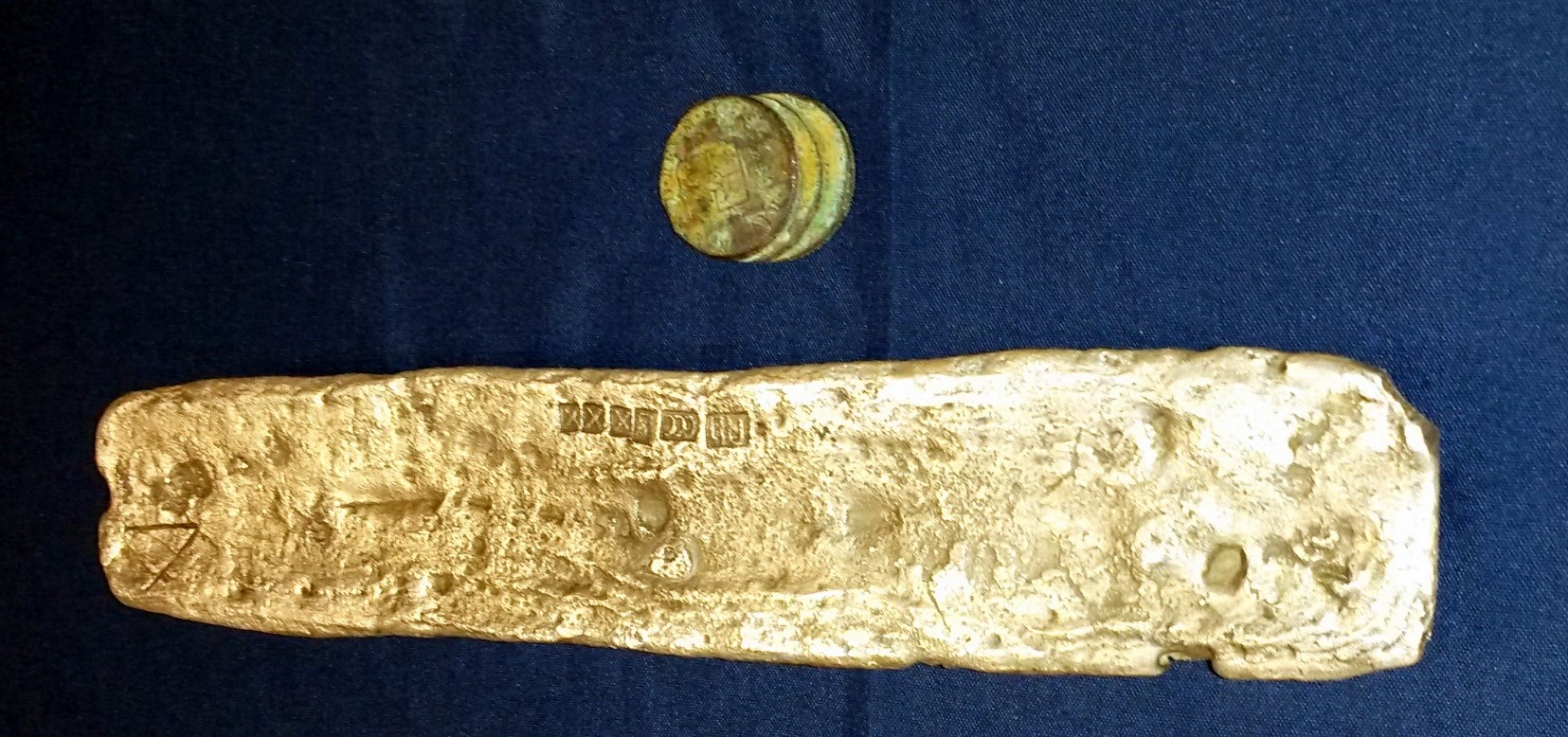
Silver Ingot

Big Blue Wreck Salvage, Inc. is affiliated with the on-going recovery efforts of the 1715 Fleet shipwreck sites on the east coast of Florida. Web sites of interest are:
http://artifactexchange.com/
and
https://www.youtube.com/channel/UCKO1IN_Eg_kodxqFSfkre8g

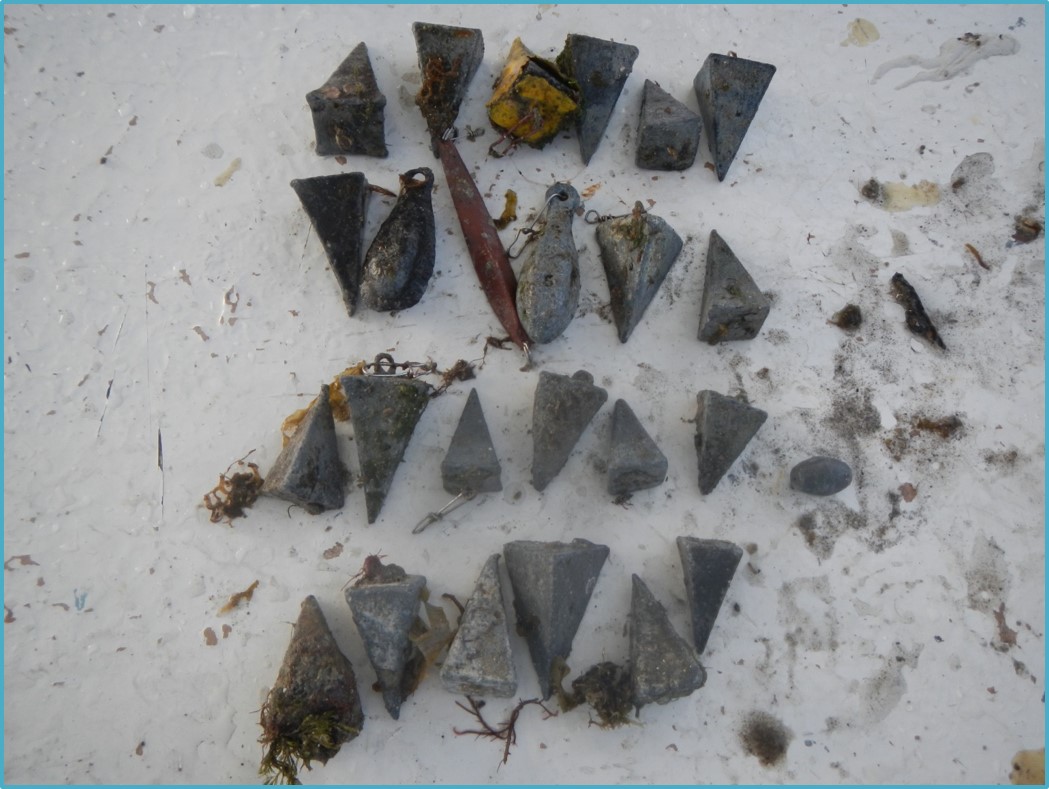
Not All Treasures are Gold & Silver, common finds include a lot of fishing sinkers, all of which are removed from the area once detected.

Sinkers

The real treasure includes canons, canon balls, metal nails and other ship hardware, pottery, jewelry, pieces of eight, gold doubloons, and ingots of silver and gold! Some of the Gold Recovered from the 1715 Fleet Shipwreck.
1715 Recovered Gold

Recovered items look more like the below belt buckle fresh from the ocean, before artifact conservation cleans it up bright and shinny.

Buckle

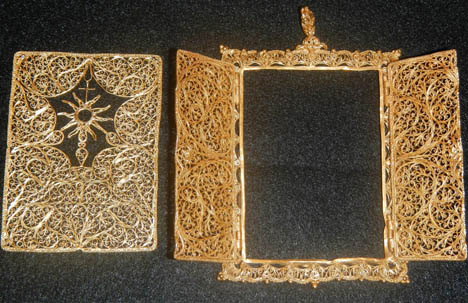
The most interesting item discussed was a gold frame and insert (pyx), hand crafted in the late 1600’s or early 1700’s used to carry the Blessed Sacrament (host or communion wafer).

Lunette

The elaborate gold filigree insert is called a lunette, and provides a very thin space between the frame and the lunette for holding the Sacrament wafer which was held in the center of the sun. Only gold can touch the Sacrament wafer once it was consecrated. This would have been worn on a cord or chain to be carried by a priest or high church official, possibly to serve last rites or private communion service for a wealthy church member.

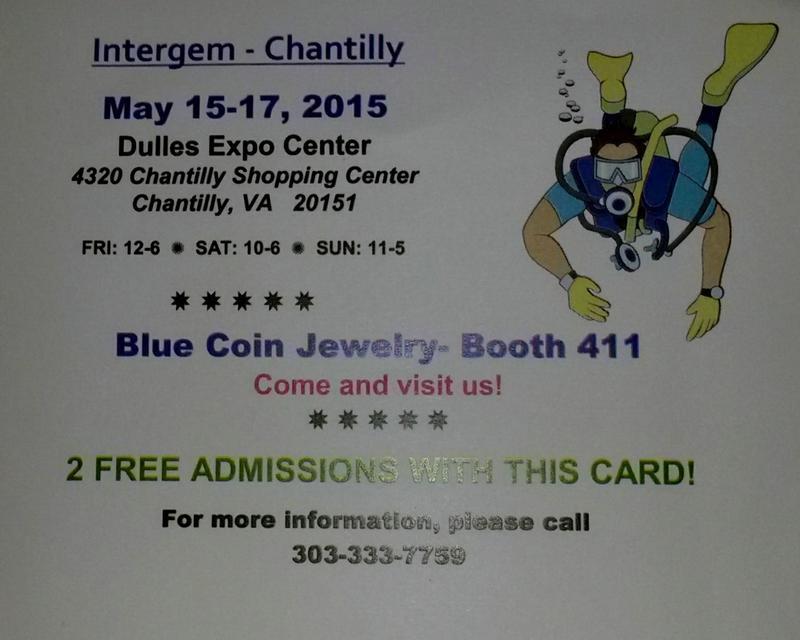
Mel also had a Booth at the International Gem & Jewelry Show, at Dulles Expo Center from May 15-17. FREE Admission passes were provided to everyone present at the meeting.

Free Admission

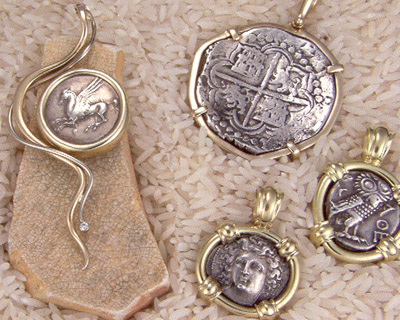
On display at the show were some wonderful historic coins set into jewelry, one of a kind pendants, rings (men’s and women’s), earrings, cuff-links and money clips.

Coin Jewelry

Summary Charles Marts
Recovered item pictures Big Blue Wreck Salvage, Inc.

Posted in Meeting Archives | Tagged , , , , , , | Leave a comment

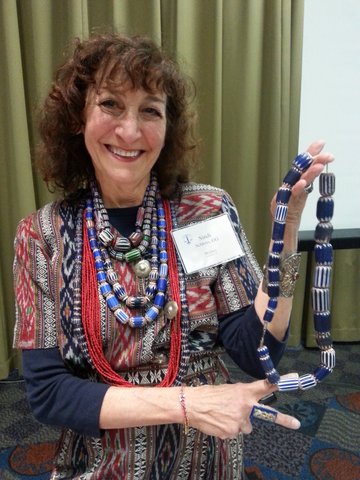
ESTATE EXOTICS – Gems of the People: COLLECTIBLE BEADS – Sindi Schloss

SSindi Schlossindi provided the chapter members with a NEW appreciation for beads! Who knew beads had such a storied history and value!

Sindi’s discussion went a long way in helping smooth over the “disconnect” between the fine jewelry enthusiasts and beading enthusiasts. Beads were the first jewelry developed by man, and the value of beads is going up every year!

What is a bead?

Bead comes from an Anglosaxon word “Bede” which means to pray and many religions have some type of prayer beads.
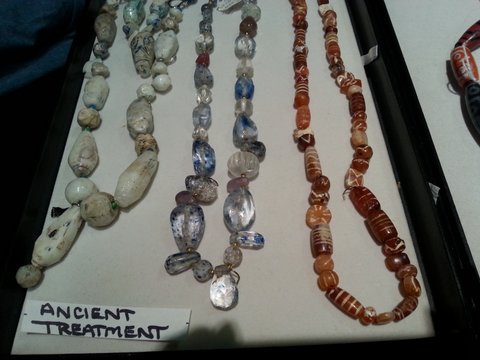
BeadsBeads do not need to be round or have holes drilled in them. The earliest beads had notches that allowed them to be suspended by sinew or plant fibers. Beads were one of the first trade items and may have been used by early man to identify one clan from another.

“Mankind’s first art and earliest evidence for abstract thinking and the use of symbolism!” Jamey Allen, Bead Scholar

“The single most global identifier of mankind!” Thomas Stricker, Bead Scholar

“A Universal Language of Human Connection” Kim Siebert

Some beads are used as Amulets or Talisman
Amulets keep evil away, anything that makes noise, has a fringed effect or carries the design of eye, spot or circle, all ward against the evil eye.

A Talisman brings good towards you.

Sindi provided a run-down of beads and milestones through the ages.
Beads date from 100,000 to 130,000 years ago!

As early as the PALEOLITHIC PERIOD, before rock art the first Beads were worn by cavemen.
Beads appeared throughout Asia, Africa and Europe around 45,000 to 60,000 years ago.
Some ancient humans used the heishi technique of grinding, chipping and fashioning beads.
The most important bead materials during this time were freshwater and saltwater shells, as well as beads of pierced ostrich eggshell, bones, animal parts (claws, teeth, bones) and soft stones.

During the NEOLITHIC PERIOD around 9000 B.C., farming began with the domestication of plants and animals. Use of wool and linen for clothing as well as fermentation of beer and wine for drinking.
Obsidian traded widely by 7000 B.C. Obsidian or natural glass was also used for tools and weapons, as well as for drill bits and beads.
Around 6,000 B.C. and before Mesopotamian times, stamp seals were suspended like a bead, used for personal identification.
First appearance of Green Beads, as well as Dot in circle motif. Earliest jade beads in China appear.
Beads were made mostly of soft stones but harder stones like quartz began to be used as well.
The first use of glazing and first faience beads, faience beads have 2,000 years of domination before being replaced by glass.

During the BRONZE AGE from 4500 to 1200 B.C.
Saw the building of Stonehenge and the Egyptian pyramids, Egyptians were bead makers.
Egypt, Mesopotamia, Indus Valley (Pakistan & India), civilizations develope writing, metalworking, cultivation of cotton and silk.
First appearance of true glass, invented in Middle East between 2500-2300 B.C.
Virtually all early glass products were beads, bead making was the start of glass technology!
Earliest glass vessels did not appear until after glass beads, vessels are found around 1,500 B.C.
Use of agate, carnelian, and lapis for beads, use of Bow drills with sapphire bits to drill conical holes into beads.
Agate eye beads appear followed later by glass eye beads. Glass eye beads were popular during King Tut’s time.

IRON AGE from 1200 to 332 B.C.
Age of Philosophy included Confucius in China, Buddha in India, Pythagorus, Socrates, Plato and Aristotle in Greece. The conquest of Alexander the Great creates what will become the Silk Route, bringing trade to most of the known world.
First use of diamond chips to drill stone beads in India around 600 B.C.
Phoenicians are making and trading beads. China creates eye beads and early glass to imitate jade.

Beads are Heirlooms providing an ancestral connection. Ancient dZI, gZi or zi beads 2,500 B.C. to 400 A.D. Ancient Collectible dZi or gZi Bead designs, are made from decorated agate. Today the dZi bead is one of the most valuable beads and there are many imitators.

GREAT AGE OF EMPIRES from 330 B.C. to 200 A.D.
Roman Empire dominated most of Europe and North Africa.
By 100 B.C. The Silk Route to China is actively moving beads from place to place.
Bead design includes intricate mosaics, checkerboards, faces, and portrait beads.

POST ROMAN PERIOD from 330 A.D. to 1,453 A.D.
Western Roman Empire falls, replaced by the Byzantine Empire.
Beginning of Islamic Period, which produced both fine glass and beads from 622 A.D. to 1400 A.D.
The Medieval Period from 600 to 1,300 A.D. brings Vikings, Marco Polo, European Crusades, and Asian Mongols. Venice starts glass bead making industry, soon followed by other European countries.

VICTORIAN PERIOD from 1837 to 1900.
Venetians invented “goldstone” or “aventurine” glass beads, Austria invents foiled backed glass “RHINESTONES”.
Bohemia/Czechoslovakia “iris” or “lustering” beads. Experts in molding beads and buttons, Bohemia began coping many of the most desired beads from around the world.
Glass bead production and faceting from 1680 to 1920’s, all used extensively for trade. Beads were traded for slaves, ivory, gold and palm oil in Africa.
First cultured pearls from Japan appear during this time.

EDWARDIAN PERIOD from 1901 to 1915, saw the first imitation cultured pearls, and the age of Plastics.

Sindi provided a review of bead making techniques which included Wound, Lampwound, Drawn, Molded, and Powder bead making. As well as an Around the World look at beads and adornment, including a handout of Collectible Beads and pricing.

When determining value:
Age – Radiocarbon accelerator mass spectrometry, Chemical analysis: Trace impurities & isotope analysis. Signs of wear both on the surface and holes.
Color – Clear can adds $10 per bead; Turquoise, blue, pink are even more rare.
Shape – Collar Beads, Flattened Ellipsoidal, Cylinder, Round, Millefiori; Elbows – Tabular – Square/Rectangular, Chevrons.
Finishing – Endless variety.
Condition – Raised Dots, worn or chipped edges.
Design – Particular rare designs were given trade names like: “Lewis & Clark”, “French Ambassador”, “Baule Face”, “Ghost”, “pink pineapples”.
Matching – Shapes, designs, and sizes can increases value.
Cultural Significance – Ancient to present-day purposes such as heirloom.

Suggested reading:
History of Beads, 100,000 to Present. Dubin
Beads of the World. Francis
A Bead Timeline, Prehistory to 1200 CE. Lankton
Collectible Beads. Robert Liu

Summary by Charles Marts

Photos by Denise Nelson G.G. (GIA)

Posted in Meeting Archives | Tagged , , | Leave a comment

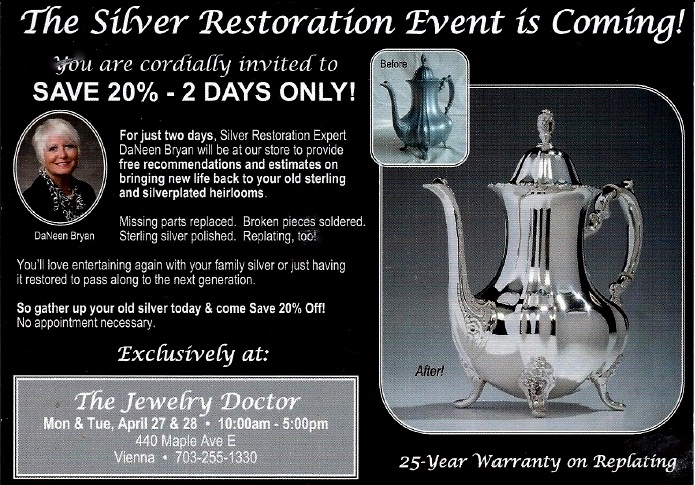
Silver Restoration Event!

The Jewelry Doctor Platinum & Diamond Boutique has been creating and restoring fine jewelry for the wonderful people of Northern Virginia, Washington DC and suburban Maryland for over 30 years.

JewelryDoctor

Posted in Announcements | Tagged , , , | Leave a comment

Tucson Wholesale Pearl Report – Lois Berger

Lois Berger GG, NAJA, DCGIA’s resident pearl expert discussed “Cultured Pearls”. Lois provided a brief discussion of the history of the Chinese Pearl Production industry along with a number of types of pearls being cultured by the Chinese as well as other countries.

Lois’ provided an in-depth wholesale pricing pearl report to attendees, and pearl industry news. The information contained in this report is intended to provide a cross section of what is available in the current pearl market at the whole sale level. The tables, listings, sizes and prices are not intended for grading purposes. All pictures were taken by Lois. H. Berger, G.G. Here is the  2015 Whole Sale Pearl Report  by Lois Berger, covering the Highlights of what she saw and prices for the wholesale market place.

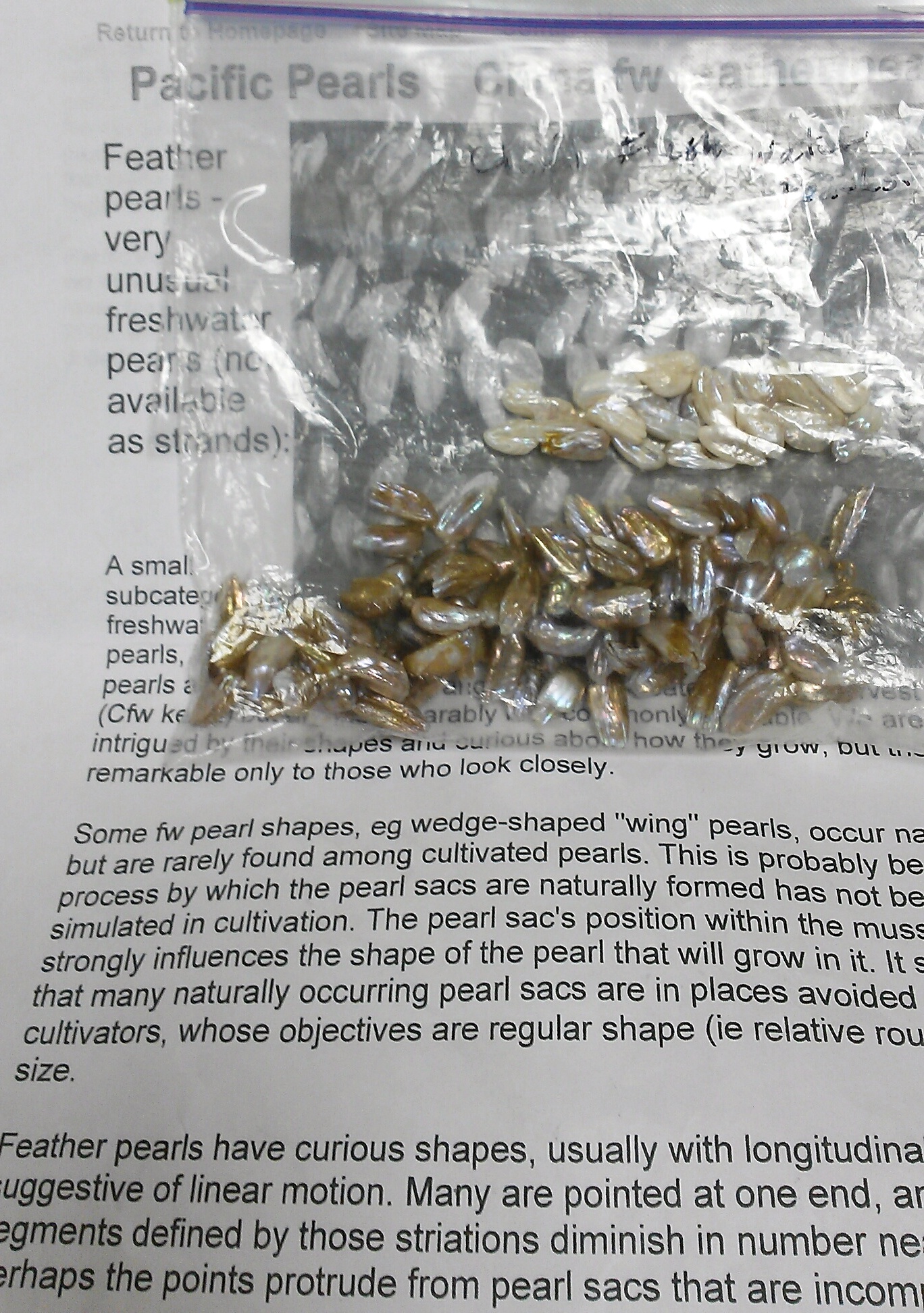
FeatherPearls

Feather Pearls

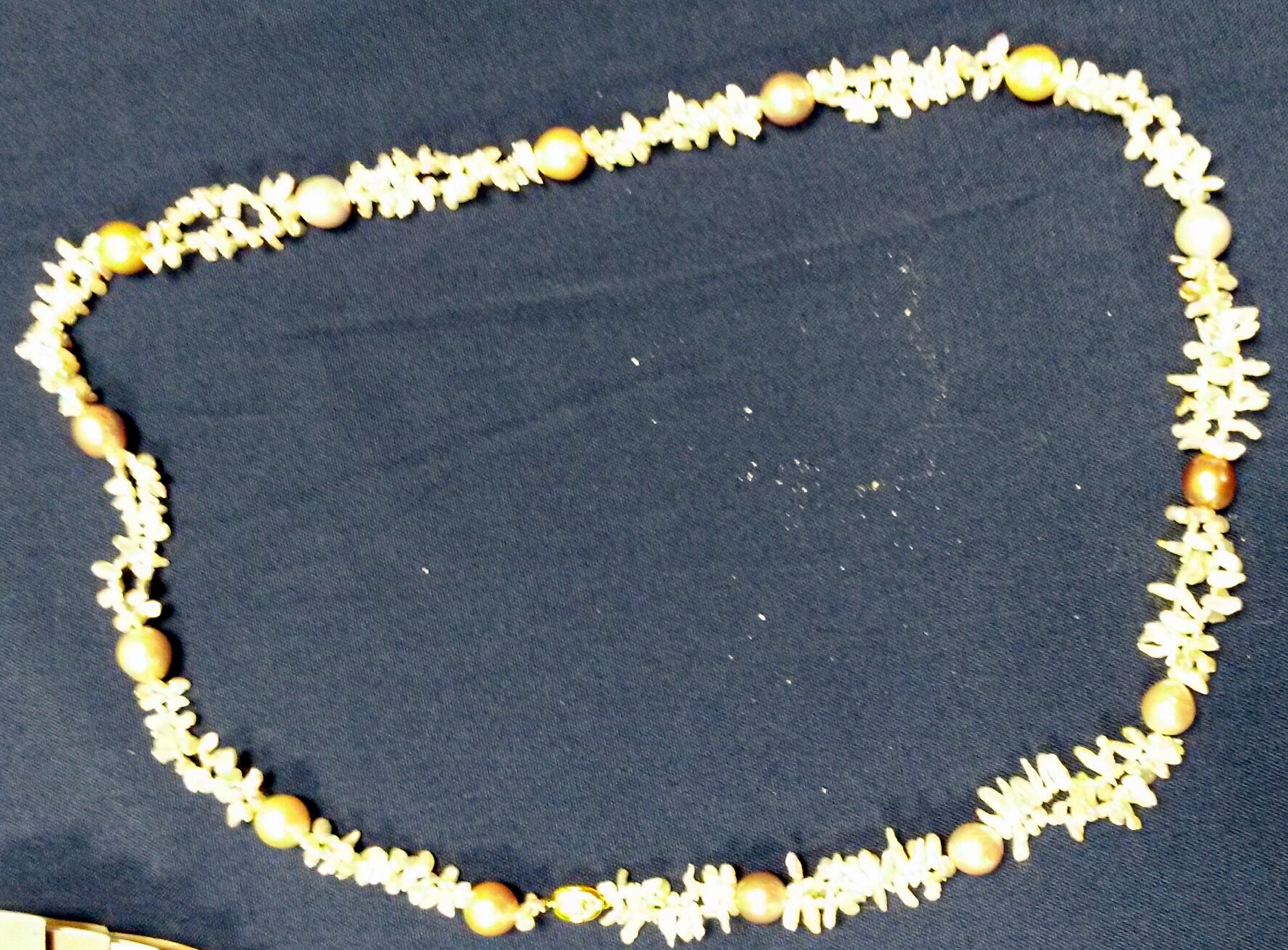
PearlStrand

Fresh Water Pearl Necklace

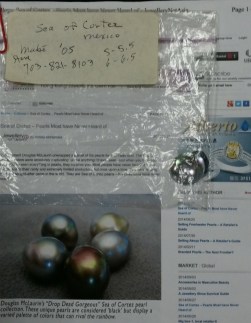
Lois Berger, also discussed an oddity that was found back in 2005 but never made it to the retail scene because once a hole was drilled in these misshaped pearls a sewage stench was over powering.

SeaofCortezPearl

SeaofCortezPearl

Courtland Lee, DCGIA’s resident geologist and Miner, was a vendor at the 2014 Tucson International Gem Show. Courtland shared a number of items, beads and Mineral Specimens as well as petrified dinosaur teeth.

CourtlandCourtland

Posted in Meeting Archives | Tagged , , , , , , , , , | 1 Comment

Needful Things Silent On-Line Auction

DCGIA Invites You to Our Needful Things Silent On-Line Auction at:

 http://www.dcgia-auctions.com/


To help support our club’s activities, we are Auctioning off the remaining items from the 2014 Live Auction & Party. The silent auction supports our club, and is a great way to obtain gift items for your friends and family. Featuring jewelry, gemstones, lapidary rough, books, beads, purses, frames and so much more!


100s or items with a starting bid as low as 50cents and no reserves!
Local Pickup will be available in Herndon, Va., Templehills, MD. and at the March or April DCGIA Chapter meetings.


Payment available by Cash or Check at the time of pickup or on-line via Paypal.

Posted in Meeting Archives | Tagged , , , , , | Leave a comment

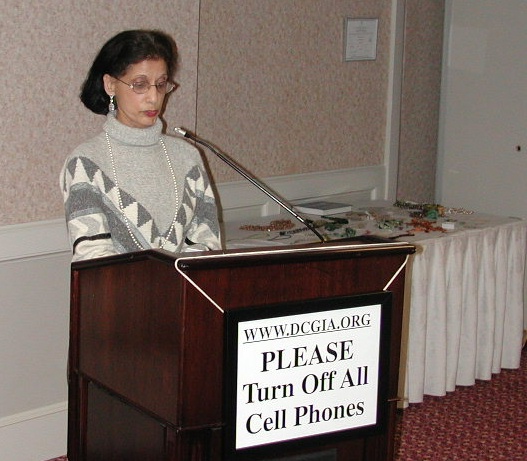
DCGIA ANNUAL TUCSON REPORT – Kusam Malhotra

Kusam MalholtraKusam Malhotra Owner of K & K International in Vienna, VA. was a vendor at the 2015 AGTA GemFair™ Tucson, Booth #1100. K&K International has been a premier source of rare colored gemstones, fine diamonds and custom-designed jewelry for over 30 years. Whether you are an avid collector looking for the rare piece that has eluded you for years or a gem enthusiast who is always in the market for something new and cutting edge.

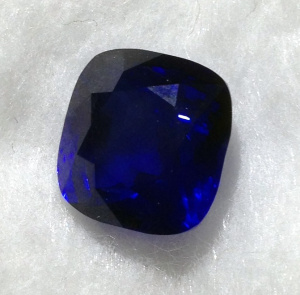
Fine Blue Sapphire

Fine Blue Sapphire – 7.23CT

K & K INTERNATIONAL
T: 703-288-9500/9501 – F: 703-288-9594
kusam@kandkinternational.com

Kusam discussed Wholesale Natural Colored Gemstones and shared some beautiful Gems from the K & K collection.

Imperial Topaz should contain Orange, Red or Rich-Golden color as a Primary while a Precious Topaz may be a high-grade yellow or an intense natural unheated blue.

Imperial Topaz

Imperial Topaz – 12.89CT

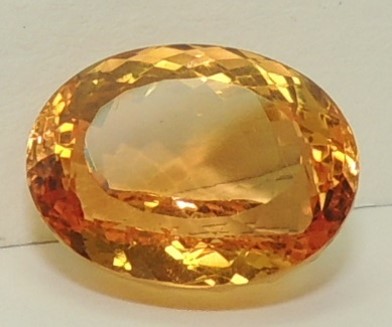
Precious Topaz

Precious Topaz – 16.02CT

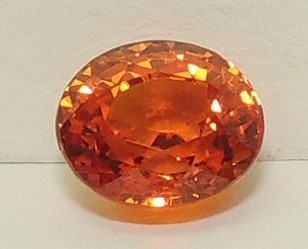
Sapphire gemstone is a variety of the mineral corundum. Trace amounts of elements such as iron, titanium, chromium, copper, or magnesium can give corundum respectively blue, yellow, purple, orange, or green color. The major fancy sapphire color categories are padparadscha, pink and purple, orange and yellow, green, and colorless and black. Each category has its own color range, causes of color, and market. The fancy sapphires that people in the trade call padparadscha are very beautiful. They typically have a high per-carat value, too—much higher than other types of fancy sapphires.

Orange Sapphire - 3.11CT

Orange Sapphire – 3.11CT

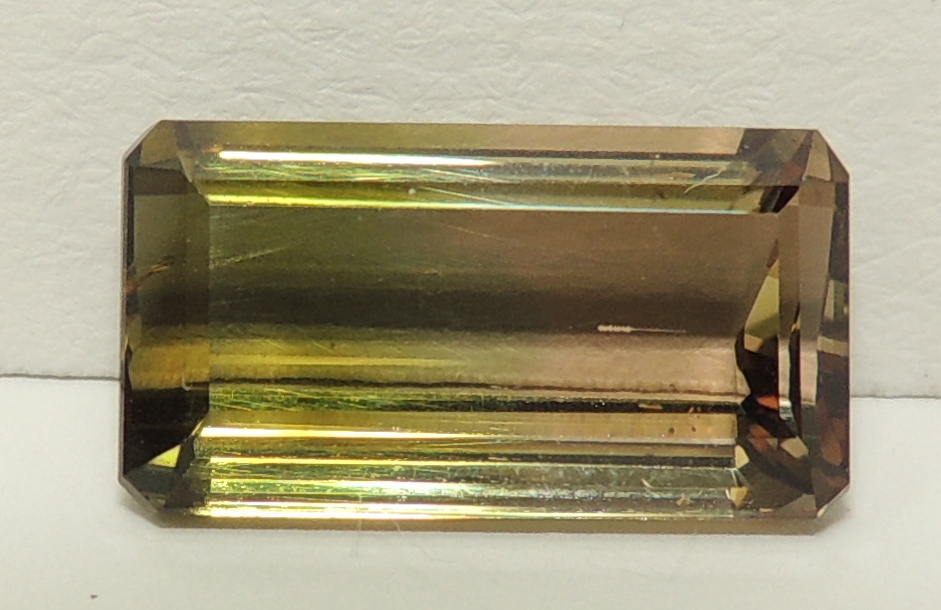
Bi-Color Andalusite

Bi-Color Andalusite – 7.27CT

Andalusite is a strikingly beautiful gem. The most valuable stones have greenish to reddish pleochroism. Andalusite is not plentiful on the market and is mainly in demand with collectors.  Large cuts are rare.

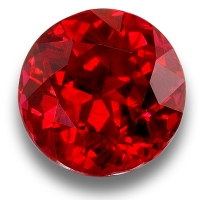
ruby

Ruby

Ruby is of the mineral Corundum as is Sapphire. The red color is called Ruby. Chrome imparts the Redness to Ruby. The top qualities are as red as you can imagine: a saturated pure spectral hue without any overtones of brown or blue.

Although there is a lot of treated colored stones out there, Natural “untreated” stones are available and demand the highest price. Always get a certificate from a LAB as treatment in colored gemstones must be assumed unless a certificate proves it is natural.

K & K International is a proud member of the American Gem Trade Association “AGTA” – AGTA Website

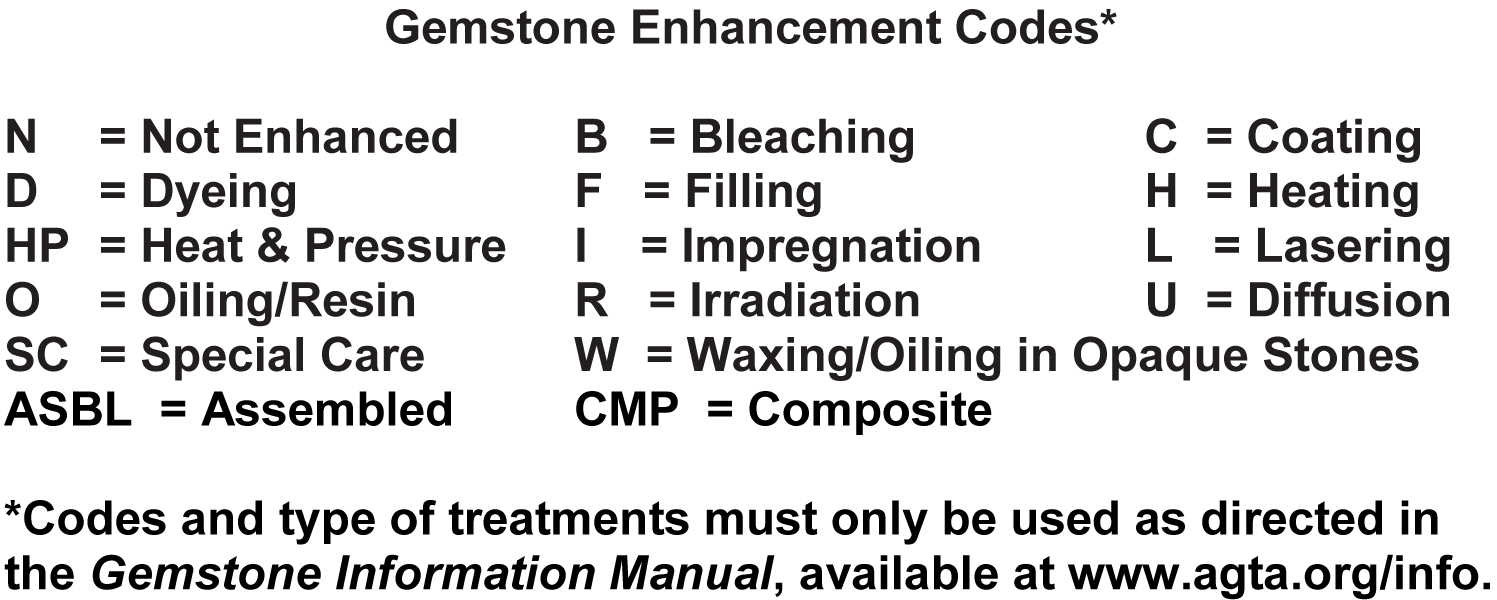
AGTA represents the leading colored gemstone and cultured pearl wholesalers, industry professionals, colored diamond dealers, estate jewelers, manufacturers and retailers. The AGTA has become the voice for the colored gemstone industry. Two of the most significant contributions to the trade have been the creation of the AGTA Code of Ethics and Principles of Fair Business Practices and the Gemstone Information Manual (G.I.M.). The Code of Ethics (one of the first introduced in our industry) is required reading for all prospective AGTA Members. Once a Member has joined, the Code of Ethics holds the Member to high standard of professional business practices and a higher standard of enhancement disclosure than that required by the Federal Trade Commission.

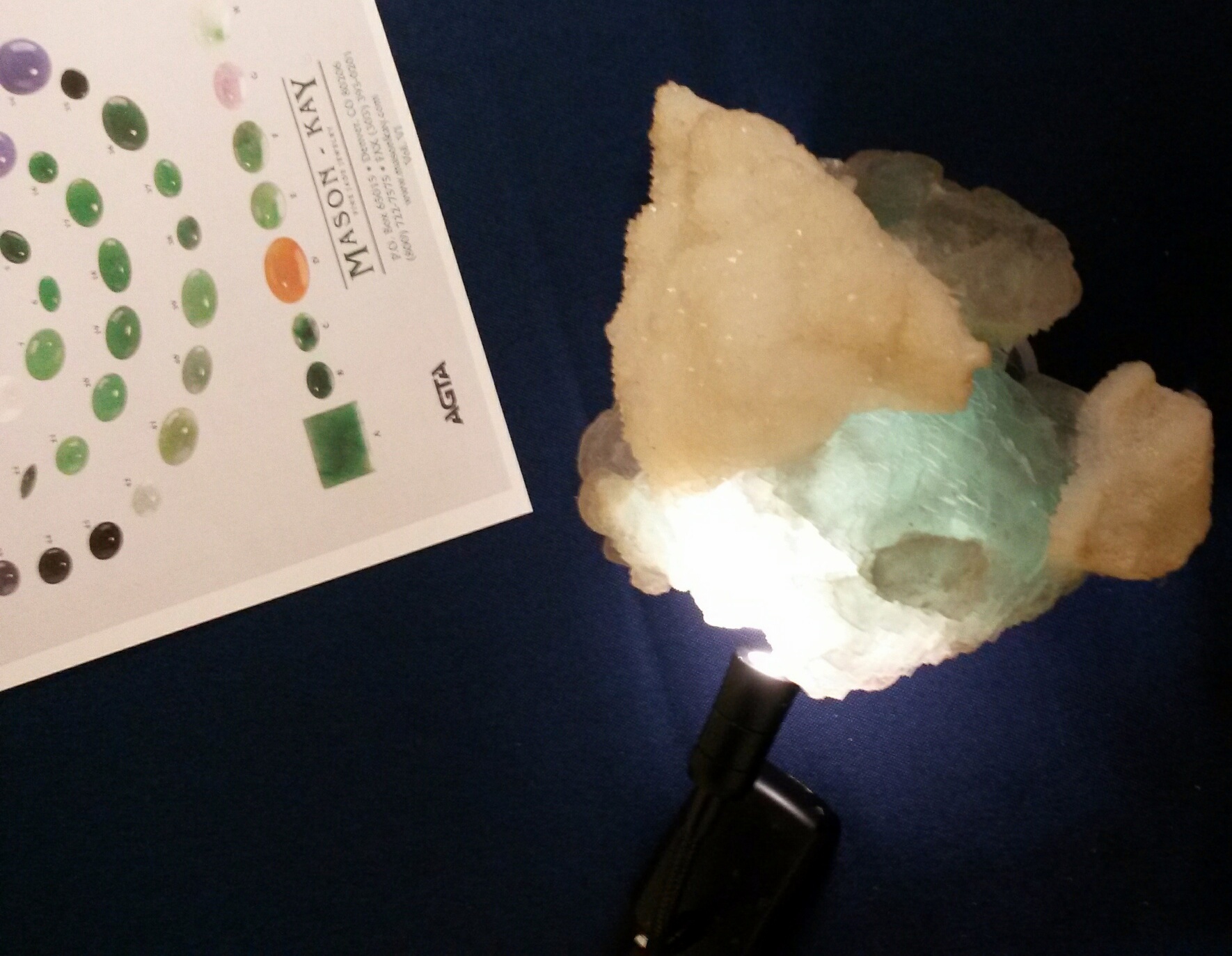
AGTA Gemstone Enhancement Chart

AGTA Gemstone Enhancement Codes

AGTA Disclosure Video

Overall, pricing was up 25% to 40% on all colored gemstones, even poor quality stock, and significantly up on Fine Quality Gemstones. A – AA – AAA Quality gemstones has no meaning other than as a marketing/sales ploy as these terms have no gemological basis. Just as “semi-precious” is somewhat misleading as it suggests that some gemstones have inferior value. Years ago, most people considered Ruby, Emerald and Sapphire as the “precious” gemstones and all others as “semi-precious.” In truth, all natural colored gemstones are rare and precious and their prices are determined by the availability and quality of the gemstone.

Colored gemstones are judged by their beauty and rarity. The same “four Cs” that establish quality in Diamond are used for colored gemstones: cut, carat weight, clarity and most importantly, color.

Cut: All gemstones must be cut well to attain their maximum potential for beauty. Quality cutting is what produces the brilliance and scintillation that captures the eye of the beholder.

Clarity: Gemstones contain characteristic inclusions that provide proof of their natural origin. Those inclusions should not be so visible that they detract from the beauty of the gemstone.

Carat Weight: Obviously, larger gemstones are rarer. However, some gemstones, such as Amethyst and Tourmaline, routinely occur in very large sizes while others, such as Ruby and Sapphire, rarely occur in sizes above 2 to 3 carats.

Color: The more pure and vivid the color, the more valuable the gemstone. With colored gemstones 3 parts make up the color grade. Hue, Tone & Saturation. Hue is the color, Tone is the grayish or brownish mask to the hue, and Saturation is the strength of the color.

Courtland LeeAdditionally;

Courtland Lee, DCGIA’s resident Geologist and Miner, was a vendor at the 2015 Tucson International Gem Show.

Courtland Lee's Booth at the show

Courtland Lee’s Booth at the show

Courtland displayed a number of items, beads and Mineral Specimens made from the Maryland State Gemstone, the Patuxent River Stone as well as petrified dinosaur teeth.

20150226_210821_resized

Meeting Summary and pictures by Charles Marts – Secretary DCGIA

Posted in Meeting Archives | Tagged , , , , , , , | Leave a comment

Jewelry Speaks – Dr. Brenda Forman PhD

Brenda Foreman

Brenda Forman

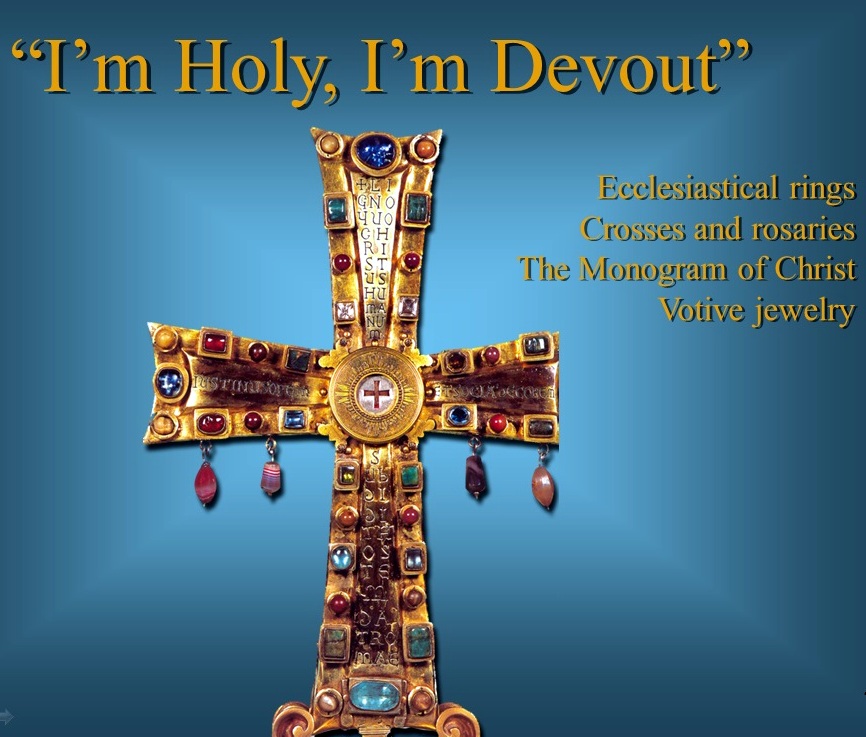
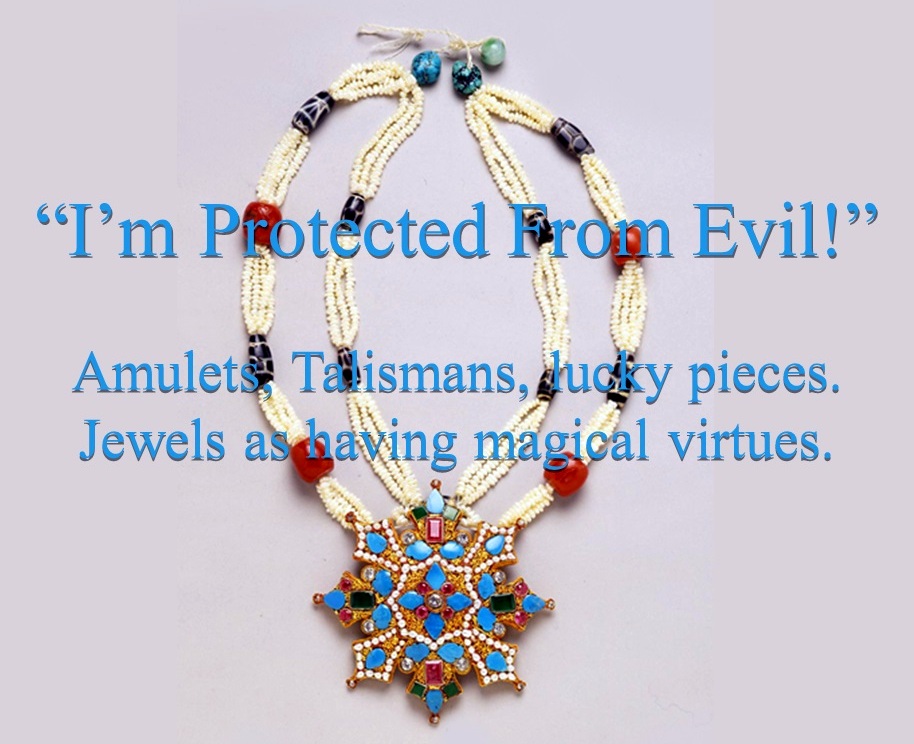
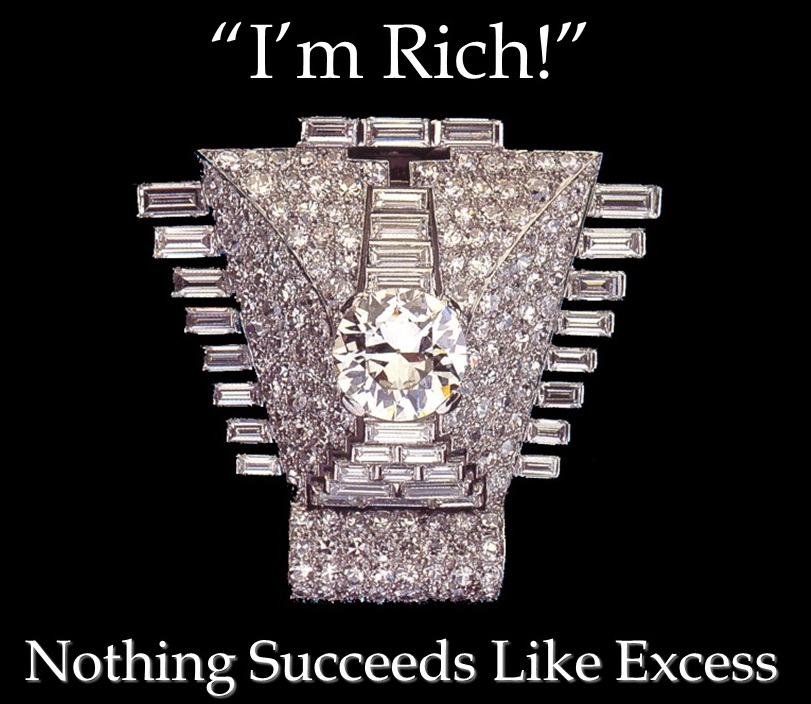
Brenda Forman enlightened the DCGIA Chapter on January 14th, with the history of Jewelry through the ages. Jewelry speaks loud and clear about the wearer. In every tomb you find 3 things:

Bones, Weapons, and Jewelry.

Life, death and beauty

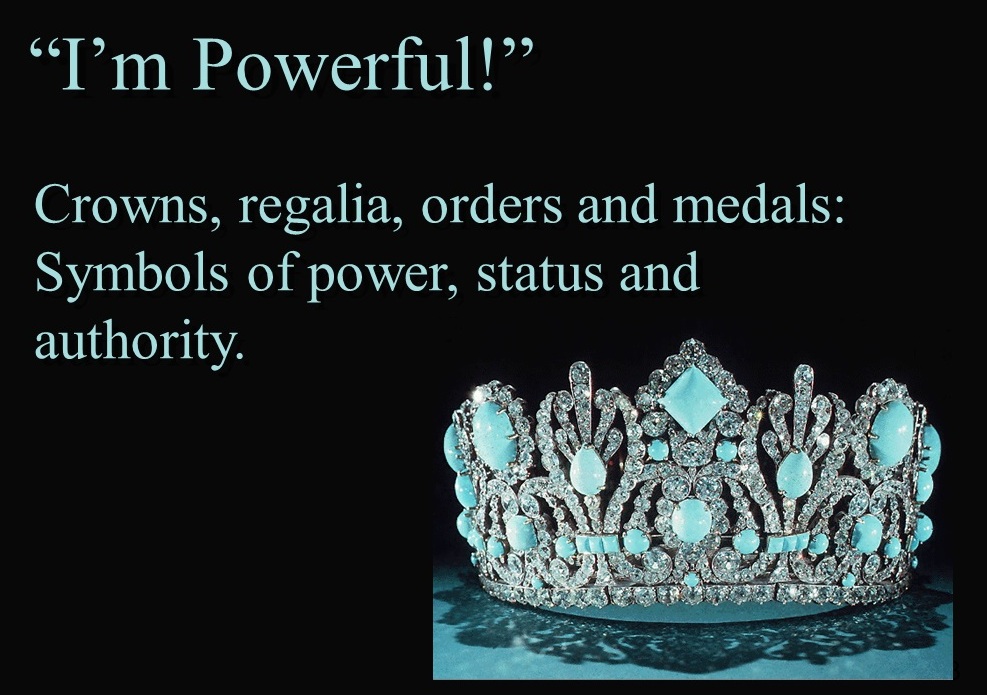
From the dawn of history jewelry has been an important symbol of royalty, religion and social authority, aimed to dazzle and impress and jewelry certainly does that.

From the Byzantine Empire to the 20th Century Brenda provided a lively discussion and slideshow of the prominent things jewelry says about the wearer.

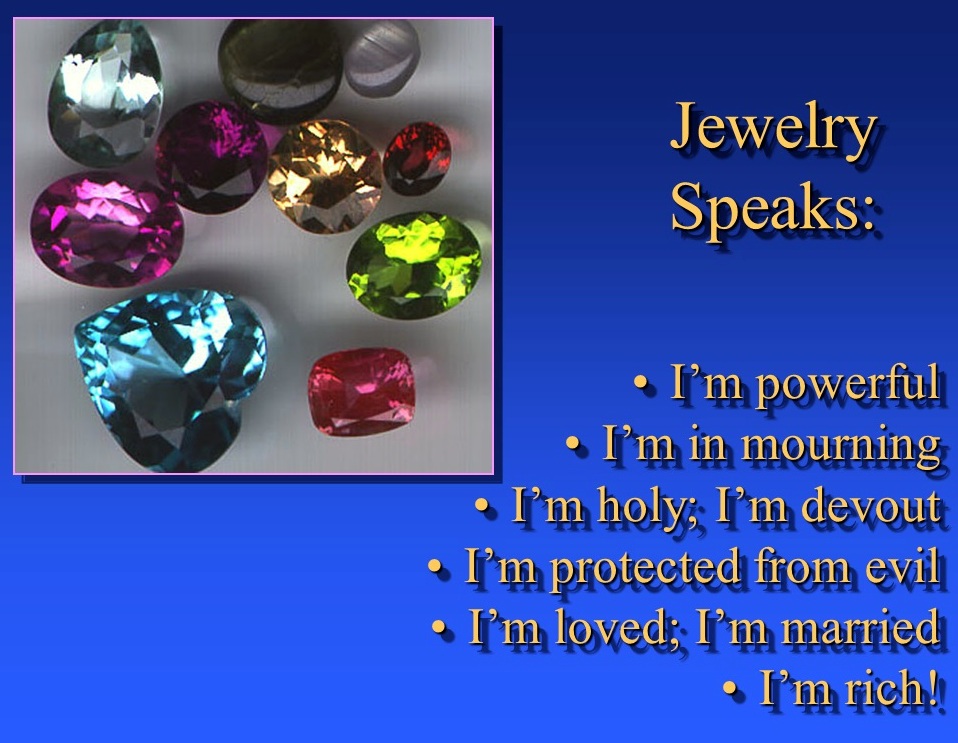
Jewelry Speaks

I'm Powerful

I'm in Mourning

I'm Holy

I'm ProtectedI'm MarriedI'm Rich

The DCGIA Chapter thanks Brenda for sharing with our members the rich history of jewelry.

Summary by Charles Marts

Photos from presentation provided by Brenda Forman

Posted in Meeting Archives | Tagged , | Leave a comment

Oregon Sunstone – The True Copper Bearing Sunstone – Don Buford and Terry Clark

Terry Clark & Don Buford

Terry Clark and Don Buford

Don Buford and Terry Clark shared the history of the Dust Devil Mining Company and Oregon Sunstone with members. They were accompanied by their wives Patsy Buford and Jude Clark, and a surprise guest Nirinjan Khalsa a Beverly Hills Designer, Artist & Miner.

Oregon Sunstone is an extremely beautiful and rare gemstone found only in South central Oregon in the US.

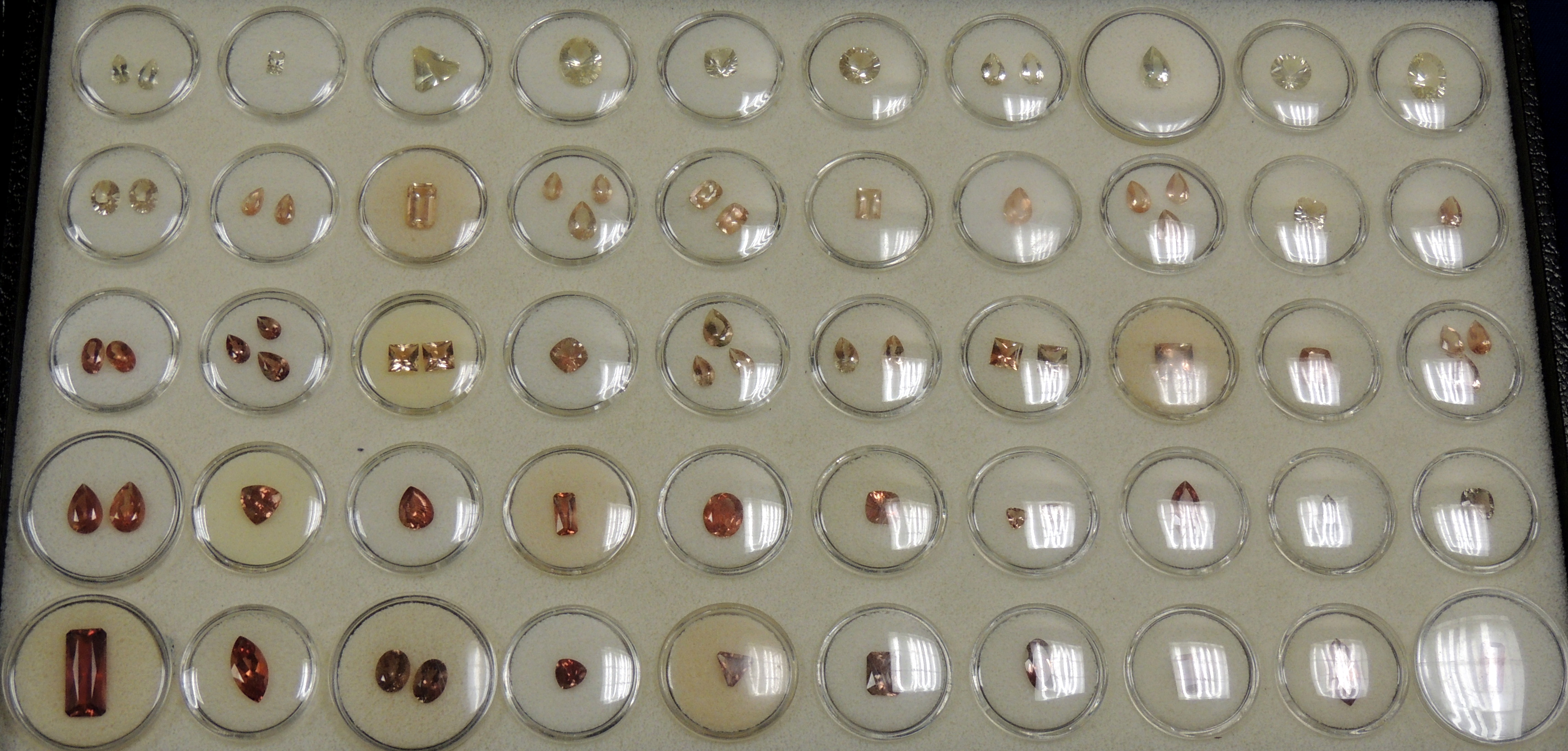
Color range samples of Oregon Sunstone available at the meeting.
Oregon GemstonesAccording to Native American legend, the blood of a great warrior – wounded by an arrow – dropped onto pieces of Oregon Sunstone. The blood carried his warrior spirit into the stones, coloring them with shades of red and giving them sacred power.

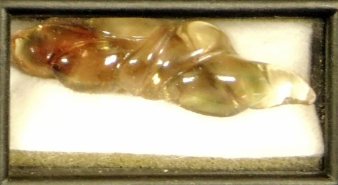
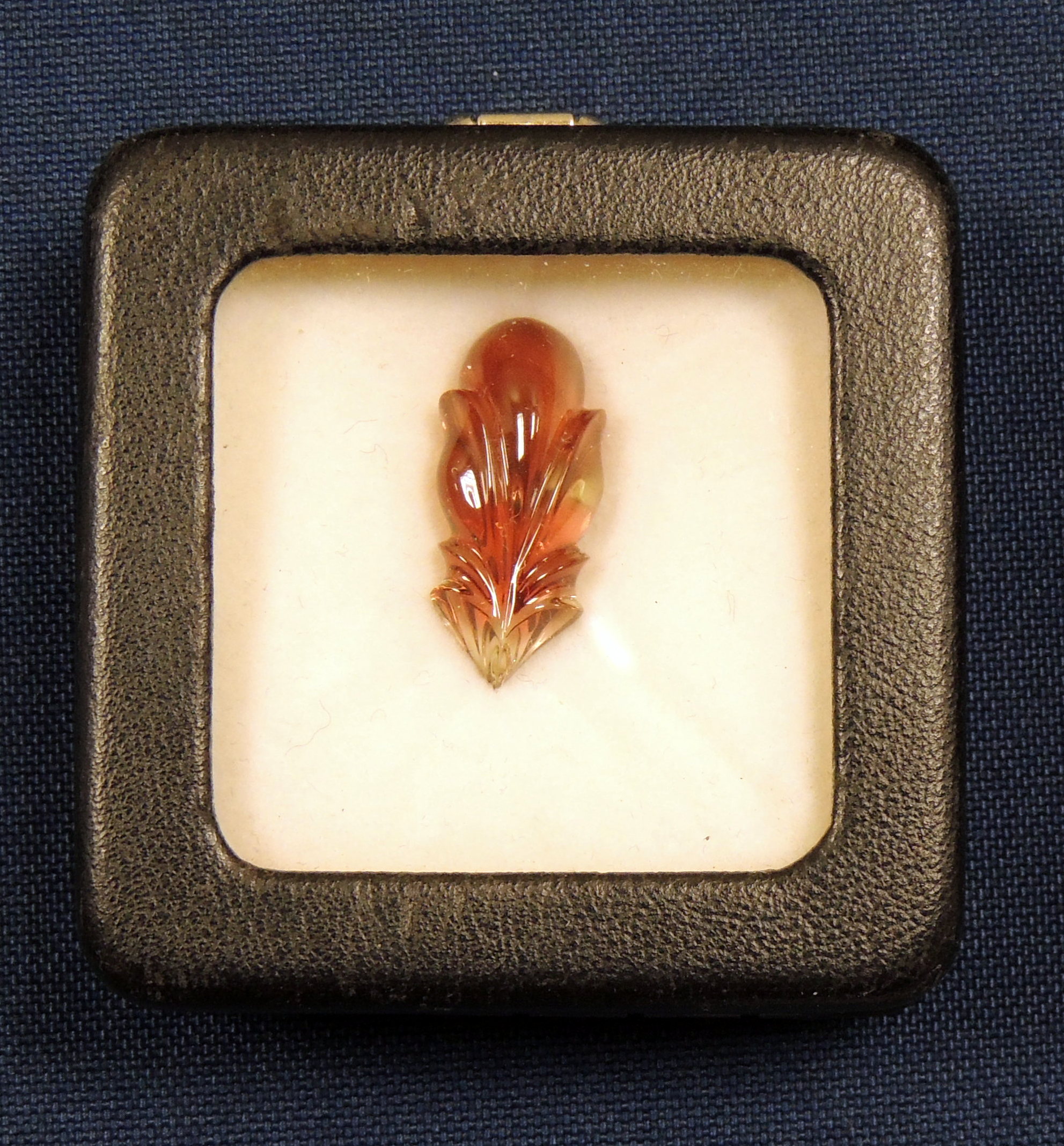
Oregon Gemstones Carved

Dust Devil Mining Co. Dust Devil Mine Website believes everyone should have access to good quality cutting rough at a reasonable price. They believe the Oregon Sunstone is on the threshold of becoming a very popular gemstone and that demand will cause the price to increase considerably over the next few years. Even though growing popularity tends to make gemstone rough difficult to find and expensive to obtain, the Dust Devil Mine pledges to continue making good rough available for designers, artists, and cutters as long as they own the mine.

UnionDust Devil Mining Co.is dedicated to maintaining the integrity of this American treasure and sells rough, gems and jewelry from Oregon Sunstone “as it came from the Earth” with absolutely no treatment, enhancements or heating. All Natural, All American, All the Time.
The following Powerpoint Show covers Don & Terry’s presentation: Dust Devil Mine – DCGIA Nov. 2014

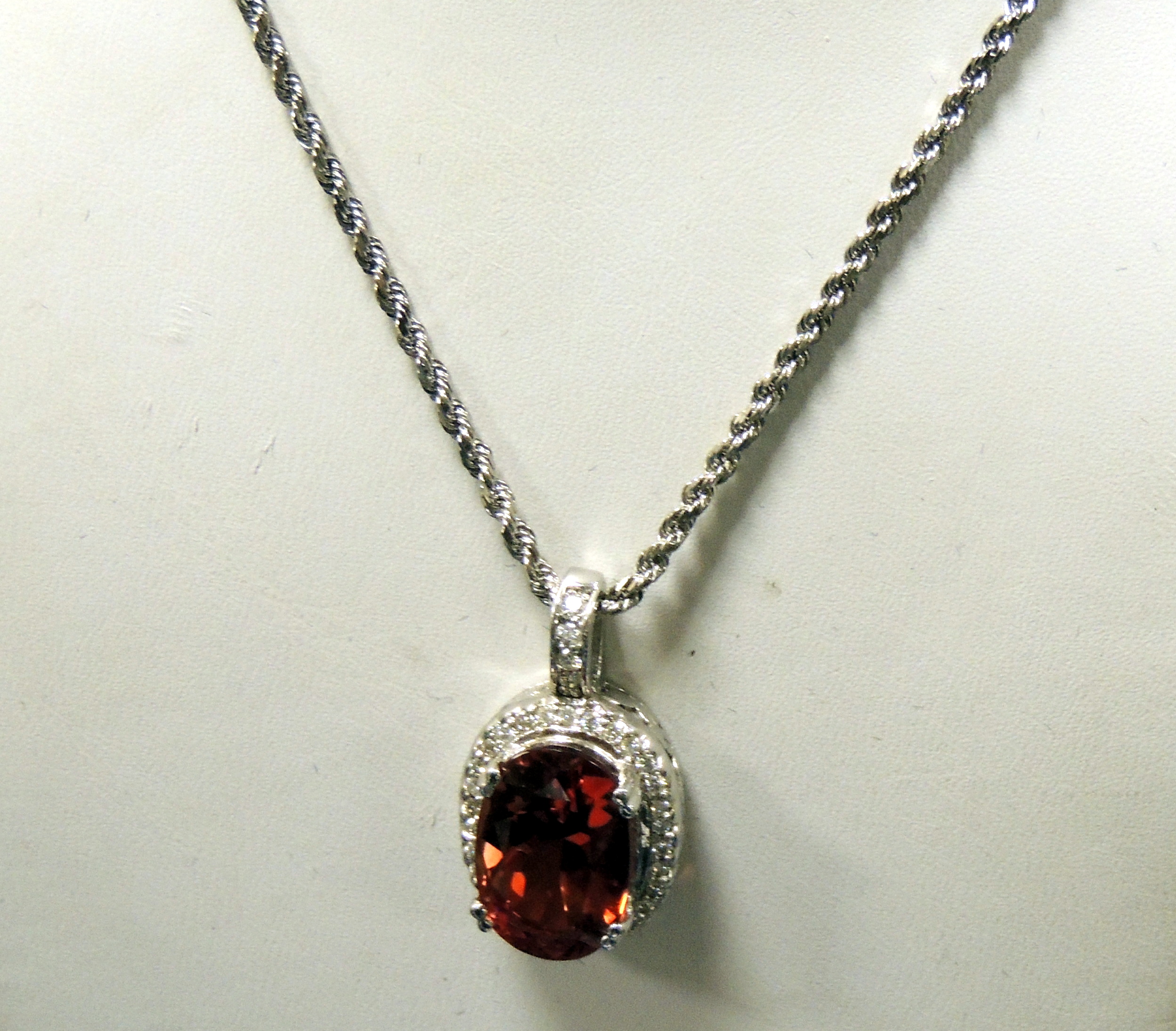
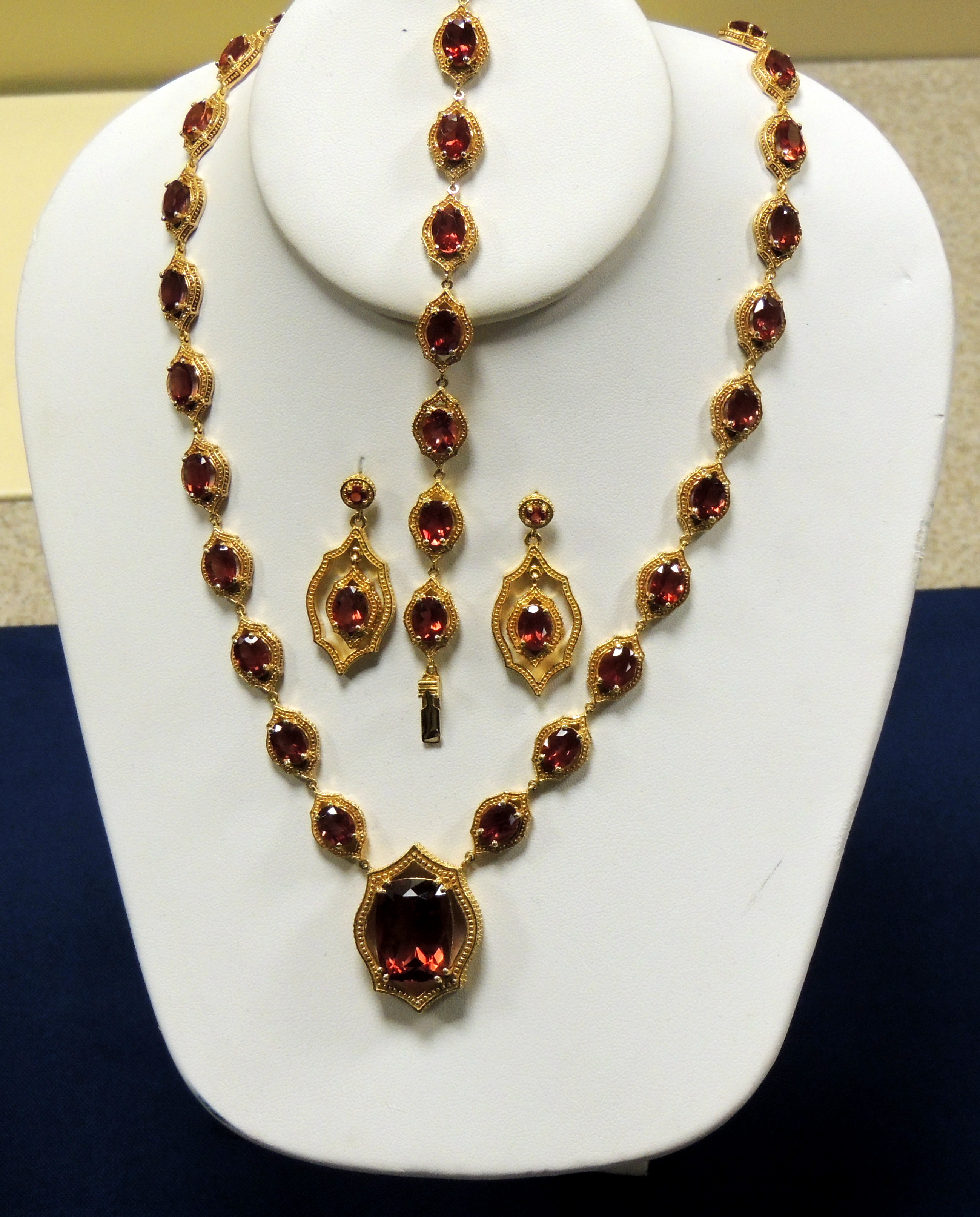
NirinjanNirinjan Khalsa provided some of the jewelry displayed during the talk. Nirinjan creates fine jewelry for a select clientele from a fine jewelry studio located near Beverly Hills, Ca. For over 30 years Nirinjan has had a special love for nature’s treasures and he began by mining gems and precious metals throughout North and Central America and evolved into the fine jewelry artist he is today. Necklace NecklaceSet


Nirinjan Khalsa owns Suncrystal Mining which has a number of privately held mining claims located in the Plush Sunstone district in south central Oregon.

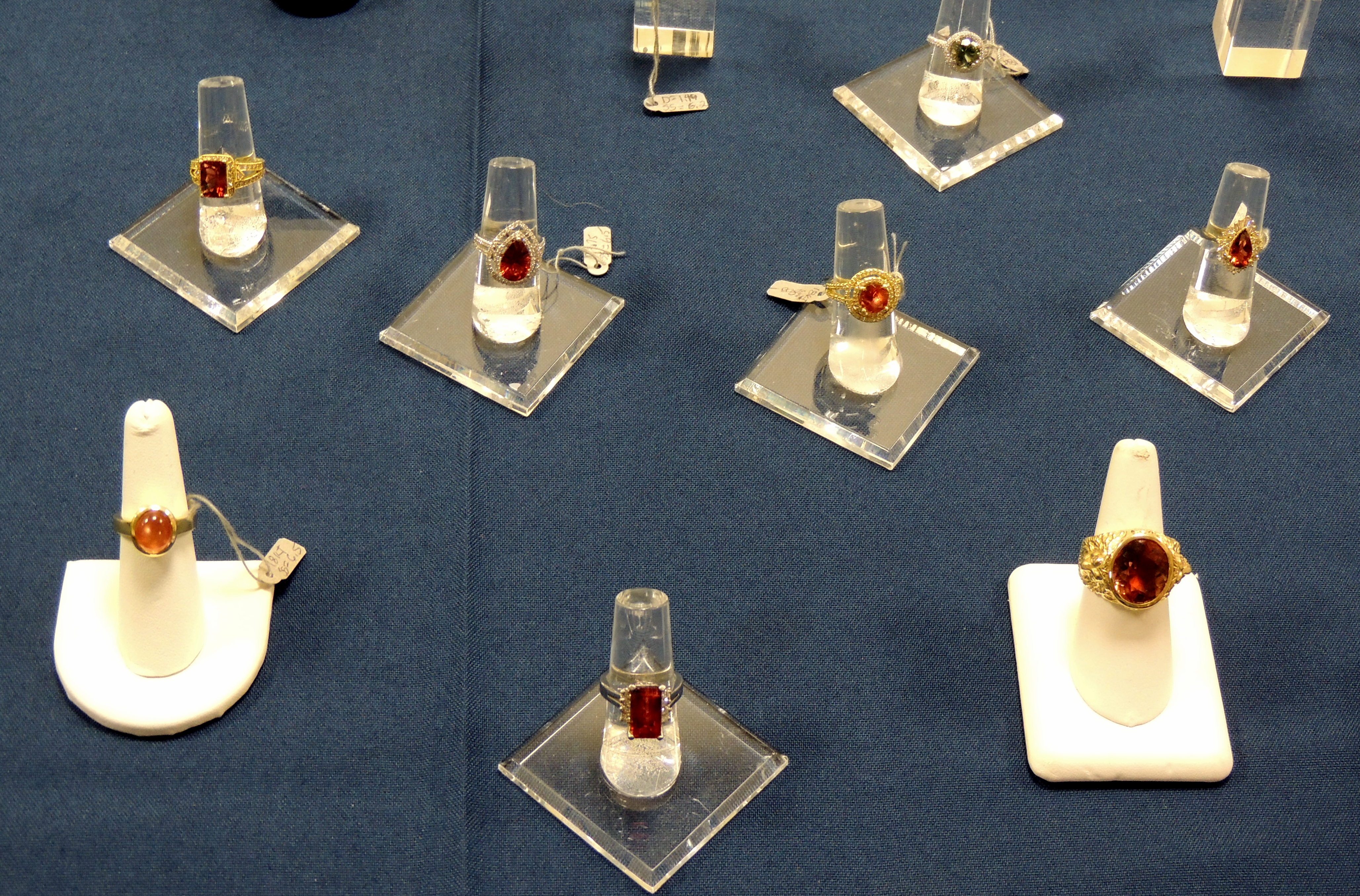
Rings

Carved2Carved3
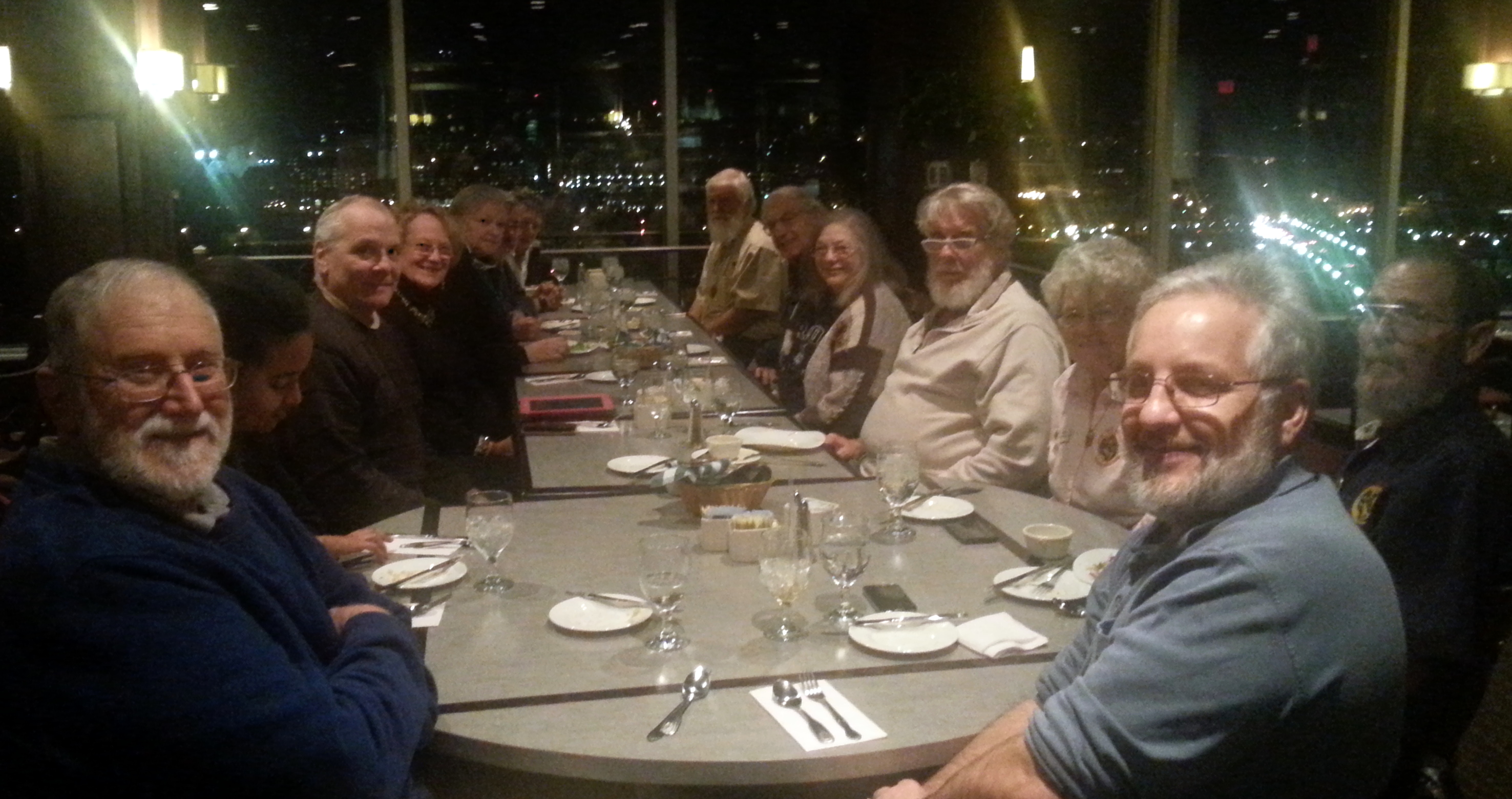
It was a pleasure having Dust devil Mining share the story of Oregon Sunstone as well as the rough, carved and jewelry available for viewing and buying. The party continued at the 17th Floor Restaurant where good food, drink and conversation were had by all.

Dinner Party
Summary & Pictures by Charlie Marts
Powerpoint Show provided by Don Buford

Posted in Meeting Archives | Tagged , , , , | Leave a comment

DCGIA Holiday Party & Auction.

Happy Holidays! 30th DCGIA – Come celebrate our 30th Anniversary at the  DCGIA Holiday Party & Auction. To Register & for Menu Selection – Holiday Party – This year we will celebrate at Marriott Fairview Park, 3111 Fairview Park Drive, Falls Church, VA 22042, 703-849-9400, from Noon to 5:00 PM, on Sunday, December 7th, 2014. We hope to see you all and bring a friend(s), sign up and join us at the party. Bob Davis Scholarship winners will be drawn at the Holiday Party.

Posted in Announcements | Tagged , , | Leave a comment