Brenda Forman

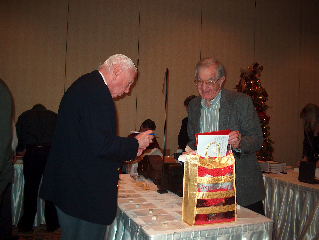
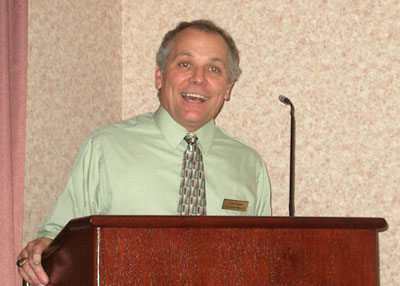
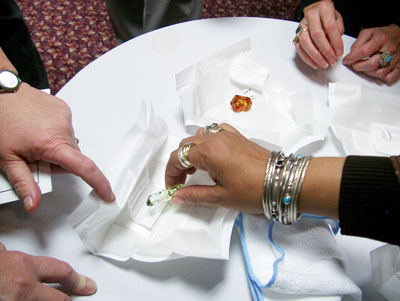
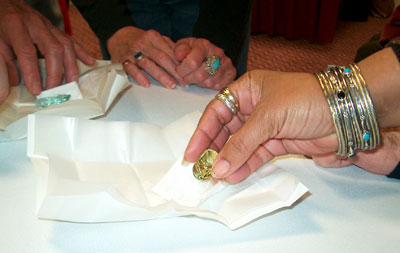
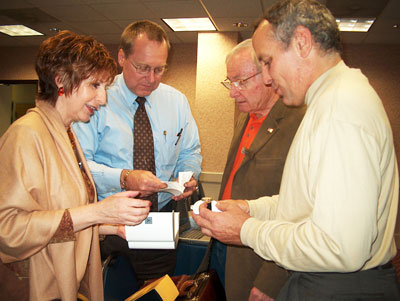
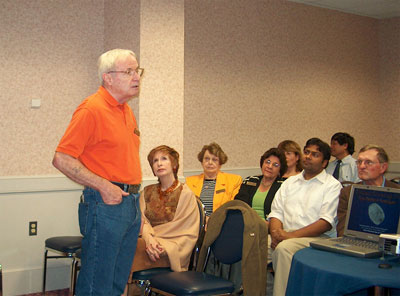
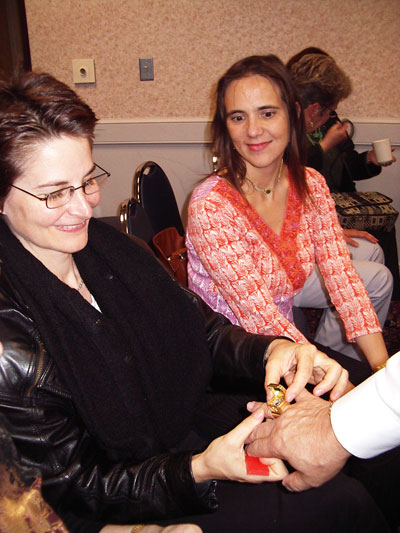
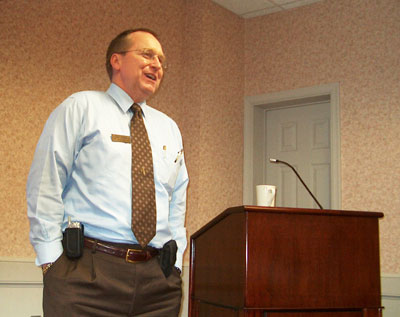
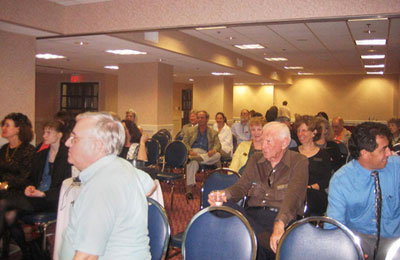
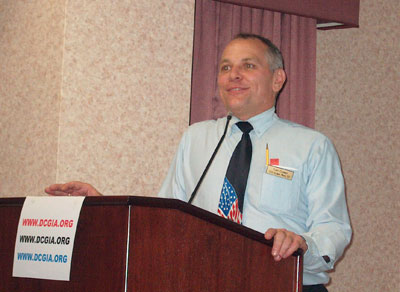
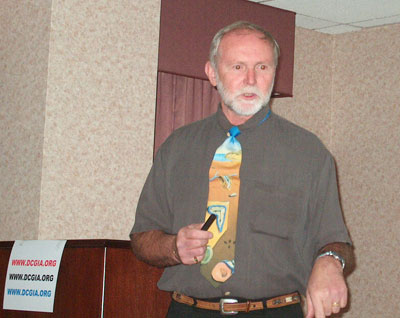
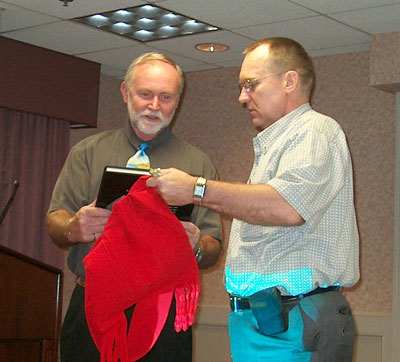
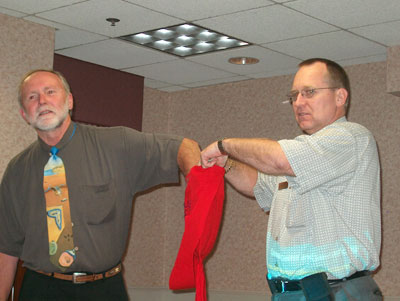
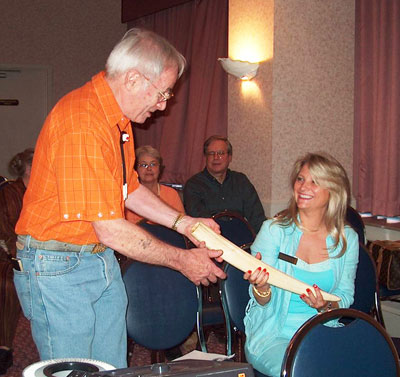
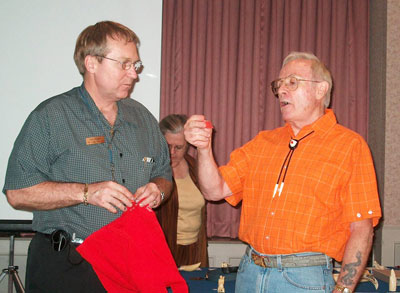
Brenda Forman spoke about the 20th century Art Deco movement, and Cartier. World War I fostered an explosion of new materials and new ways of using them. Art Deco was sleek, colorful, sexy, and stylized in a society that was in love with “modernity.” It was also in love with “fast”…airplanes, trains, cars, and machines in general. This translated into sleek geometric jewelry styles that were a radical change from earlier periods and used materials that previous eras shied away from, such as rock crystal, carved gems, etc. L’Exposition Internationale des Arts Decoratifs et Industriels Modernes in Paris in 1925 was the apex of this movement, being the culmination of the previous two decades in Europe. It was this exposition that gave the Art Deco movement its name.

The Cartier name was synonymous with the Art Deco movement, and was extremely influential in his designs. Cartier pioneered the use of finely drawn platinum wire, which was a major breakthrough in jewelry making. Many Cartier “Deco” designs predated the 1920’s by 10 years or more. The “tutti frutti” or fruit salad style used carved Indian gems with diamonds. At first the Indian gems acquired were of more commercial quality, but later designs were using finer qualities. Note: Many “Indian” emeralds were later found to have originated in Colombia! Vanity and cigarette cases also came into vogue as more women were then smoking, and it became acceptable to fix their makeup in public.

Indian maharajahs also played a part, for they became fascinated with the new styles and had lots of gems and jewelry they wanted to update. Cartier was happy to accommodate them. For example, the Patiola necklace, for the Maharaja of Patiola, took 3 years to make. This in turn created a fashion among non-Indians for Indian style jewelry.

The Art Deco became monochromatic (“White period”) in the late 1920’s through the 1930’s. The previous longer necklaces became short again, and massive. Jean Toussaint (the “Panther”), was very influential in Cartier from 1933 to post WWII. Both Louis and Jacques Cartier died after WWII. The Cartier firm began to decline after this, and by the late 1960’s was bought and sold by various investors. In the late 1980’s the firm began buying back historic and important vintage jewelry, and started the Cartier Collection.

Text by – Melanie Marts
Posted in Meeting Archives | Leave a comment

TUCSON PANEL 2007

Again, as in the past, the GIA Alumni Association Washington chapter drew a large turnout for the annual Tucson pilgrimage discussion. The speakers were great and very knowledgeable. The evening opened with some chapter business which included the current transition from snail-mail to E-mail and the many benefits of such a move.

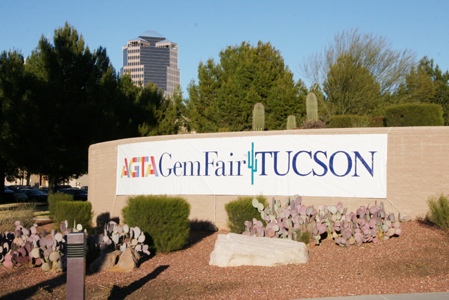
Gem Fair welcoming sign at the Tucson Convention Center

Gem Fair welcoming sign at the Tucson Convention Center

Vice president Tony Conroy showed the two awards presented by GIA to our club. The first award was for the outstanding chapter of the year; the second was given to the outstanding chapter member of the year, Bobby Mann. Bobby had accepted both awards at the awards ceremony. He commented on the sorry turnout of our own membership at the event.

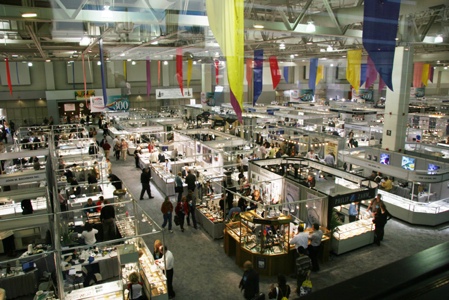
AGTA convention floor, booths, and dealers

AGTA convention floor, booths, and dealers

Bobby was our first speaker. He gave a slide presentation of some of the 44 venues present this year in Tucson. There was an overview of the AGTA glitter at the Convention Center. It is mind-boggling to convert this to dollars and cents knowing that the most exclusive specimens were not even shown to the general public.

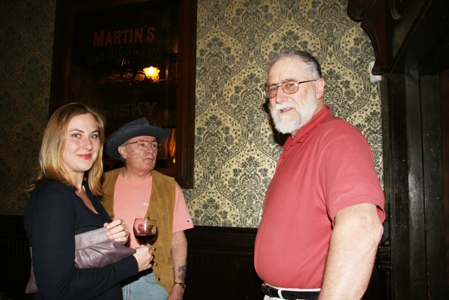
Bobby, Courtland, and friend at Pinnacle Peak DCGIA dinner in Tucson

Bobby, Courtland, and friend at Pinnacle Peak DCGIA dinner in Tucson

Bobby then showed images of a large mammoth ivory carved skull he had purchased. He also displayed a specimen of Whitby polished jet, a carved horn dolphin figurine and a lovely synthetic pink Chatham diamond which he had won at auction; and his prize purchase, a $1.00 strand of mixed pearls. Way to go! Also present at AGTA were F. Cortland Lee and his daughter, Lindsay, showing a collection of Patuxent River stones and jewelry.

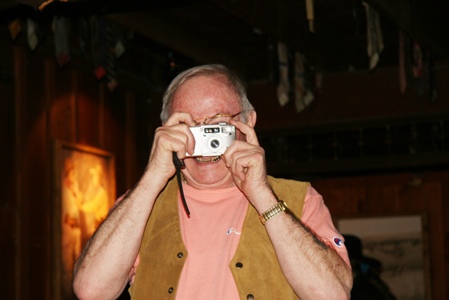
Bobby records his own history at Pinnacle Peak

Bobby records his own history at Pinnacle Peak

Bobby told of the many fairly priced specimens shown at the mineral exhibition. There are plans to start a museum at the mineral show. This should be a great endeavor.

Shirlene Bradbury was the next speaker. She is an independent appraiser and a member of NAJA. This organization has two annual meetings one of which is held in Tucson at this time. They spoke of the life of George Kunz who had such an integral part in the rise of Tiffany & Company and for whom the lovely pink-lilac stone kunzite was named. Also discussed was the discovery of a 6-inch crystal of natural Moissonite, the great diamond caper of the 1950’s, the head of Medusa in pearls, the Arts and Crafts movement and finally, Indian jewelry with Golconda diamonds. The second day concentrated on appraisal methods and ethics.

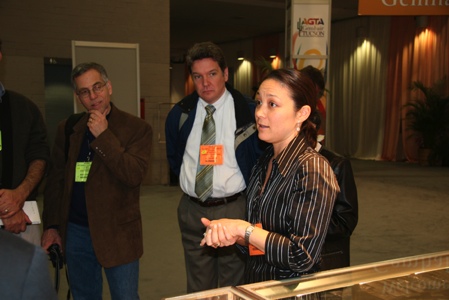
Lois Berger, right, once again takes the main pearl buyers to the principal pearl dealers.

Lois Berger, right, once again takes the main pearl buyers to the principal pearl dealers.

Tim Morgan, a new GIA alumnus and first time Tucson participant, spoke of the overwhelming impact of this annual frenzied ritual. He and his wife, Michele, were unleashed among the various venues without supervision. By the time their more savvy escorts had taken them in hand they had done much damage to their bank accounts. But undaunted they continued, shipping home many outstanding mineral specimens and beads. And they even had time for some sightseeing! Michele’s reaction was WOW!

And the annual Pearl Walk always begins with Gina Latendresse.

And the annual Pearl Walk always begins with Gina Latendresse.

Our own pearl expert, Lois Berger, came next with a Power-Point presentation of her pearl findings in Tucson. There were no outstanding novelties to be found although there was quality and fair pricing particularly in the various South Sea specimens. There is still dispute over the term cultured, whether mantle tissue or bead. She explained the different multiple harvests and their end products. She showed fabulous strands of pearls with equally fabulous price tags. I concluded that there really must be buyers who can afford such goods otherwise why produce them. Ah! Envy. The only new types shown were the humongous, brown dyed South Sea pearls that commanded impressive prices, but very few dealers showed them. Also available this year were the unusual quohog clam pearls in muted eggplant colors from New England. Lois explained the difference between tissue activation and nucleation in reference to keishi pearls and noted the absence of Philippine pearls. The outstanding feature of Lois’s presentation was the depth of her knowledge and the ease with which she conveys it to the audience.

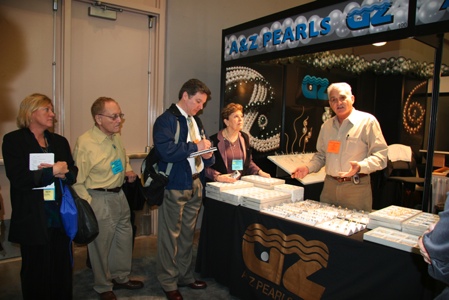
Pearl dealer Avi Raz always has new and interesting pearls as well as information about pearl pricing.

Pearl dealer Avi Raz always has new and interesting pearls as well as information about pearl pricing.


The final talk was by Cathy and Bruce Gaber. They attended various lectures given by experts such as Fred Ward, Helen Serras-Herman, and Courtland Lee. Bruce gave a talk on digital photography. They showed specimens of phrenite, cats-eye opal, and jet. Because 2006 was the designated year of Australian minerals Bruce showed two books on opals; one of them included published photographs by Bruce.

Golden pearls with and without texture were very popular this year.

Golden pearls with and without texture were very popular this year.

So ends another year and another pilgrimage to the jewelers Mecca, Tucson.

Text by Lisa Carp
Photos by Fred Ward

Posted in Meeting Archives | Leave a comment

Bill Boyajian – Seven Key Issues Affecting the State and Future of the Jewelry Industry

On January 10, 2007 we were treated to a rare opportunity to hear from one of the industry’s leading authorities. Bill Boyajian spoke insightfully about very current and important issues including the shifting balance of power in the industry, the downstream rush, synthetic diamonds, conflict diamonds, public perception of our trade and products, stress on margins and profitability and finally, adding value to products and services.

Members listened carefully as Bill expressed his concerns about the gem industry.

Bill Boyajian

The first topic on the shifting balance of power dealt with DeBeers’ “Supplier of Choice” program and how the reduction of “Sightholders” from 200 to fewer than 80 has changed the way previous Sightholders now do business. They have either gone out of business or aligned themselves with current Sightholders. The African producers are also trying to become cutting centers in order to keep as much business as they can locally. Longtime cutting centers such as Antwerp are struggling to keep their business from shifting to China and India.

Members turned out to hear Bill's talk and to ask him questions about the industry's direction.

Members listened carefully as Bill expressed his concerns about the gem industry.

The downstream rush topic was about dealers becoming manufacturers and manufacturers becoming retailers. DeBeers is encouraging its Sightholders to get closer to the consumer thereby streamlining the pipeline. The middle dealers are being squeezed and they must diversify to survive. We now have not only DeBeers opening retail locations but Leviev is going head to head with them. Leviev has mines, cutting facilities, jewelry factories and now, a retail location in London.

Speaker Bill Boyajian reads out the winning raffle ticket number.

Speaker Bill Boyajian reads out the winning raffle ticket number.

Synthetic diamonds are a challenge to all of us to properly identify. Disclosure should not be an issue from the labs that create them to the consumer who buys them. There is nothing inherently wrong with synthesized gems of any kind as long as everyone knows what they’re dealing with. Bill’s opinion is that by disclosing the origin, the synthesized diamonds will create their own market and the interest in natural coloured diamonds will increase. The labs will issue reports on synthesized diamonds. On a personal note, Bill prefers the term “lab-grown” to “synthetic” and that “cultured” should be reserved for organic products.

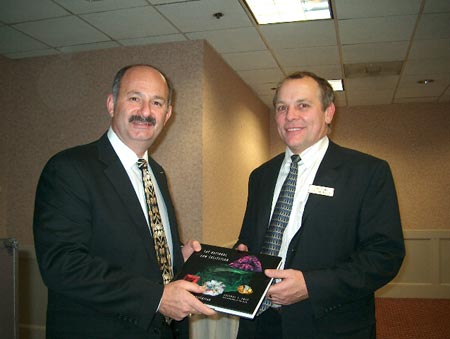
Chapter VP Tony Conway presents our gift Smithsonian book to Bill Boyajian at the end of the meeting.

Chapter VP Tony Conway presents our gift Smithsonian book
to Bill Boyajian at the end of the meeting.

The topic of conflict diamonds is on everyone’s mind with the release of the “Blood Diamond” movie. The industry must address the fact that the film deals with a situation that occurred in the past and we have addressed the rectification ourselves with the Kimberly Process. The bigger question is how does the public feel about it and what is the long-term affect of returning to this issue. Social issues are much larger concerns of the younger buyers and their concerns must be addressed like never before which led to the next topic of public perception.

Chapter members meet with Bill over dinner after his talk.

Chapter members meet with Bill over dinner after his talk.

In handling public perception of our industry, we must be more transparent than in the past. The younger buying public is much more socially aware due to environmental and ethics issues. A “Council for Responsible Jewelry Practices” has been formed to address these concerns which are not likely to abate for some time.

The next topic was about the stress on margins and profitability. The speed of change as a result of Internet buying has increased the stress on the entire industry. Consumers now have as much access to stones and pricing as the retailers, which has significantly cut into profit margins in almost every level of the pipeline. As a result, adding value to products and services has become paramount, which leads us to the final topic.

Adding value is paramount for everyone, but particularly for retailers if they want to compete on what is becoming a global marketplace. Price isn’t everything but it can be a major factor in where people do business. The key is in the relationship. Invest in the relationship with the consumer and the business has a better chance of surviving. Family-owned businesses still drive the industry. Retailers must decide whether to brand their store, use name brands as their brands or a combination of both. This will help in getting the consumer to recognize and appreciate the value of doing business with traditional brick and mortar stores.

Archive Text by Sherlene Bradbury

Archive photographs by Doris Voigt

Posted in Meeting Archives | Leave a comment

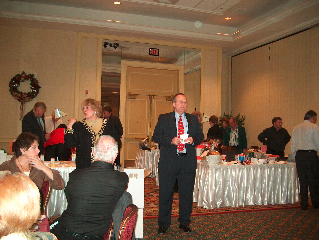
DCGIA Auction Party

Writeup in rhyme by Denise Nelson

T�was the night three weeks before Christmas
and all through the house
GIA Alumni�s were gathered around
eating and drinking and having some fun
missing only the summer and sun.

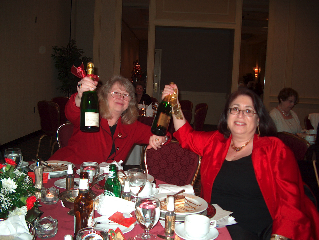
No need to share.... enough bottles to go around!!!

The room all glitter and white and red
the tables all loaded with sweets and bread
we sat around
where good friends abound
and a good time was had by all!

Great Items Abound......

Hanukkah, Kwanza, whatever the reason
we celebrate the season
gathering that night
when all was at peace
the meals were a sight
and all were at ease.

Carolyn and Toby welcome the early arrivals

Then Bobby and crew
brought in the slew
of gifts and items wild
to the delight
of woman and child
and grown men too.

Denise Nelson and Davia Kramer enjoying the champagne

The auction was great
if somewhat sedate
yet everyone raised their hand
and laughter and cheer
all were here
in GIA Alumni land.

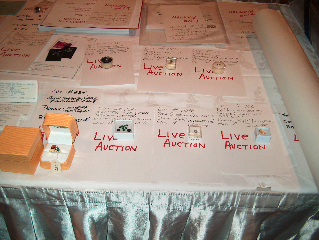
An oriental sake set for auction

Melanie, Doris, Toby and Bill
none could resist the thrill
of laying down that dollar bill
for items galore,
some seen before,
some old, some new,
all sold on cue.

Gary and Helen Smith donate auction items with Tony

The watches and rings
the statue with wings
an elephant carved of jade
a gemstone lot
even a pot
a game with kings
red and blue things
a bracelet and some clocks
surprises in a box!

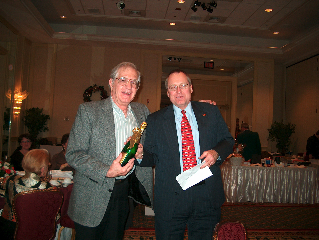
Hap Williams awarded champagne for his historian role

Master stones
animal bones
nothing was tabu
to raise a buck or two!

Our great auctioneer Bobby Mann with Teresa McGowan

China so fine
Australian wine
a gumball machine
and a tureen
Amethyst and Tourmaline
Alexandrite and a Citrine
sparkling and bright
what a cool sight
a garnet from Russia
a stone from Kabul..
gathered by Donna
how daring and cool!

Some of our terrific Live Auction items

A heart-shaped locket,
a watch for the pocket
a game of chance
champagne from France
Chinese pearls,
a figurine with curls
signed drawings and books
tools for cooks
textiles
nailfiles
photos in a frame
vases of glass
jewelry of brass
silver and gold
small or bold
all was sold!

Bob Davis and Hap Williams look over the silent auction items

Kathy Ewell loves to read,
Earl bought the earrings
Courtland brought the MD bead
and Denise paid for weird things

Lisa got a collection of pins
someone got tins
and something with fins
Carolyn was pretty
Bobby was witty
and the room was filled with joy
everybody got their toy!

We did miss the faces
of those off to new places
but made new friends
and shook new hands
there in the festive hall
a good time was had by all!

Happy Holidays and a Happy New Year!

Posted in Meeting Archives | Leave a comment

Michael Dyber, Lapiderist & Designer

At the November meeting of the DCGIA, Michael Dyber, gave a fascinating presentation of his craft that completely mesmerized the audience, capturing their attention for the entire evening. As the owner of Michael Dyber Infinite Design, Dyber specializes in handmade gemstones sculptures and carvings. Though he has no formal education or training in gem/jewelry design (a graduate of New England College in 1970, with B.A. in Fine Arts & Humanities), Dyber has an artistic and creative nature. He started creating metal sculptures at the age of 9 and as he refined his skills, he made the natural progression from sculpting various metals to small jewelry sculpture utilizing gemstones. Utilizing a unique and custom set of tools, which he also designed, Dyber�s creations are breathtakingly beautiful and have earned him numerous national and international awards.

Tonight's speaker - Michael Dyber - acclaimed gem artist

Tonight’s speaker – Michael Dyber – acclaimed gem artist

While he has done a variety of work in his career, Dyber�s unique lapidary work is where he has distinguished himself as an artist. His lapidary is primarily focused on stones like ametrine, aquamarine, Brazilian bi-color tourmalines as well various colors of beryl, rutiliated quartz, and amethyst. He has scoured the world�s gem mines in search of unique and exquisite minerals for his carvings.

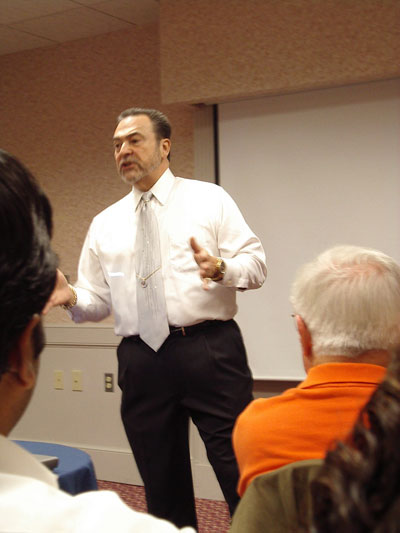
Chapter VP Tony Conway greets tonights' speaker and guests

Chapter VP Tony Conway greets tonights’ speaker and guests

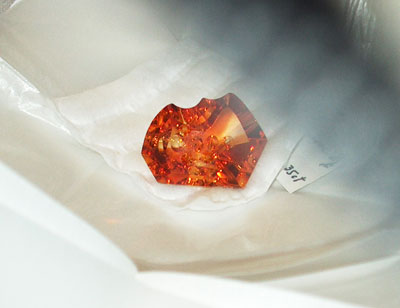
His passion, creativity and imagination to do something different and extraordinary, took him away from jewelry designing into some extremely creative and imaginative work. In 1987, Dyber developed his internationally known signature lapidary technique called the Dyber Optic Dish. This technique creates optical illusions in small and large dimensions and it is all cut by hand without any prior design in mind. Utilizing his natural sculpting instincts in various gemstones, Dyber was able to create exquisite pieces such as the �Eternal Flame�, which is a free-form carved smoky quartz with rutile, on bronze armature and pink granite. The design flows from front to back and incorporates the Dyber Optic Dishes� in creating numerous optical illusions. The smoky quartz he used in this carving was from Brazil and weighed approximately 5,438 grams, while the pink granite used was mined in the U.S.A.

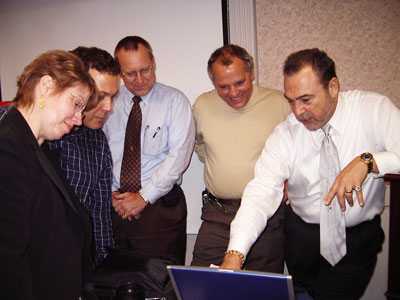
Chapter members getting into Dyber's gems

Chapter members getting into Dyber’s gems

Multi-colored beryl cuts by Michael Dyber

Multi-colored beryl cuts by Michael Dyber

Michael Dyber - disc cut citrine - goes with other 2 cut stones

Michael Dyber – disc cut citrine – goes with other 2 cut stones

His Optic Dish art was so impressive and extraordinary that JCK magazine featured Michael as the �Master of Optical Illusion� in 1994. However, his appetite for new creation did not stop there. In 1999 he introduced new signature lapidary technique called Luminaries, which creates illumination and optic illusions within the stones. He has created some extraordinary pieces, utilizing a combination of both the Optic Dish and Luminaries techniques:

  • A 43.99 ct. Aquamarine
  • A 65.48 ct. Bolivian Ametrine
  • 81.64 ct. Amethyst (Winner of the �2006 AGTA Cutting Edge Award�).

Michael�s various works of art have been displayed in a variety of museums all throughout the United States:

  • Smithsonian In Washington D.C,
  • Gemological Institute Of America Museum
  • Carnegie Museum of National History
  • Harvard Museum of Natural History

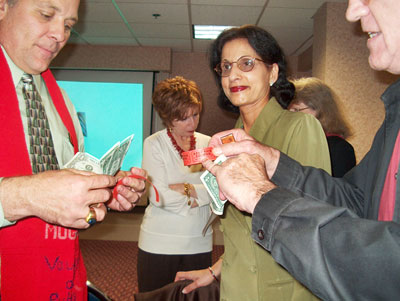
VP Tony Conway sells winning tickets to all comers

VP Tony Conway sells winning tickets to all comers


Text: Kusam Malhotra
Photos: Doris Voigt

Posted in Meeting Archives | Leave a comment

A CASE STUDY IN FRAUD

Forensic Gemology
Gary L. Smith

Our evening with Gary L Smith provided a revealing glimpse into the intriguing world of Sherlock Holmes and CSI. �Forensic Gemology� is a popular topic and it filled the room beyond it�s capacity.

Speaker Gary Smith

Speaker Gary Smith

Gary, who owns the Pennsylvania Gem Lab, which is a laboratory dedicated only to forensic jewelry examination, was trained in Asia and Europe. He holds the title of �Master Gemologist Appraiser � from ASA and has more than 40 years of experience. He also has a truly impressive list of professional affiliations. Gary, who calls his craft �Investigative Gemology� presented a lecture filled with hard facts and showed great enthusiasm for this fascinating and intriguing subject. With roughly 80% of all antique period jewelry being �knock-offs� rather than authentic, it was a very educational, as well as cautionary message.

The main reasons for using a forensic gemologist are the following:

  • Causation of damage
  • To validate dating and identify a certain period
  • To authenticate hallmarks
  • To detect fraud

The scientific determination of causation or authentication requires not just the use of a large number of scientific equipment and expertise, but also needs a good amount of common sense and sometimes even a bit of luck.

Gary Smith with DCGIA members

Gary Smith with DCGIA members

Gary revealed the secrets of a breathtaking neckpiece which supposedly was linked to Nikolai II in the 1896 – 1917 time-span. The very impressive looking necklace, laid out and stored in a fitted box in perfect condition, was supposedly made of Gulf-of-Bahrain pearls, with 150 carats of demantoid garnets, diamonds, and 22K gold. It exhibited exceptional craftsmanship. The hand-set gems and hand-azured mounting looked pristine and authentic. The piece presented many questions, and offered some surprising answers. One test, surprisingly not of the actual item but of the box-material, raised the first red flag! It was made of nylon fiber, unknown during the Romanoff period it was attributed to. Another quite obvious observation was the lack of any dust or dirt on the box and on the item itself. Next came the discovery that the metal used was actually 18K gold with a flash-plating of 22K gold. As luck would have it, one of the pearls was actually loose and could be examined closely. That revealed the pearls were actually Chinese tissue-nucleated and no more than 10 years old. An �intent to defraud, from beginning to end� became the final verdict.

Laboratory techniques include:

  • Keeping records, keeping track of all the details, create a �chain of evidence�
  • �Doping� if setting is in question, an anti-tampering measure
  • Seal in evidence bag, to show chain of custody
  • Photography
  • Documentation for every test
  • Final numbered and bound report

Gary explained that he examines items in quadrants and makes the item �prove itself�. He emphasized inspecting the back as careful as the front, wearing cotton gloves, and using a good cleaner which does not destroy the patina. A good light-source and UV examination are a must.

Michele-Toby-Bobby-Tony cooking the books before the 50-50 drawing

Michele, Toby, Bobby, and Tony cooking the books before the 50-50 drawing

The history of �who saw it, who touched it, who breathed on it� becomes a intricate part of the discovery process. Metallurgy is used to identifying alloys, scratch-marks, plating, pitting, soldering, and the thinning of joints. This testing can pinpoint whether a piece of jewelry is truly of a certain time period or not. X-ray Fluorescent Spectronomy (XRF) can shed light on which metals, such as cadmium, cobalt or even arsenic, are present and therefore which time-span the item can be attributed to. King Edward II on April 11, 1300 made assaying and marking a rule, but it is well known that many items are not marked at all.

Bobby Mann shares Holiday Party plans with members

Bobby Mann shares Holiday Party plans with members

Today�s hot market for antique jewelry has created a hotbed for very profitable fraud, which has increased noticeably during the last decade. Many items offered for sale are actually made in the present, using old techniques and old gemstone cuts, mimicking those of the period they try to represent. For example, in Turkey the old craftsmanship has been well preserved. One family, after learning how to foil-set diamonds 5 generations ago are still experts in that craft and are creating �antique style� jewelry to this day. Properly represented as finely made replicas, these items are readily available and affordable.

Denise Nelson


Gary covered the use of artificial aging processes, the use of modern gems in old-style settings, and the abundance of replication often creating exact copies using old catalogs and drawings. Authentic antique handmade jewelry can be visually attractive, unique and unusual, and has the ability to create a feeling of nostalgia and occasionally comes with historical provenance. These combined traits make these items highly desirable, both as a collectable or as a re-sellable and highly marketable profitable treasure. Problems arise when there is a lack of disclosure and a disregard for the truth and the facts, resulting in deception and misunderstandings.

Chapter President Toby Fitzkee welcomes the largest attendance of the year

Chapter President Toby Fitzkee welcomes the largest attendance of the year

The next time any of us will look at antique or reproduction jewelry, possibly equal in beauty, yet vague in documentation, remember Gary�s words: �Don�t assume anything, ask questions� will be sure to echo in our minds.

Written by Denise Nelson
Photos by Doris Voigt and Denise Nelson

Posted in Meeting Archives | Leave a comment

America’s Jewelry Boxes

Barry Weber, president of Edith Weber and Associates, regaled us with stories and slides of his years in the antique jewelry business that his mother started some fifty years ago. Barry has also been with “Antiques Roadshow” for ten years. The Roadshow is a traveling televised program that allows people to bring their treasures and baubles to be examined by experts in all fields. As Barry said, “It’s all about the stories.”

Barry Weber

Barry Weber

He began with the story of how “Edith Weber” came to be. His grandmother, Doris, had an antique business that dealt in everything but jewelry. One day a lady came into the store with a box of jewelry she inherited but didn’t want. Neither did Doris. Her daughter Edith kept looking through the pieces and telling her mother that she “really ought to take a look.” When asked what the lady wanted for the lot, she replied “$500.” Doris wouldn’t buy but offered to lend Edith the money, and that’s how “Edith Weber” started. The $500.00 was paid back with the sale of a few pieces and the rest, as they say, is history. The present location of “Edith Weber” is at 994 Madison Ave. in New York City.

DCGIA Meeting

The crowd

Barry showed us slides of what he calls “Edith Weber’s Greatest Hits” with accompanying stories. First was a group where the centerpiece was a snake necklace with green and colorless paste stones that appeared to have a Boucheron stamp. She contacted Boucheron and they claimed that they would never create a piece with fake stones. There was however a real piece in existence with real diamonds that had been created for a client and this was most likely a working model because it was stamped “FB” (for Frederick Boucheron). It now resides in the Toledo Museum of Art.

This was followed by photos of a ring that contained the hair of George Washington and General Lafayette as well as one that contained just Washington’s, both with records of provenance. The George Washington Memorial Ring is the only known one in existence even though five were thought to have been commissioned as mementos for his heirs.

Then followed an enameled and gold portrait piece of the French Princesse de Lamballe, one of the first noblewomen to be executed at the start of the French Revolution. Barry reported that because the guillotine was not in existence, she was dismembered and her body parts were shot out of cannons!
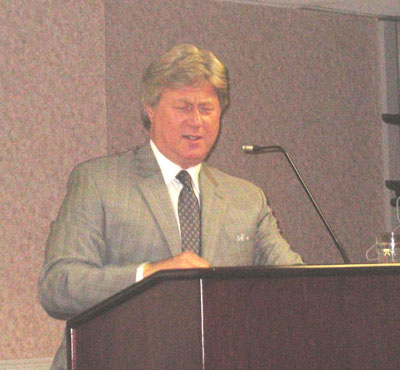
Courtland Lee with specimen

Courtland Lee with specimen

Next were examples of Napoleonic jewelry, including a ring that was worn secretly by supporters of the French leader in which his likeness “popped out” of a hinged compartment.

Barry showed slides of Victorian jewelry that were typical of the era as well as jewelry that belonged to Her Majesty Queen Victoria and one that portrayed Prince Albert in a death repos� cameo.

His slides included Edwardian and Georgian jewelry as well as a collection of Faberg� pieces. He has since stopped dealing in Faberg� because there have been so many reproductions as a result of the “Russians moving to New Jersey” that the authenticity is too difficult to prove.

Need-IDs-here-010.jpg


One of the Georgian offerings was a group of “Lover’s Eye” jewelry. These were portraits of just an eye with perhaps some hair that were to represent the wearer’s love. This was done to conceal the lover’s true identity. One was of Joseph Bonaparte, Napoleon’s older brother, who had been put in charge of Italy and Spain and even lived in New Jersey for a time.
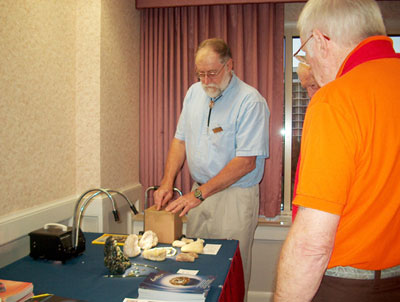
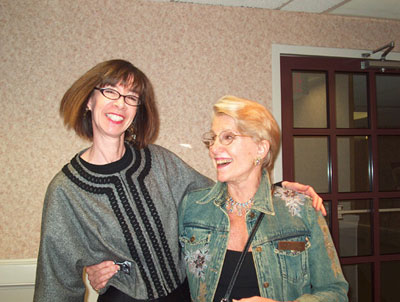
There was a fascinating piece with several hinged “lockets,” each with a picture of Frederick William and Victoria of Germany with their children. The hinged front had the first initial of the name of the person concealed.

One of the last and most interesting pieces was an object that proved to be a mystery. The mainstay was a carved coral lobster holding an ivory skull on an enameled anchor base. The back had letters and a heart. It was determined to be a betrothal piece from a seaman to his beloved.

All in all, it was an entertaining evening of stories and pictures that both delighted and educated. We all have stories to tell of our jewelry and Barry’s talk showed how important it is to future generations that the stories are preserved.

Text: Sherlene Bradbury
Photos: Doris Voigt

Posted in Meeting Archives | Leave a comment

Emerging Gem Deposits of Afghanistan

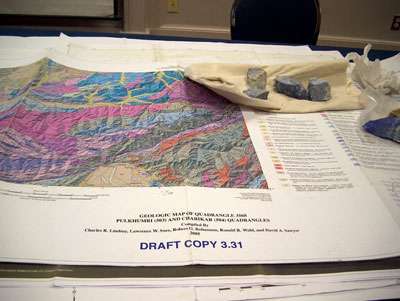
Emerging Gem Deposits of Afghanistan was the subject of Dr. Lawrence Snee’s talk at our August meeting. Dr. Snee has been a geologist with a varied background for over 30 years and is now a member of the U.S. Geological Survey Project assisting in the reconstruction effort in Afghanistan. He has studied gem deposits all over the world, especially Asia, and has visited Afghanistan four times. Because of his familiarity with the geology and geography of Afghanistan and Pakistan he was involved in the search for Osama Bin Laden.

Blue gemstone someone brought in for show&tell

Blue gemstone someone brought in for show&tell

Tony Conway introducing Dr. Snee

Tony Conway introducing Dr. Snee

The principal gemstones of Afghanistan are emerald, ruby, sapphire, spinel, and lapis lazuli. Spodumene, amethyst, tourmaline, morganite, aquamarine and garnet are also found as well as gold, asbestos and oil. The gem deposits occur in or near the Hindu Kush mountains (a western extension of the Himalayas) in northeast Afghanistan. Hindu Kush translates as “Slaughter of Hindus”, but that’s another story. This is an exceedingly rugged area with elevations over 25000 feet above sea level, and with steep slopes and narrow valleys typical of young mountain ranges. Mountain building is still happening here. These mountains began rising about 35 million years ago when the Indian subcontinent was transported beneath the Asian plate, and they are still rising, even as we speak. Or read. The frequent earthquakes give testimony to that. The USGS has re-interpreted much of the geology here previously done by the Russians. Under the Soviet Union, plate tectonics was not an acceptable concept.

Dr. Larry Snee speaking about Afghanistan's gem possibilities

Dr. Larry Snee speaking about Afghanistan’s gem possibilities

Geological map of northern Afganistan

Geological map of northern Afganistan�

The emerald mines are located on the south side of the Panjsher Valley. This is a narrow, seventy-mile long valley coming out of the Hindu Kush and aimed at Kabul. When Snee went into this area there were 23 people in his party – three geologists and 20 armed guards. The mining is a “mom and pop” warlord operation and the mines are narrow adits hundreds of feet long with no supports. Very dangerous. The emerald is found in metamorphosed carbonate rocks. Chromium in deep-seated mafic rocks was brought into contact with beryllium bearing crustal rocks during continental collision. Hydrothermal alteration caused by beryllium bearing granitic fluids coming in contact with the chromium bearing mafic rocks formed the emeralds. Snee discussed the crystal structure and chemistry of emeralds, showed slides of inclusions including tourmaline, mica and feldspar. A trace amount of iron gives the stones a slightly bluish cast, similar to Columbian emeralds, and they are considered to be good to excellent. They are sometimes sold as Colombian.

Dr. Snee receiving our Smithsonian Gems gift book from Pres. Toby Fitzkee

Dr. Snee receiving our Smithsonian Gems gift book from Pres. Toby Fitzkee

And the winner of the monthly chapter raffle is.............

And the winner of the monthly chapter raffle is………….

The unindicted raffle co-conspirators discussing the presentation

The unindicted raffle co-conspirators discussing the presentation

Afghan rubies and sapphires are found east of Kabul at Jegdalek and Gandamak and have been mined for more than 1000 years. On the first day Snee arrived he was prevented from entering the area, but the next day he hooked up with a warlord and got in. The rubies are found in steeply dipping marble beds, often vertical. The miners would drill down dip, parallel to the bedding, for 30 or 40 feet. The best stones are found at depth and are considered to be good to excellent. At first the miners kept the red and threw away the blue. Then they caught on. These stones are rarely identified as Afghan in the world market. These stones have mica inclusions, and mica in the host rock is an indicator of the presence of ruby.

Lapis Lazuli deposits are found in marble associated with high-grade metamorphic rocks in Badakhshan, northeast of the Panjsher Valley. Small operators have mined these deposits, located among beautiful poppy fields, for thousands of years. The Afghan lapis is famous throughout the world. Farther north on the Amu river balas ruby (spinel) has been mined in the past, but there appears to be no recent activity.

Dr. Snee plans to return to the area in the near future for continued work on the reconstruction project. This was a very enjoyable and informative talk.

Text: John Lees
Photos: Doris Voigt

Posted in Meeting Archives | 3 Comments

Fred Ward

Our evening opened with a Happy Birthday song and cake for our prodigal speaker � Fred Ward. Fred moved to California in Nov. 04, but he is still a member of our alumni chapter and the keeper of our website. He travels back to DC each year to lecture to us. Tonight our lecture focuses on rubies & sapphires, and a surprise is promised.

fredward-06.jpg

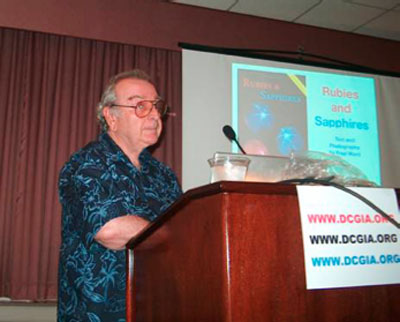
The evening was filled with talk of Rubies and Sapphires

Fred gave us a history of rubies and sapphires � as they were used by the Greeks, Romans and Indian moghuls.

The stories of gems abound. A 500-carat ruby found in Mogok, Burma was taken to Thailand. Burmese soldiers invaded Thailand to return the ruby to Burma.

A man in Sri Lanka, digging in his basement found a 3965 carat crystal and sold it for more than 1 million dollars.

fredward-01.jpg

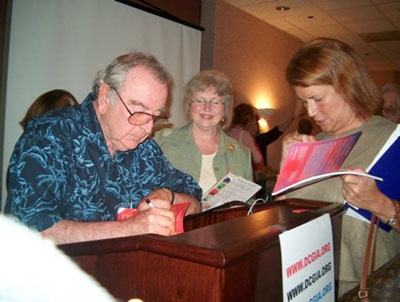
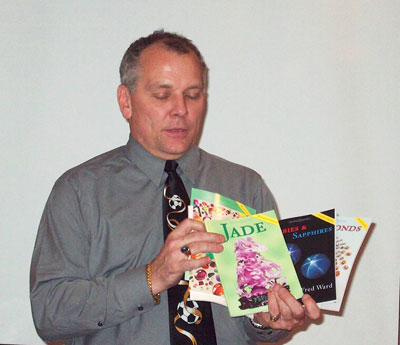
Fred Ward signs his Gem Books for DCGIA chapter members

Fred told us of the different ways of mining in the various countries.

Sri Lanka has no traditional mines, the whole country is a sapphire mine. Rice farms are rented out for a season, dug up, mined, then restored so that it can be used for rice farming again. This process is done over and over. The sapphires that are found are heated overnight and can be found for sale in the markets the following morning.

In Burma, there was never a �wash� plant. The government decided to build a �wash� plant to separate rubies from the rocks. To finance this plant, the government became every miner’s partner… by taking a cut of the sales. Almost all the nice gems are sent to Thailand to be recut.

Vietnam is primitive � basically dig a hole and hope.

fredward-02.jpg

And the winning raffle ticket brought lots of laughs

When corundum was discovered in Umba, northeast Tanzania, 25 years ago, in one bucket you could find every color.

Australia has sapphires that for years were sold as Thai. We think of all sapphires from Australia as being very dark, but they actually come in nice blue colors. The Thais would separate out the good sapphires and sell them as Thai and leave the dark blue sapphires as being from Australia.

fredward-08.jpg

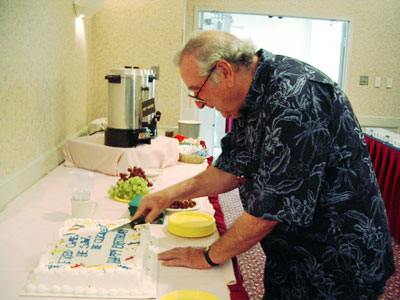
Fred’s birthday cake was a welcome surprise

The Yogo Gulch mine is over 100 years old, but is not producing now. Because of the rarity of Yogo Gulch, the sapphires command a premium price. Five Americans bought land just across Yogo Creek, then had to dig underground. They found some sapphires, but not enough to make money. Other sites in Montana (mainly in western Montana) produce sapphires in an incredible array of colors.

fredward-07.jpg

Cutting the cake for everyone to enjoy.

In Northern Tanzania, opaque ruby is surrounded by green zoisite, giving a watermelon effect. This material is used in carvings.

We are accustomed to the heat treating of ruby and sapphire. Now the treatment is beryllium being diffused into the stones, producing orange, yellows, and better reds and blues.

Synthetic sapphire and ruby boules are used today in a huge number of high-tech processes. They are used in computer chips, ruby lasers for surgery, and as the laser scanner with a sapphire top (instead of glass) in our grocery store checkout counters.

Our surprise was first photos (aerial) of Fred�s �mountain top� home in California. A true Shangri-La.

Then we saw upcoming photos from Fred�s newest book � The Phenomenal Gems. Or for us simpletons � “gems that do tricks.” We saw his photos of adularescence, asterism, aventurescence, chatoyance, color change, flame, fluorescence, iridescence, labradorescence, orient, and play of color.

Fred was kind enough to personalize & sign his books, which are sold as an income-producer for the DCGIA Chapter.

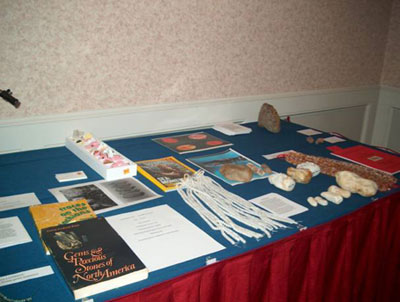
Courtland Lee set up a �show & tell� table with his �find� of Patuxent agate, the state stone of Maryland.

fredward-05.jpg

Several members brought in “show & tell” items for all to enjoy

Bobby Mann set up a �show & tell� table on ivory identification, which included examples of baleen ivory and elephant molar teeth.

Text by Davia Kramer
Photos by Doris Voigt

Posted in Meeting Archives | 1 Comment

DC Gia Alumni Lecture by Bobby Mann

William R. Mann, a collector of unusual Ivories, provided a fact-filled evening about various natural Ivories. His presentation about Ivory and Ivory substitutes reflected his great enthusiasm and passion for Ivory and everything related to it. As a co-founder of the International Ivory Society his knowledge and passion about the subject was on full display as his discussion was filled with numerous fun facts and anecdotes about the animal tusks. Bobby�s presentation included a lecture and slide show that detailed his lifelong experiences with Ivory. He covered everything from Elephant to Boar tusks and shared various ways to identity look-alike ivories from the real ones.

Tony Conway with eyes closed appears to be divining what's in Fred Ward's books

Tony Conway with eyes closed appears to be divining what’s in Fred Ward’s books.

Along with his ability to separate look-alike from natural ivories, Bobby is also a master in identifying manufactured ivory substitutes. Using Ivory Identification Comparison kits along with a brief slide presentation with a written guide, Bobby showed the diagnostic characteristics of the various selected natural ivories as well as natural and manufactured substitutes.

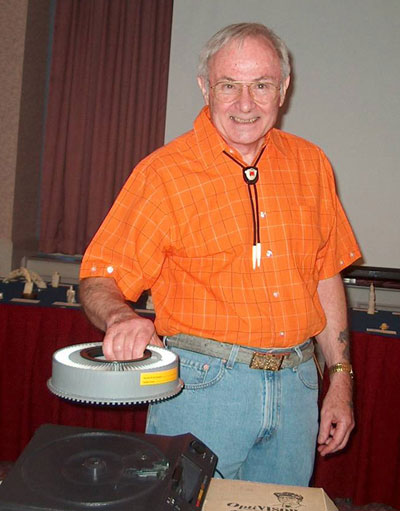
Ivory expert Bobby Mann prepares his slides.

Ivory expert Bobby Mann prepares his slides.

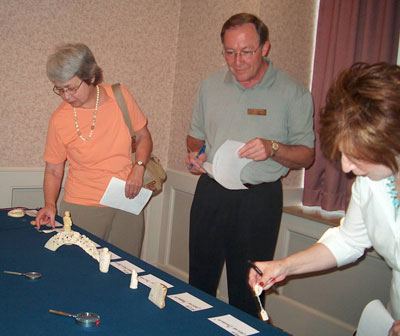
Chapter members had numerous ivory examples to examine.

Chapter members had numerous ivory examples to examine.

The slide show presentation was a great help later in the evening as Bobby led the audience through an ivory identification exercise. A group of 40 ivory, ivory �look-alikes,� and manufactured substitutes were placed on a table for all the audience to identify. Chapter members and guests evaluated all different types of ivories including natural Elephant Tusk, Mammoth Tusk, Walrus Tusk, Hippopotamus Teeth, Sperm Whale Teeth, Narwhal Tusk, Wart Hog Tusk, and Boar Tusk, mixed with their natural ivory substitutes – Bone, Antler, Vegetable Ivory, Hornbill Ivory, Shell, Coral, Meerschaum, displayed together with the manufactured ivory substitutes � such as celluloid and polymer-plastic. Analyzing the ivory specimens under 10x magnification, the entire audience was really tested when we all had to actually view all the specimens to try to identify the different types. Identifying the ivories was a real challenge for most of the audience, who were filled with fun and laughter. I truly believe that most of the participants did not correctly identify all the different types of ivories!

Bobby shares an ivory tusk with Sherlene

Bobby shares an ivory tusk with Sherlene.

Ever shy and timid, Bobby calls out the winning lottery ticket.

Ever shy and timid, Bobby calls out the winning lottery ticket.

Spending the evening with a true Ivory expert such as Bobby Mann was a great opportunity for all the participants to learn even more about Ivory. The presentation gave all the participants a hands-on experience to try to distinguish between the natural, natural-substitutes and the manufactured substitutes. All in all it was truly a fun- filled evening with lot of learning.

Bobby Mann and friend

Bobby Mann and friend.

Writeup by Kusam Malhotra
Photographs by Doris Voigt

Posted in Meeting Archives | Leave a comment