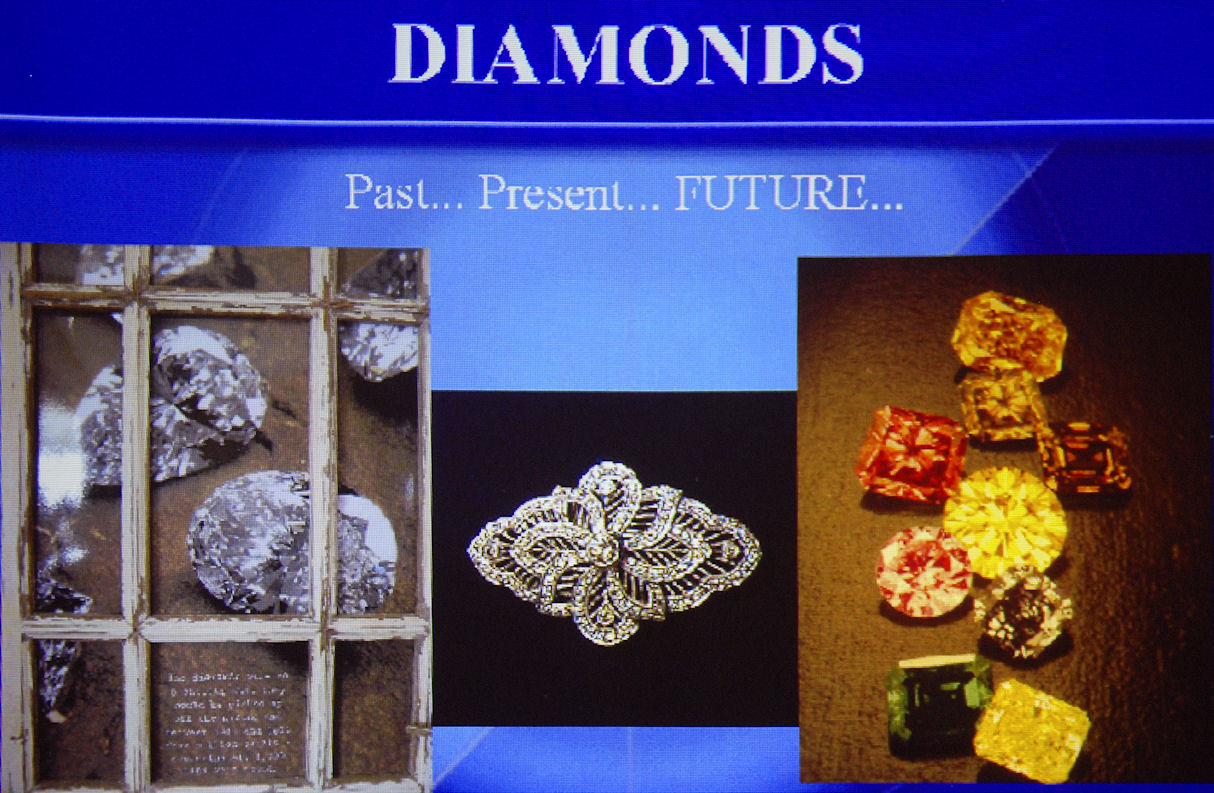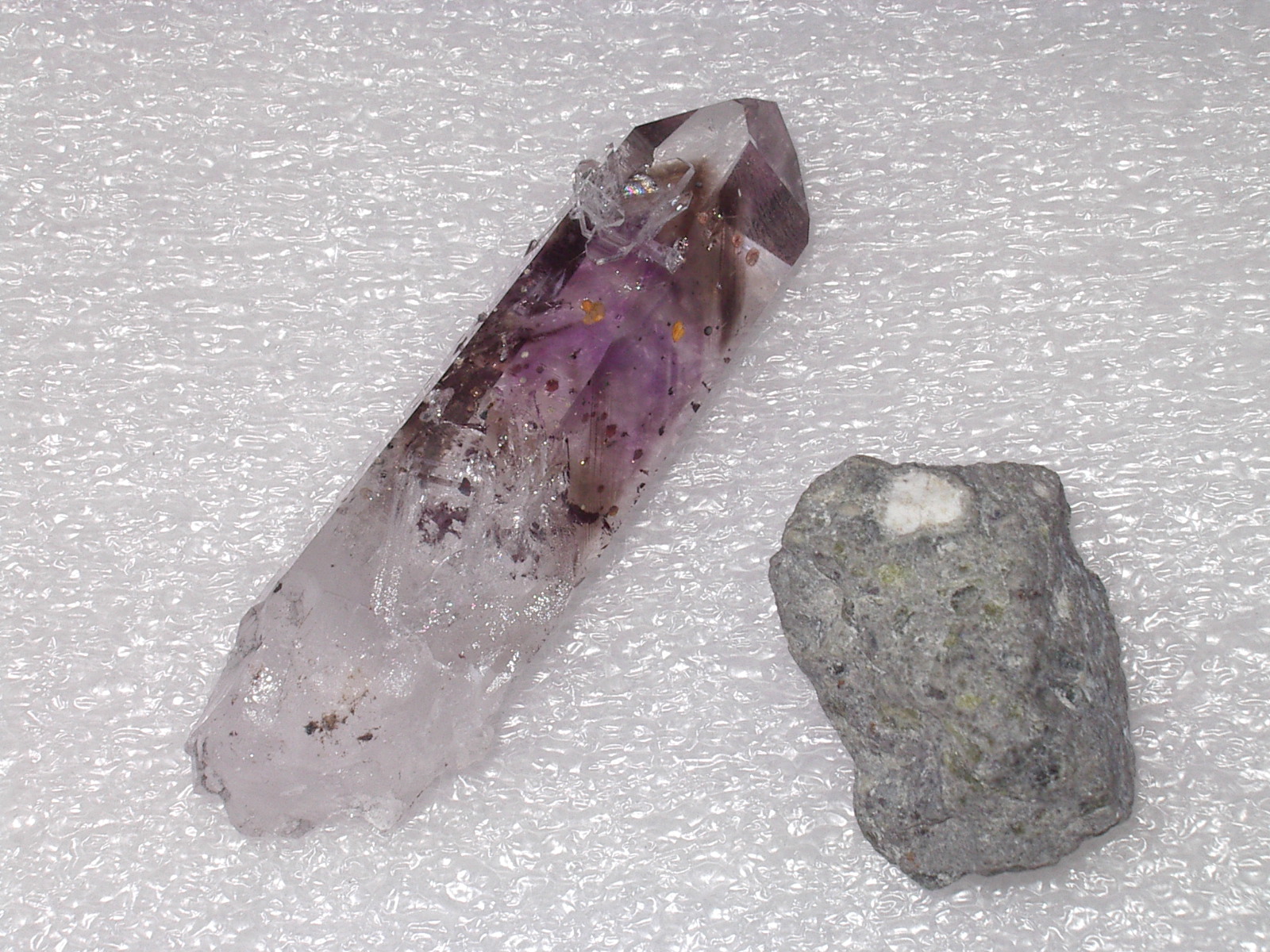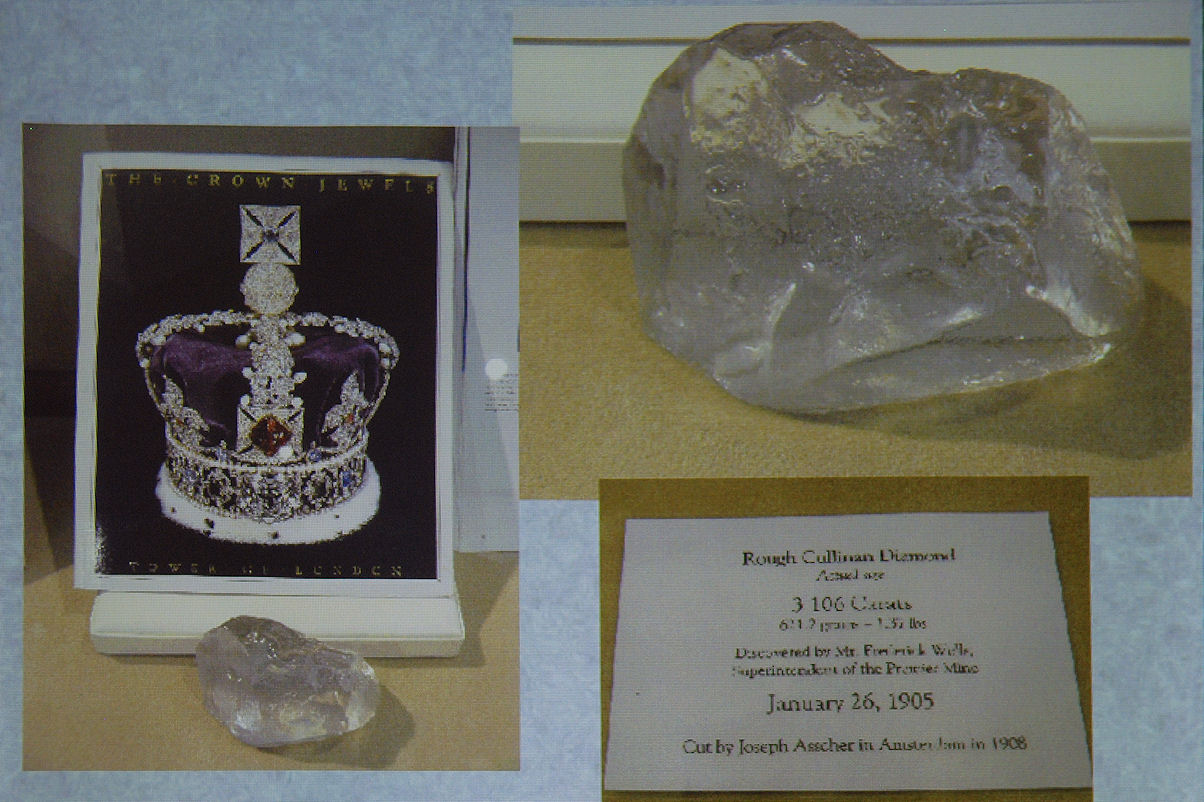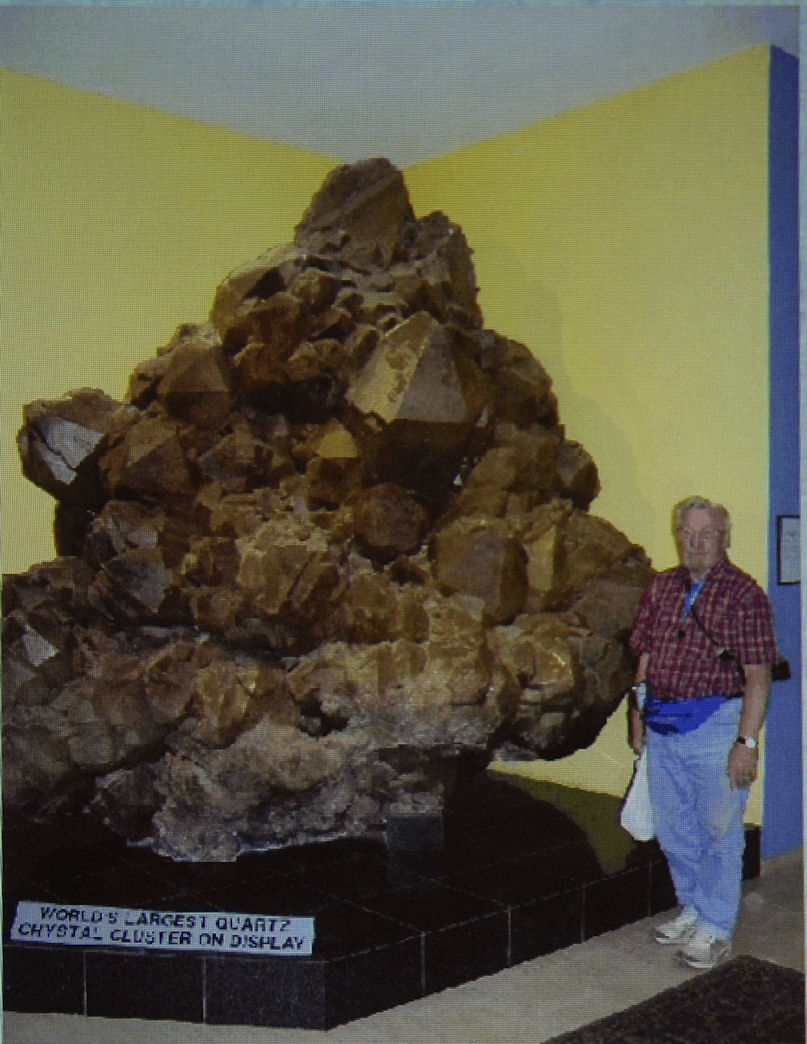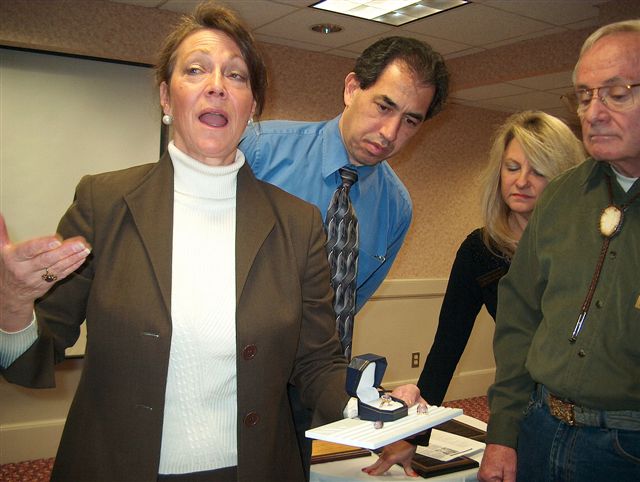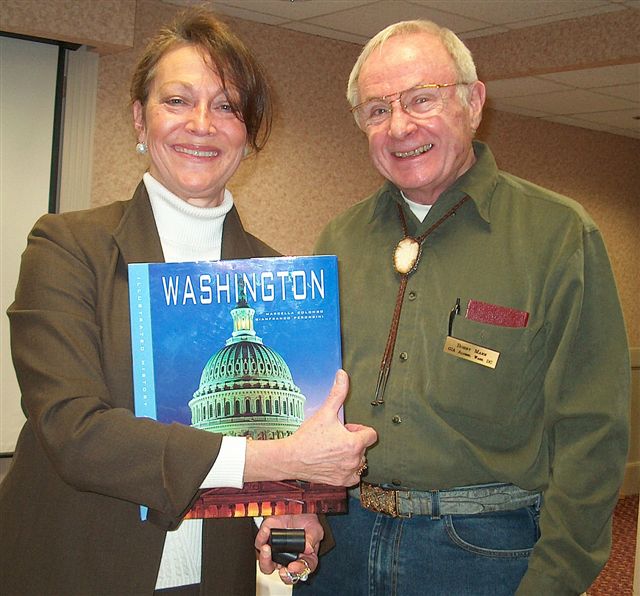
Diamonds – Past…Present…Future – Denise Nelson

Denise Nelson

Denise Nelson

Some people take a field trip to the Smithsonian or Calvert Cliffs, The Nelsons trek to the Dark Continent, Africa!

Well, maybe not as dark and foreboding as in the days of Tarzan, Africa is still a daunting journey for most of us in the Washington suburbs.

In this fascinating evening, Denise Nelson takes us along on her magic adventure that most gemologists and gem lovers only dream about.

pic2pic3

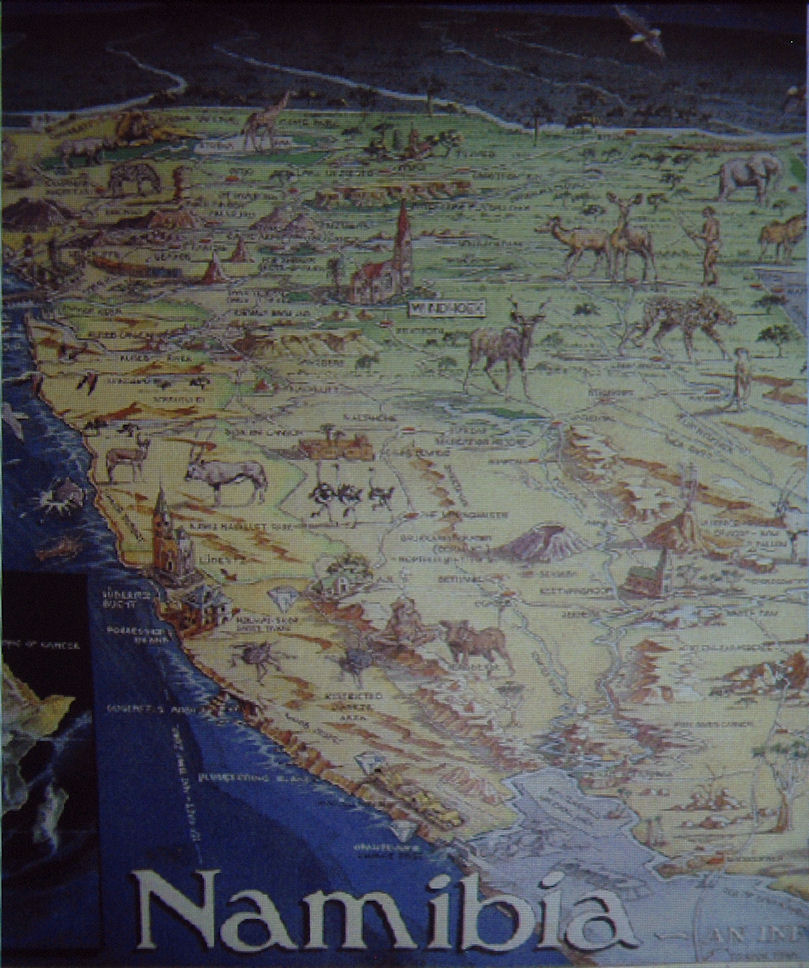
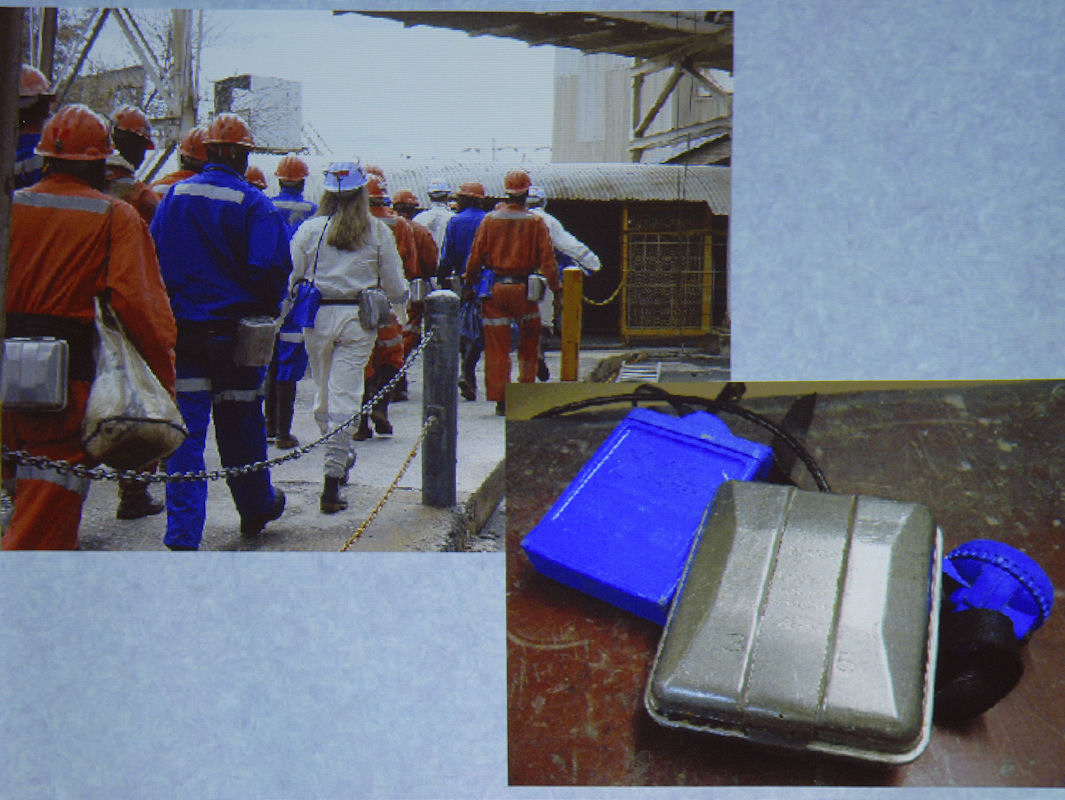
And to think it began in Tucson! A chance meeting and an accepted invitation began an adventure that carried Denise and Dennis Nelson across the Atlantic for an opportunity to visit the NAMDEB (NAMibia-DEBeers) facilities in Namibia, once known as German West Africa.
pic3pic5

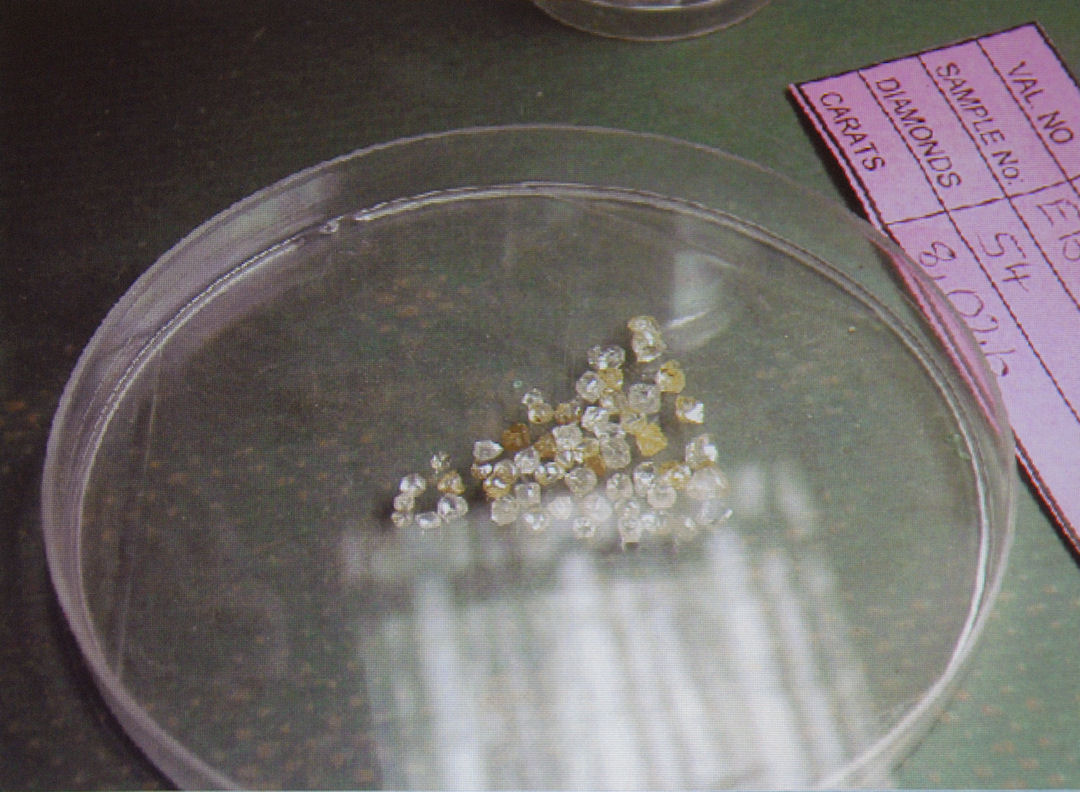
After a brief overview of the discovery of diamonds in Africa, Denise took us into some of the most forbidding land in the world – the Skeleton Coast! Lined with shipwrecks ancient and new, the winds blow cold onto the dunes which lead to the sands of the Kalahari Desert. In 1908, the first Aeolian diamonds were found and a diamond rush was started.

pic7pic7

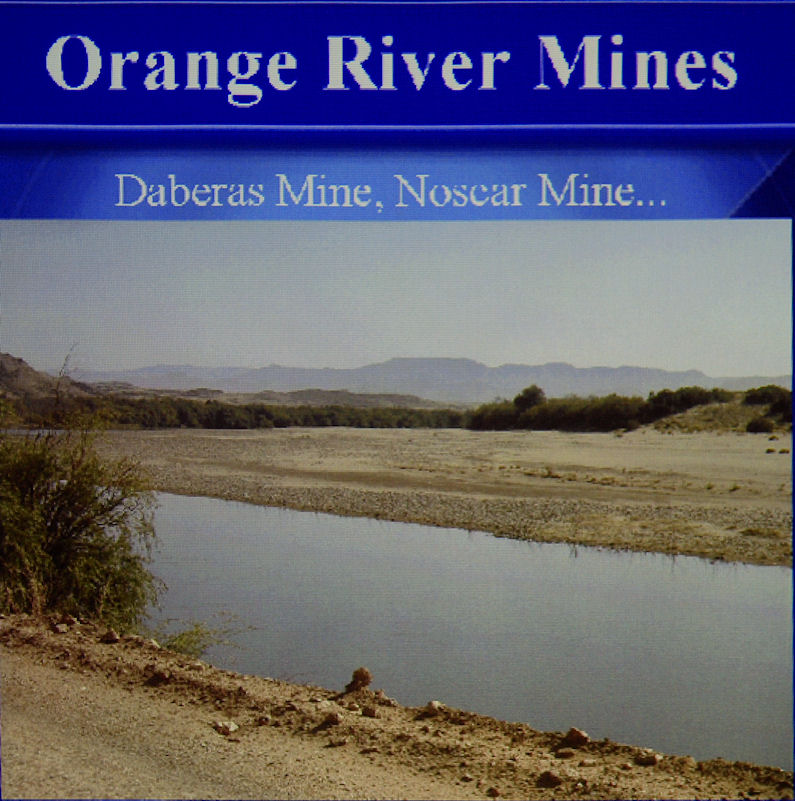
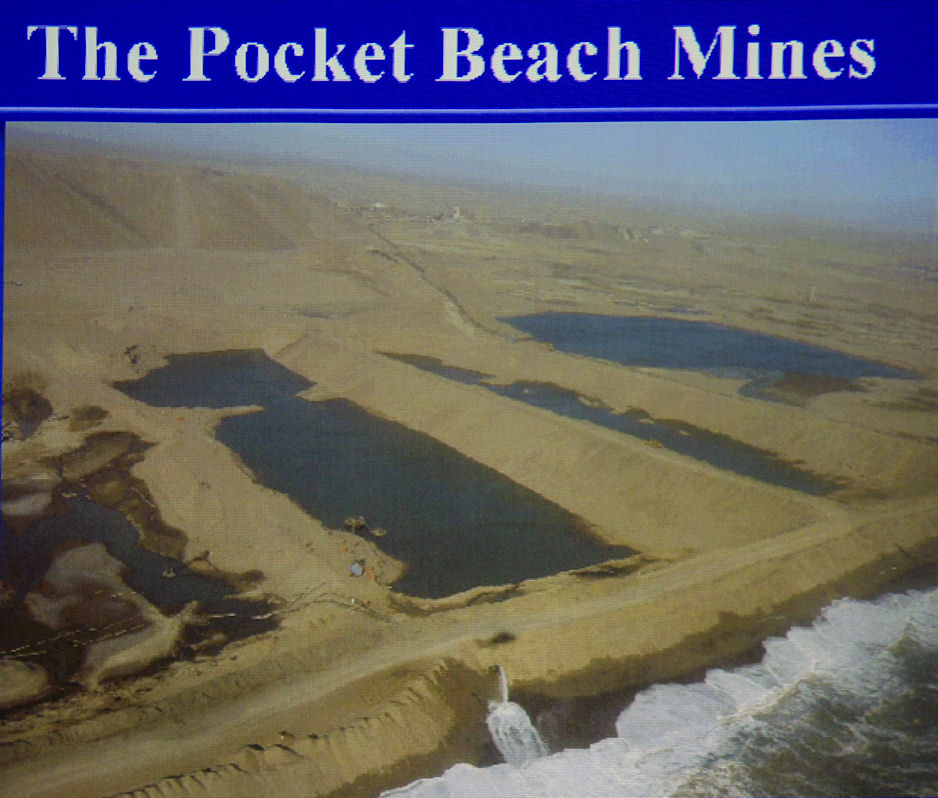
The Orange river has washed diamonds toward the ocean for eons, depositing them along the way, and into the ocean beyond the shore. The larger diamonds settle into the ocean bedrock depressions, while the Benguela currents push the lighter stones northward depositing them along the shore, where the ocean is dammed and the seaside pockets are mined in a tactical manner.

2224

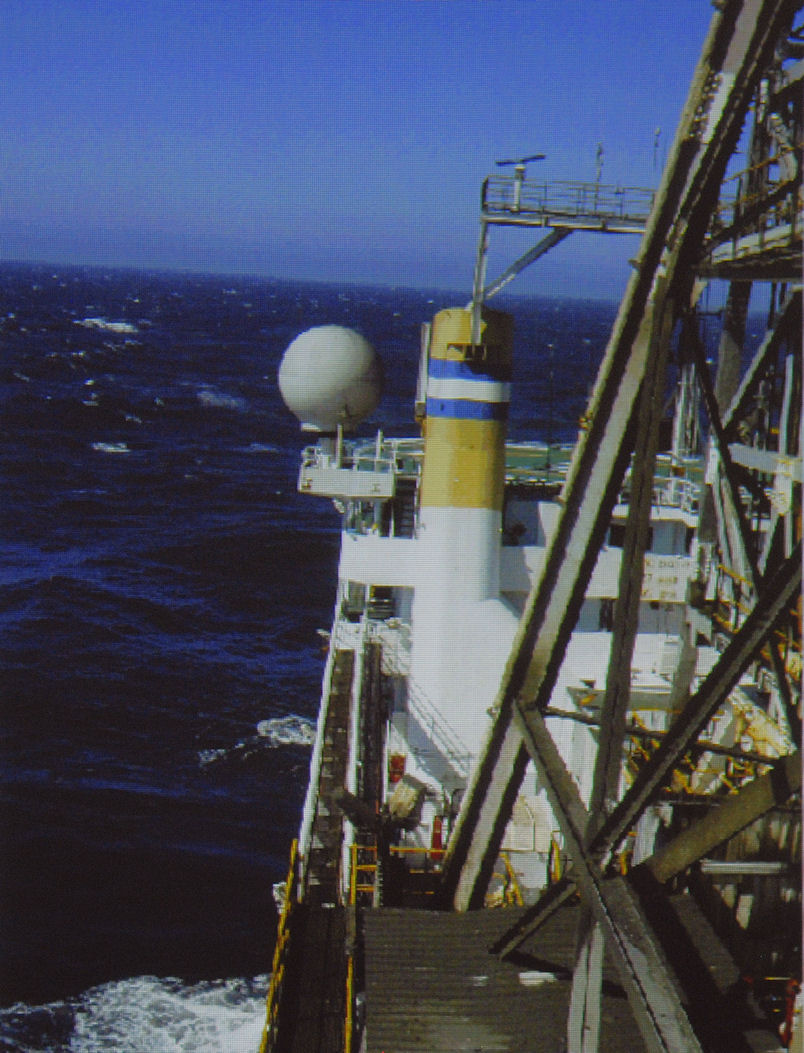
Today, an area of land the size of Belgium is cordoned off and under control of the Namibian/DeBeers consortium. To be allowed access to visit these mines is a very rare treat. Pass cards are issued to the visitors along with the instructions that you can look, but do not bend over to pick anything up of the ground. Tie your shoe laces right the first time! The tour took them from the modern alluvial mine, to the helicopter ride to a ship mining operation 65 kilometers off shore, where in 2005, the marine mining operation was more lucrative than the land based operations. How’s that for soup to nuts?!

Not able to hitch a ride on the red helicopter, which carries the mining bounty off to a location more secret than Area 51, and unable to coerce the wild Oryx into giving them a lift out, they finally escaped their captors and the “forbidden zone” of the Skeleton Coast. OK, the captors stuff was a bit of dramatic license.

1825

A once in a lifetime journey, indeed, and we thank them both for coming home and relay their adventures for our vicarious enjoyment.

2733

Meeting notes by Martin Fuller, GG

Meeting photos by Melanie Marts, GG

Posted in Meeting Archives | Leave a comment

LEE HOROWITZ AND THE OPAL TRESURES OF PERU

Lee Horowitz

Lee Horowitz

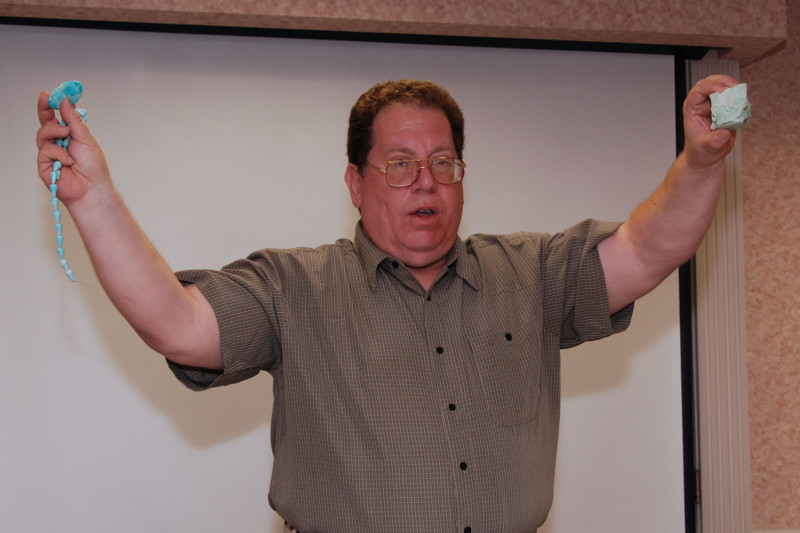
Lee Horowitz, the July guest speaker at D.C.GIA, wears many hats; foremost among them is the passionate lover of Peruvian opals. He is an owner, miner, cutter, producer, promoter and dealer of Peruvian opals and other South American minerals.

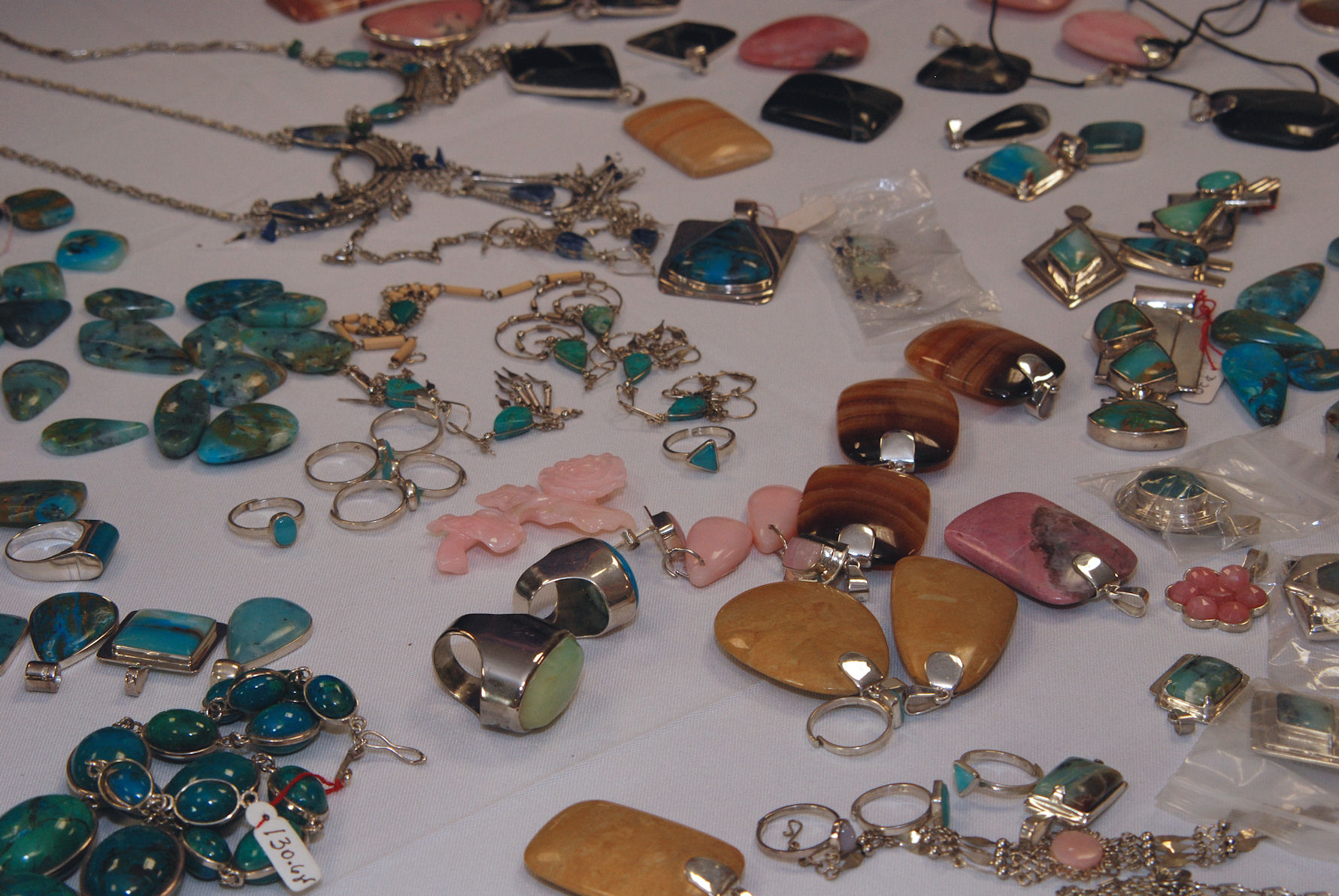
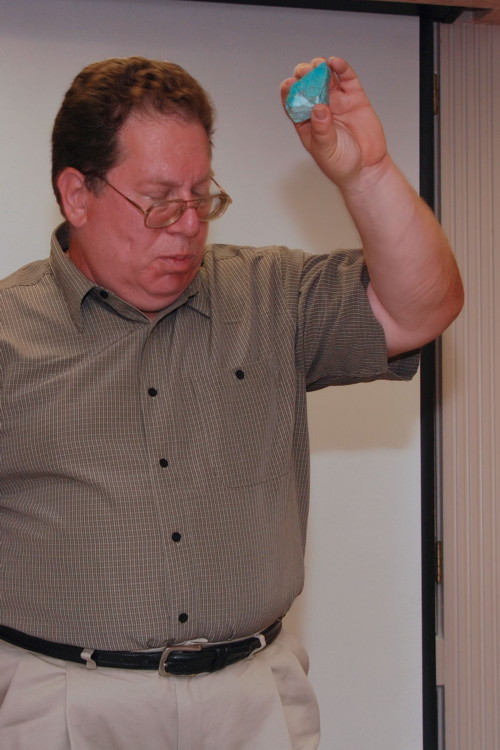
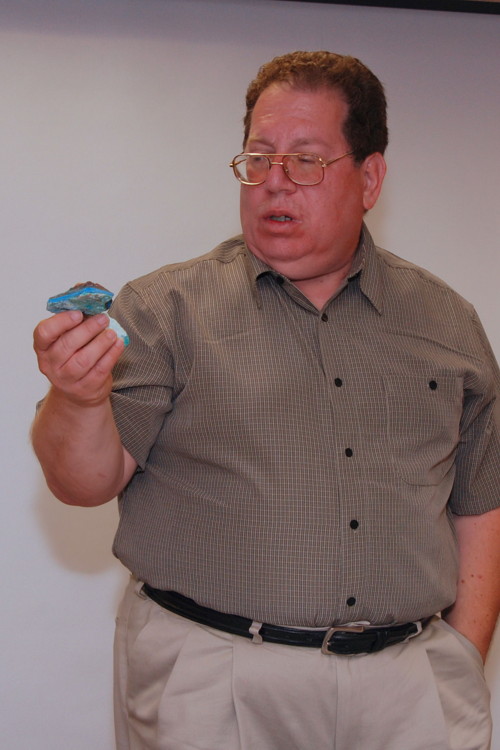
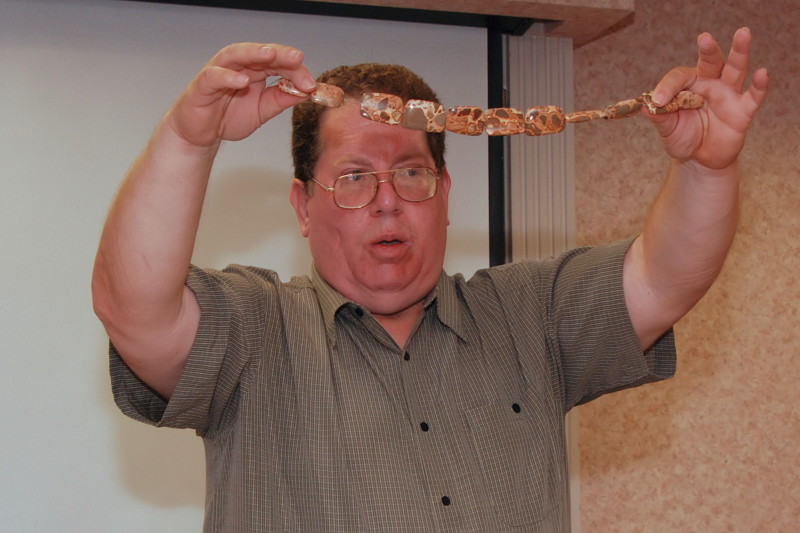
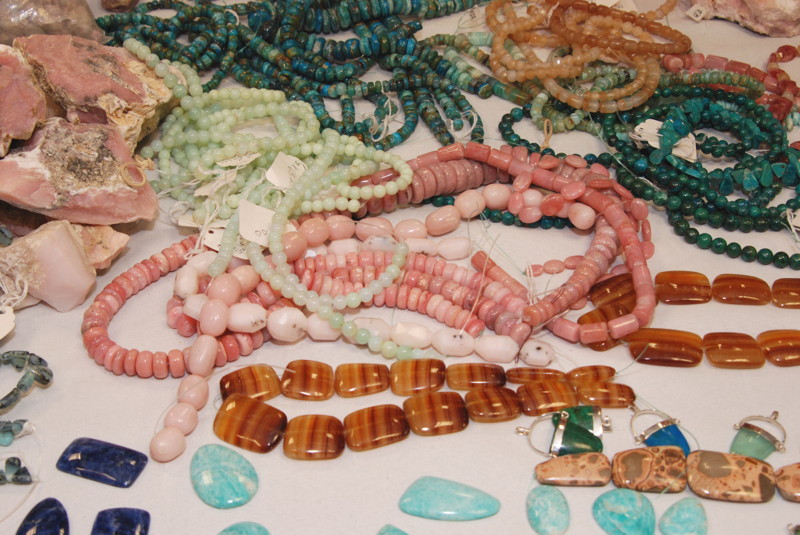
Mr. Horowitz stood alongside a table loaded with specimens of his gems both rough and finished in pieces of jewelry.

They were spectacular!

pic1pic2

BLUE AND PINK PERUVIAN OPALS
Peruvian blue opal is classified as a common opal, a silicate containing water that has no play of color and is distantly related to quartz. Common opal is found in other localities as well; Oregon, Mexico, Kenya, Tanzania, etc. But it is the Peruvian blue opal that stands out. The blue has a hardness of 5.5( under the 7.0 of quartz ) and is colored by copper.

pic3

The Andean blue opal became an immediate hit at the Tucson show of 1998-1999 and much of the rough was bought by India and China. As a result the top quality is scarce and expensive.
Mining is touchy; the major problem is water. Evaporation of the internal water causes loss and change of color and cracking.

pic5

The Peruvian blue comes in many shades and the best blue with the least mineral inclusions is termed super. Premium blue is considered superior or second in color and the rest is termed mine run or junk. India and China buy mine run and dye this discolored material. The dye can be detected by testing with acetone.
There are a number of simulants on the market; glass, Victoria stone, dyed chalcedony and others. These have either a different hardness or specific gravity or refractive index.

pic6

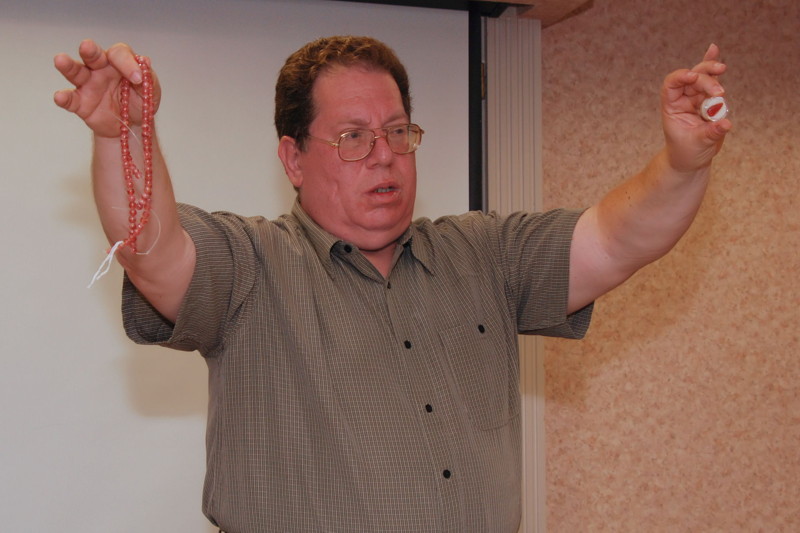
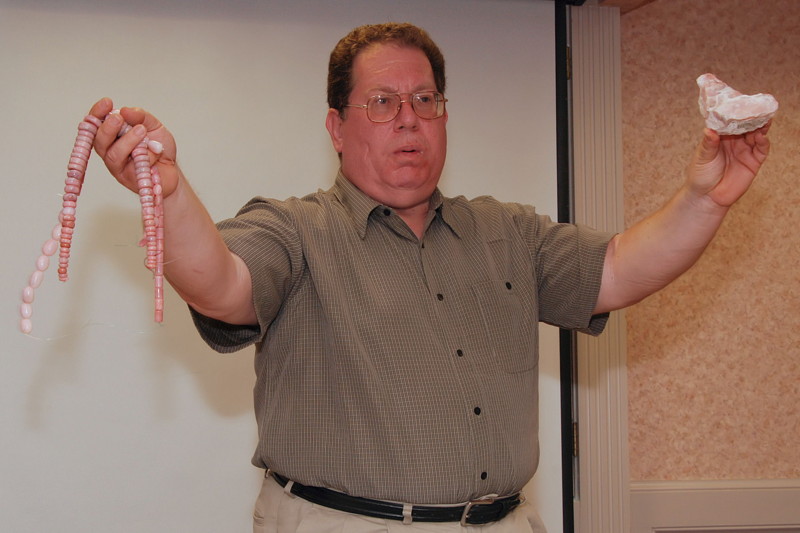
The pink Peruvian opal is a strawberry pink; the deeper the color the more desirable and expensive the specimen. It has a hardness of 5.5 . It is graded like the blue opal from the rare pink/red, druzy with mineral crystal toppings, to the deeper pink, super pink and mine run that is a washed-out color with much gray. The opals can have dendritic inclusions of manganese and/or iron. Petagorskite enables the pink to take a good polish. As with the blue opal, the pink also has water problems and the dehydration can cause color changes.

OTHER ANDEAN AND SOUTH AMERICAN MINERALS
Rhodonite and rhodochrosite, colored red or pink by manganese, are found in Argentina, Brazil and Peru. The exceptionally popular Ortiz rhodochrosite is a red with plum overtones unlike the brown from Africa or the deep pink of Alma Colorado. The Andean sources are on the verge of becoming depleted as is the stalactite source from there. The bacon white striped specimens are unusual and much in demand.
Pink rhodonite is a lovely pink opaque material.

pic7pic8

Amazonite, with a hardness of 5-6, is a natural turquoise blue from the Amazon basin and a green from the Andes Mountains.

Angellite is found as gray nodules and is a blue colored anhydrite of alabaster.

Sodalite comes from Bolivia and is a deep blue like the Chilean lapis.

Copper-based chrysocholla, related to turquoise, is found in massive form with a hardness of 4.5. Again this material is graded like the opals as super, secondary and mine run. The Peruvian mine is closed but chrysocolla is found in Mexico, Brazil, Zambia and Arizona. It is sold in Israel as the Elat stone, cheaper than turquoise and stabilized.
pic9pic11
Other minerals found are: gem silica which is translucent to opaque colored by chrysocholla, opalite, fluorite, patterned lepidolite, demerterite, serpentine, onyx and many etceteras.
pic14pic15
The speaker, the speech, the information and the specimens were a resounding success. Many thanks Mr. Horowitz.

Meeting Summary written by Ms. Lisa Carp
Photos by Mrs. Melanie Marts

Posted in Meeting Archives | 16 Comments

Etta Dotson-Saunders and the Victorian Grand Tour

Ms. Etta Dotson

Ms. Etta Dotson

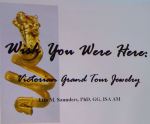
At the Monday, June 30, 2008, GIA Chapter meeting, Etta Dotson-Saunders gave a fine and informative lecture on Victorian Grand Tour jewelry. Titled “Wish You Were Here: Victorian Grand Tour Jewelry Tour,”

Ms. Dotson, a long time member of the Washington Chapter of GIA, explained the importance of jewelry in the Grand Tour. She kindly agreed to give her lecture when the scheduled speaker, Mr. Dayton Simmons, had to return home due to a family emergency.

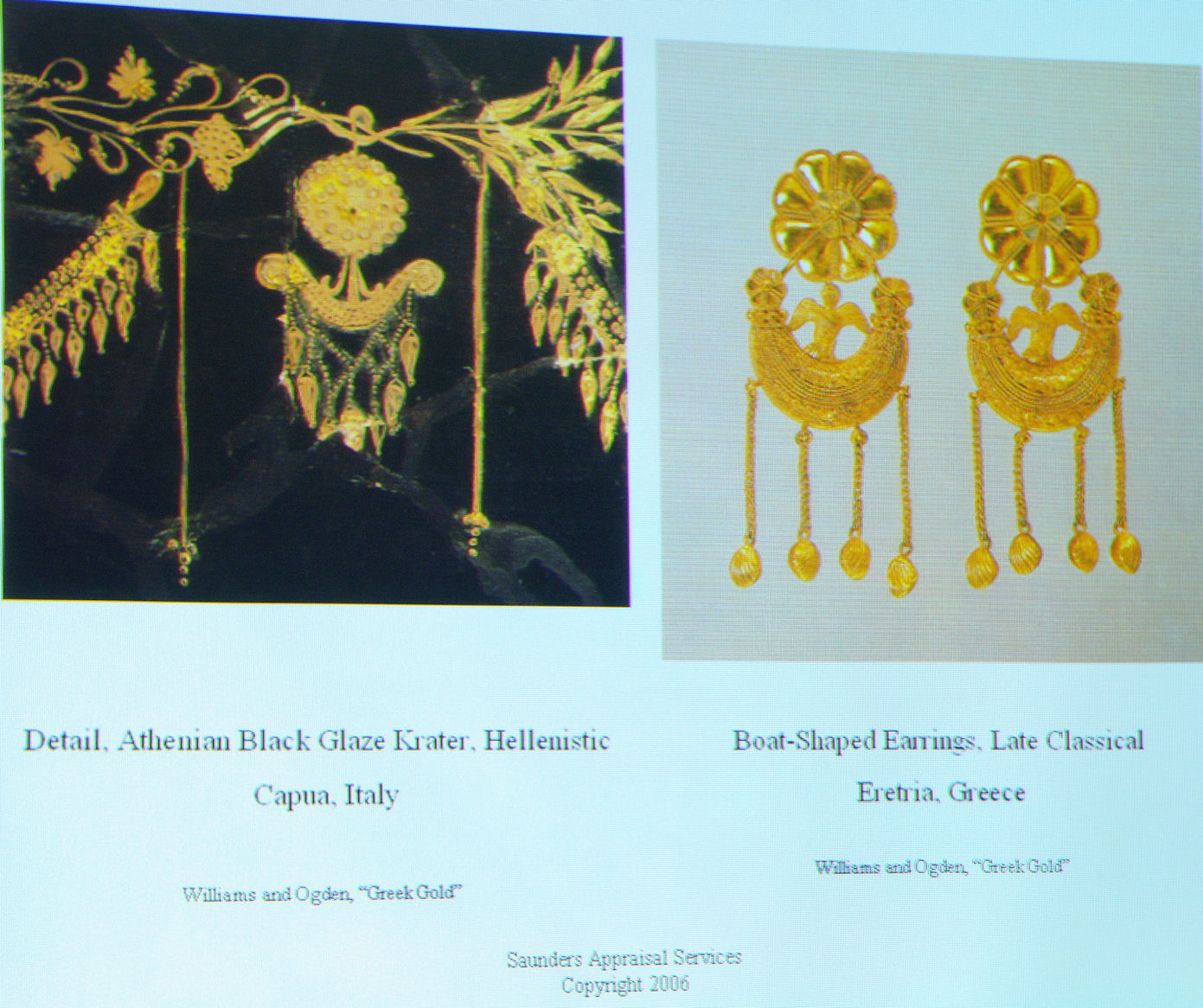
Ms. Dotson’s Power Point presentation of pictures of pieces made by Grand Tour and ancient jewelers aided in seeing the parallels and similarities between the surviving originals and copies.

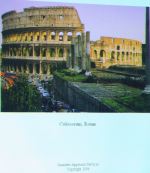
Ms. Dotson, a specialist in the art history of classical civilization, defined the Grand Tour in terms of place and time, noting that it occurred in the 18th and 19th centuries and was confined largely to Italy and Paris.
June1June2


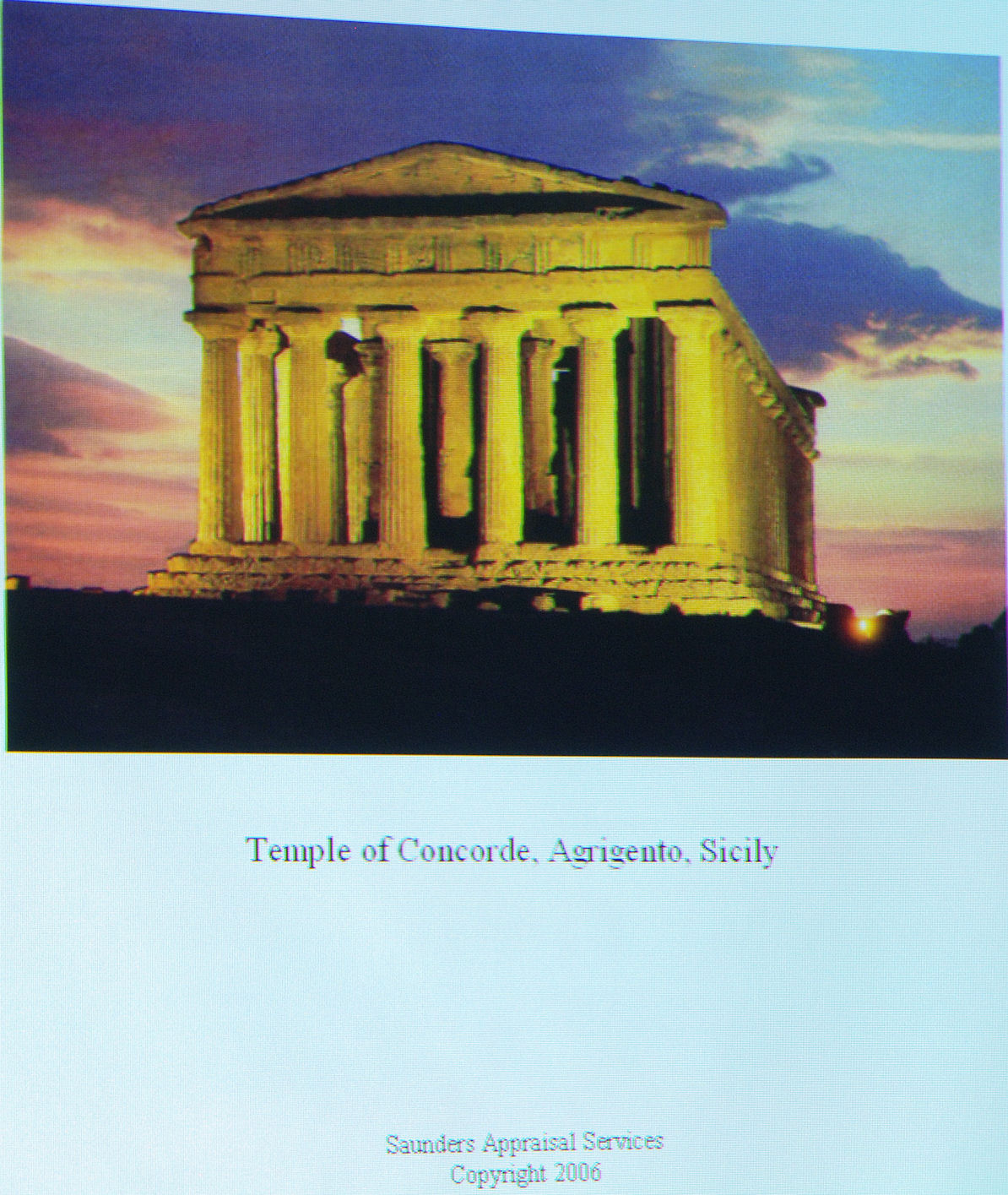
Although Italy dominated the Tour, by the late 1790s, Greece had also become a point of interest, as Europeans began to develop a sense of the history and archaeology that had occurred centuries before. Those participating in the Grand Tour were young, wealthy, Victorian males, just finishing their educations and training. The Tour might last as long as 8 years or just a few months.
June3June4


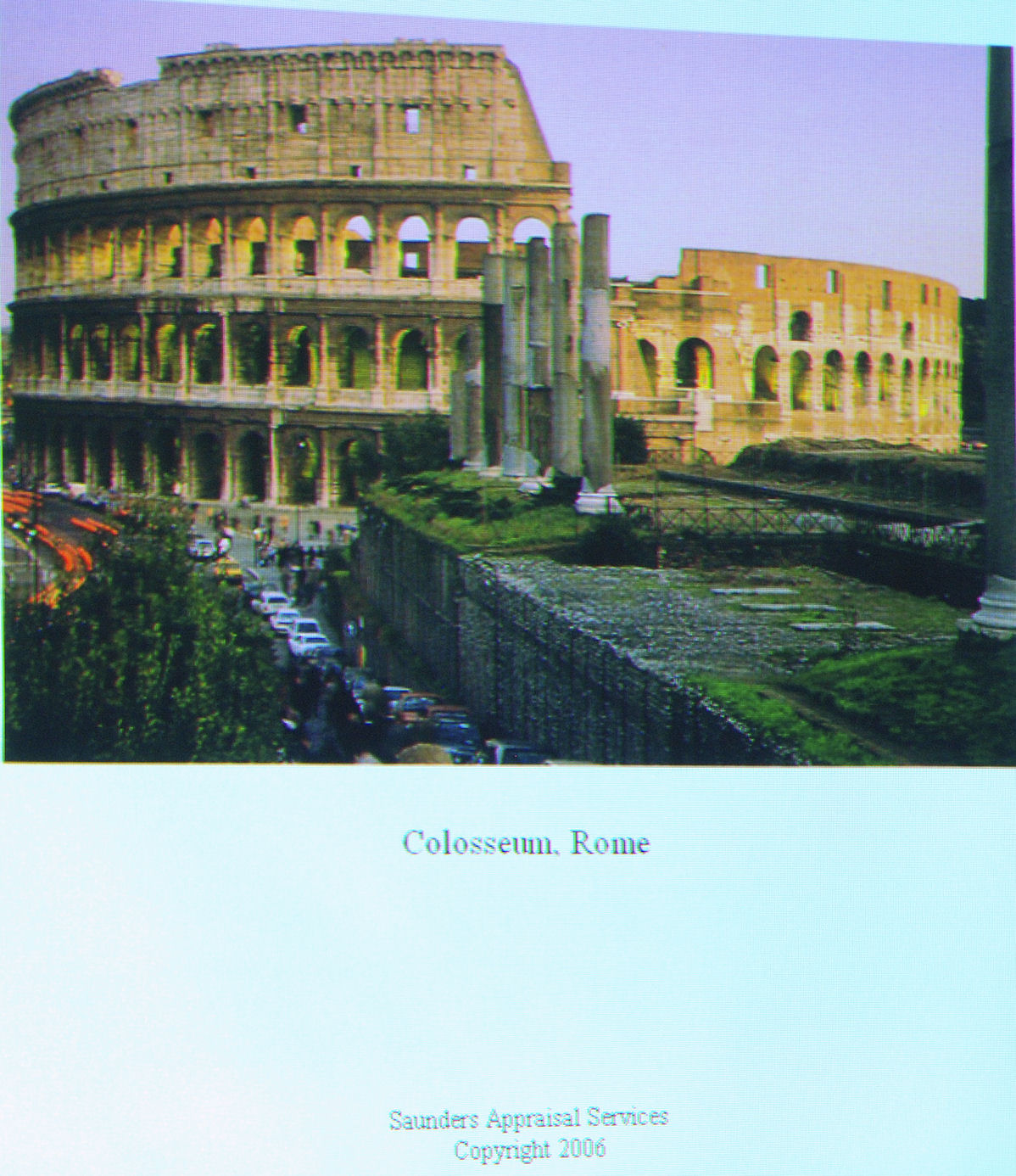
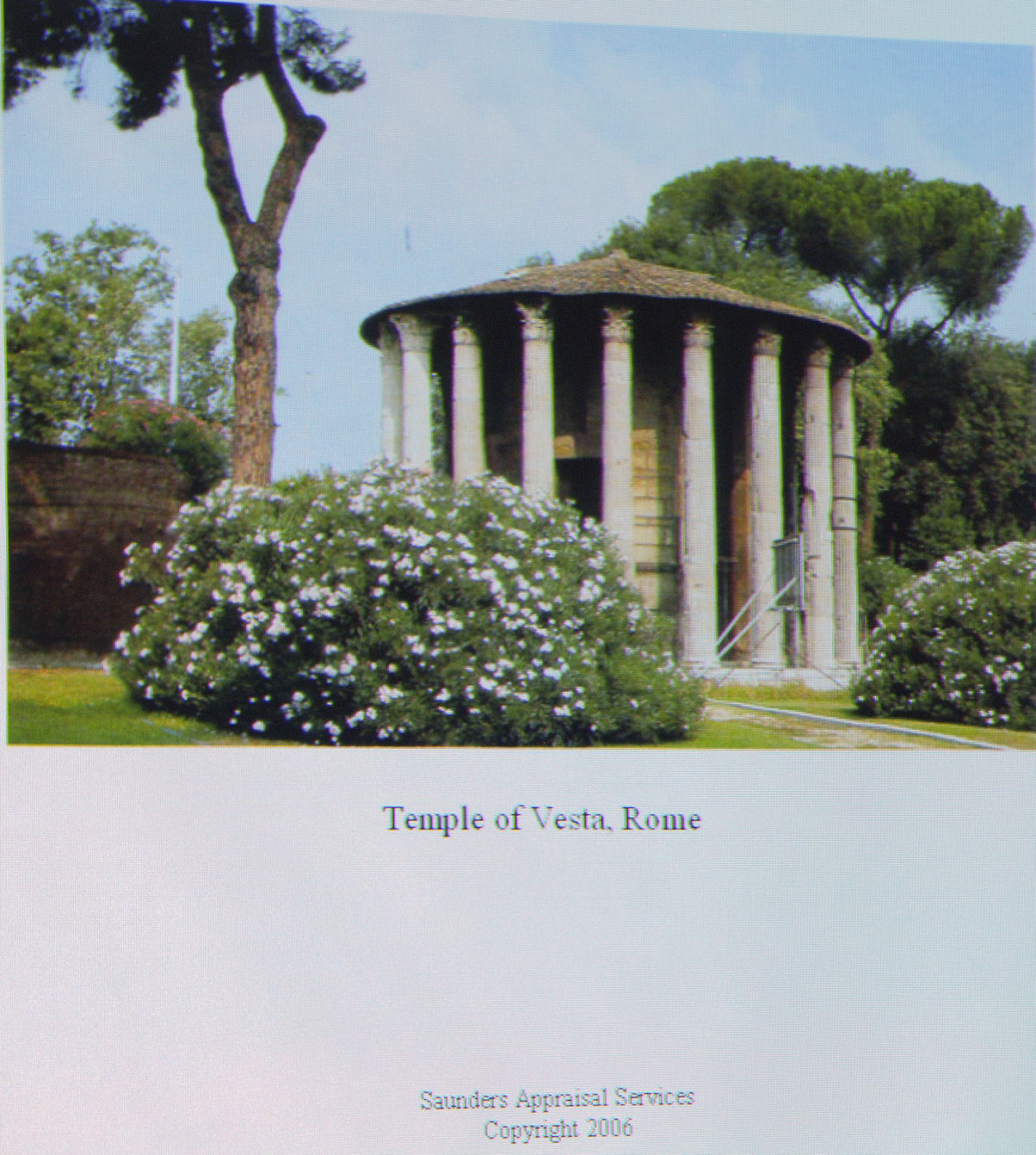
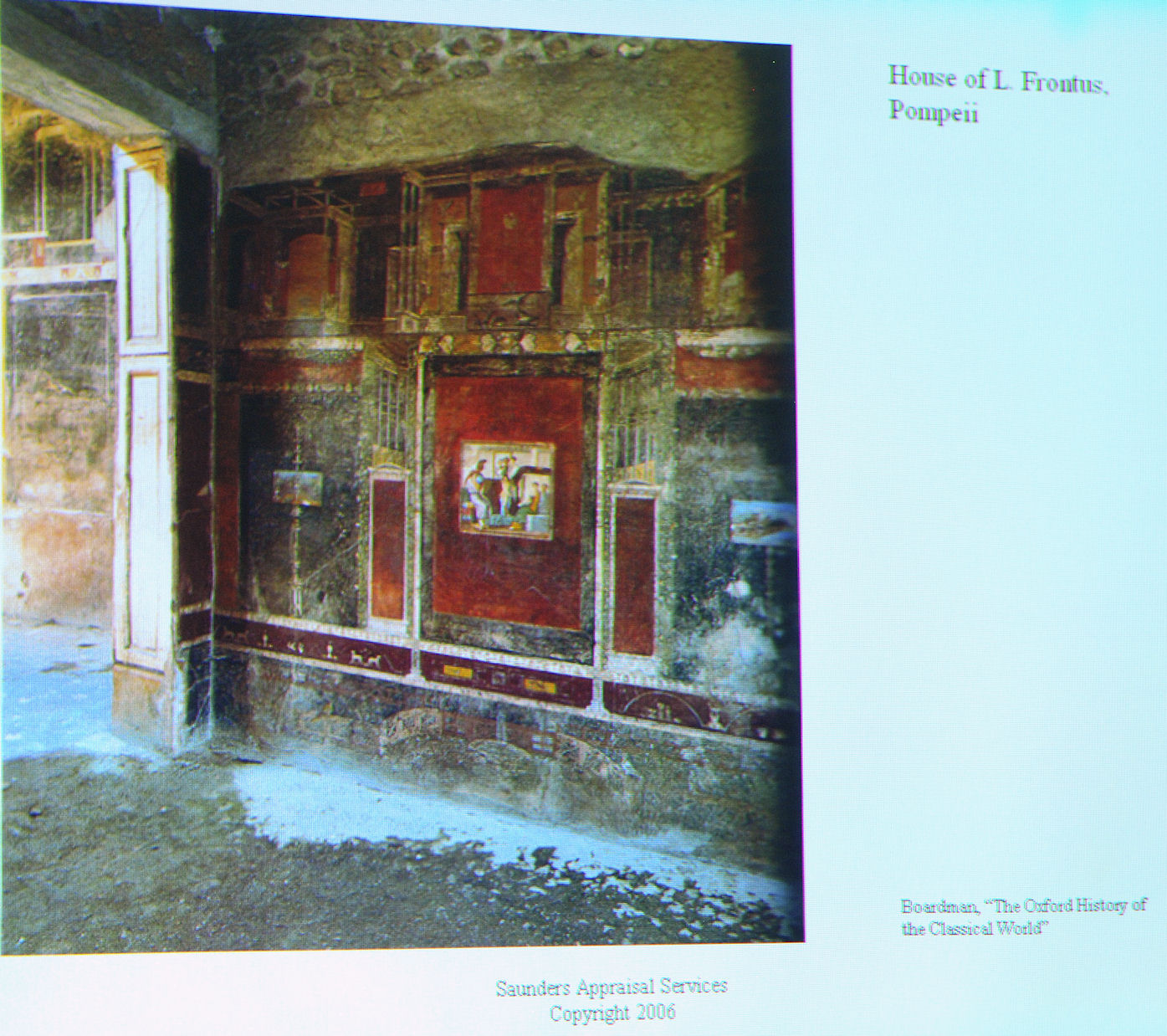
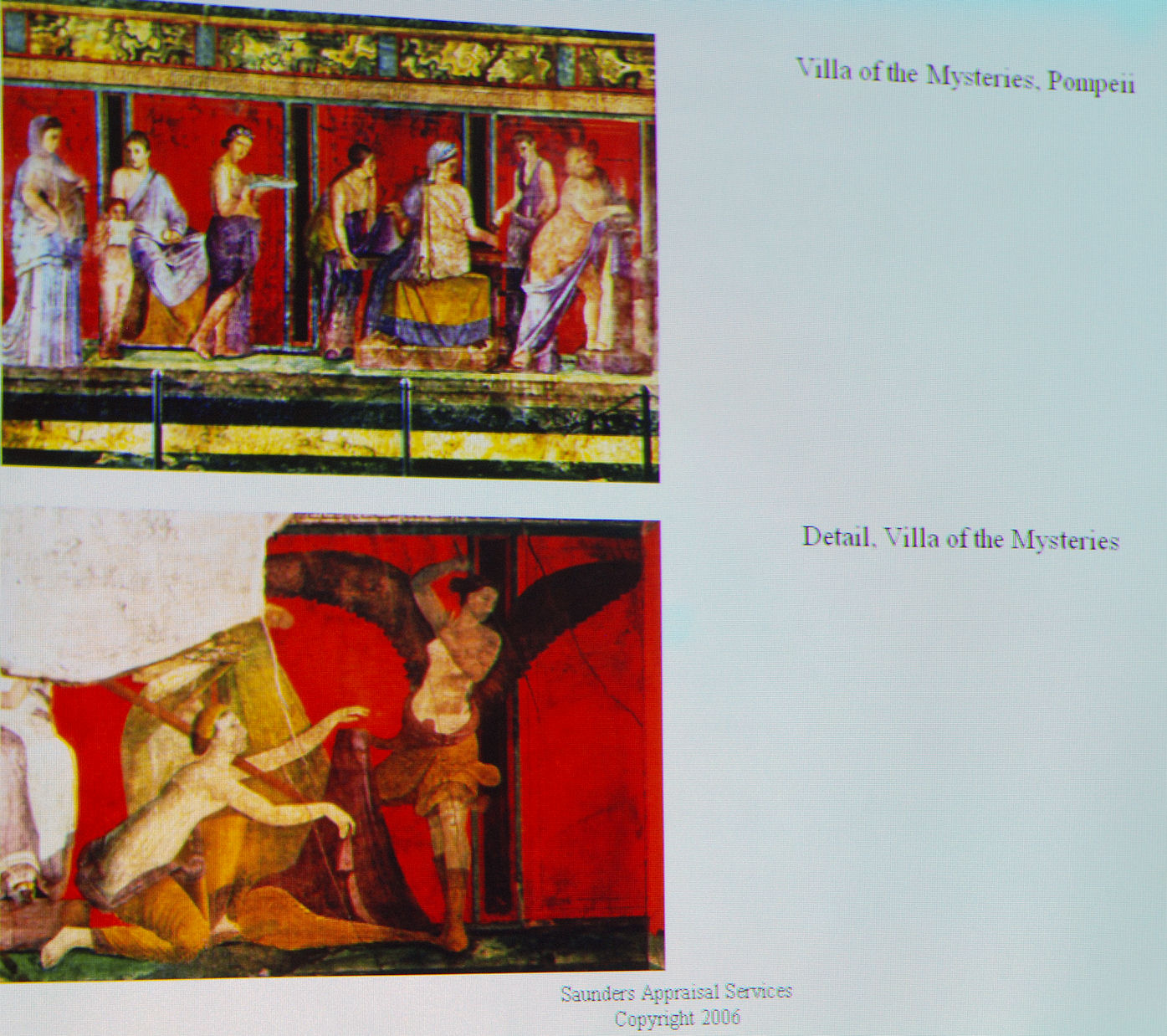
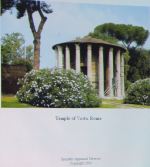
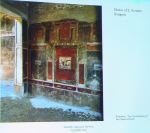
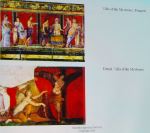
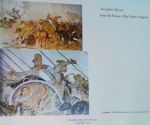
In Italy, the Grand Tourists were especially interested in seeing the ruins of ancient Rome, the newly-excavated Pompeii and Herculaneum, and a few of the cities of northern Italy, especially Florence and Genoa. As the period known as Romantic began to take root during the late 18th century, interest in wild, rural classical ruins came to the forefront and the tourers often chose to visit deserted classical ruins.
June5June6


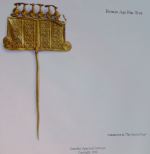
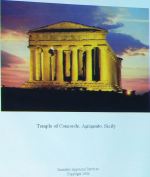
She then pointed out the importance of Heinrich Schliemann and his excavations that eventually uncovered Homer’s Troy.
June8June7


But more importantly, she showed her audience pictures of several of the pieces Schliemann and his teams discovered at Troy. She noted that in 1873, he discovered “Priam’s Treasure,” some 8830 pieces made from gold, silver, bronze, and electrum. Schliemann eventually presented this treasure, along with much of the rest of his discoveries, to the Berlin Museum. His excavation at Troy is that for which he is most famous, but as Ms. Dotson pointed out he dug at Mycenae and other Aegean sites during his long career, thus broadening his knowledge and experience of the region. Schliemann’s work in the late 19th century further popularized antiquity in a period when its popularity was already rising rapidly.

June9June10


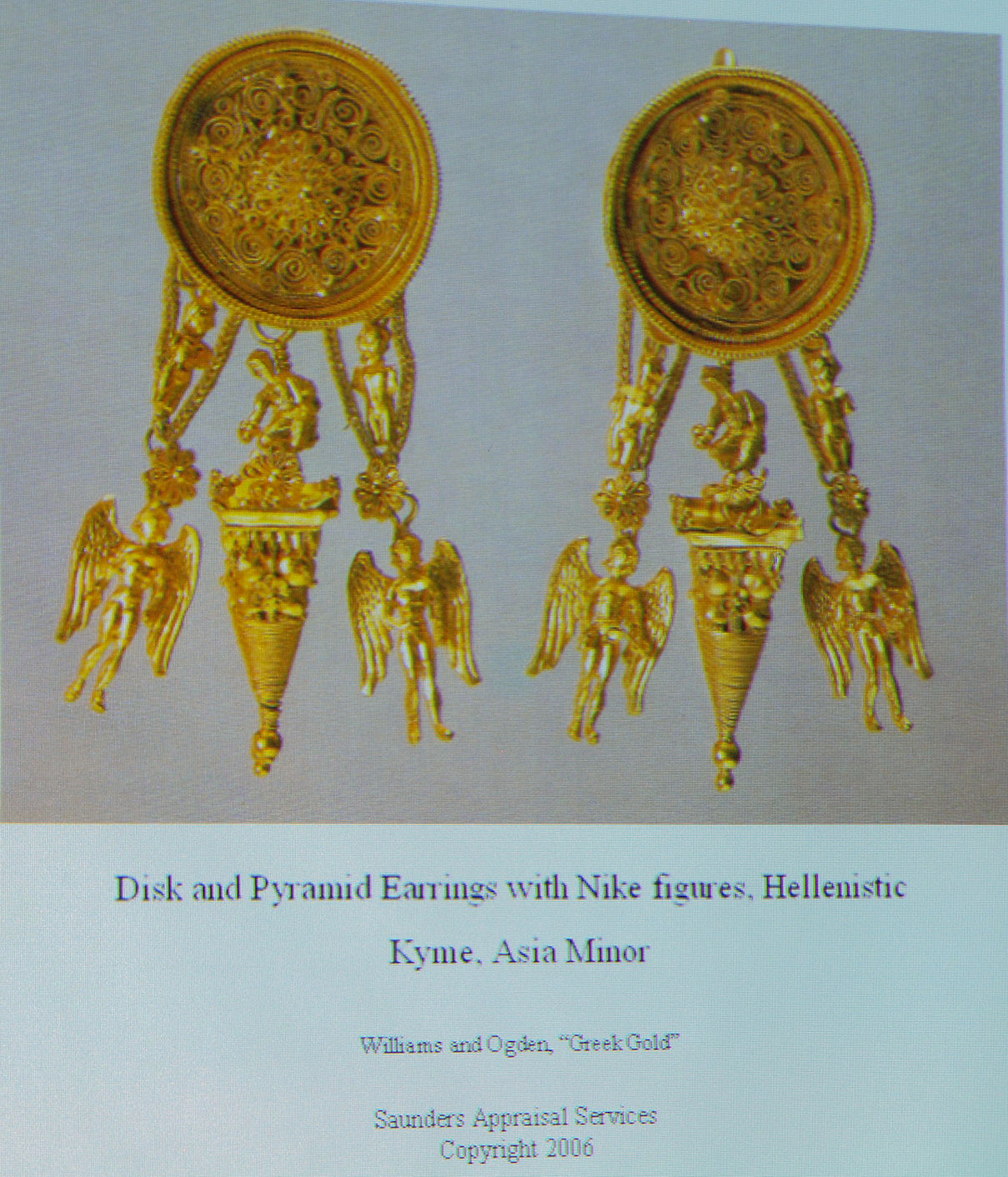
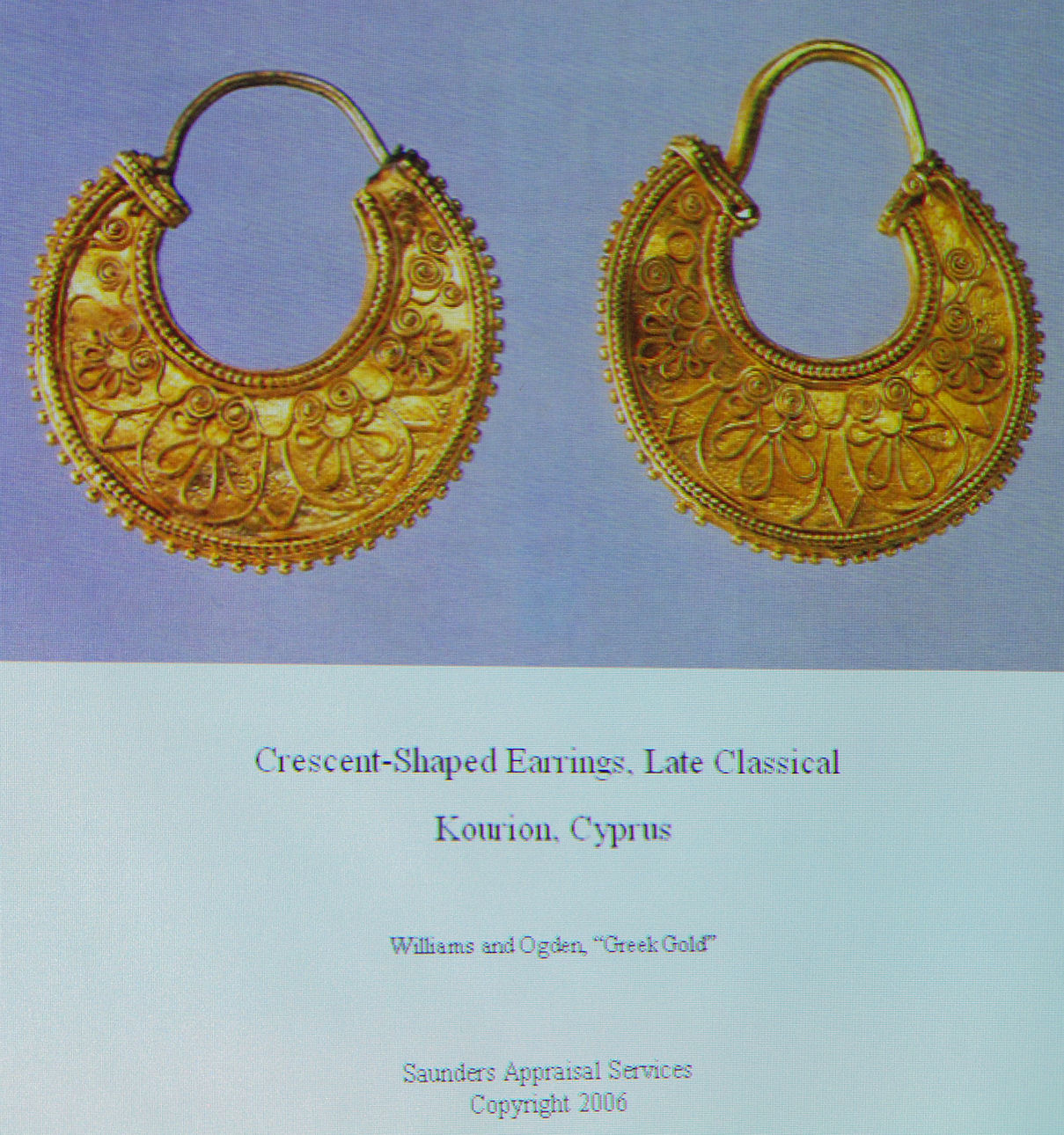
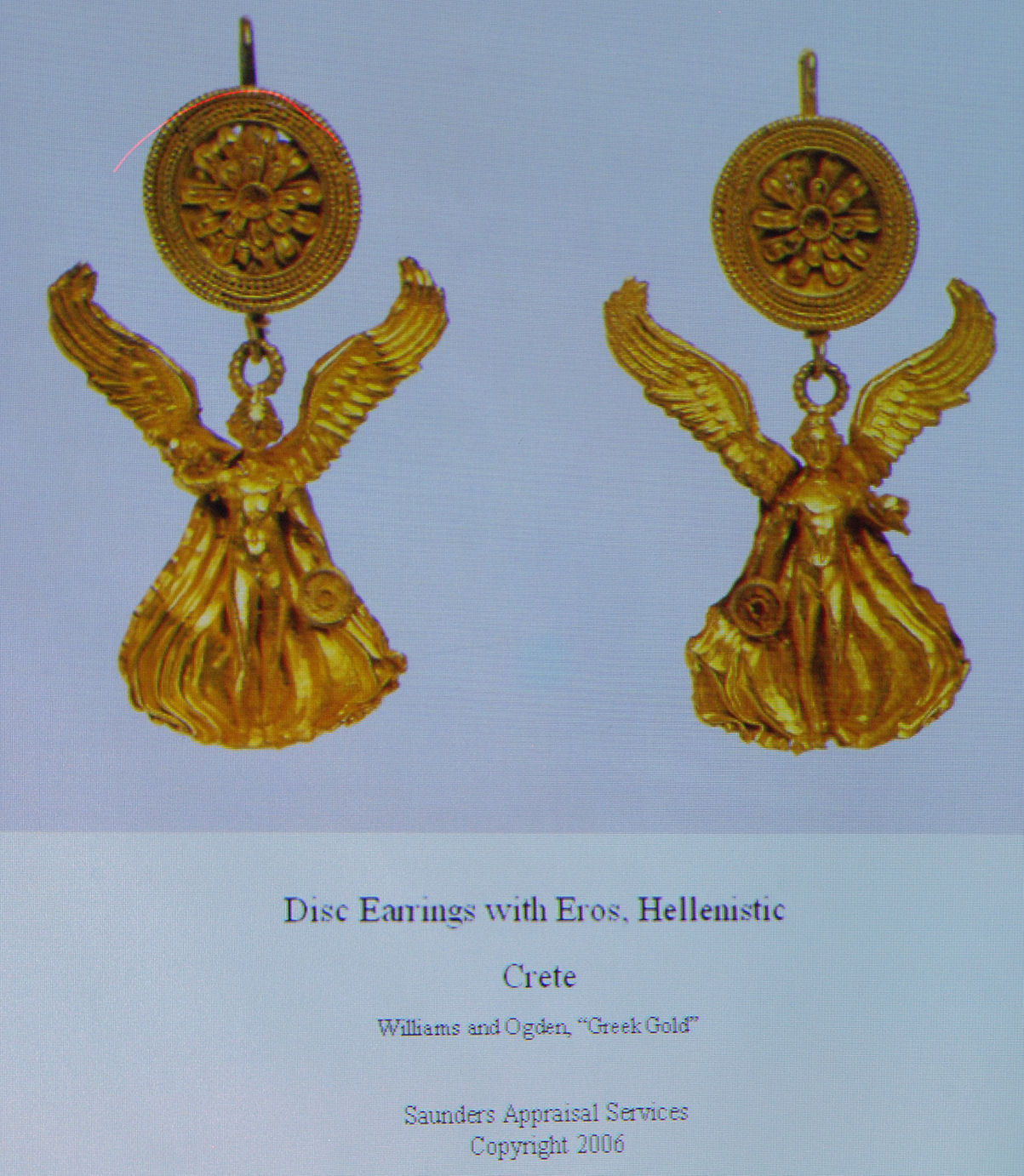
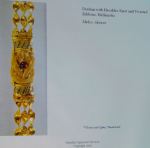
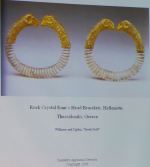
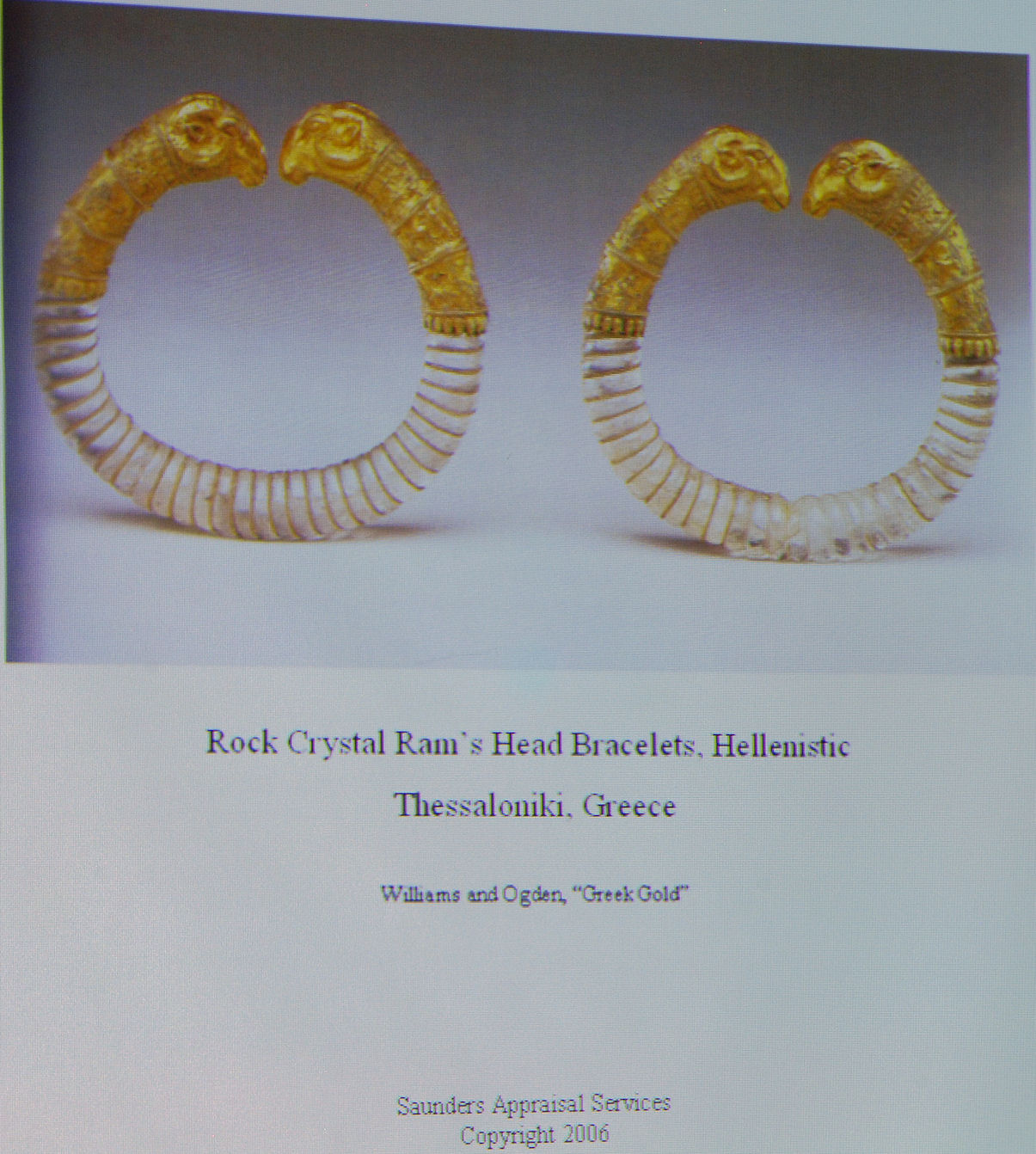
Ms. Dotson then turned to ancient and classical jewelry, noting that while the Greeks were not as productive of jewelry as Romans, they did produce much, especially gold. But much of that gold jewely has disappeared while lots of the silver and bronze pieces have survived. Other materials from which Greeks made jewelry included amber, bone, and ivory. They also used gem stones like carnelian, emerald, rock crystal, and garnet.
June11June12


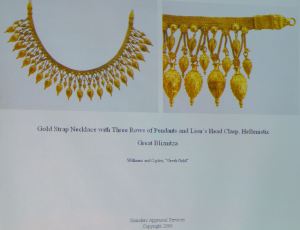
Greece did not have much gold, she noted, so the Greeks imported much of the gold they used for jewelry from Egypt, Nubia, and Spain where it was more plentiful.
June13
Alexander’s march to western India in the 330s-320s BCE moved through the ancient gold fields, not coincidentally, she noted.

Silver was far more abundant than gold in ancient Greece, but smiths usually had their customers provide them with the valuable metal which they then melted down to make the blanks from which they constructed the jewelry.

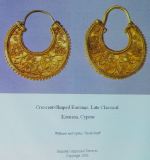
Ms. Dotson also noted about the precious metals that the gold of the eastern Mediterranean region was impure, ranging from about 2% to 25% silver and other metals. Thus, the jewelry made by ancient jewelers was often well designed and executed but made from mediocre metal.
June14June15


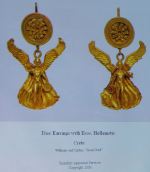
By the time ancient Greek jewelers began making jewelry they had developed or mastered a variety of techniques, including enameling and filigree, she noted. They seldom used gems with gold or silver, but enameled their jewelry and filigreed it as well.

Not until Alexander’s march in the 320s did the market for gem stones in Greece open up. Jewelers made their jewelry in pieces then soldered them together, not until quite late in the classical era did they begin casting their work, she pointed out. Roman jewelers followed on the patterns of the Greeks, but generally made more use of gems in their work.
June16June17


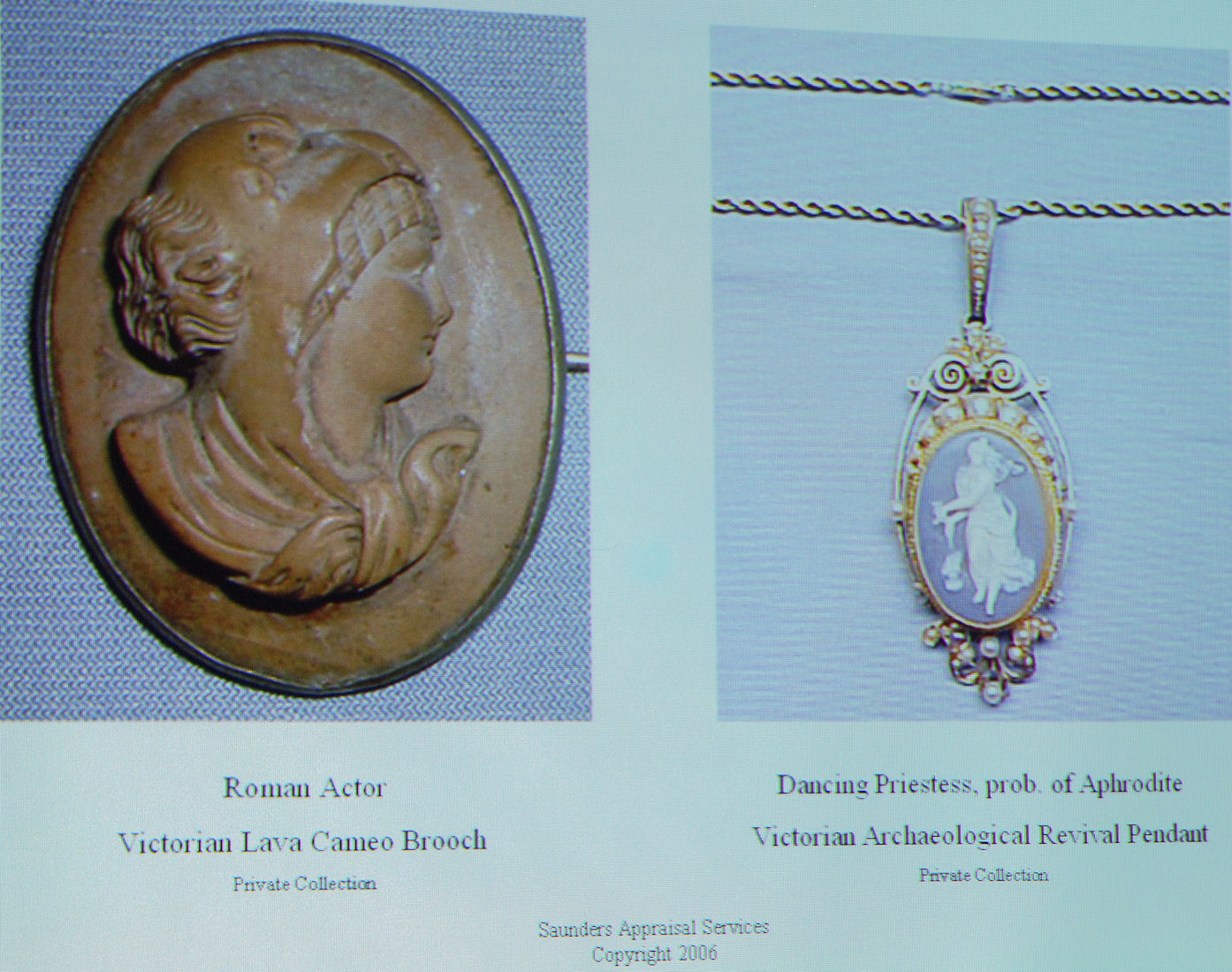
Ms. Dotson then turned to a discussion of how classical jewelry influenced the Grand Tour and Grand Tourists, especially. Noting that Lady Palmerston, visiting Naples with her husband in the 1790s, commented on the various colors and tints of lava when she saw Vesuvius erupt, Ms. Dotson said it was in part to replicate some of this that Grand Tour jewelers made their jewelry.

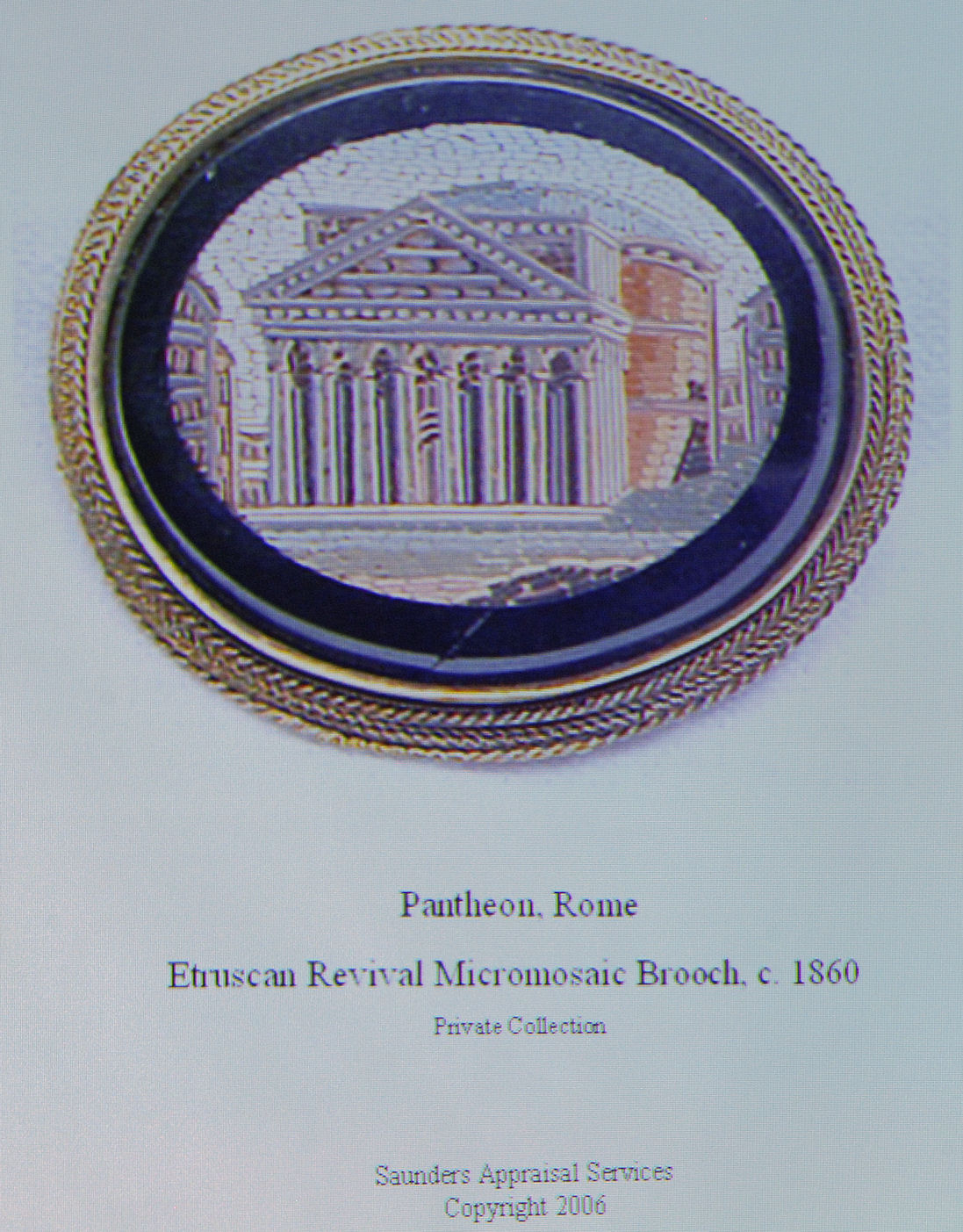
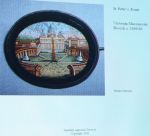
Popular forms of jewelry during the era of the Grand Tour included cameos, micro-mosaics, and pietra dura. The vogue reached its peak in the 1860s and 1870s when Victoria herself was at the height of her power as England’s Queen and ruler of an empire that literally encompassed the Earth. As the popularity of classical antiquity increased in the late 18th and 19th centuries, Grand Tourists sought mementos of their visits-pieces like mosaics (often small enough to be worn as brooches or pins); suites of jewelry including earrings, rings, brooches, and necklaces/pendants; and pietra dura pieces. The themes that the jewelry emphasized included Troy, Pompeii and Herculaneum, mythological figures like Diana or Phoebe, famous ancients like Cicero or Caesar or Plato, and nature motifs like butterflies or doves.
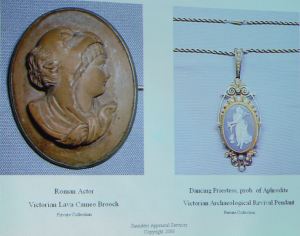
June18Ms. Dotson remarked that the popularity of Greek and Roman jewelry as models for Grand Tour jewelry stimulated interest in “Etruscan Revival” jewelry, made from archaeological styles associated with early Rome and her Etruscan precursor.

Those pieces that had survived centuries of burial in tombs, houses, and cities became models for jewelers in the 18th and, especially, the 19th centuries.

Copies of Etruscan, Greek, and Roman jewelry became quite popular and no Grand Tourist went home without purchasing some of those copies for mothers, sisters, nieces, sweethearts, fiancés.

June19Ms. Dotson concluded her lecture by pointing out that several jewelers in the 19th century had perfected techniques used by ancients and passed those techniques on to their successors in the 20th. Those who missed this lecture missed a fine introduction to Grand Tour and ancient jewelry.

Posted in Meeting Archives | 1 Comment

A. V. Shinde Presention

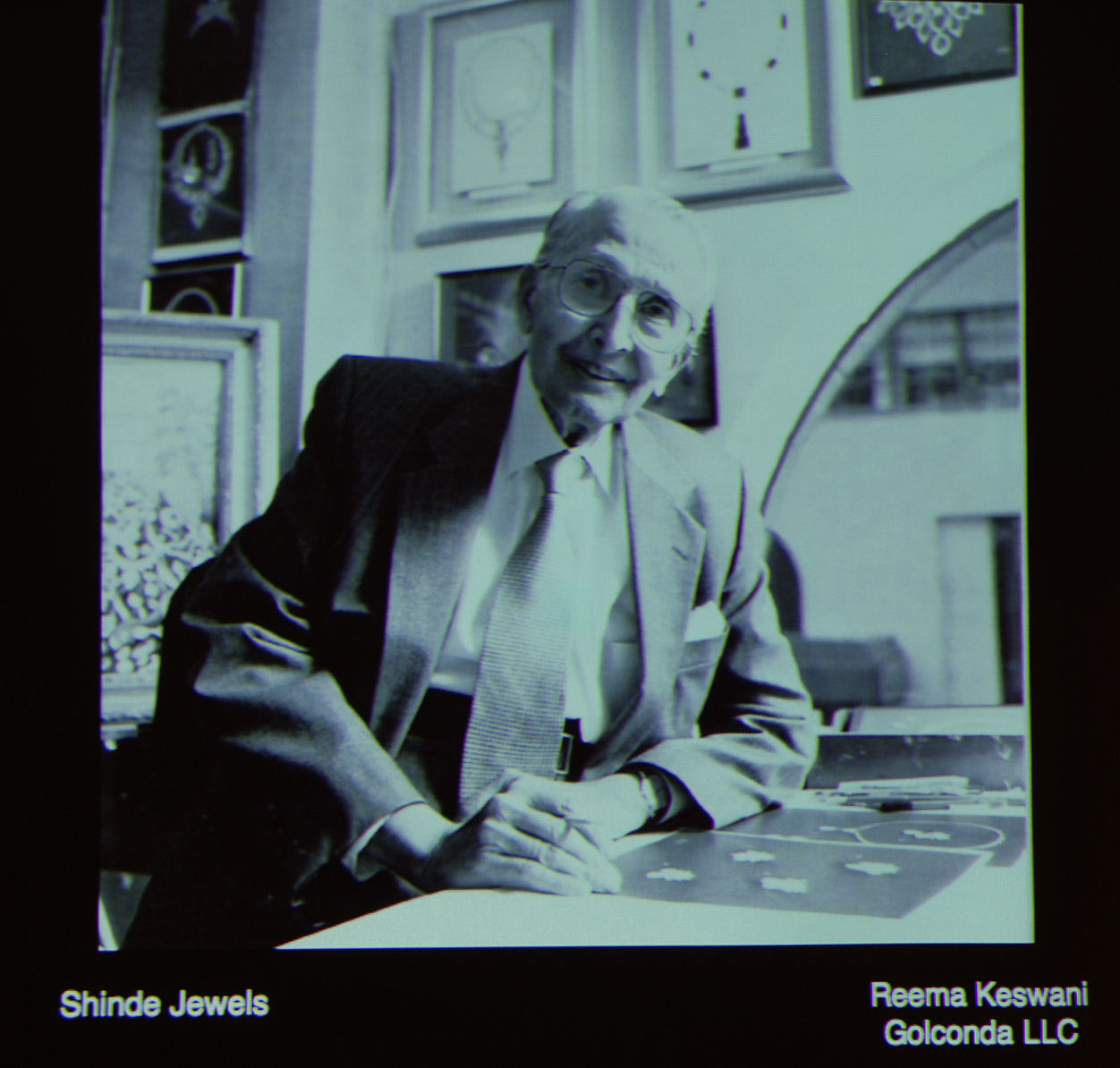
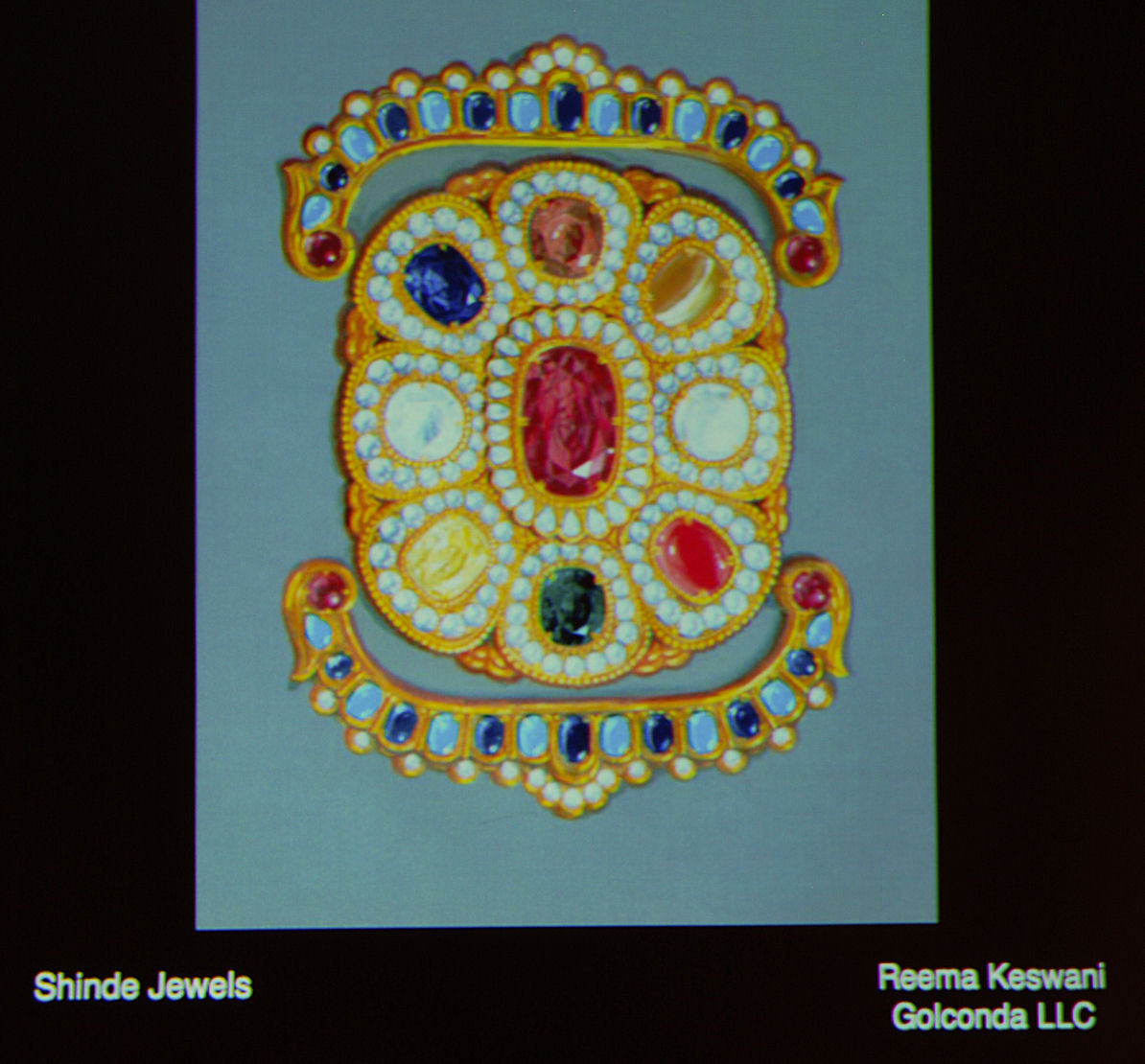
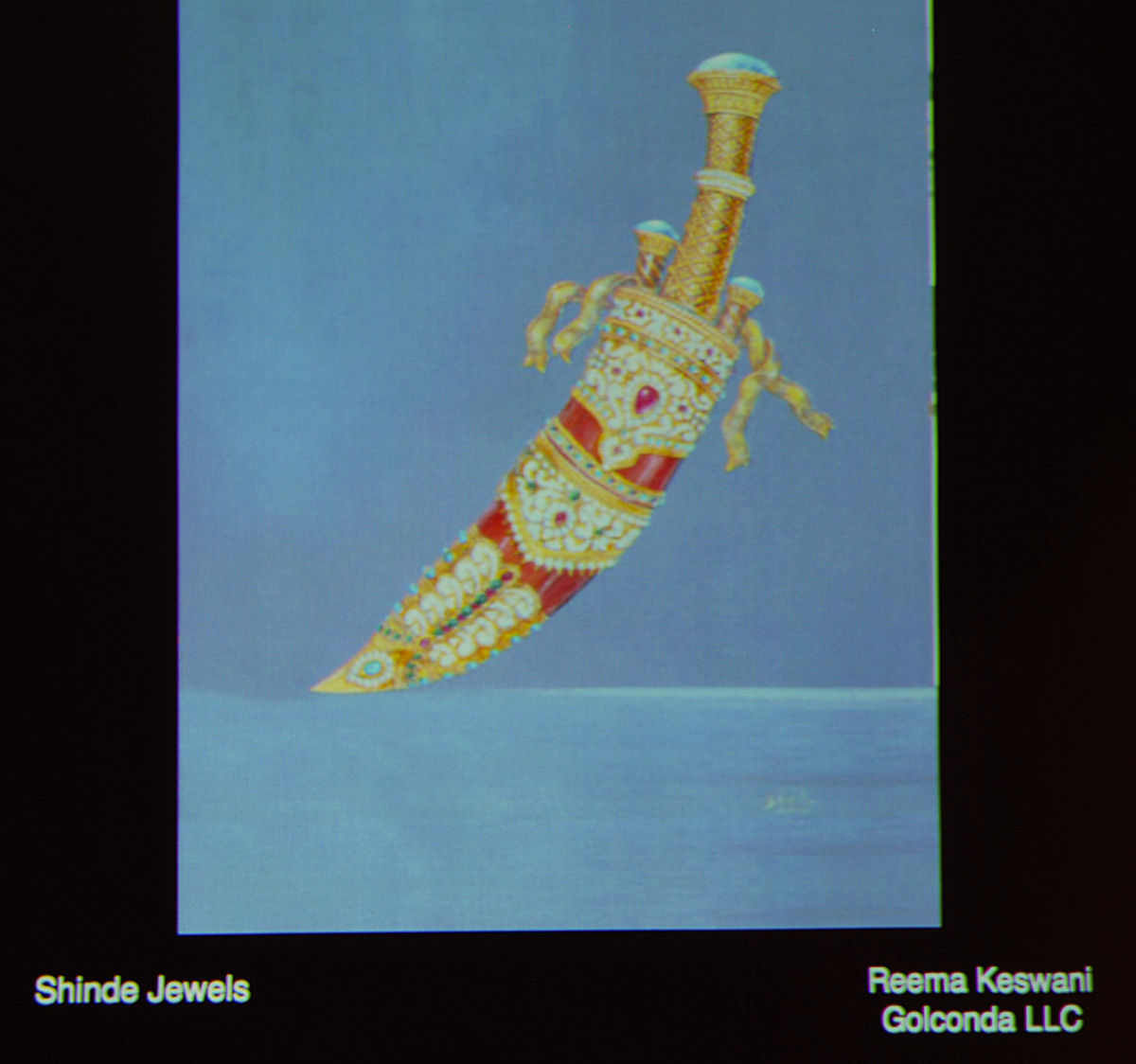
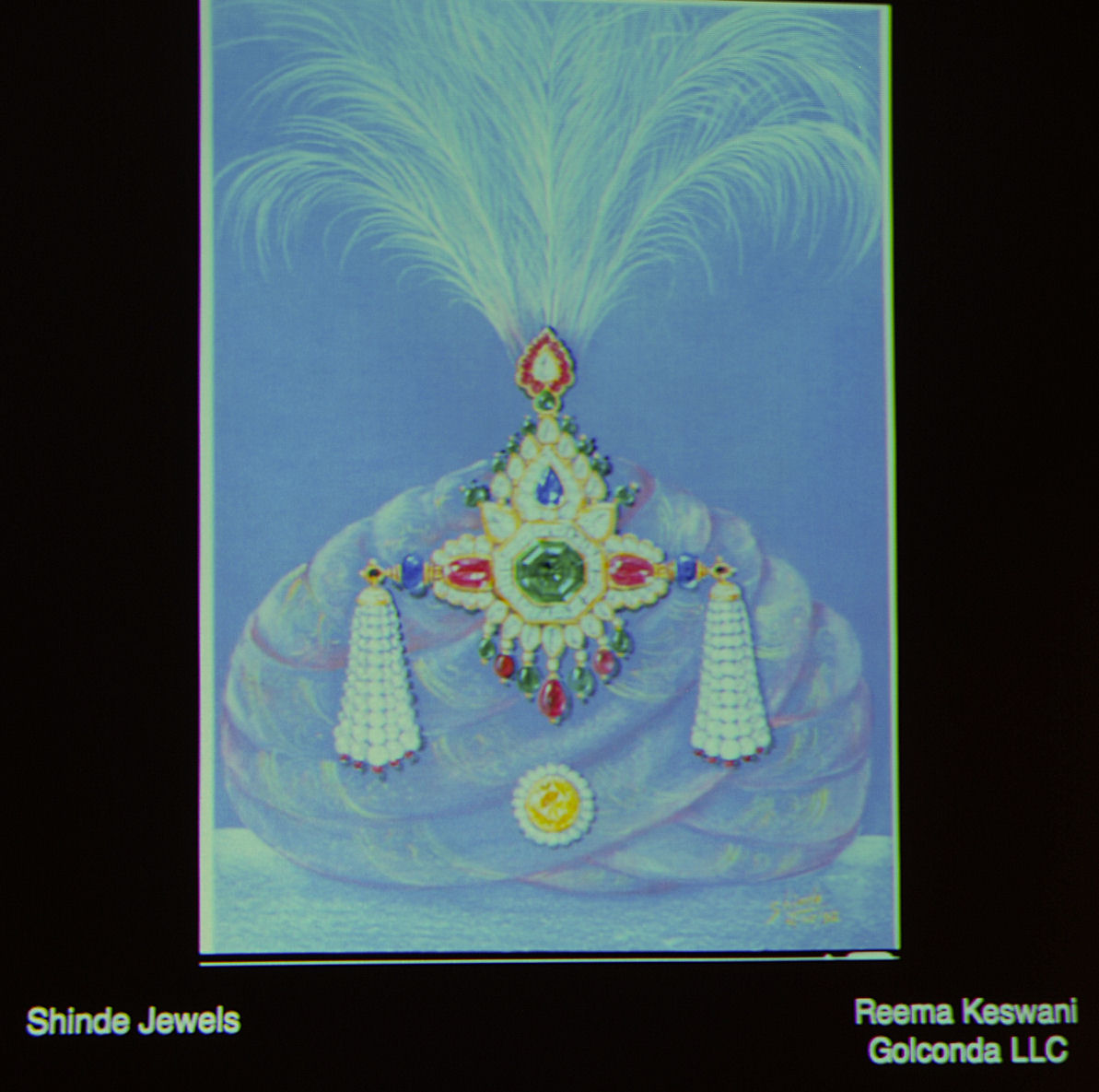
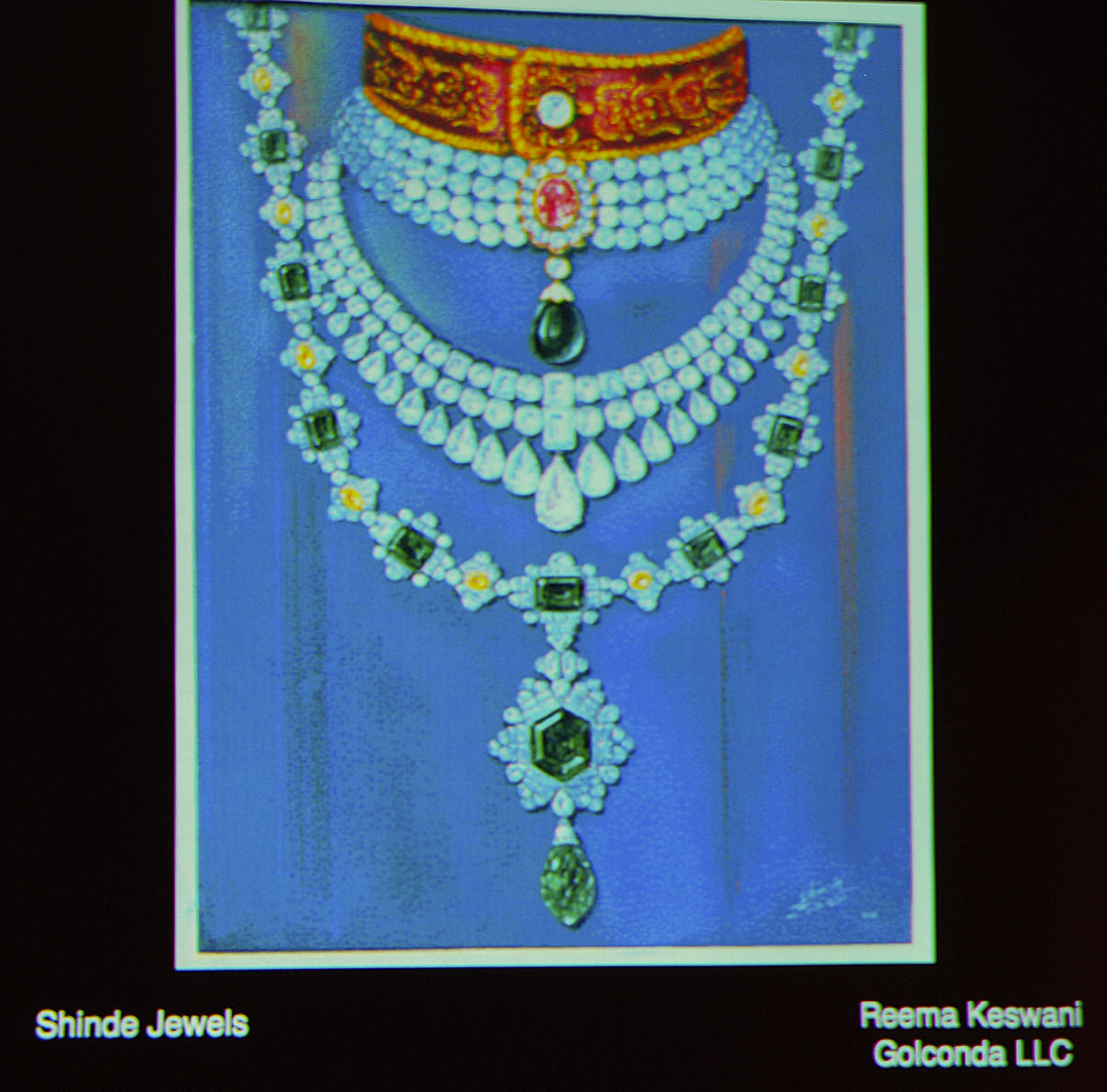
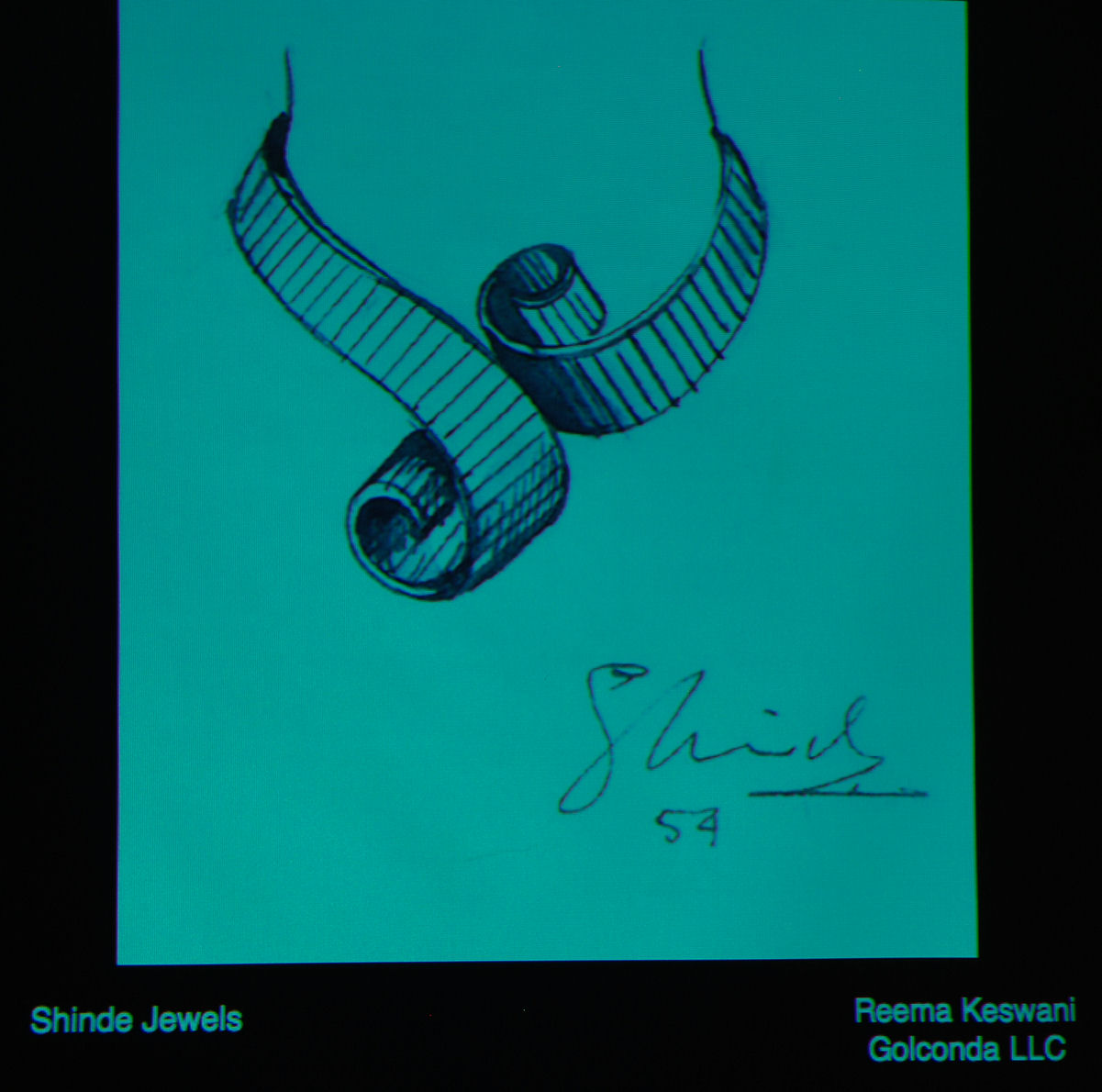
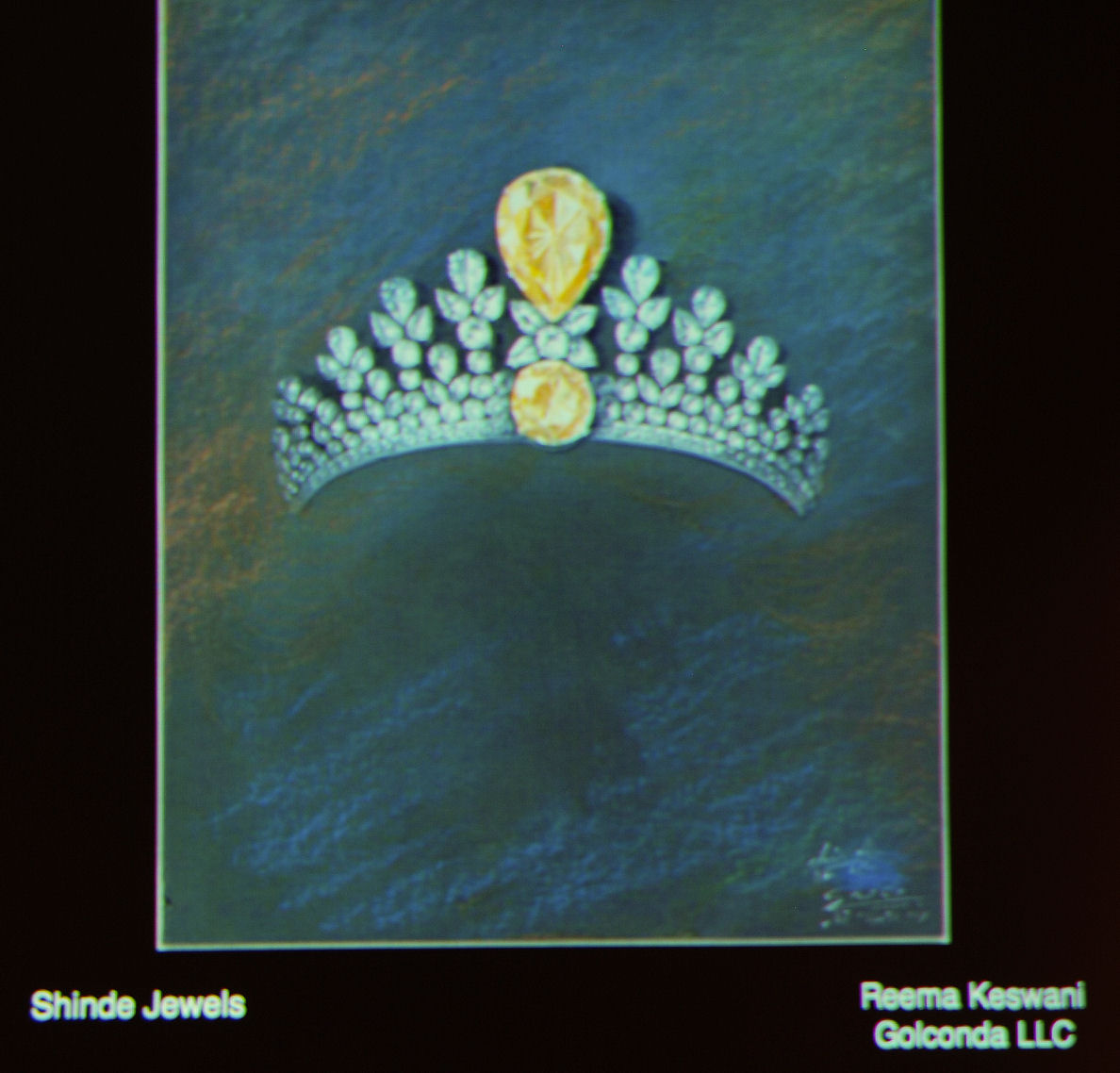
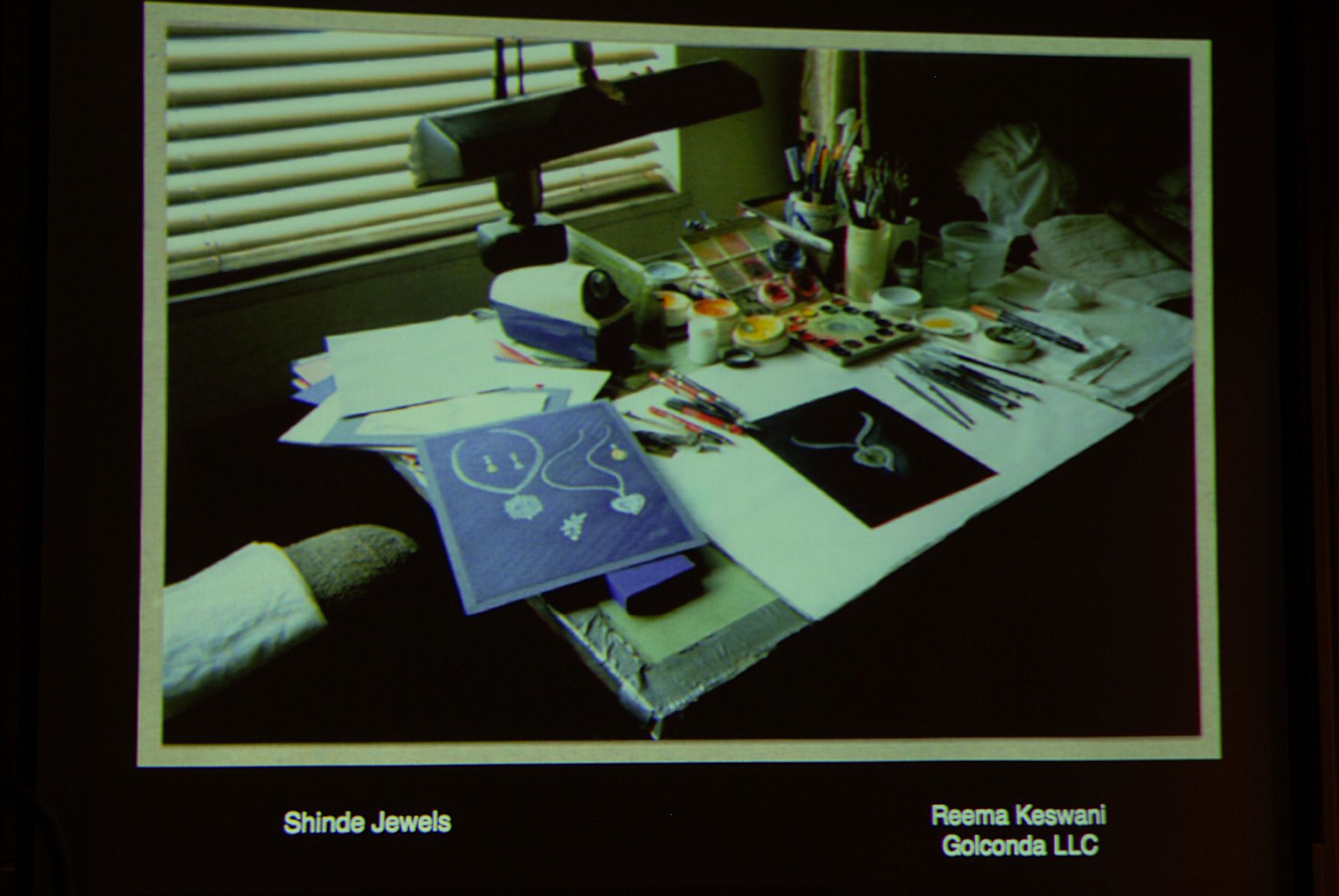
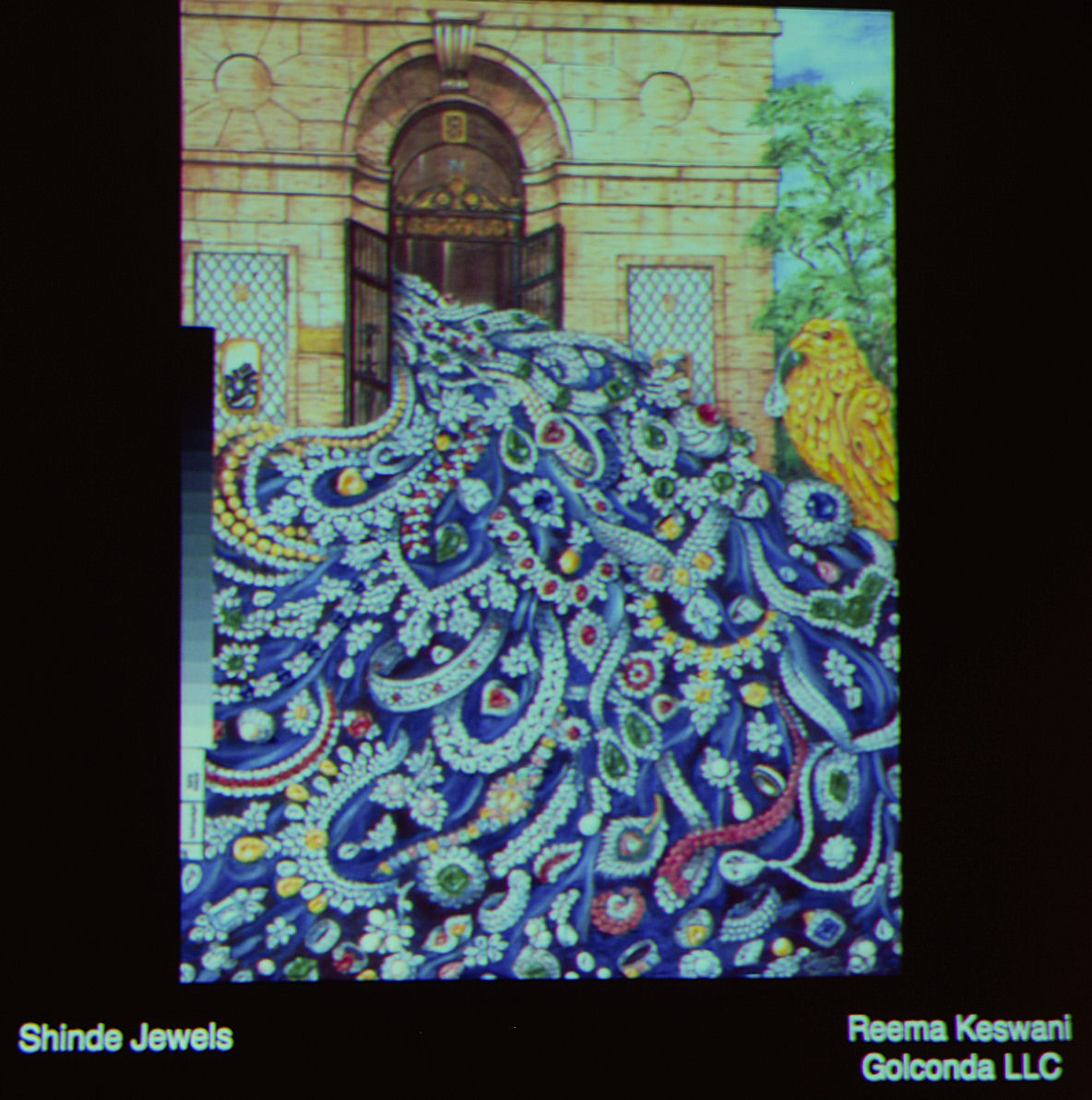
Those present for the May meeting were in for a real treat. Reema Keswani, GG, gave an inspiring lecture on A. V. Shinde, famous jewelry designer for legendary Harry Winston.

Ms. Keswani, is partner and designer for Golconda LLC, a New York based jewelry firm. She has worked at Christie’s auction house, currently consults to the trade, is the Vice President of The American Society of Jewelry Historians and is A.V. Shinde’s authorized biographer. Her book, Shinde Jewels, was based on three years of conversations with A. V. Shinde and features unpublished photographs and watercolor designs of his work.


13


A. V. Shinde was born in India in 1917. After art school he began working in the textile industry. Then, without any previous jewelry training, (he had never even been in a jewelry store), he went to work for one of India’s premier jewelry houses.

3


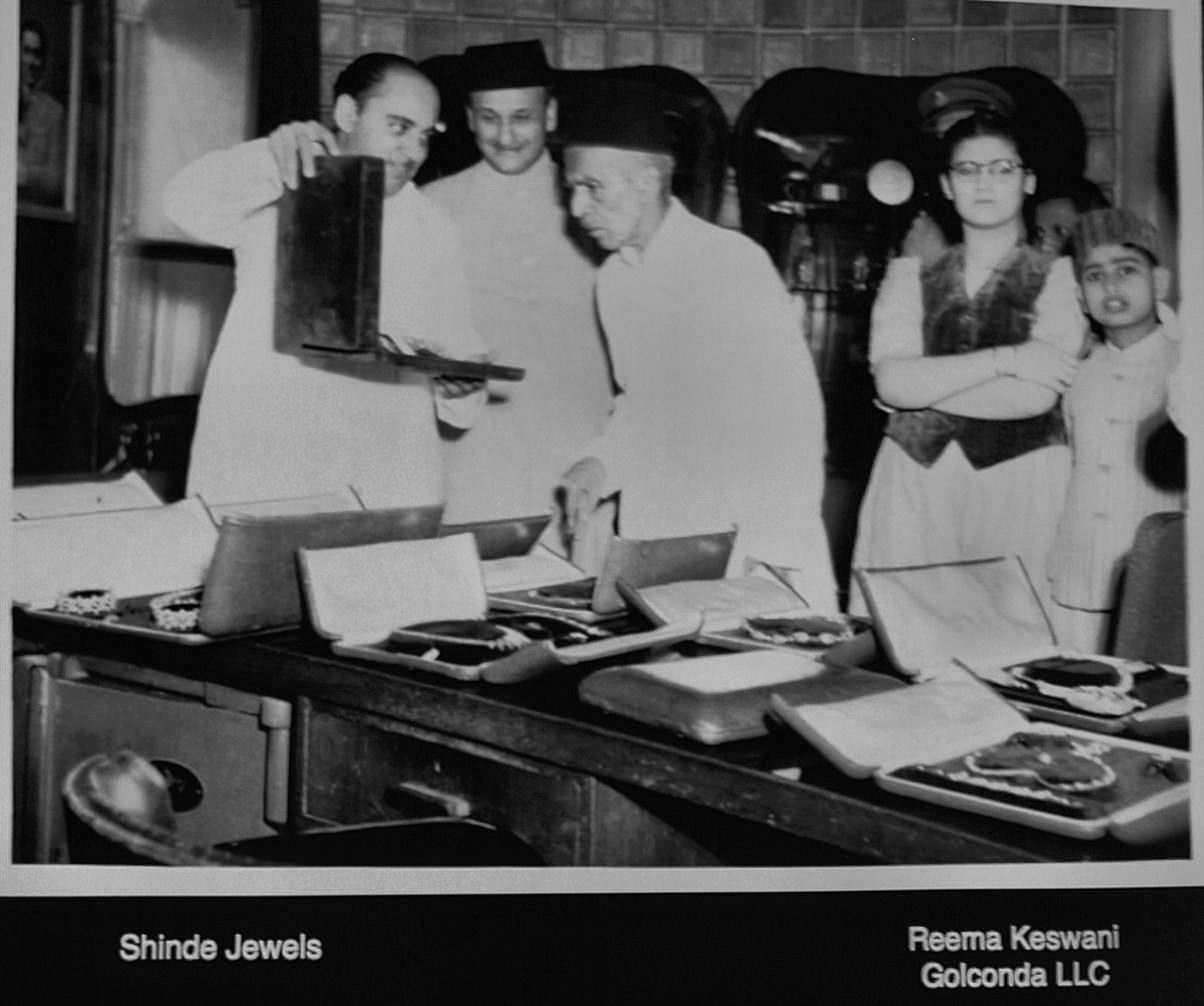
During this time, he designed exquisite jewelry for the maharajahs, and maharanis in India. When this work began to dry up after the end of the raj, he went to Geneva and trained with the famous Harry Winston firm. After several years there, he left and went back to India.


45


Ms Keswani said he did not believe that the Winston head designer liked his work. But before the head designer died, when Harry Winston questioned him about his successor, the man named A.V. Shinde. In 1966, Harry Winston invited him to become head designer.


67


For 40 years A.V. Shinde was the head designer for Harry Winston. He designed for the rich and famous including the Queen of England, Imelda Marcos, and Liz Taylor, to name a few.

8

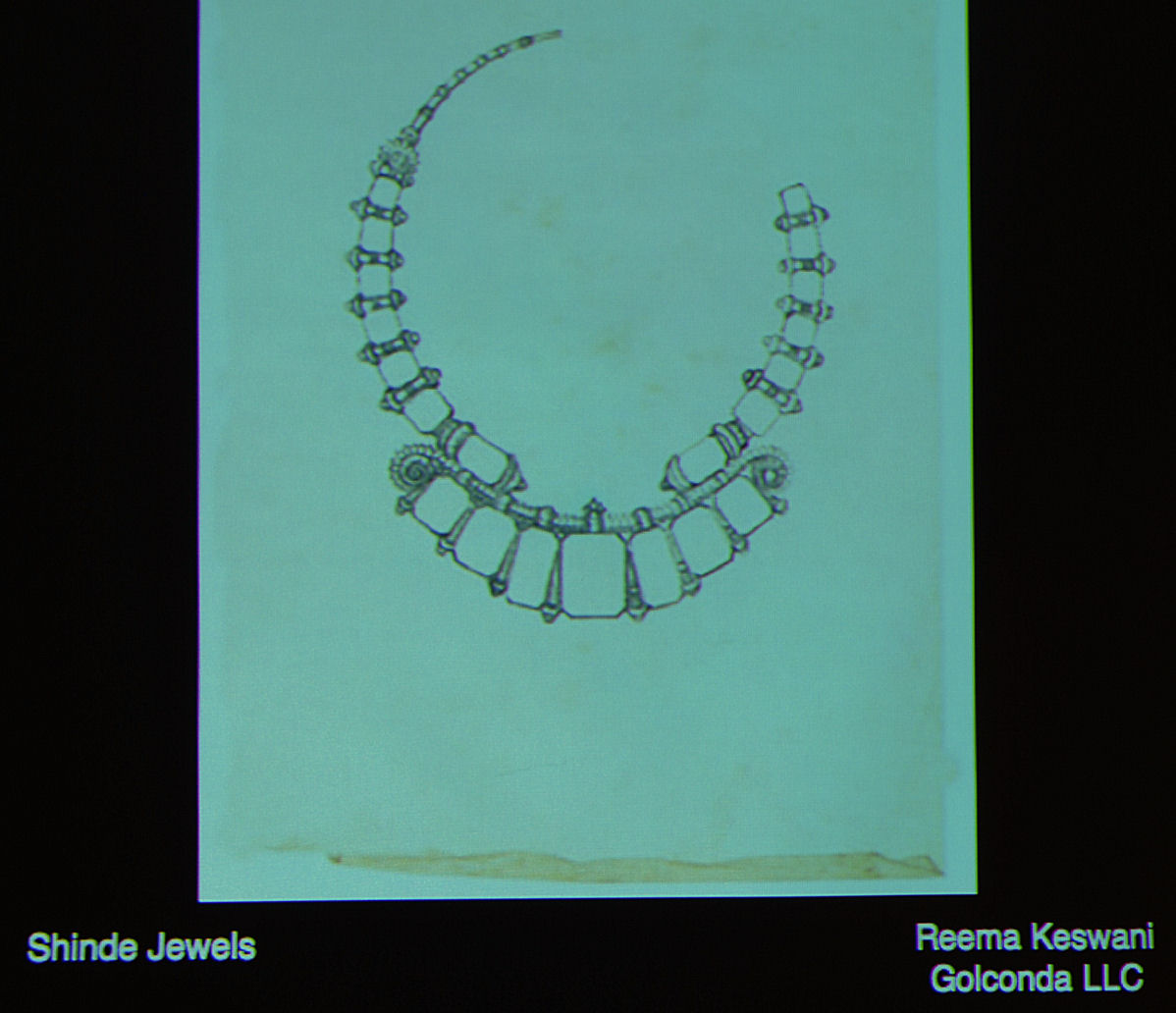
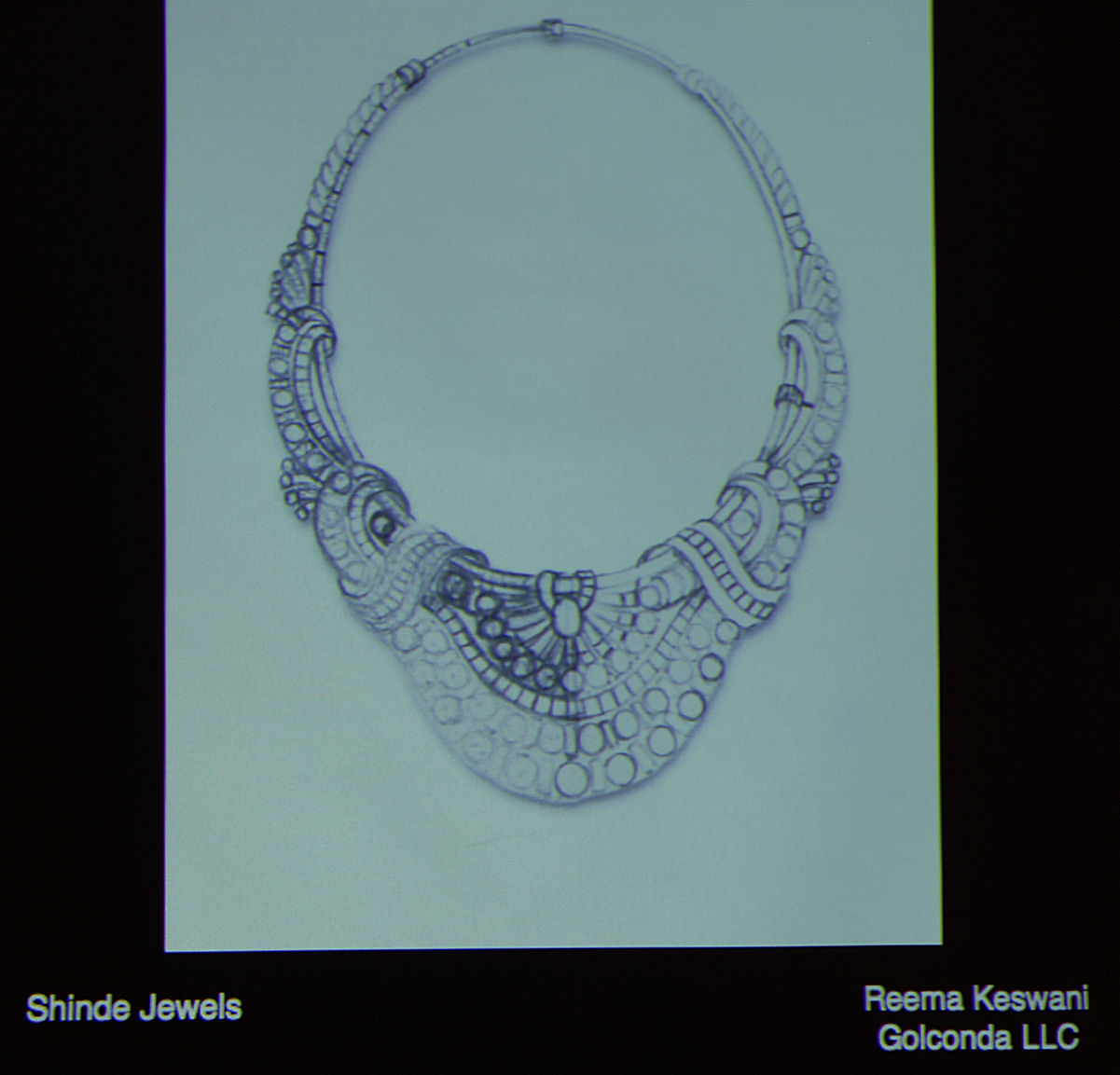
His designs also showed up at the Academy Awards. His early experience in the textile industry showed up in the draping, folds, scrolls, tassels, and movement of his necklaces.


910


Another trademark of his was the asymmetrical placement of feature stones in his necklaces.


1213


He died in 2003, at the age of 85, the world lost a great designer.

Photos of presentation slide show by Melanie Marts, GG

Meeting notes by Michele McMurtry

Posted in Meeting Archives | 4 Comments

GIA IDENTIFICATION WORKSHOP

On May 17, 2008, members and associates of the DC GIA Chapter Alumni Association had the opportunity and privilege to attend a full-day workshop presented by Mr. Ric Taylor and Mr. James Morse of GIA. The seminar, entitled “Identifying Ruby, Sapphire, and Emerald,” afforded an invaluable chance to augment gemological expertise vis-à-vis the trade’s “Big 3.”

The workshop was divided into three thematic segments, one focused on each ruby, sapphire, and emerald. Each thematic segment, in turn, was split into two one-hour components. The first hour was devoted to substantive instruction regarding the stone, comprising lecture, slide material, and discussion of participant-initiated questions. The second hour was then given exclusively to laboratory work. Each participant was provided with a microscope workstation and the unparalleled opportunity to build a mental database by examining as many examples of the subject stone as time permitted.

The aim of the workshop was to further understanding in separating natural gemstones from either treated or synthetic materials and in identifying particular treatments and types of synthetics. To that end, the detail, depth, and intensity of the presentation and lab work were perfectly suited. Clarity enhancement, heat treatment, diffusion treatment, and modern synthetics were all covered. As just one specific example, even new research, not yet published, was made available—DC GIA members are among the first to become aware of chromophore cannibalization as a technique for separating natural from heat-treated sapphire. Hence, taking into account the palpable engagement and enthusiasm of the sold-out group, the purpose of the seminar would appear to have been realized to an impressive extent!

This author extends her deepest gratitude to Mr. Taylor, to Mr. Morse, to GIA, and to all those of the DC GIA Chapter who made this occasion possible. Thank you.

Posted in Meeting Archives | Leave a comment

Solving the Mysteries of Old Chinese Nephrite Jades

EricHoffman

EricHoffman

The April 7, 2008 chapter meeting, brought an informative lecture with PowerPoint show about the little-known gem nephrite jade.

A local expert named Eric Hoffman, who has been studying, buying, selling and writing about nephrite for over 35 years, gave the talk.

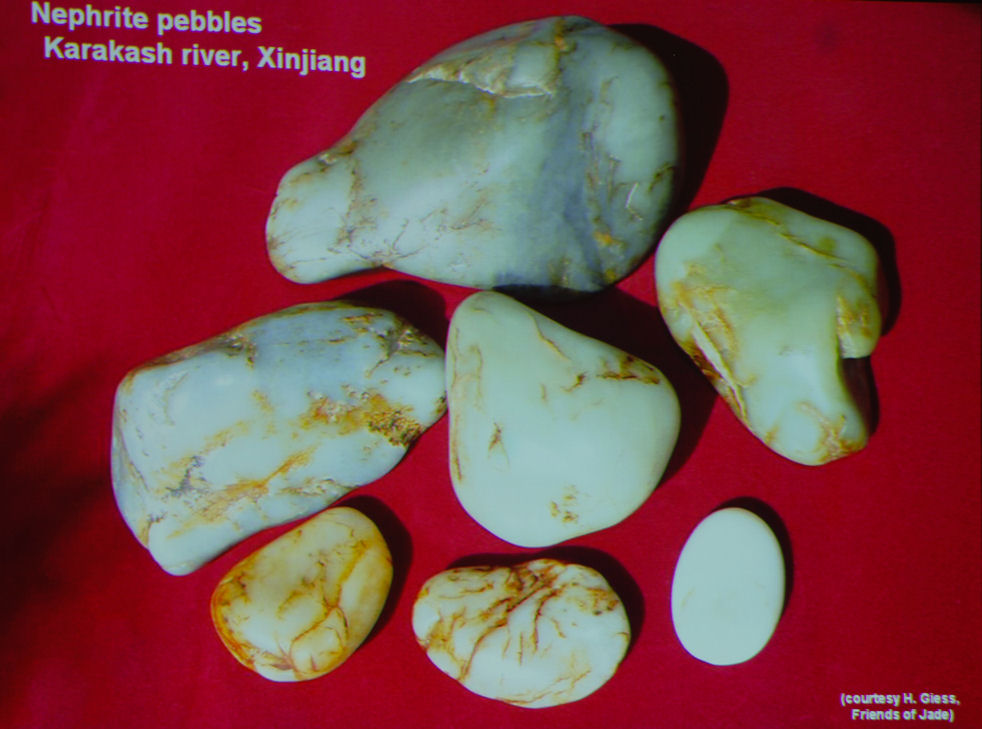
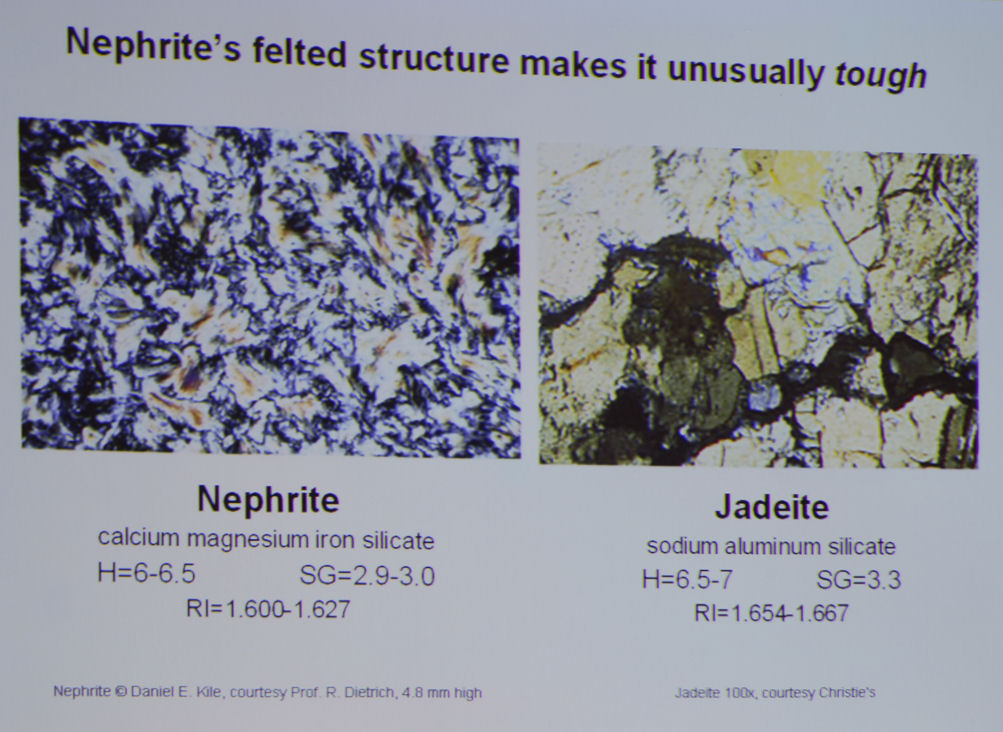
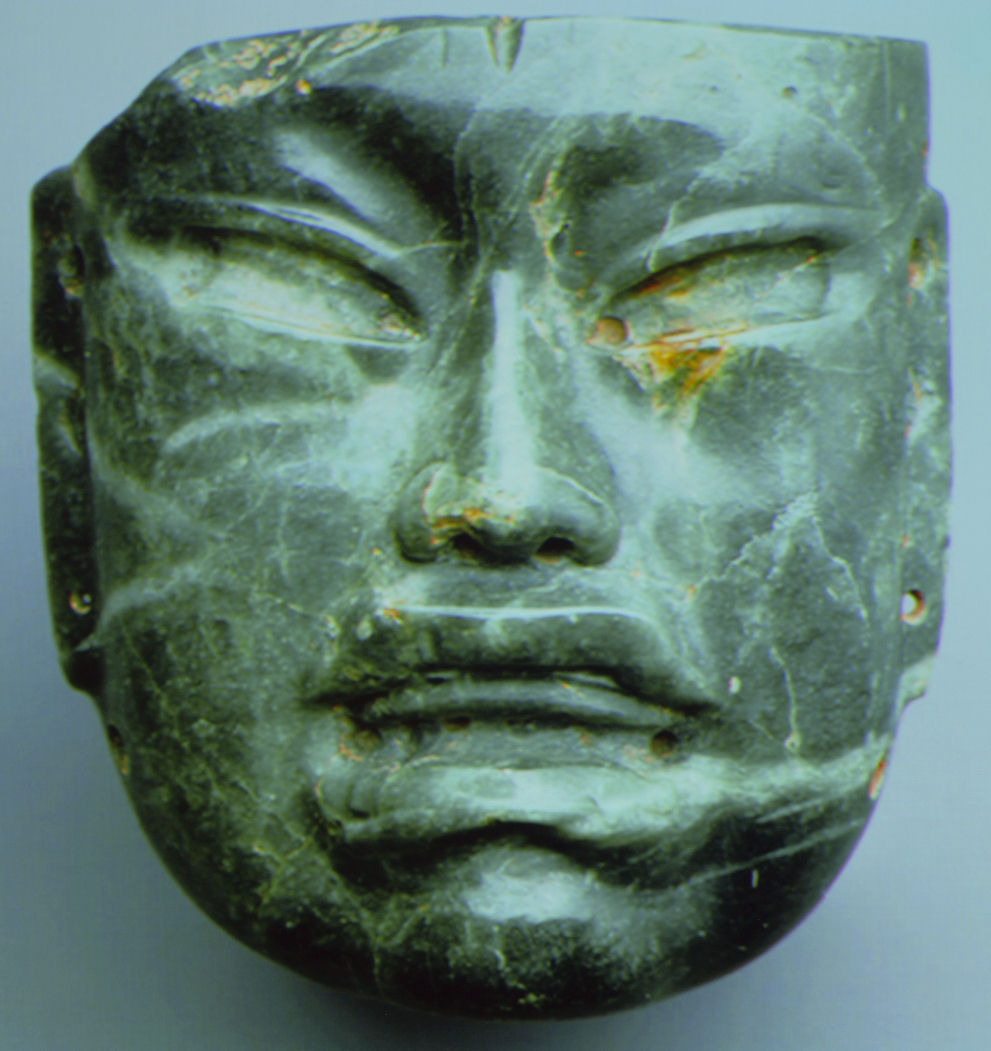
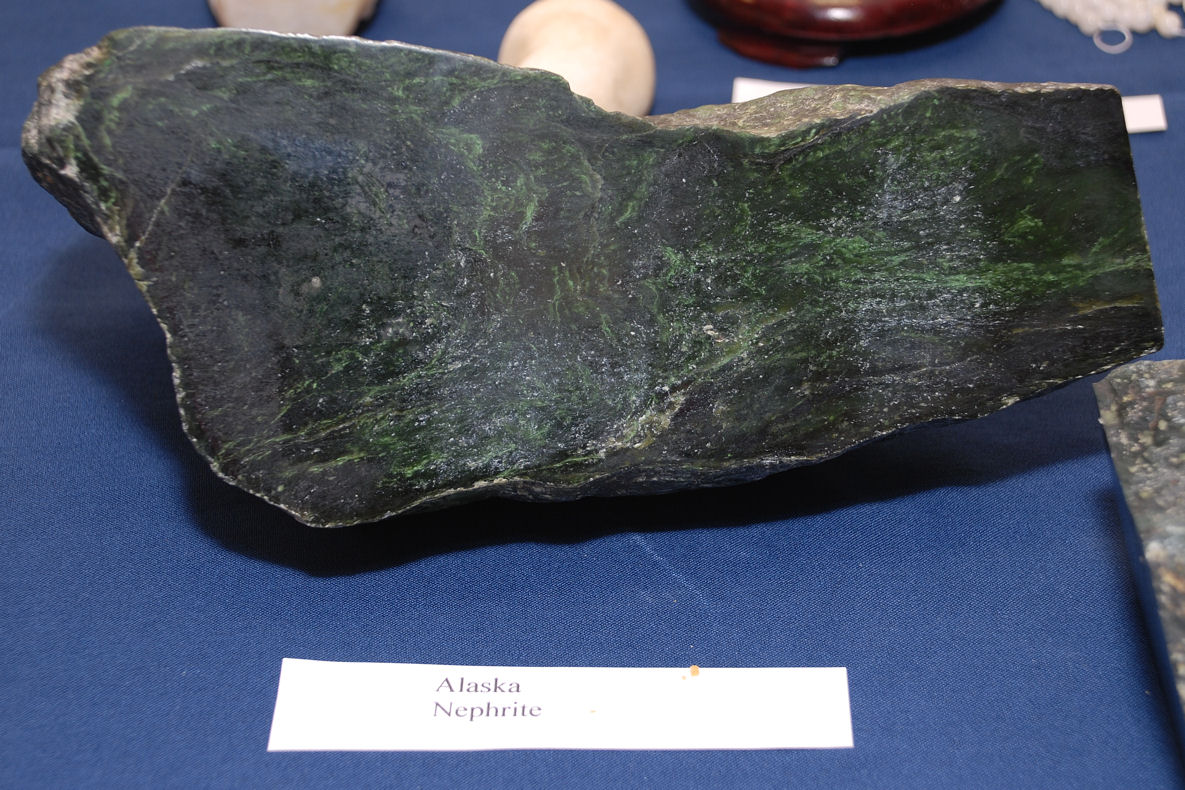
Nephrite has been highly prized in China for more than 5000 years. Whitish and yellow pebbles were discovered in the Karakash River in the Xinjiang Province. Karakash means “black jade” in Chinese. It is tougher than it’s better-known cousin, jadeite, due to a different structure.
pic1The nephrite is made of interlocking fibers with a hardness of 6-6.5, whereas jadeite has interlocking crystals with a hardness of 6.5-7. Because of this structure, nephrite can be carved very thinly.

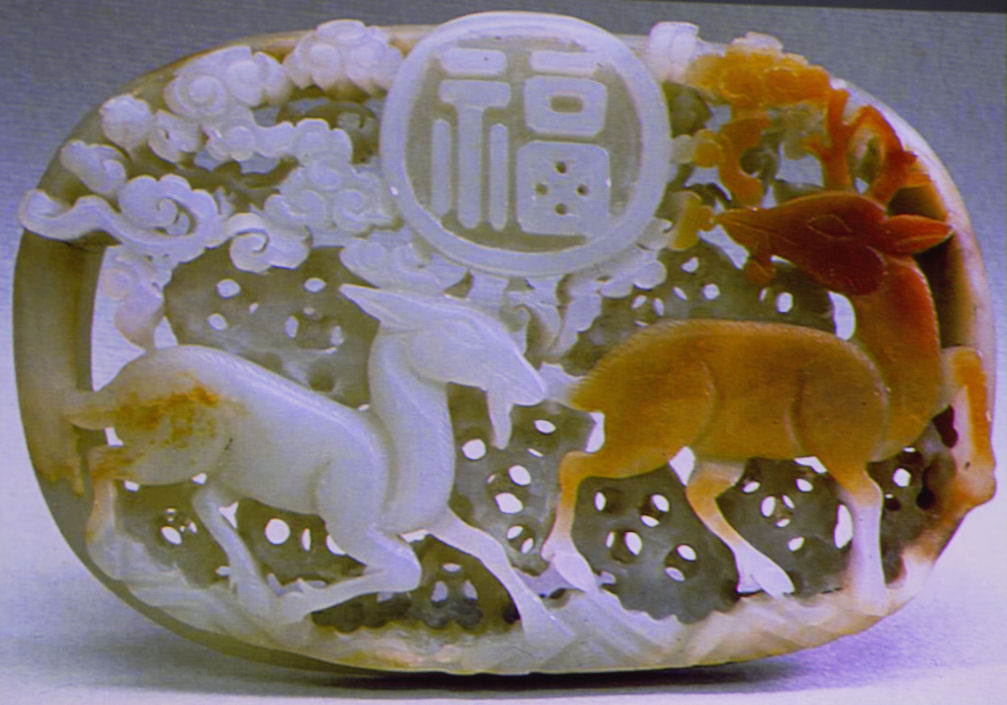
One of the oldest known pieces of carved nephrite is a plow point dated 5000-7000 years old.
pic2During this time, it was also carved in to axes, chisels and grain cutters. The uses were more utilitarian than ornamental.

pic3

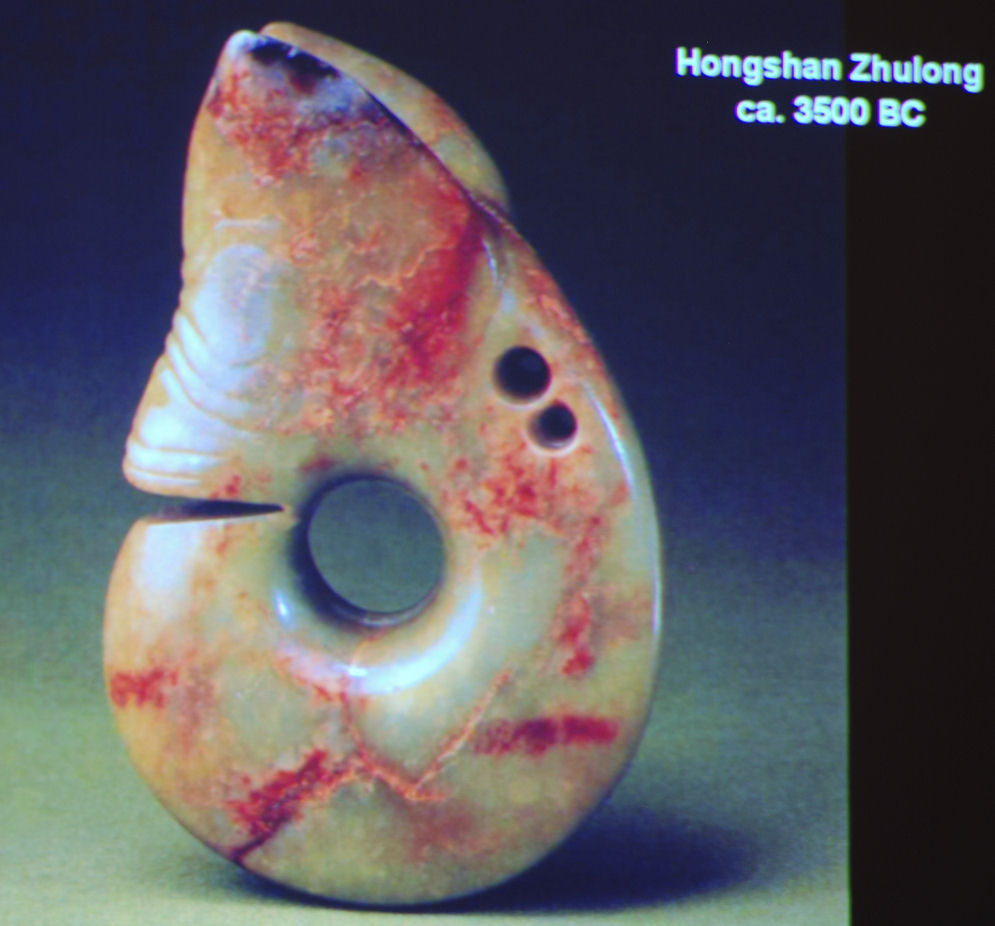
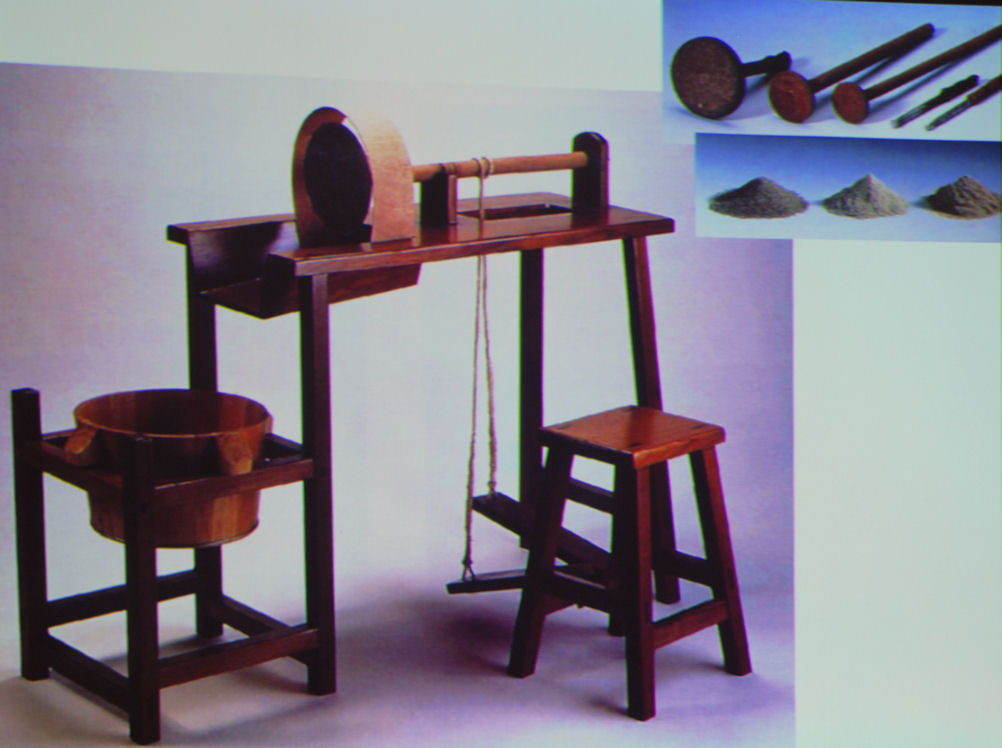
As time progressed to 3500 B.C., we began to see more three-dimensional carvings. These were done using bamboo with quartz sand imbedded.
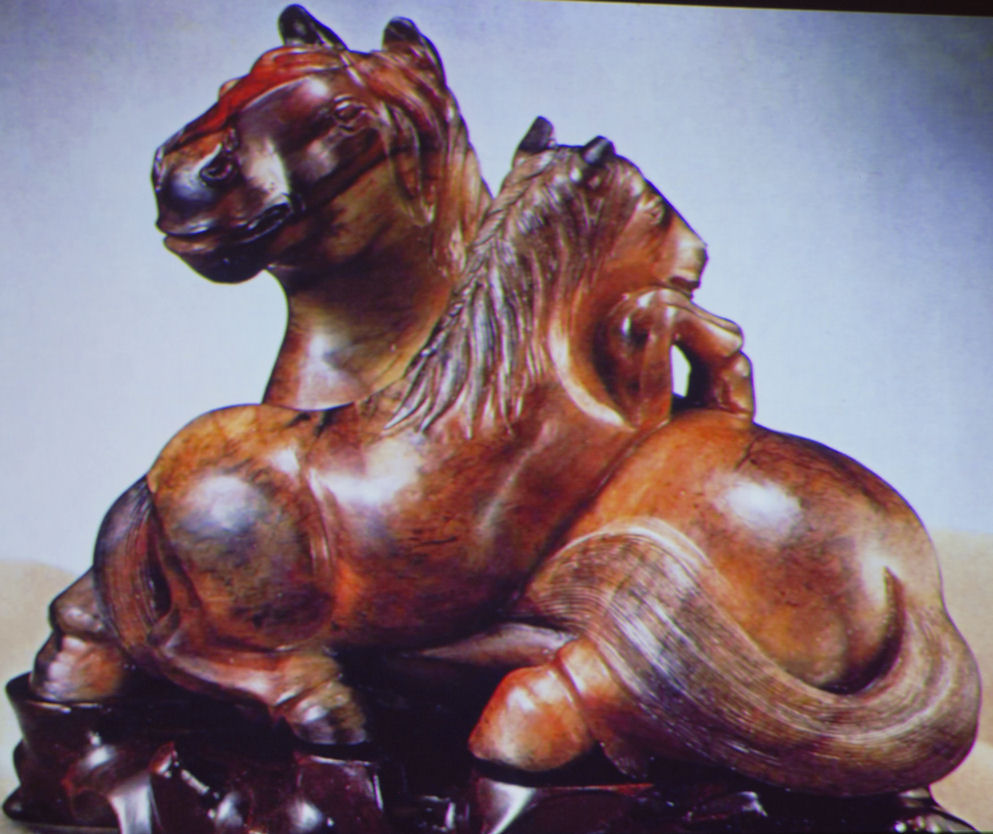
pic4There were no metal tools yet. Moving to 1500 B.C., technology improved to the development of metal tools and much more intricate carvings began to emerge.
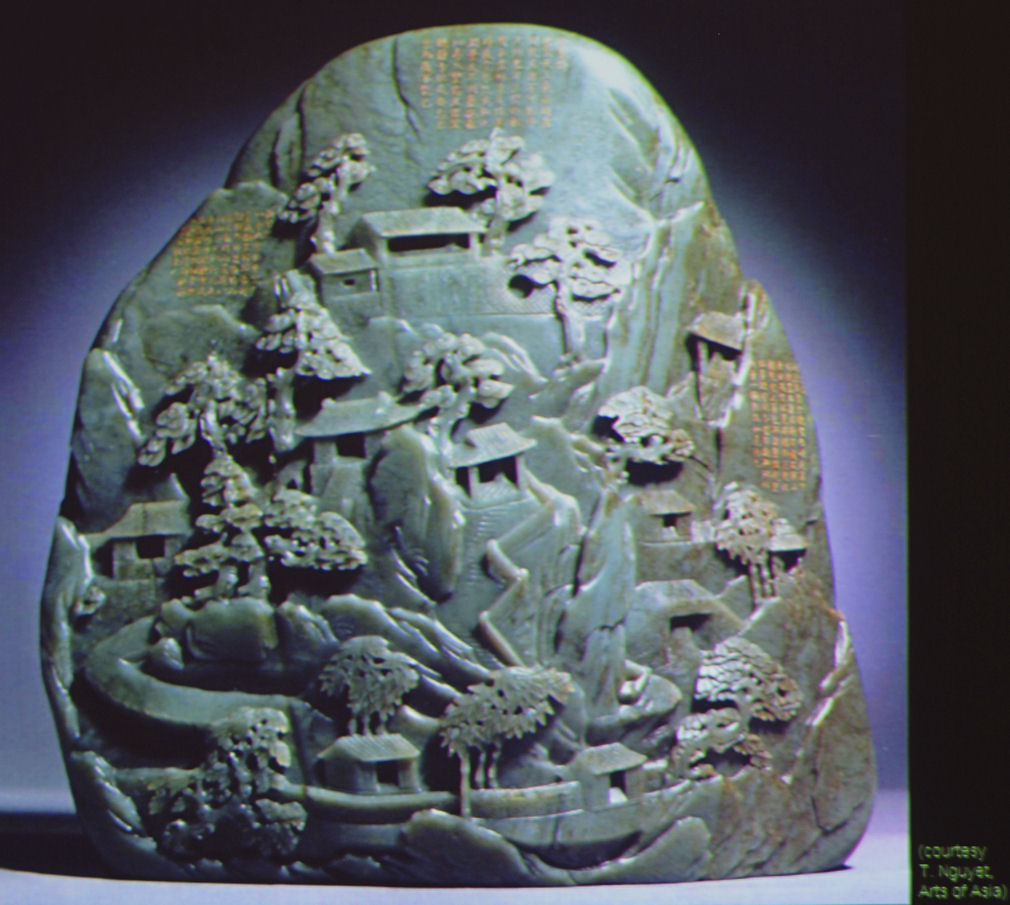
pic5Even though nephrite can come in natural colours other than green and white, by the time of the Ming Dynasty, colour was introduced to the carvings in the form of dyes and stain.
pic6
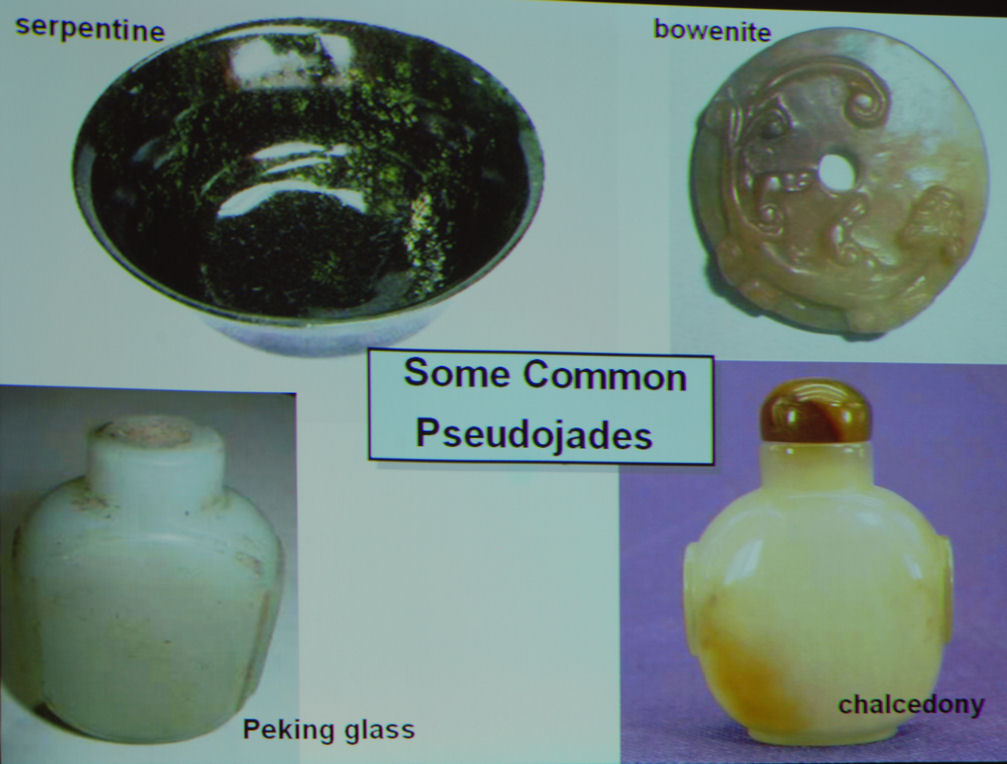
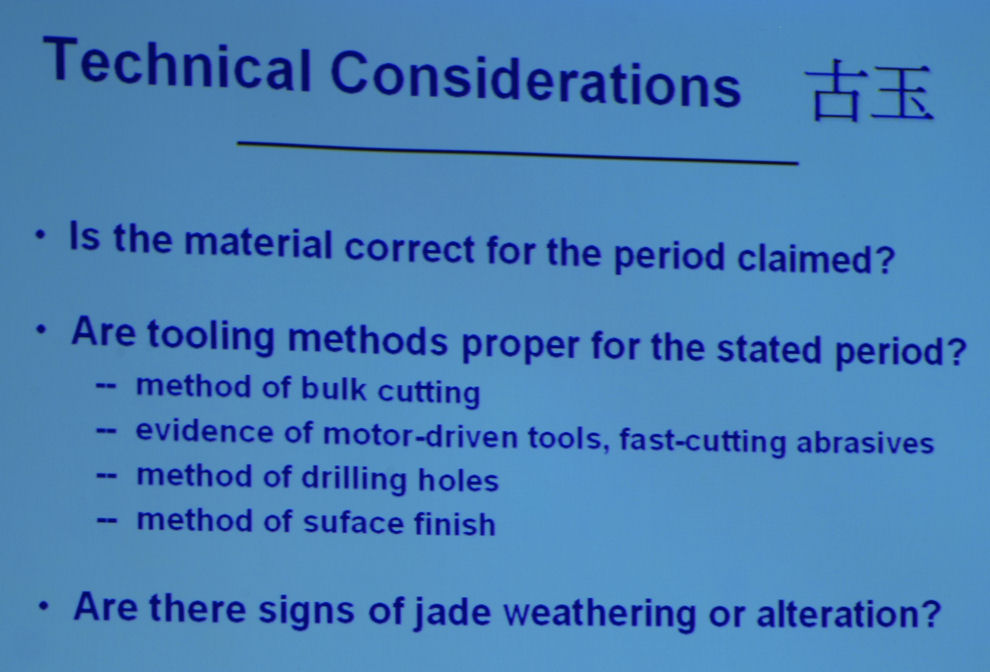
The challenges that one can face when buying nephrite include determining if it is, indeed, nephrite, is it old and is it Chinese? One can perform various gemological tests for the first challenge.
pic7Other possibilities would be serpentine, bowenite, glass or chalcedony. Hardness, refractive index and specific gravity should do the trick.
pic9
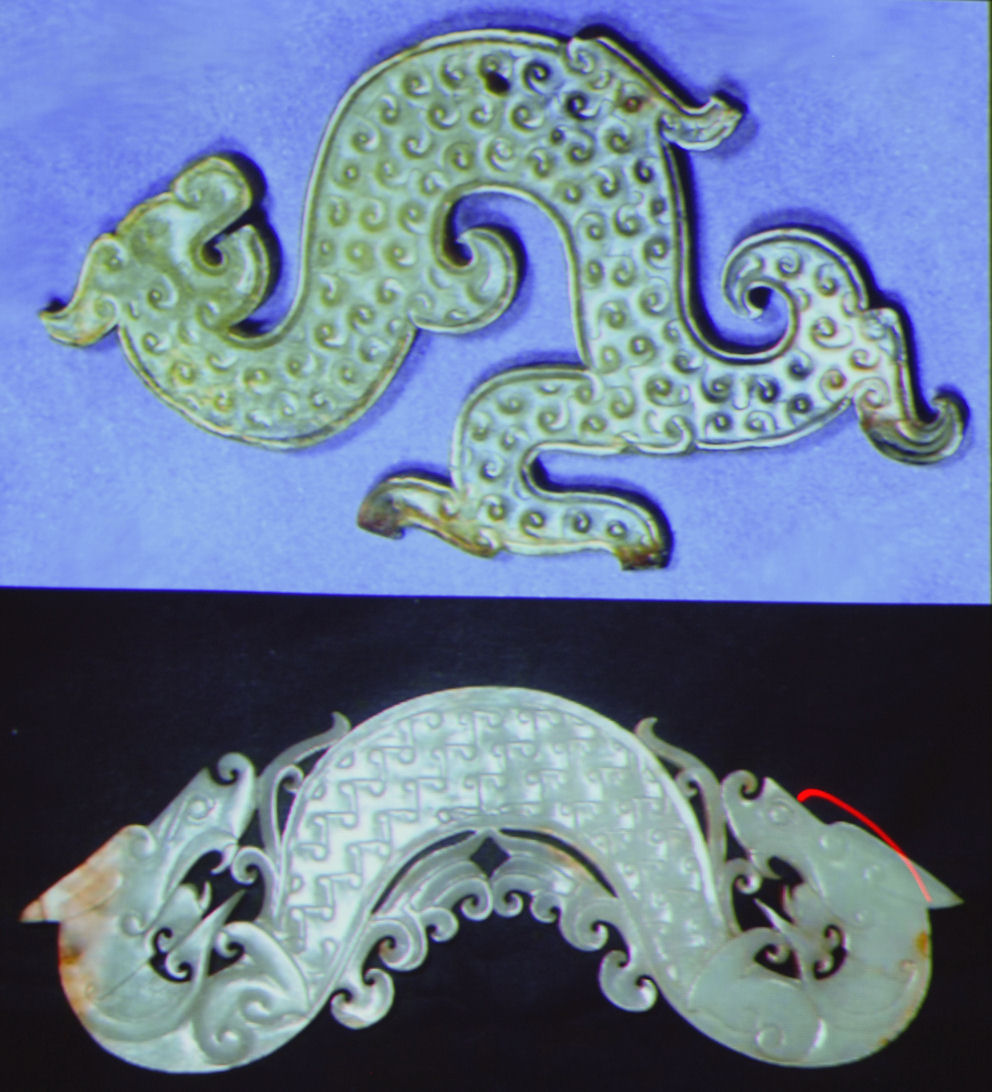
As for Chinese origin, the motif of the carving would be considered. Some Indian motifs have been confused for Chinese. One must study the historical aspects to be able to determine this.

The age is the most difficult to assess. Since there is no scientific way to test for this, other methods must be employed. Motif as well as how the piece was actually carved can indicate age, i.e. metal versus some other technique.
pic10One must ask several questions, such as: Is the material from the period claimed? What kind of tooling marks or drill holes does it have?

pic11

Does the piece have provenance that is documented and published. Are there other similar pieces on the market? What are the seller’s credentials? If the deal sounds too good to be true…….
pic13In conclusion, Chinese jade is a fascinating entity and there are many fakes. When in doubt, consult with a true expert!
pic14Raffle Tickets are sold at every meeting to help raise money to cover chapter costs. 50% of the money raised goes to the chapter and 50% goes to a lucky raffle ticket holder.

Bobby Mann & Eric Hoffman

Bobby Mann & Eric Hoffman

The lucky winner of the 50/50 Raffle Ticket was ?????. Everyone present was a winner in our hearts and minds.

Submitted by Sherlene Y. Bradbury, G.G.

Photos by Melanie A. Marts, G.G.

Posted in Meeting Archives | Leave a comment

Matthew Hall & Donna Beaton, GIA NY

“Diamond Treatments and Synthetics; Current Hot Issues in Colored Stones”

Matthew Hall

Matthew Hall

This month’s DC GIA meeting featured Matthew Hall, Manager of Identification Services in GIA’s New York laboratory, and Donna Beaton, supervisor of Colored Stone Services at GIA New York.

This fascinating dual lecture not only addressed up-to-date information on diamond as well as colored gemstone treatments, but also GIA’s new emphasis on the laboratory services they provide above and beyond education.

Matthew Hall began the evening by addressing the issue of diamond treatments and synthetics.
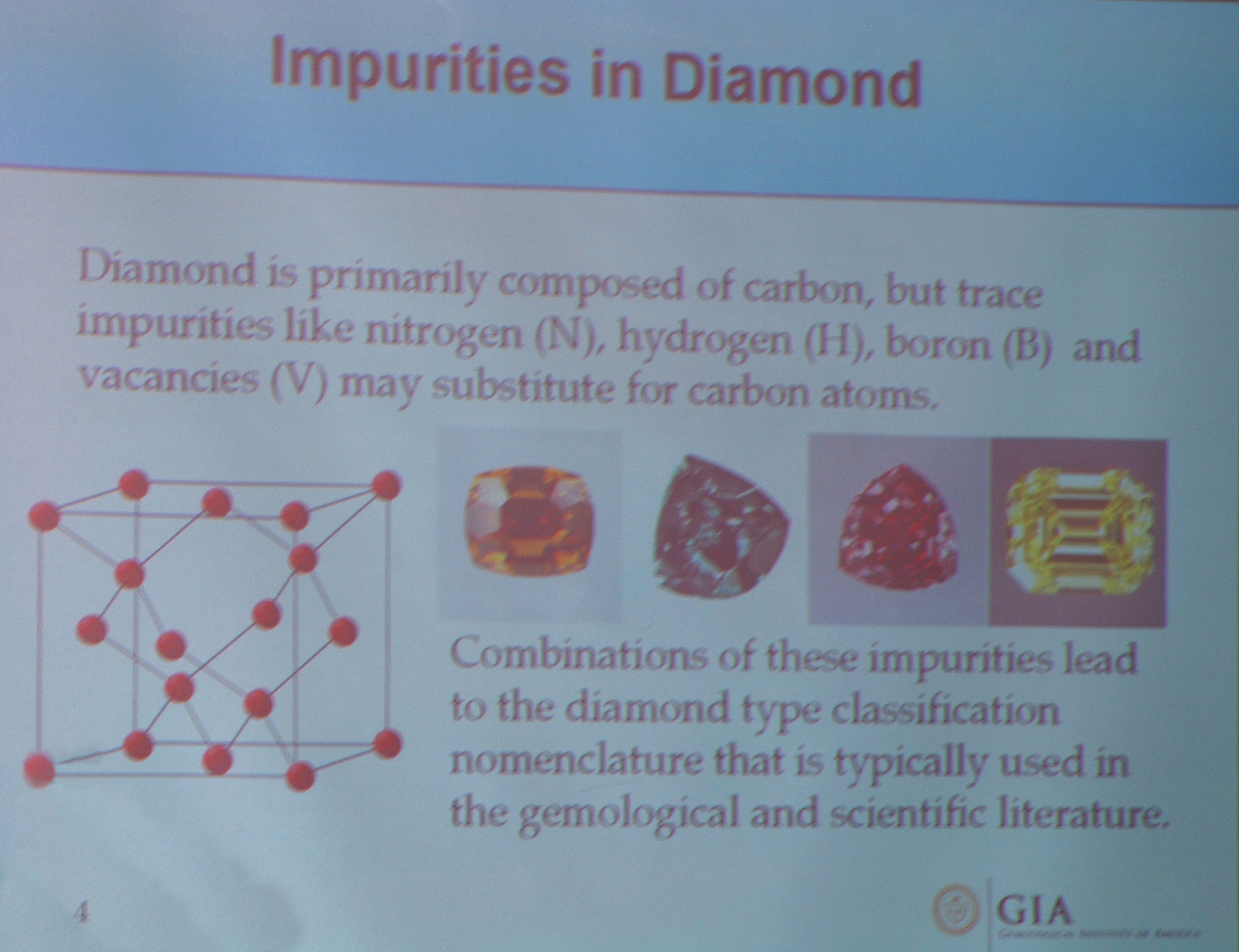
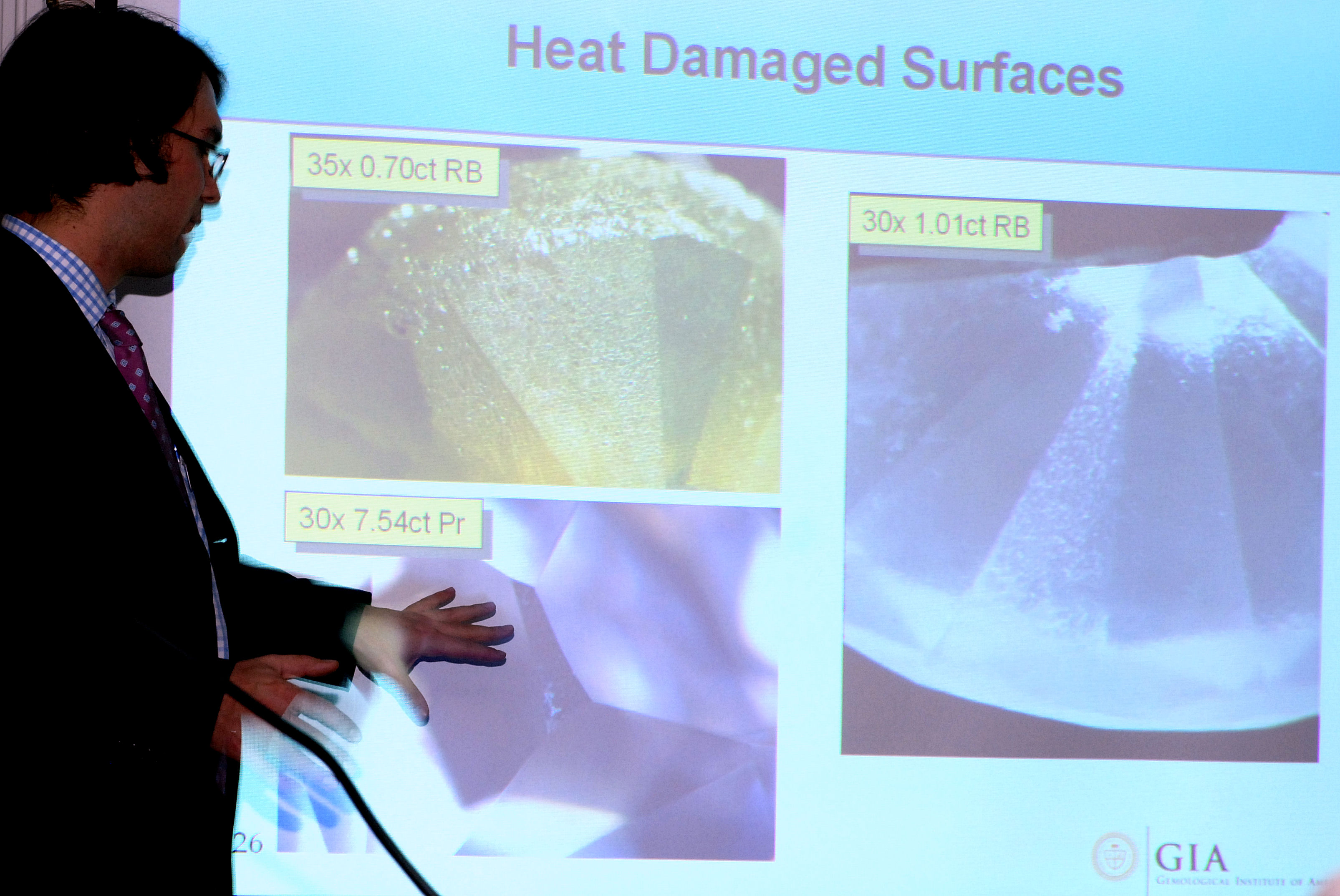
pic2He reviewed the different types of diamonds and the impurities that create color. He then addressed the three main diamond treatments on the market—HPHT, irradiation and annealing, and diamond coating—and discussed the various inclusions that assist with identifying these treatments.
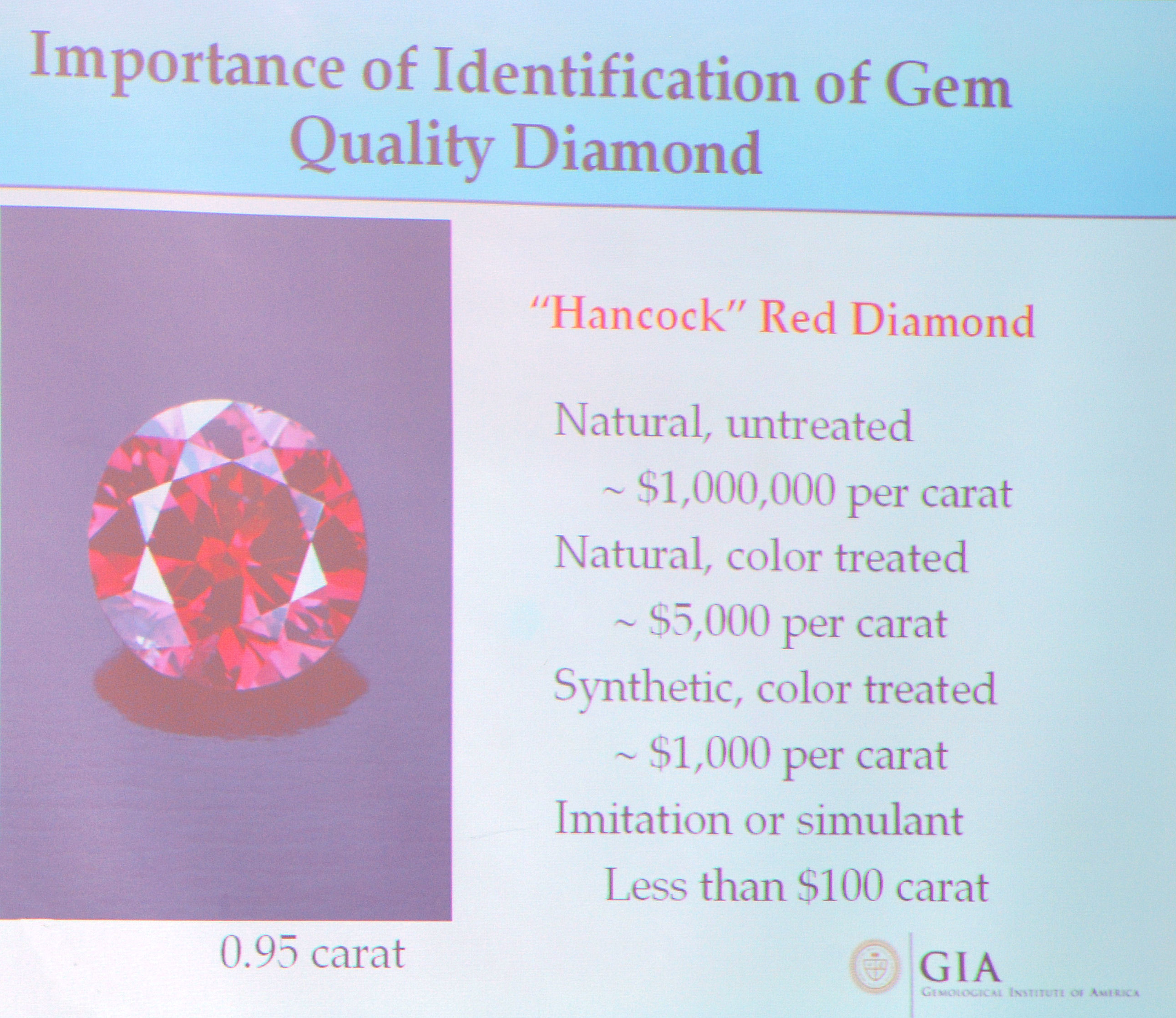
pic2Type II diamonds are susceptible to HPHT treatment. The newest diamond coating on the market are “Serenity Coated Diamonds”, which are a silicate based, multi-layered coating on the pavilion; different from earlier coatings which were calcium fluoride doped with gold.

pic3pic4

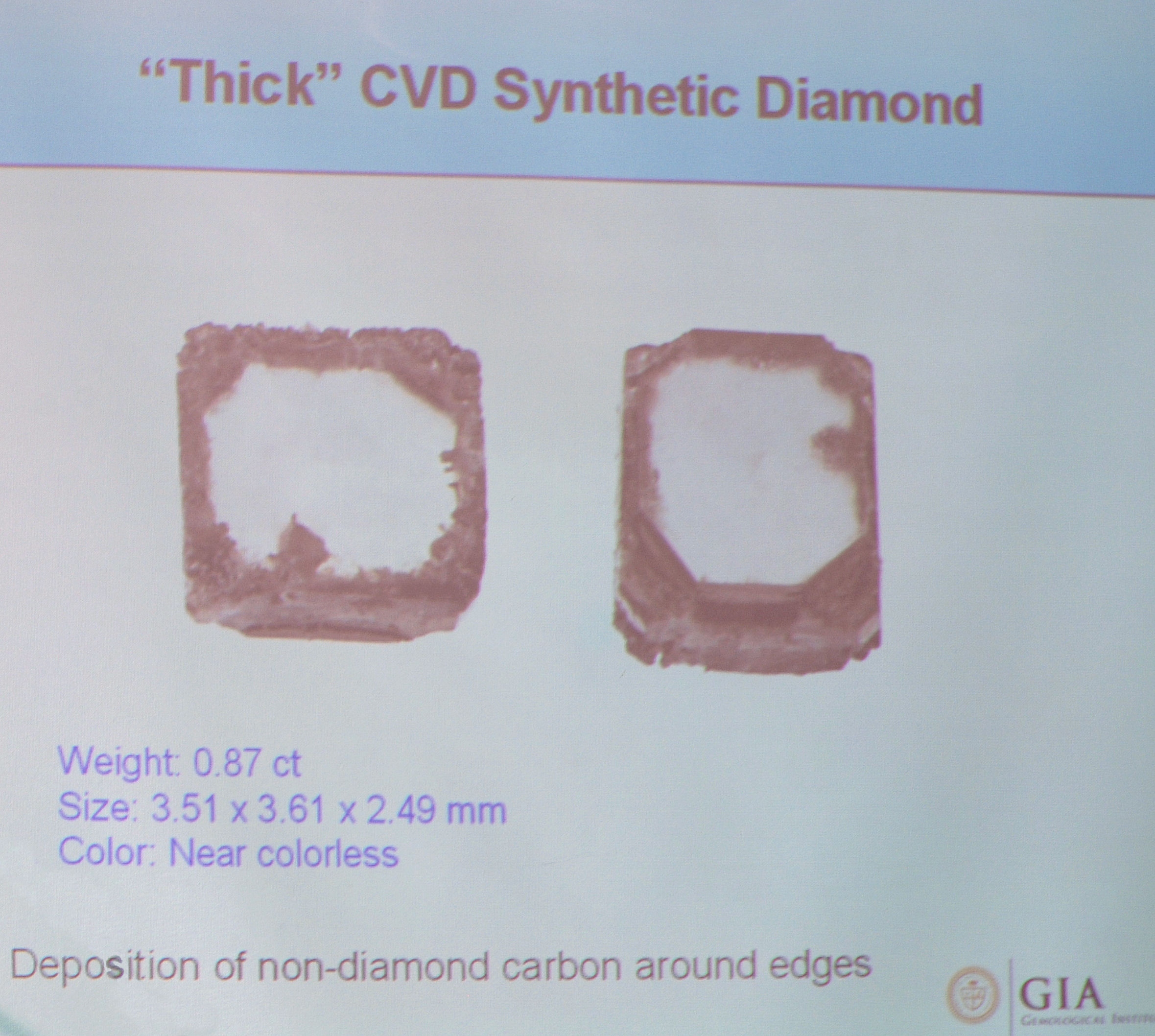
Mr. Hall then reviewed the current synthetic diamonds on the market, the HPHT and the CVD grown. All CVD are Type IIa, nitrogen doped. The earlier CVD diamonds tended to be small, a distinct brown and included; now they are colorless with high clarity and larger in size.
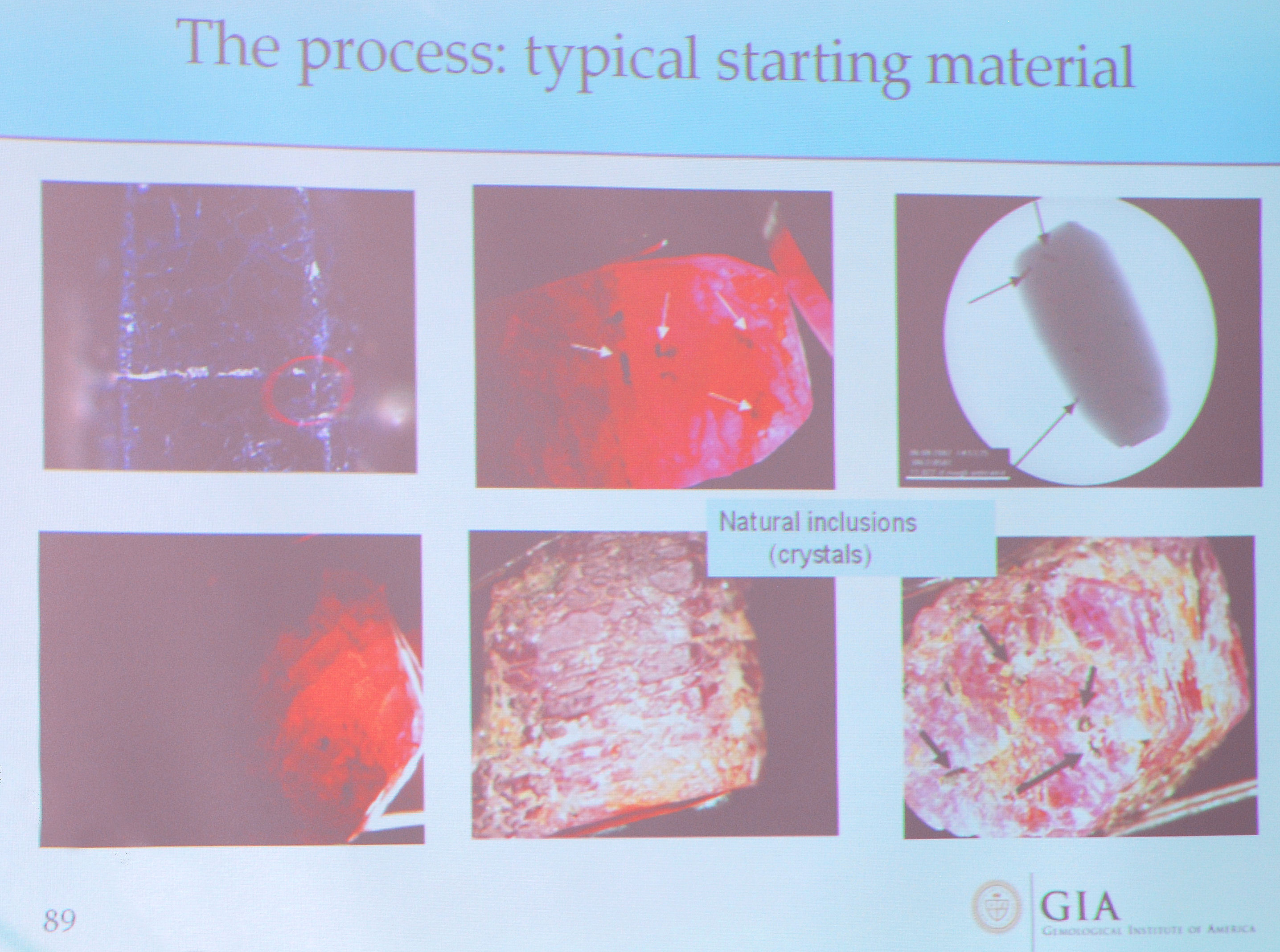
pic5Fancy colors such as orange and pink have been added to their line up. He offered slides illustrating various inclusions that assist with identifying these synthetic diamonds, and discussed GIA’s new service, a Diamond Type letter that identifies a diamond’s type from Ia to IIb. Given the Type II’s use for both treatment and synthesis, this could be a useful letter for our field.

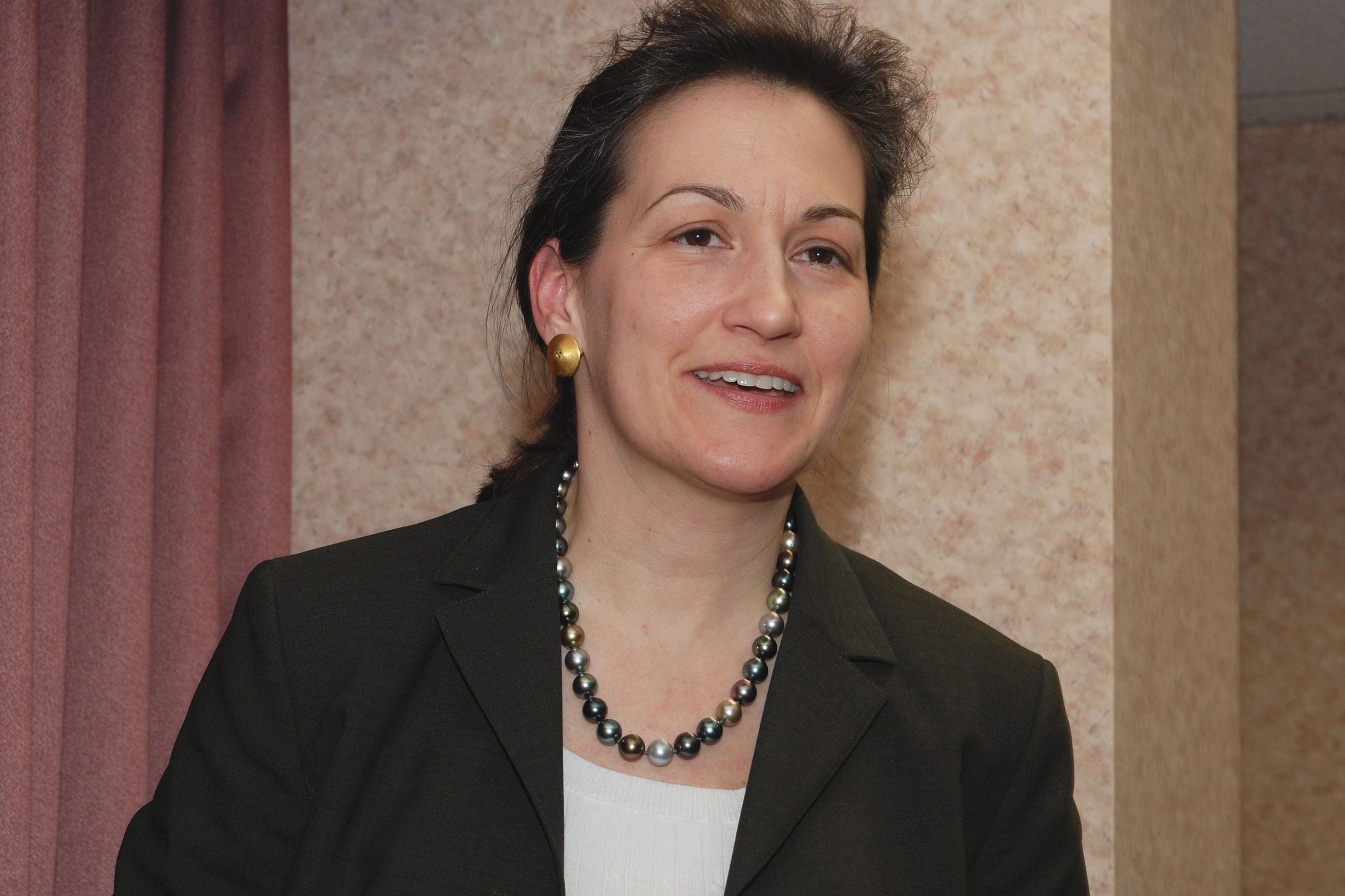
Donna Beaton

Donna Beaton

Donna Beaton rounded out the evening by discussing three hot issues in colored gemstones—the irradiation of colored gemstones (namely blue topaz), lead glass filling of ruby, and beryllium treatment of corundum.

Lead glass filling is now being divided into 3 cases of increasing filling, from Case A to Case C. Case C is the most extreme lead glass filling where the “gemstone” is basically an assemblage of pieces of gemstone bonded by lead glass.

She points out that the GIA Lab has seen not only lead glass filled rubies but also sapphires; with rubies, the blue flash effect, milkiness and bubbles give the filling away.
pic8She also addressed beryllium treatment of corundum, in reference to the abundance of padparadscha sapphires on the market, and pointed out that the treatment is nearly entirely throughout the gemstone, so the orange zoning test is no longer as conclusive as it once was.
pic9She introduced the GIA Laboratory’s myriad of new testing, identification and grading services, from basic to premier, along with a price list. Please contact labservice@gia.edu for more information.

pic10

Many thanks to our guest speakers for an informative and entertaining lecture! If you were not able to join us, you missed invaluable slides that help gemologists identify these new treatments and synthetic gemstones.

Summary by Etta M. Saunders, PhD, GG, ISA AM

Meeting Photos by Melanie Marts – GG

Posted in Meeting Archives | 1 Comment

The Tucson Panel

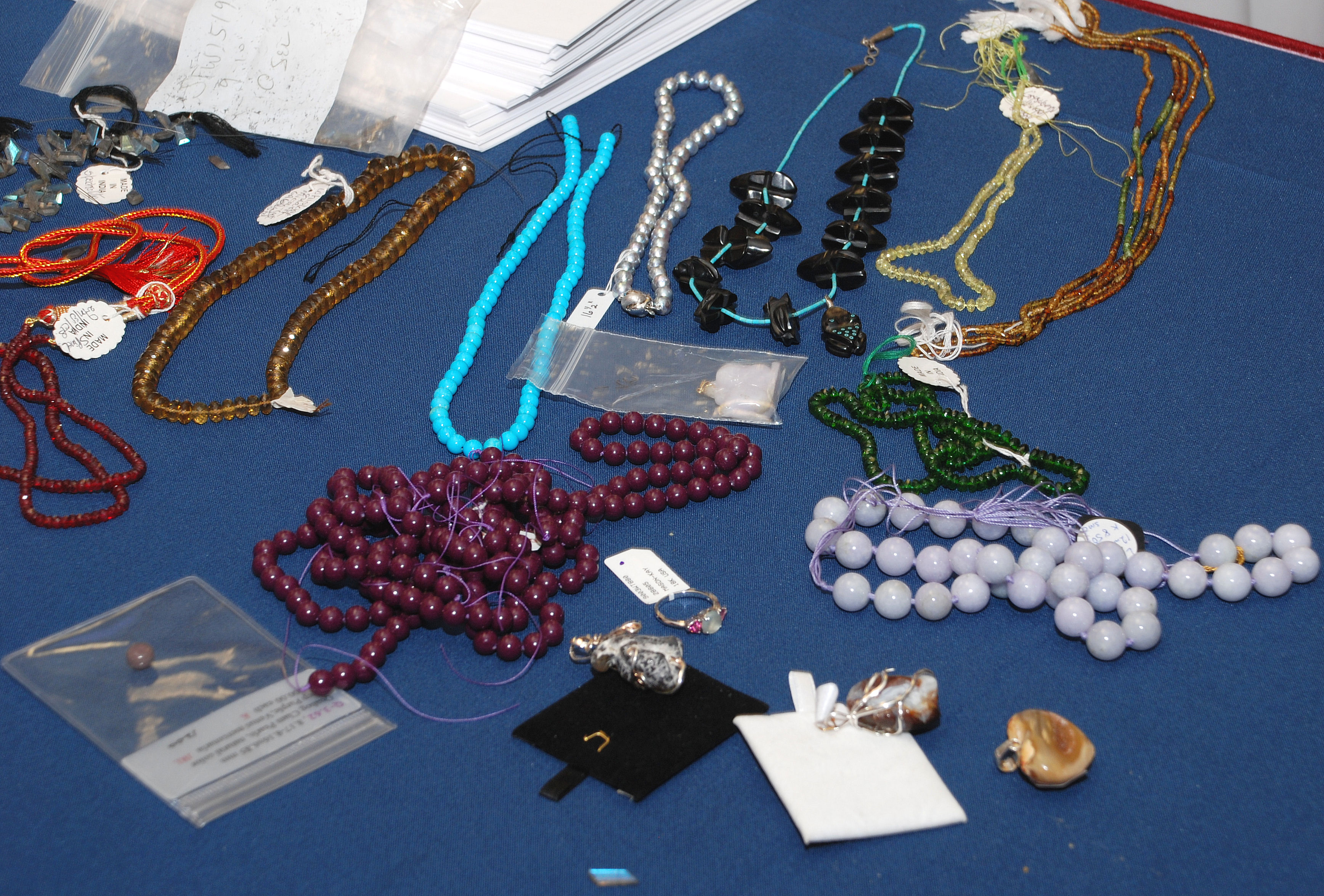
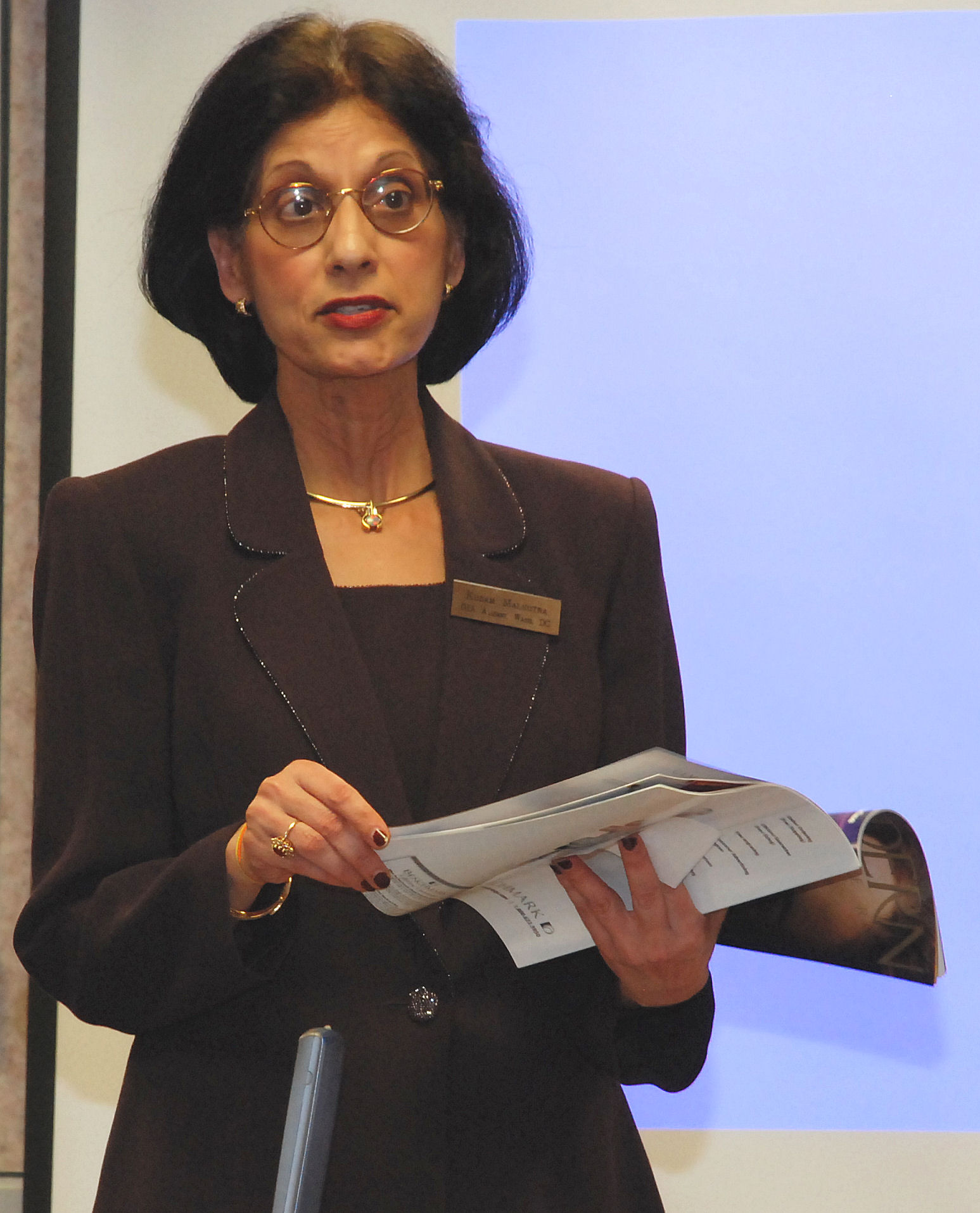
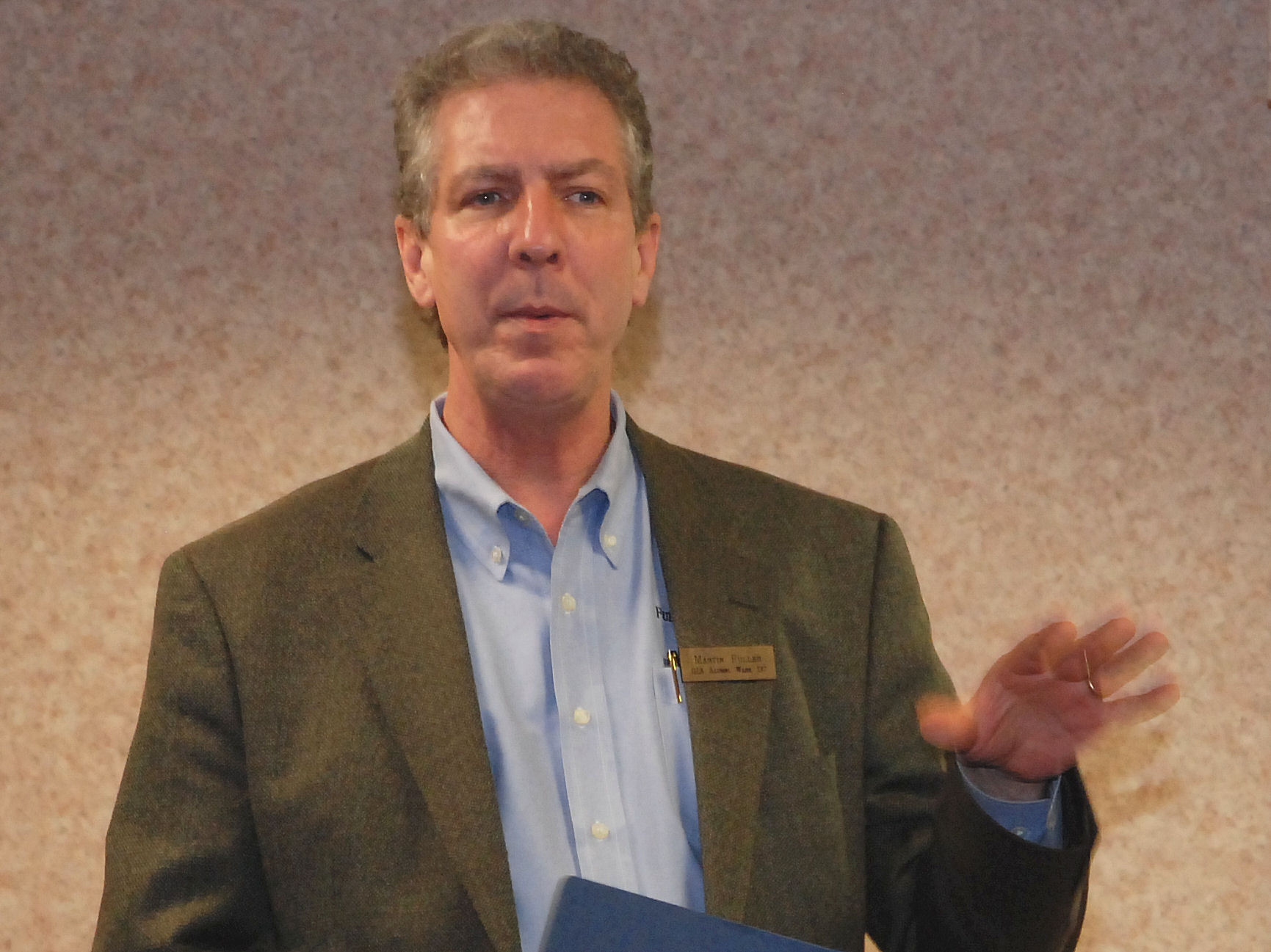
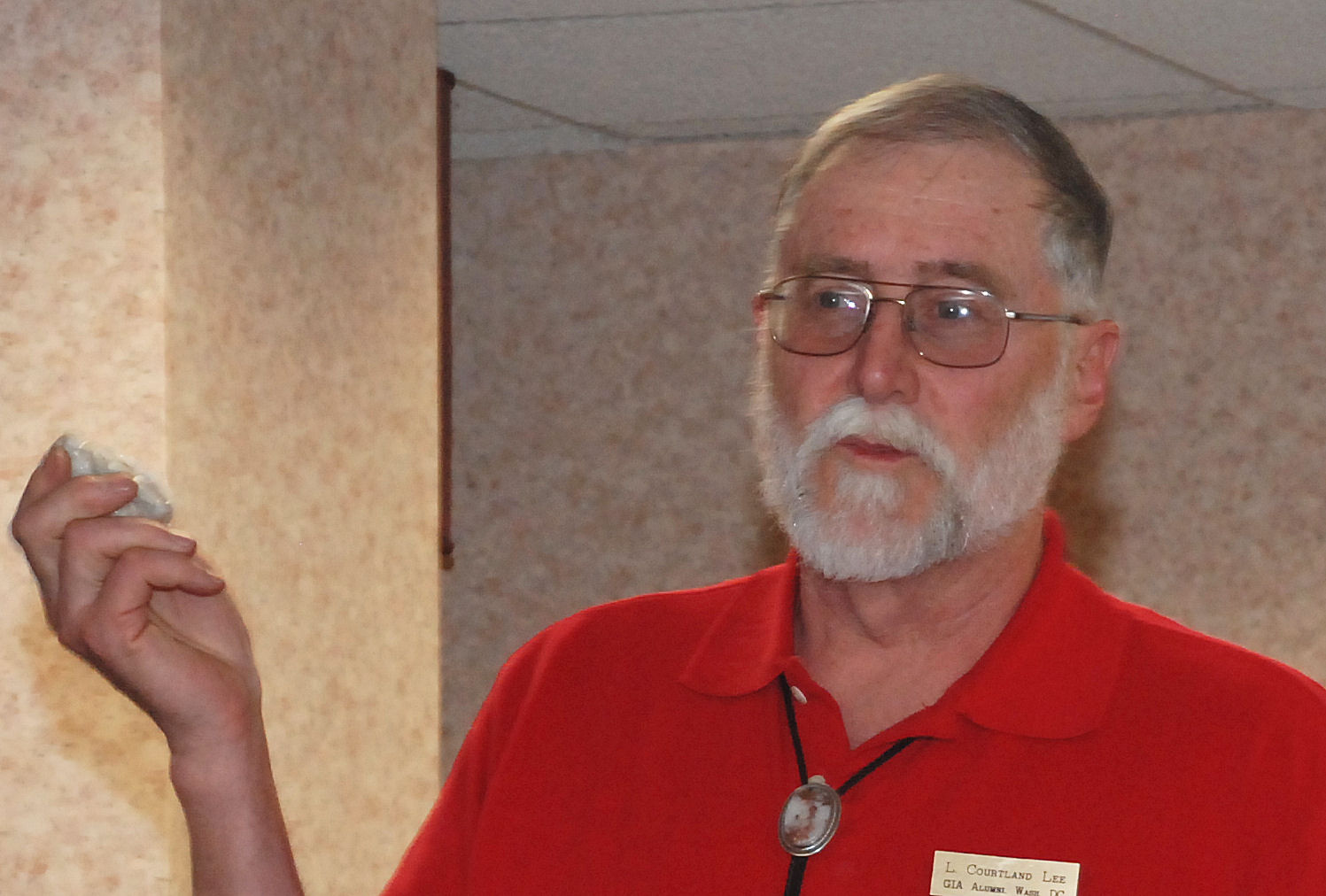
This year’s Tucson Panel was chaired by Kusam Malhotra. Martin Fuller, Courtland Lee and Lois Berger participated, and Lisa Carp displayed a tantalizing assortment of her beautiful bead finds from Tucson.

Courtland Lee Beads

Courtland Lee Beads

Some of the items shared by Courtland Lee and Lisa Carp

Lisa Carp's Beads

Lisa Carp's Beads

Kusam Malhotra

Kusam Malhotra

Kusam Malhotra began by introducing three hot new stones; a new spinel from Tanzania, Paraiba tourmaline from Mozambique and kyanite from Nepal.

The new spinel from Tanzania is a vibrant peach/pink with orange overtones. It is identical to findings from Russia, and it’s going to take off.

The Paraiba tourmaline from Mozambique is large and in vibrant colors of green, blue, yellow green and purple. The prices are reasonable, and it’s a good time to buy this material. The kyanite from Nepal is a vibrant blue that closely resembles the color of a Kashmir sapphire-but at a fraction of the price. She reported that the price of fine corundum is up 25%-45% from last year, as are natural colored coffee and cognac diamonds. She noted that people bought finer goods and larger pieces, with most clients coming from overseas.

Martin Fuller

Martin Fuller

Martin Fuller gave a synopsis of Bill Hoefer’s class on “Insurance Appraisals Demystified”, which was held in Tucson.

He pointed out that 90% of the appraisals done are for insurance,

and that most appraisers do not understand the different types of insurance companies and policies.

MF1

He stressed that the detail contained in an appraisal report makes sure that a client is made whole again-not the dollar amount of the value conclusion.

MF2

Mr. Hoefer also offers classes in estate appraisals and divorce appraisals.

Courtland Lee

Courtland Lee

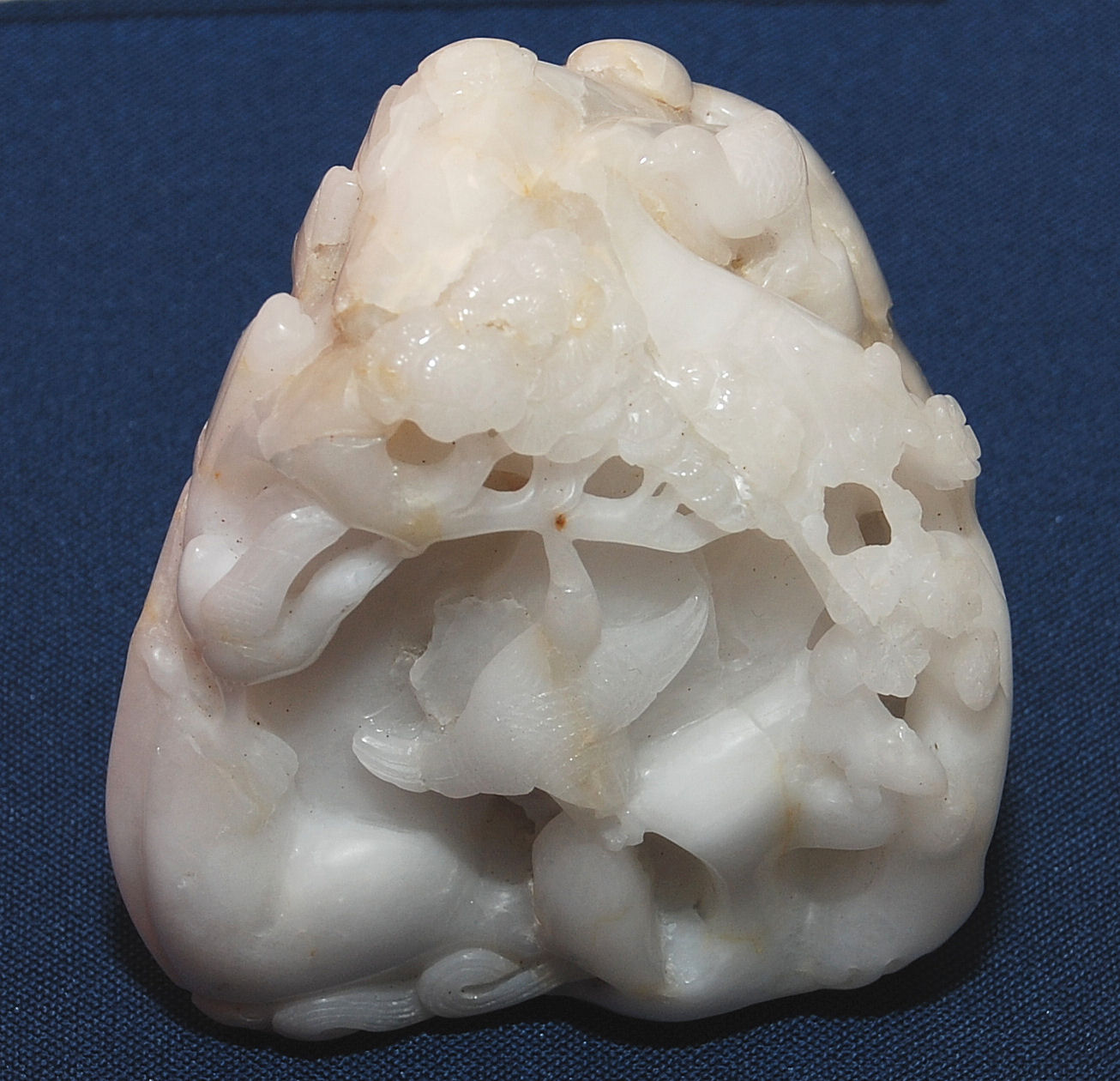
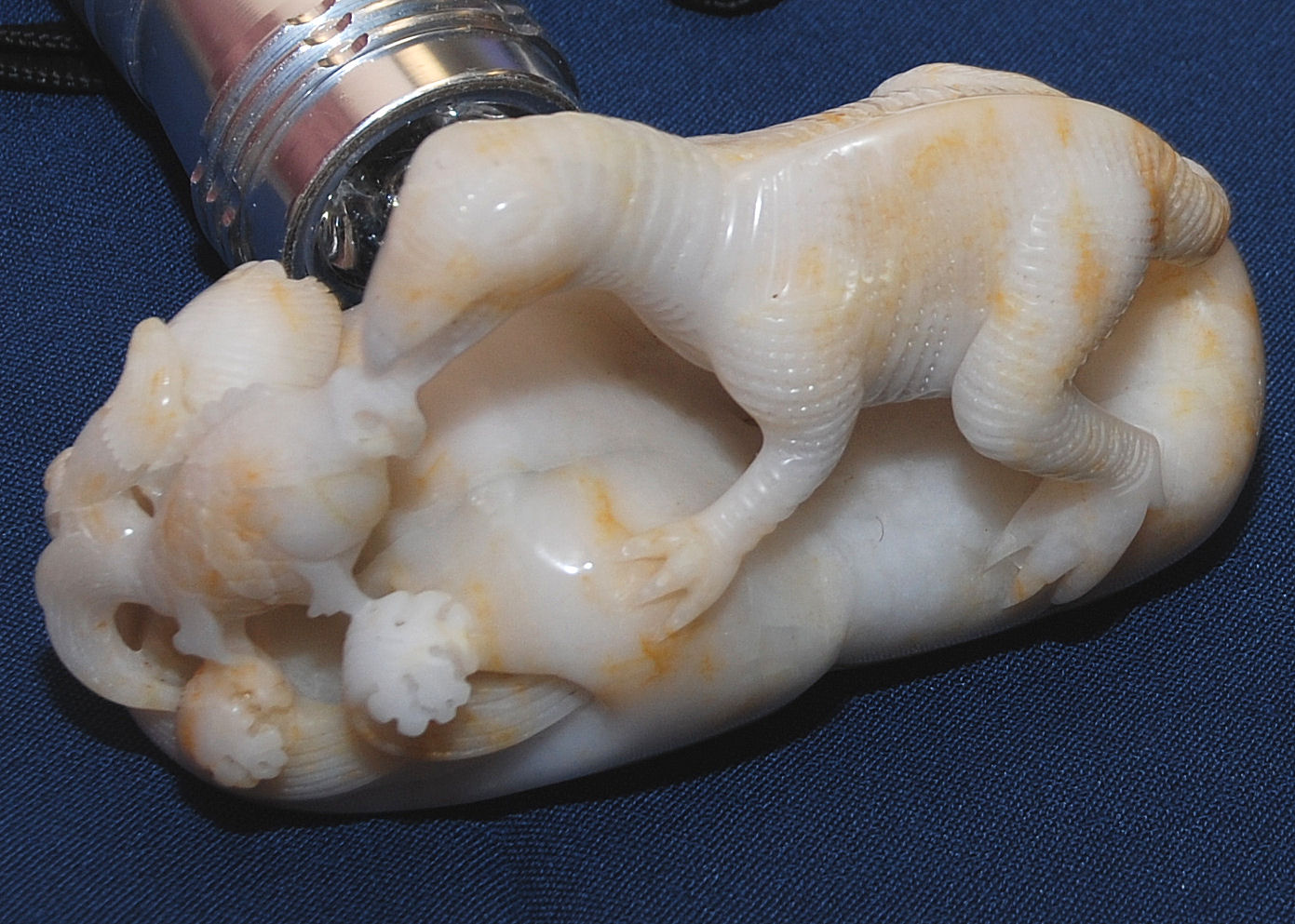
Courtland Lee presented samples and information on Maryland gemstones.

Namely fossilized dinosaur bones, fossilized lizard teeth, and williamsite.

Apparently the fossilized dinosaur bone has garnered the interest of China.

CL1CL3

Fossilized lizard teeth retain the visual structure of ivory, but have a hardness of 7, which is typical for a silicate.

CL2CL5

The williamsite found in Maryland is the finest gem serpentine in the world, an emerald green in color.

Lois Berger

Lois Berger

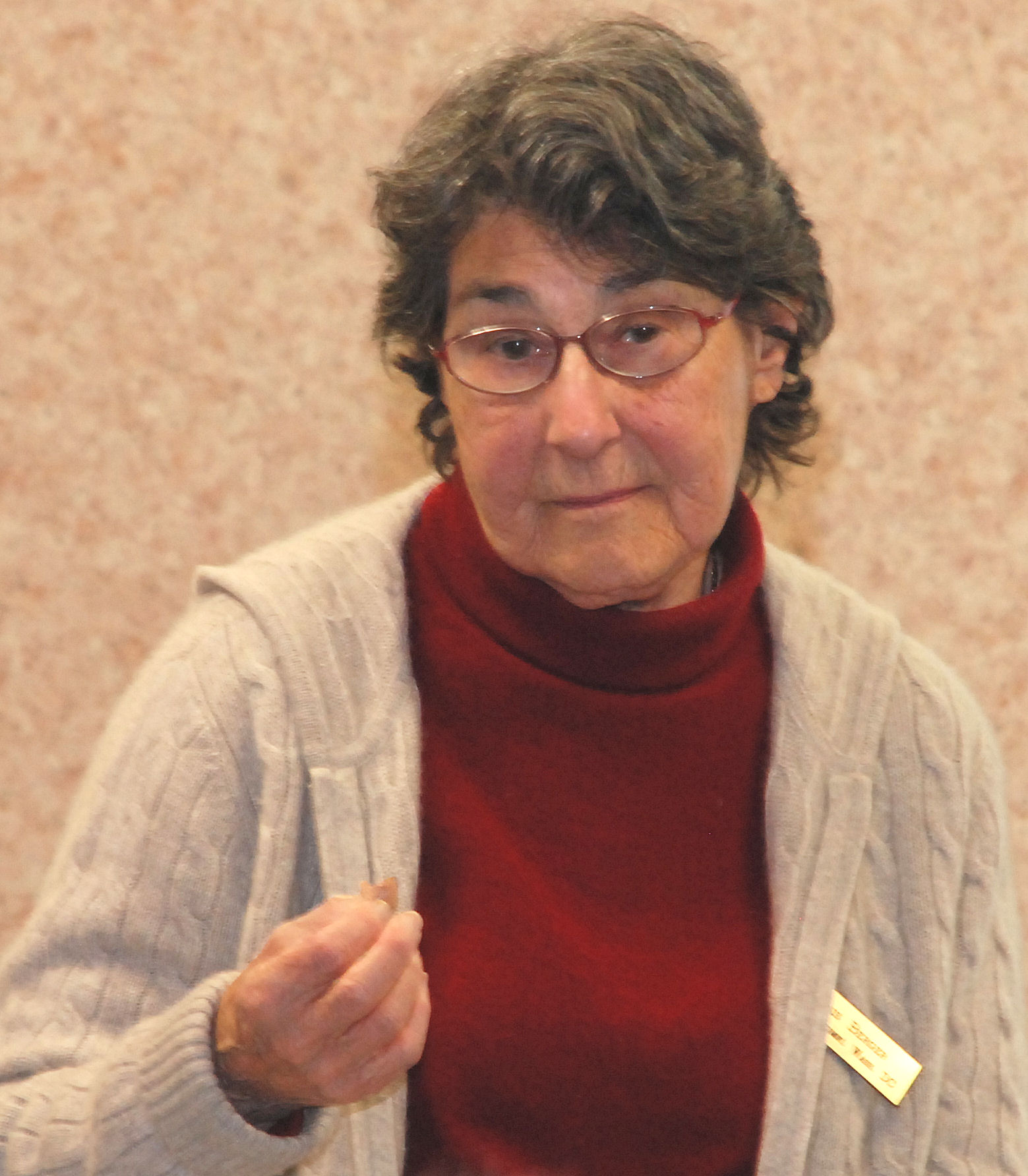
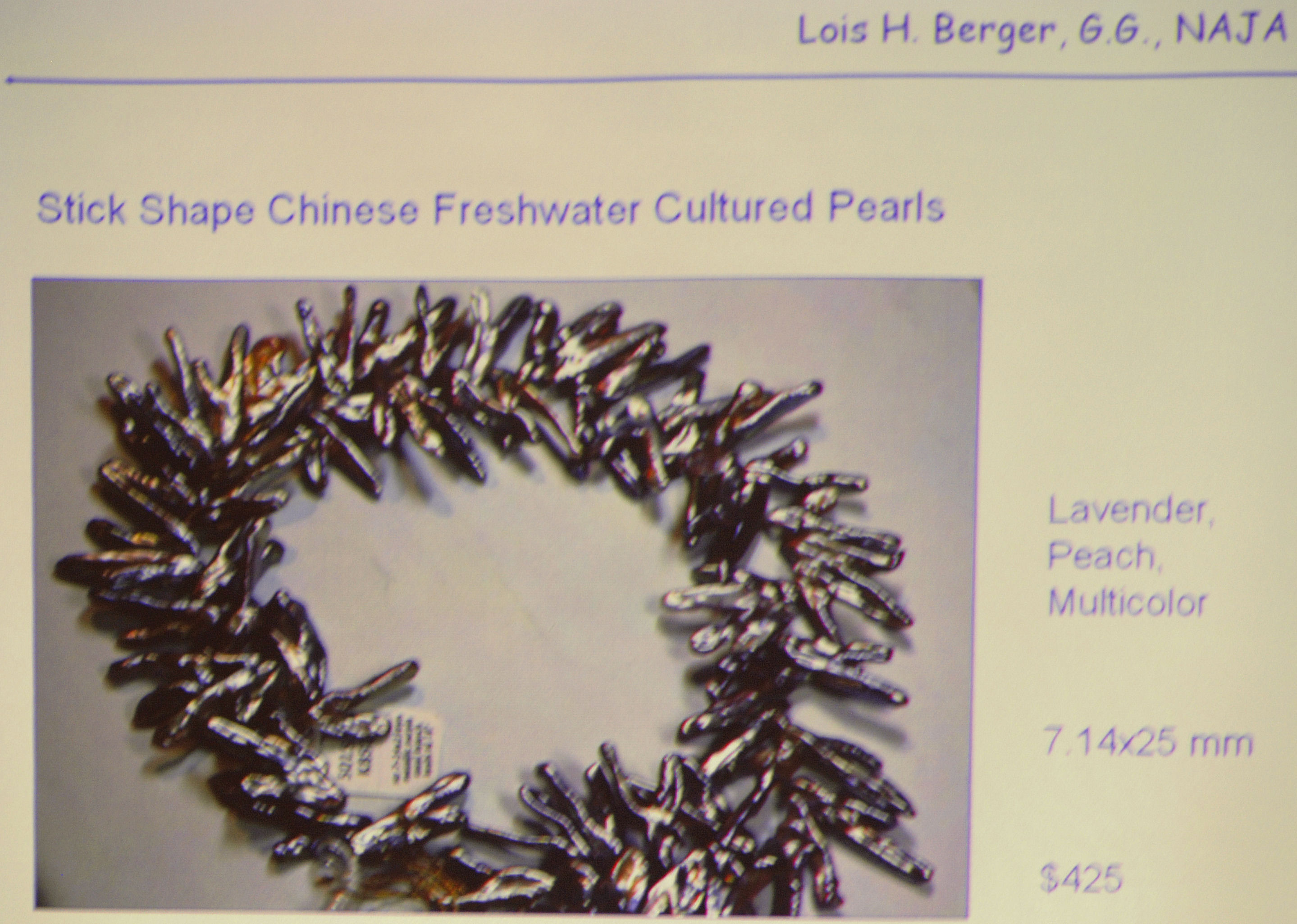
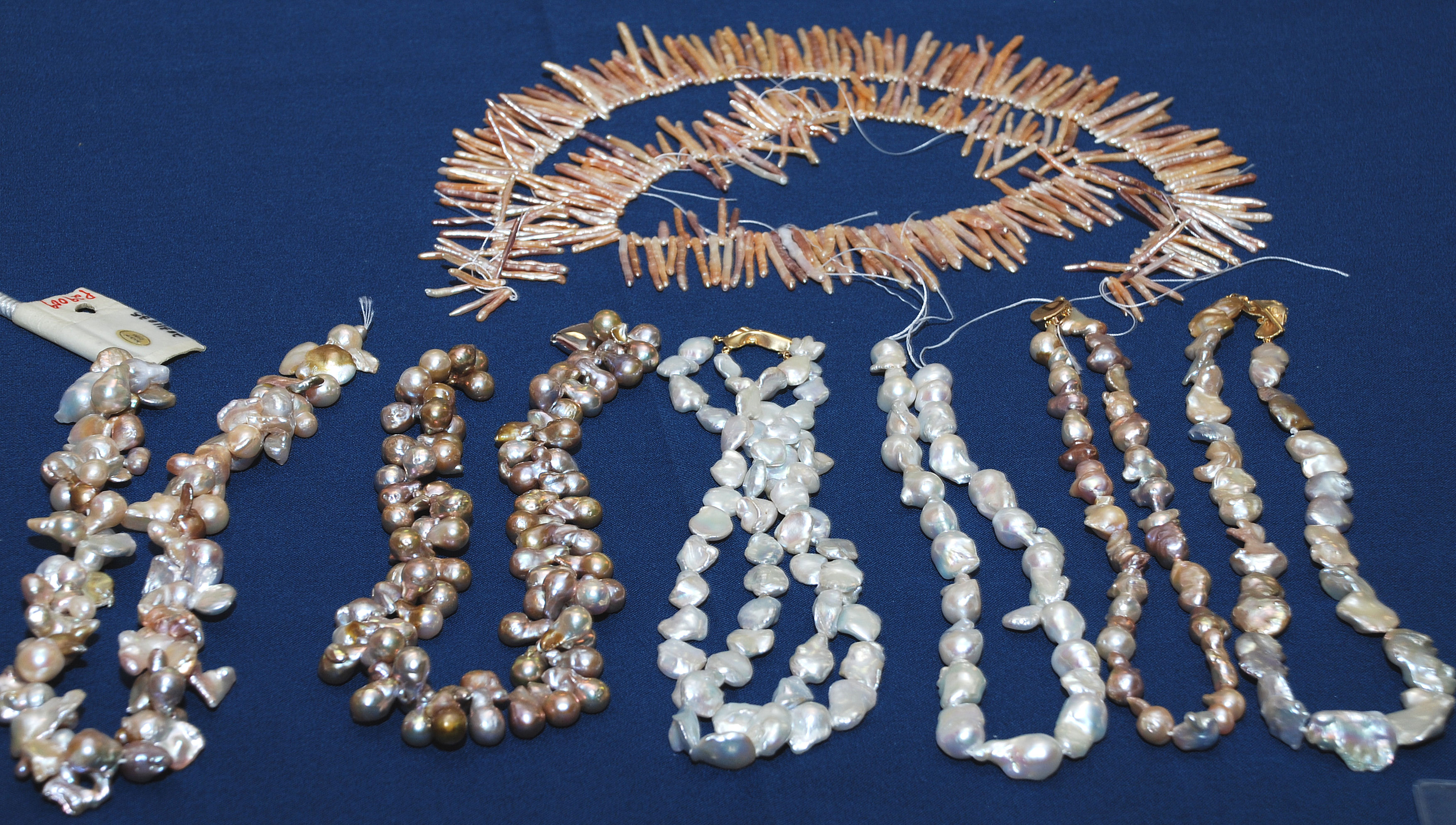
Lois Berger wrapped up the Tucson Panel with her eagerly awaited annual report on the pearl market.

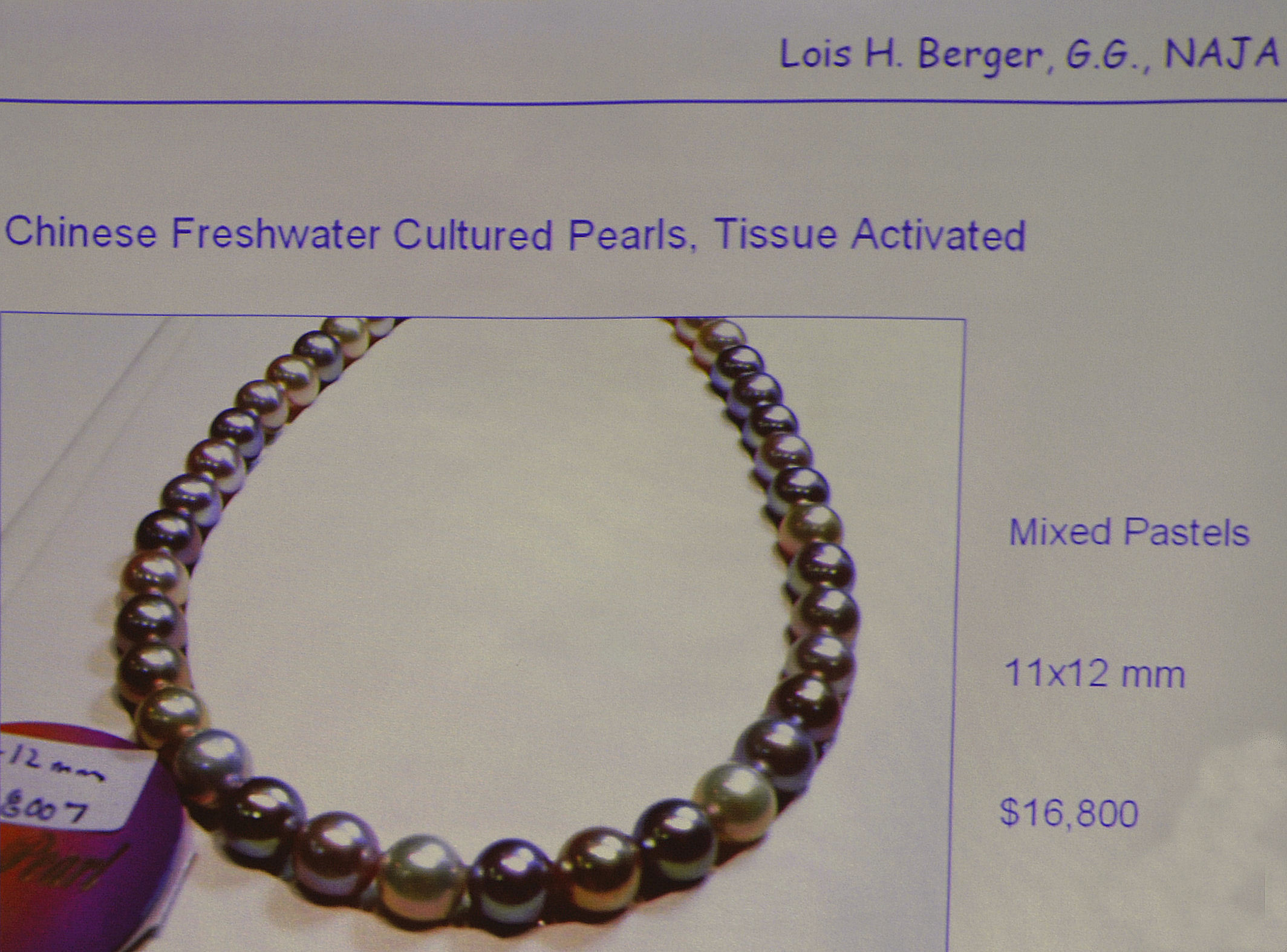
She discussed the terms “coin pearl” and “keshi”, as well as the shift in calling some fresh water pearls “tissue activated” instead of “tissue nucleated”.

She also noted that cash flow has a direct relationship with the amount of time the mussel or oyster is left in the water, and generally observed that inventory is not moving in the low end-which correlates to no cash flow to buy new inventory.
LB1LB2

China has new inventory, but our economy is just at this state.

LB3LB4

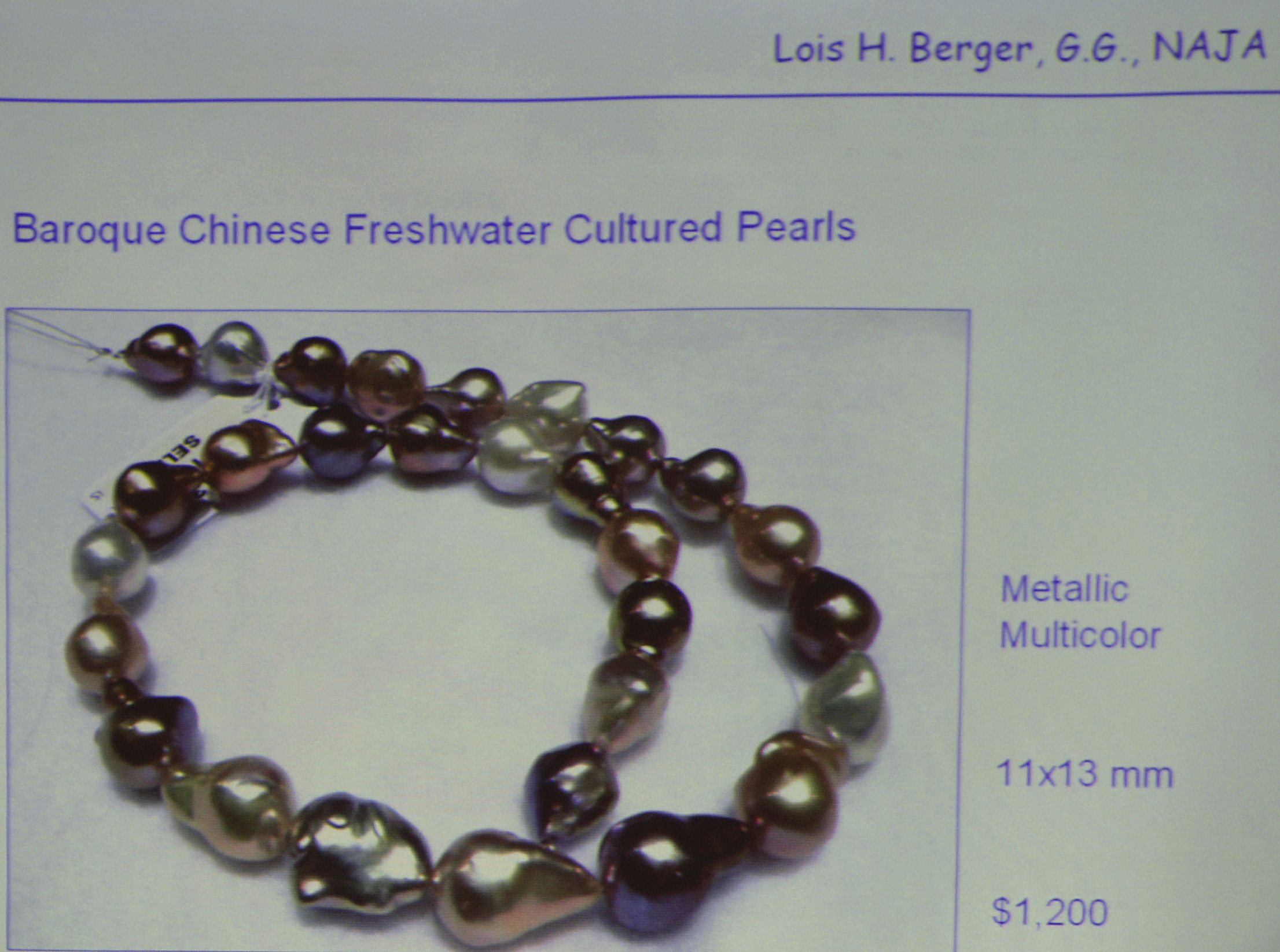
Several beautiful new shapes were introduced across the board in the pearl market, from Chinese freshwater cultured pearls to Tahitian to South Seas, including new carved Vietnamese cultured pearls bead nucleated with gemstones by the designer Chai. There is still a strong market for high end pearls.

LB5LB6

It was an entertaining, informative evening with a plethora of new, beautiful specimens available around for examination. Many thanks to our panelists for making the trip out to Tucson and sharing new industry information with the group!

Submitted by Etta M. Saunders

Meeting Photos by Melanie Marts

Posted in Meeting Archives | Leave a comment

ANTIONETTE MATLINS

GEMSTONE TREATMENTS GONE WILD
Scratching the Surface of Gemstone Coatings . . . And Other Timely Insights

Antoinette Matlins

Antoinette Matlins

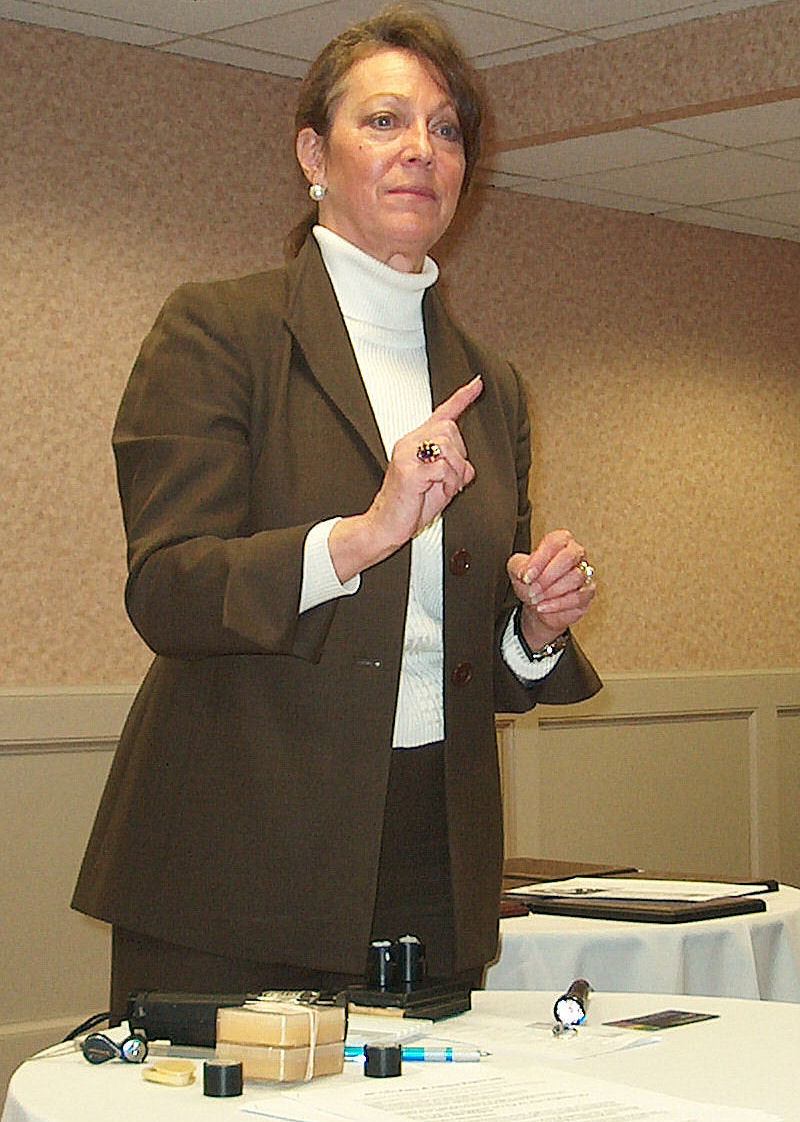
Ms. Antoinette Matlins is an internationally respected gem and jewelry expert and well-known author and lecturer. Often seen on CNN, ABC, NBC, and CNBC offering important consumer information, Ms. Matlins devotes much of her work to education and consulting within the trade.

Former Gemology Editor for National Jeweler for almost a decade, she is the author of seven highly acclaimed books on gems and jewelry and has become a respected consumer advocate in the field.

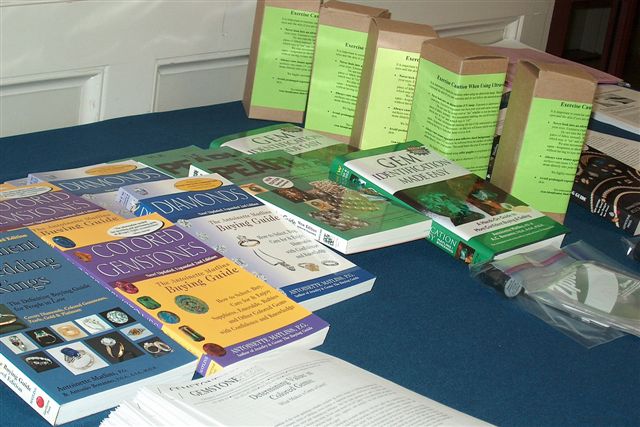
Her most popular books include:

pic2Jewelry & Gems

The Buying Guide – (in its 6th edition/published in 6 languages)

Gem Identification Made Easy

Diamonds: The Antionette Matlins Buying Guide

Colored Gemstones: The Antionette Matlins Buyiing Guide

The Pearl Book

Ms. Matlins’s presentation focused on technologies that have taken gemstone treatments to new heights (or, as she prefers to say, new depths). In the area of coatings, for example, sapphires of an undesirable color can be transformed into a much more marketable “blue” sapphire with the application of a cobalt coating.
pic3In the case of fancy-color diamond melee, coatings on the pavilion can impart to an off-color stone a very lovely, and naturallooking hue of yellow, pink, blue, or “cognac”.

Coatings can even transform heavily tinted diamonds into colorless beauties. In the area of HPHT techonology, the trade faces not only HPHT color-altered diamonds but also HPHT synthetic diamonds.

Thanks for Sharing

Thanks for Sharing

The DCGIA chapter Thanks Ms. Matlins for providing such important information to aid in detecting treatments, distinguishing natural gems from synthetics, and knowing when to enlist the services of an experienced gemologist or laboratory.
Lisa Carp a Winner!

Lisa Carp a Winner!

Raffle Tickets are sold at every meeting to help raise money to cover chapter costs. 50% of the money raised goes to the chapter and 50% goes to a lucky raffle ticket holder.

The winner of the 50/50 Raffle Ticket was Lisa Carp. She has always been a winner in our hearts and minds.

Posted in Meeting Archives | 1 Comment

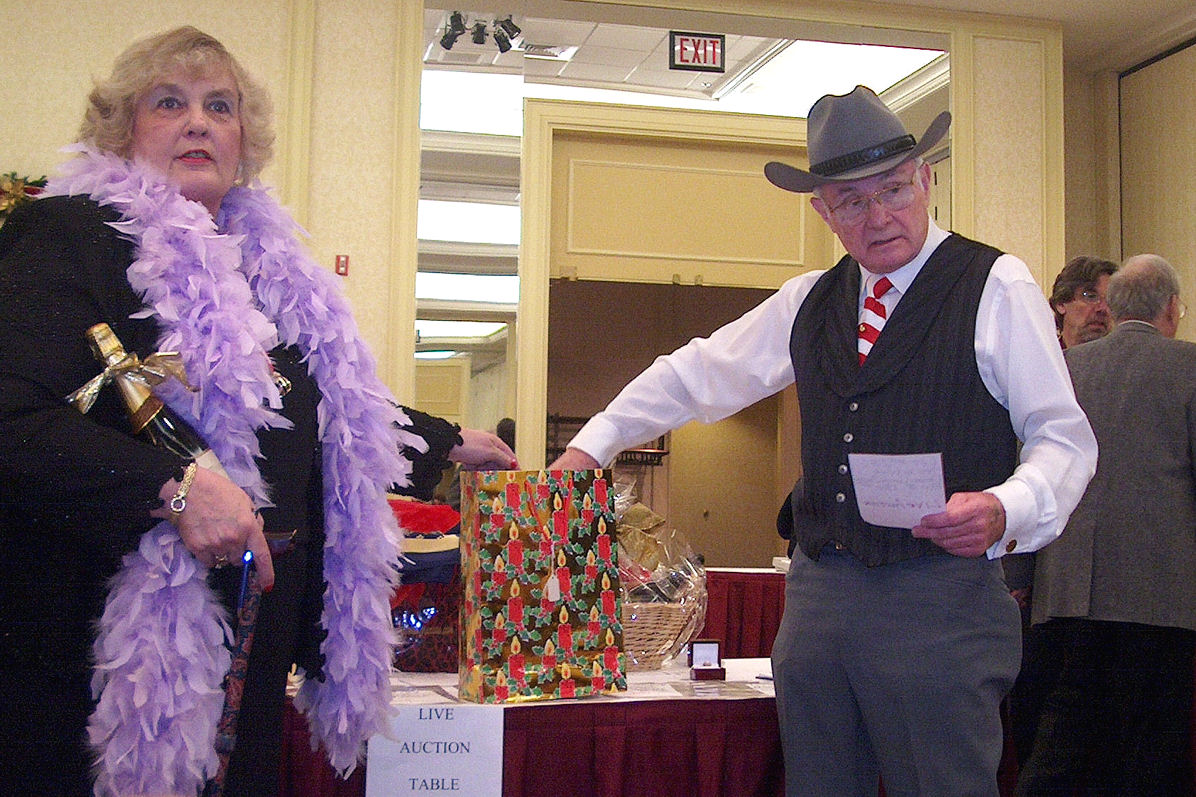
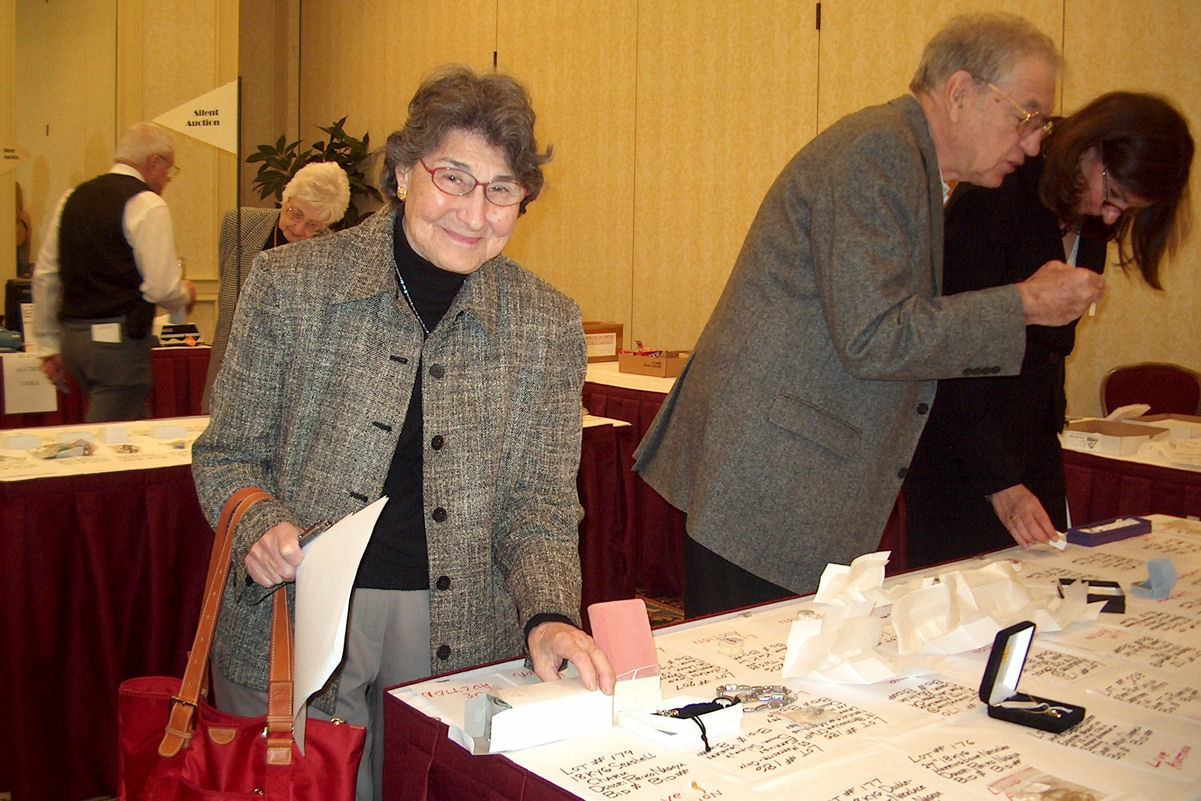
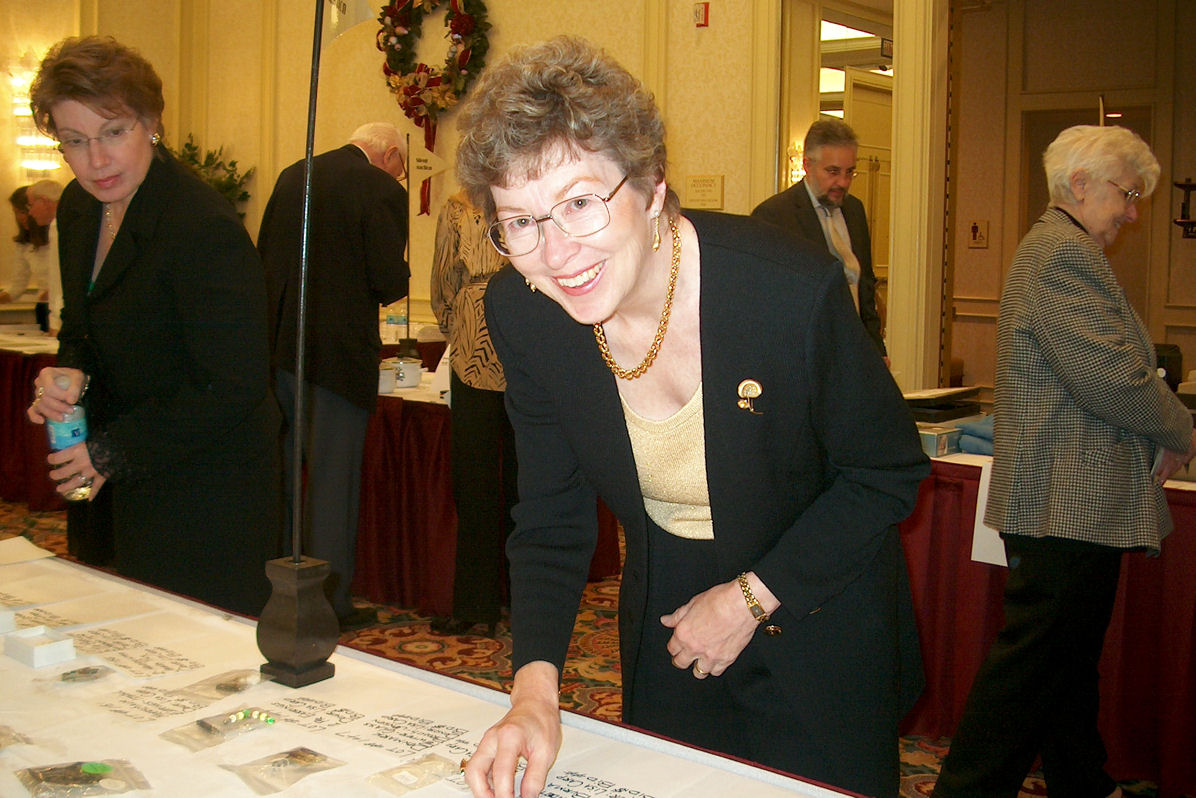
Holiday Dinner & Auction

Carolyn & Bobby

Carolyn & Bobby

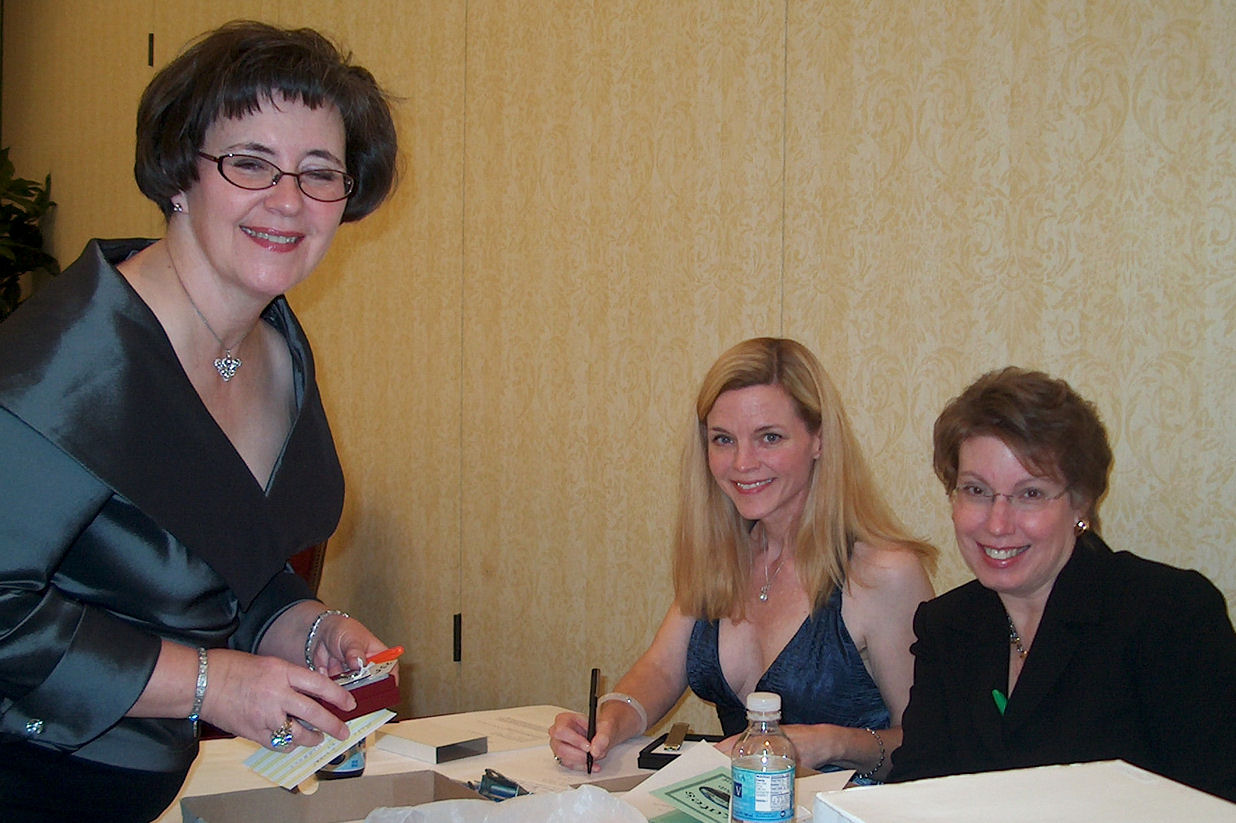
The Holiday Dinner & Auction was once again a great success!

Thanks go to everyone that worked so hard, before, during and after to put this annual event together.

Thanks also go out to everyone who came and shared the evening with us!

We hope you enjoy the Poem and Pictures on this page, and towards the end a special thanks to all the donors of items sold during the auction.

Denise Nelson’s poem for Auction Dec 2007

The tree in the lobby * all shiny and bright * the beer held by Bobby * Oh what a sight!

Workers

Workers

The years pass so quick * the auction ishere * have a quick pick * and have a good beer!

Write down the number * the bigger * the better * for things made of lumber *

and even a letter * a diamond scoop *a triplet loupe * an onyx pendant *

Davia & Carolyn

Davia & Carolyn

a custom design * Australian wine *a colorful mola * a gemstone bola *

balloons made of cola * even more things that shine * and art exquisitely

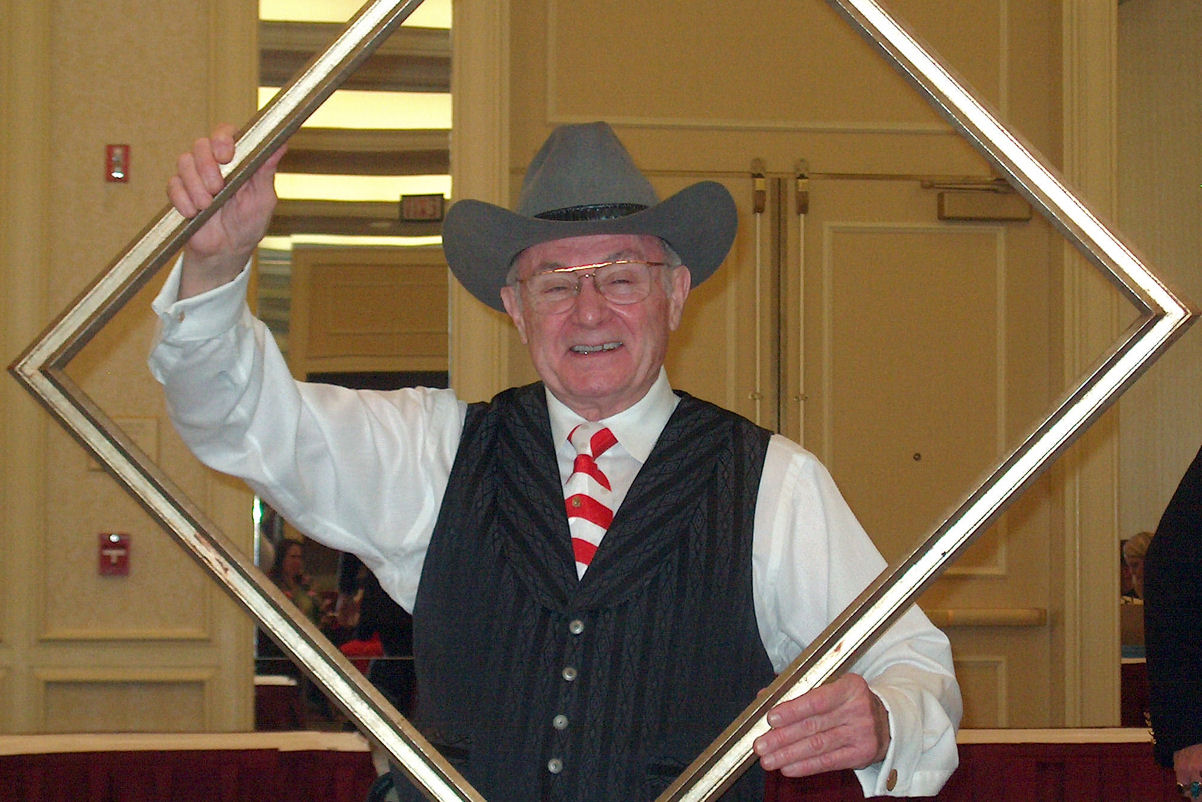
fineEtta so pretty * Doris so witty *Bobby in a frame * oh what a shame *

not for sale…

Table 1 Auction Items

Table 1 Auction Items

A jewelry lota plant and a pot * a pretty heart locket *a knife for the pocket *

Table 2 Auction Items

Table 1 Auction Items

costume pins * colorful tins * books about Jade *items to trade *hand made things *golden rings…

Agate, banded and pretty * furs to wear to the city *Venetian glassand Indian brass

Gary &

Gary &

a rainbow of beads *and also some seeds *rings for the ear * full of cheer *

with Bobby and his beer!

The board hard at work * to raise the money *to bribe our speakers with wine and honey

rugs of all textures * to raise money for lectures* some vintage vermeil * so little to pay *

for items big and small * some short and some tall *pay more! pay more! *

for a book full * of lore *

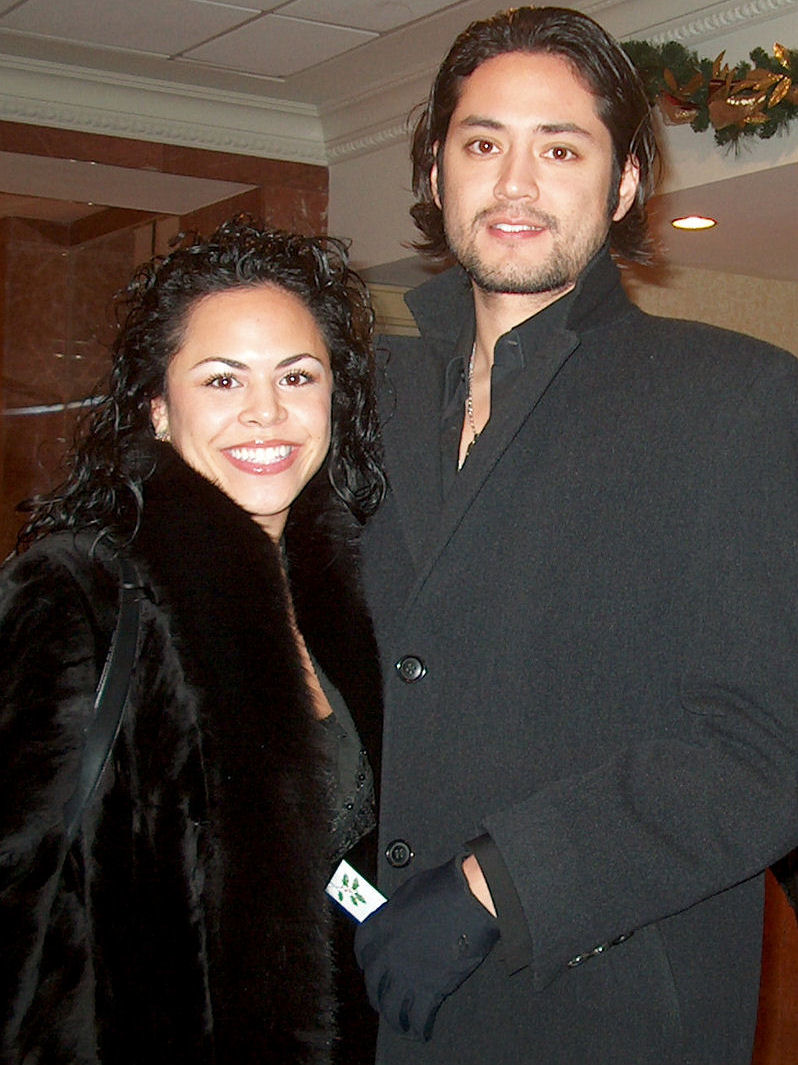
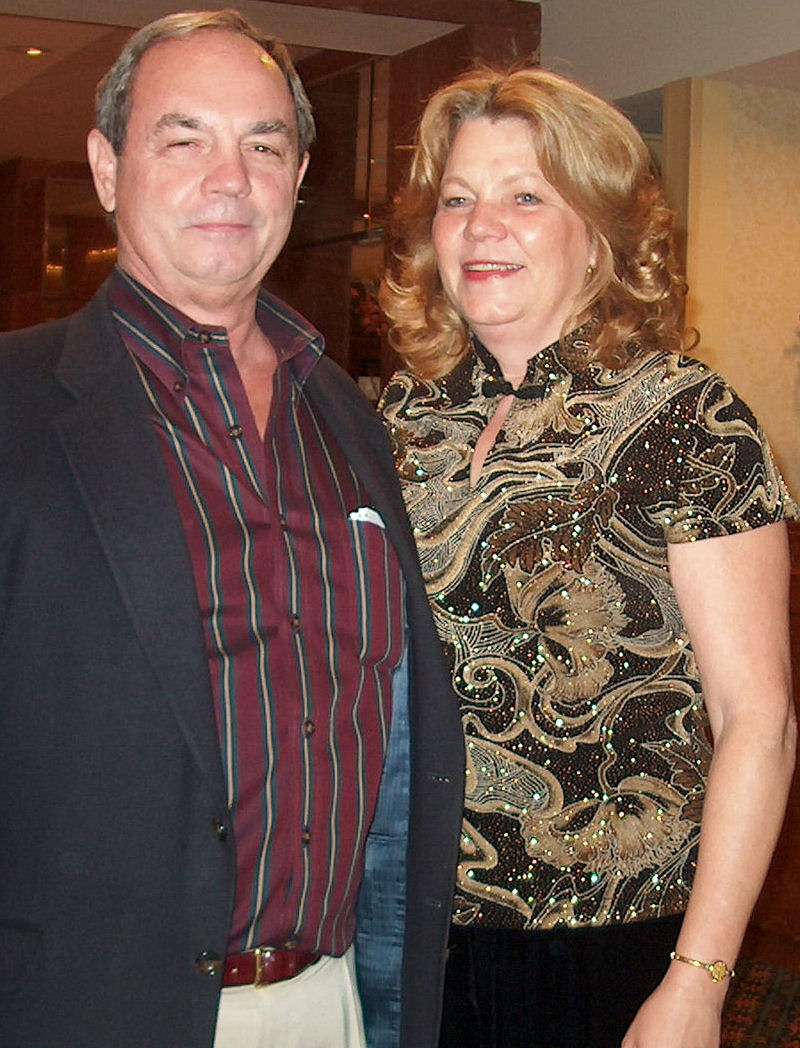
Couple 1Couple 2

for garnet, so sparkly and bright * the tables got empty, oh what a sight * too soon we called it a night!

Brenda

Brenda

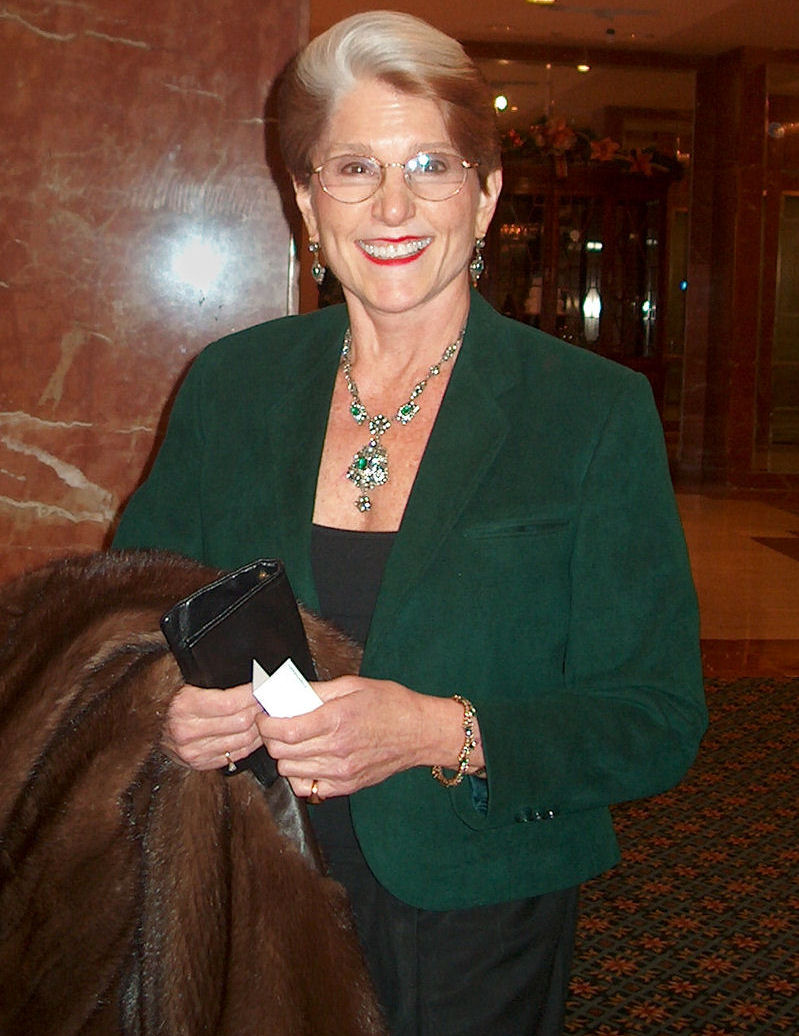
Couple 3

There was lots of bidding * and even some kidding * the evening went fast * and at last *

quick went the gold * things new and old * all items were sold!

For those who were there,thanks for your giving *for those who were not,

you missed some good living…

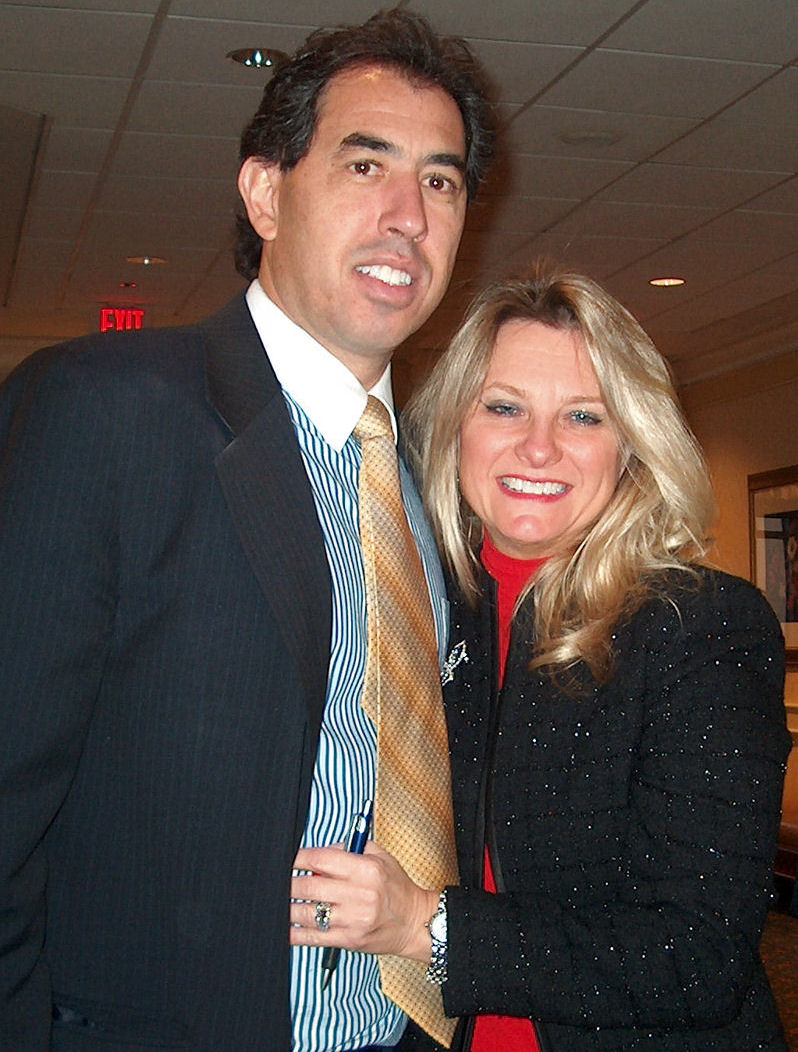
Couple 4Trio

Be healthy and happy and have a good year * Remember the chapter and add some good cheer *

Couple 5

Web Master Bribed

Web Master Bribed

by sending us money, if you have some to spare * if not, just join us and come and care * the meetings are fun, we learn and share * information and wisdom exceedingly rare.

Bobby Framed

Bobby Framed

Happy Holidays and a New Year filled with Peace and Happiness!

DC Chapter GIA Auction Honor Roll

  1. Robert G. Davis – Jewellery By da Vis
  2. Brenda Forman
  3. Lisa Carp – Designs In Gemstones
  4. Donna Sibley
  5. Mary Loose DeViney – Tuel Jewelers
  6. Anonymous
  7. Jim & June Gianforte – Continental Jewelers
  8. Skinner Inc. Auctioneers
  9. Richard Drucker – Gemworld International Inc.
  10. Josh Hall – Pala International Inc.
  11. Reiko Nagoya
  12. Weschler’s Auctioneers & Appraisers
  13. Bo Torrey – Pearl World
  14. Traci Solovey – Solovey Jewelers
  15. Jeff & Sharon Allison
  16. Andrew & Etta Saunders – Arethusa Designs
  17. Eric J. Hoffman-Far East Gallery
  18. Hap & Dee Williams
  19. Robbie & Sherlene Bradbury
  20. Doris & Thomas Voigt
  21. Kusam & Kiran Malhotra – K & K International
  22. Bobby Mann & Theresa McGowan
  23. Mason Kay – Fine Jade Jewelry
  24. Diane Grimes-Briars Antiques
  25. GIA Alumni Association
  26. Stephen J. Clarke – Liljenquist & Beckstead
  27. Quest Fine Jewelers Inc – Pete H. Tain
  28. John & Alice Lees – JAL Co.
  29. GIA Gem Instruments
  30. Camilla Nasr
  31. Tim Roark Inc.
  32. Ken Achikian-Achikian Goldsmiths
  33. Carolyn Chappell-Carolyn’s Crystals
  34. Melanie Marts
  35. David Ensellem- Towne Silversmiths
  36. Kate’s Irish Pub
  37. John Greenan & Sons
  38. B&C Jewelers
  39. Gregory & Ann Stevens
  40. Lois Berger
  41. Ira & Davia Kramer – Diamond Exchange
  42. Denise & Dennis Nelson
  43. Joan Ward
  44. Catherine Cowie
  45. James Burick-Jeweler’s Warehouse
  46. Anna Escobar
Posted in Meeting Archives | Leave a comment